Weingut Simon-Bürkle

Falstaff Winery - Listed
Weingut Simon-Bürkle is a working Zwingenberg winery on the Hessische Bergstraße, shaped around cellar tastings, estate-ground context and a broad range of German varieties. The appeal is practical rather than polished: mineral-driven wines, family-run continuity since 1991, and a reservation-led format that suits visitors who want production close to the glass.

Pearl is the En Primeur Club membership app, where members save venues, book tables and use the concierge.

In Zwingenberg, Weingut Simon-Bürkle is best understood through a simple, grounded lens: it is a working winery, not a polished hospitality set piece. The picture is practical and cellar-minded, with the atmosphere centered on hands-on wine production and wines described as mineral-driven and approachable. That is the useful starting point for readers deciding whether it belongs on a Zwingenberg wine plan.
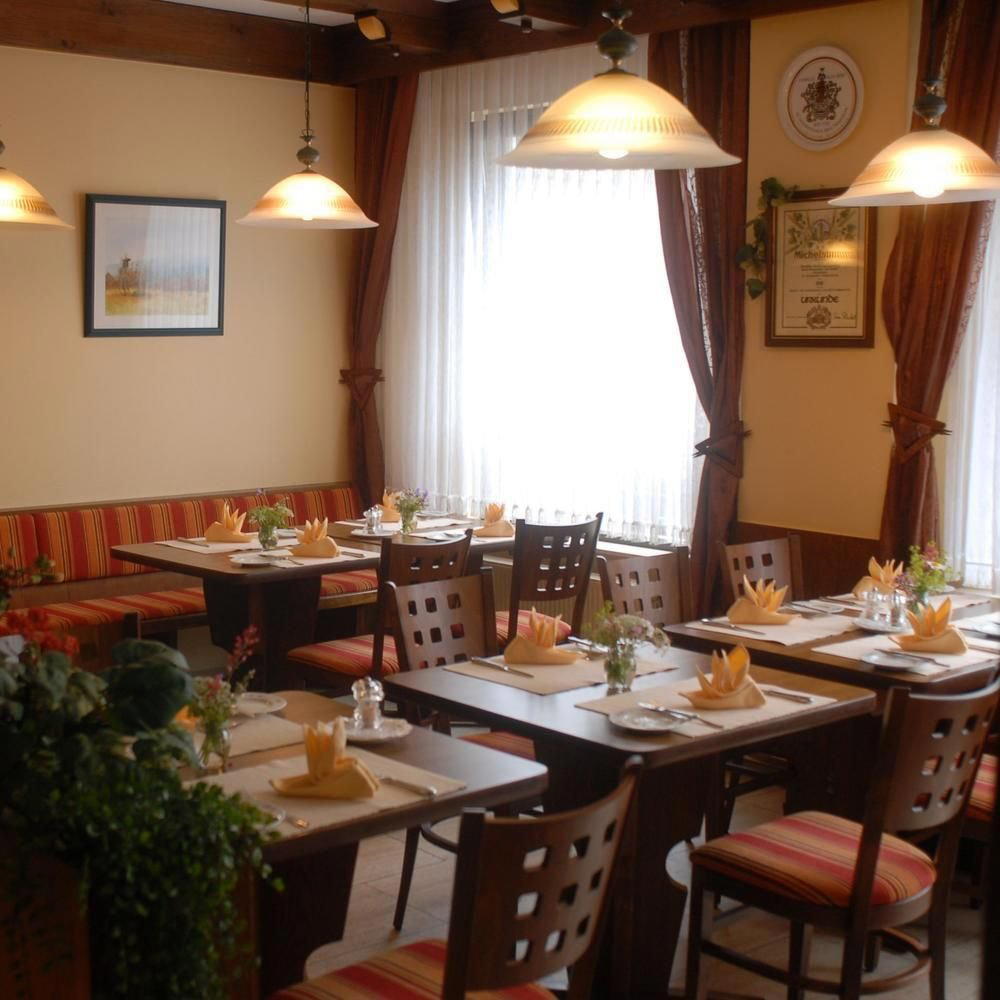
The appeal here is not built on confirmed awards, formal restaurant-style service, or a long list of public amenities. The available information points instead to a rustic, classic and cozy setting with a hidden-gem feel. In other words, the draw is the winery character itself: a place where the language around the experience is production, texture and drinkability rather than luxury staging.
Mineral-driven wines in a working winery setting
Those two ideas matter because they set expectations without overpromising. “Mineral-driven” suggests a profile focused on freshness, structure and a sense of line. “Approachable” keeps the emphasis away from trophy language and toward wines meant to be understood and enjoyed without excessive formality.
There is no confirmed public detail here for specific grape varieties, named vineyard sites, bottle prices, food pairings, tasting duration, reservation rules, production volumes or awards. Rather than filling those gaps with guesswork, the better read is narrower: Weingut Simon-Bürkle is a Zwingenberg winery with a hands-on production identity and a grounded, rustic atmosphere.
That can still be enough to make it relevant. Many travelers looking at wineries are not only searching for grand hospitality rooms or famous labels. Some want a direct sense of a producer’s working environment: the kind of place where the wine is the focus, the setting is classic rather than glossy, and the experience feels close to production. On the facts, Weingut Simon-Bürkle fits that quieter category.
The price level is listed as $$, which places it in a moderate bracket. That does not confirm bottle pricing, tasting fees or any particular included service, so it should be read only as a general pricing signal. The more important expectation is tonal: this is not framed as a luxury destination. It is presented as accessible, rustic and centered on wine production.
Cellar substance over polished hospitality
The strongest reason to keep Weingut Simon-Bürkle on a Zwingenberg shortlist is its working-winery character. The atmosphere is hands-on, cozy and classic, with a hidden-gem quality. That combination suggests a venue whose value is more about substance than spectacle.
This restraint is important. A premium venue guide is most useful when it separates confirmed facts from attractive assumptions. For Weingut Simon-Bürkle, the confirmed story is compact but coherent: a Zwingenberg winery, moderate price level, rustic atmosphere and approachable wines with a mineral-driven profile. That is a valid identity, even without an expanded amenities list.
For planning, the safest approach is to treat Weingut Simon-Bürkle as a wine-focused stop in Zwingenberg and verify current practical details directly before going. The page can confidently describe the style and atmosphere, but it should not invent operational details.
Compared with other dining or drinking options in Zwingenberg, the distinction is the production setting. A restaurant or bar may be chosen for a meal, a view or a broader drinks list; Weingut Simon-Bürkle is framed around wine production itself. That makes it a different kind of stop: less about a full-service outing and more about the character of a local winery.
Who should put it on a Zwingenberg wine route
Weingut Simon-Bürkle is a strong fit for travelers who prefer understated wine places to highly polished venues. If your priority is a rustic, classic atmosphere and a sense of closeness to production, the profile is promising. If you need confirmed food service, a published tasting format, specific opening hours or detailed visitor amenities before committing, those details should be checked separately rather than assumed.
The venue also suits readers who appreciate approachable wines. That word is useful because it signals a less intimidating frame: wine as something to engage with directly, not as a status performance. Paired with the mineral-driven description, it gives the winery a clear stylistic outline without needing unsupported claims about grape varieties, vineyard names or cellar techniques.
The honest editorial conclusion is modest but positive. Weingut Simon-Bürkle should not be presented as an award-driven destination or a luxury hospitality experience on the evidence available here. It should be presented as a Zwingenberg winery with a working, hands-on feel; a rustic and cozy atmosphere; moderate pricing; and wines described as mineral-driven and approachable. For the right visitor, that is the point.
Recognition history
Dated appearances from independent guides and award organizations, with the underlying list record or original source where available.
Falstaff Winery - Listed
Falstaff
Continue exploring
More in Zwingenberg
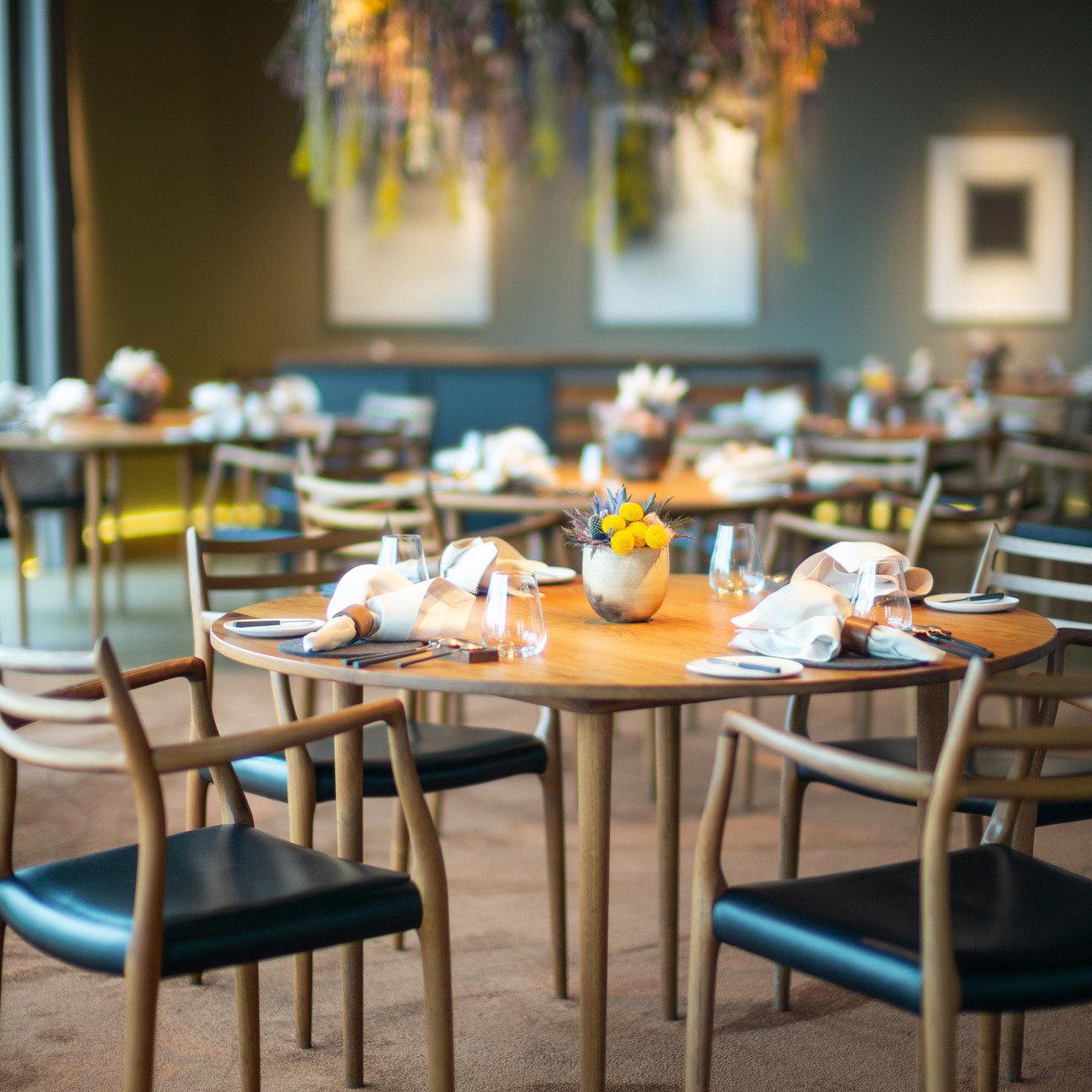
Wineries in Zwingenberg
All wineries in Zwingenberg →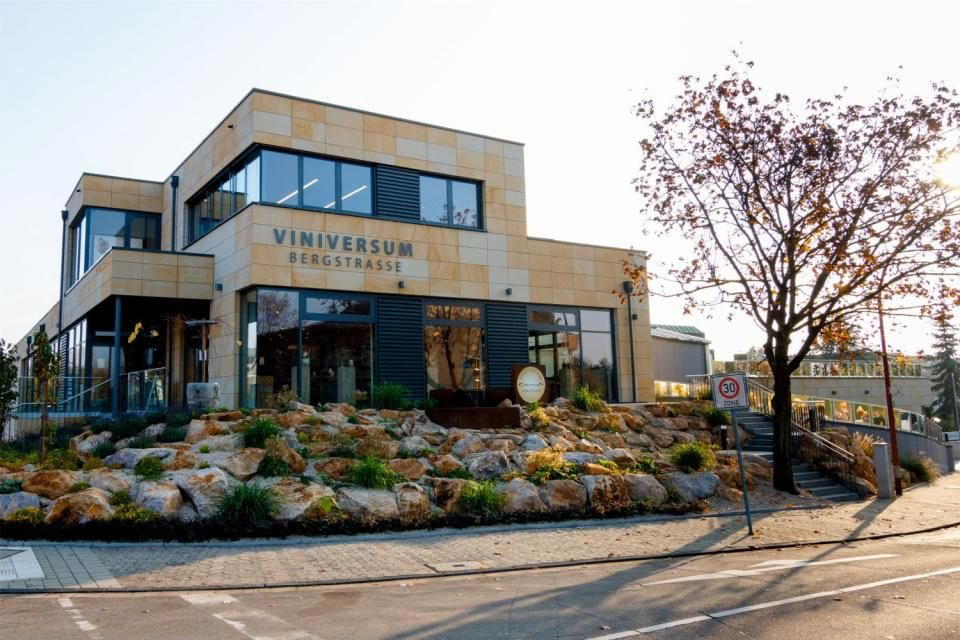
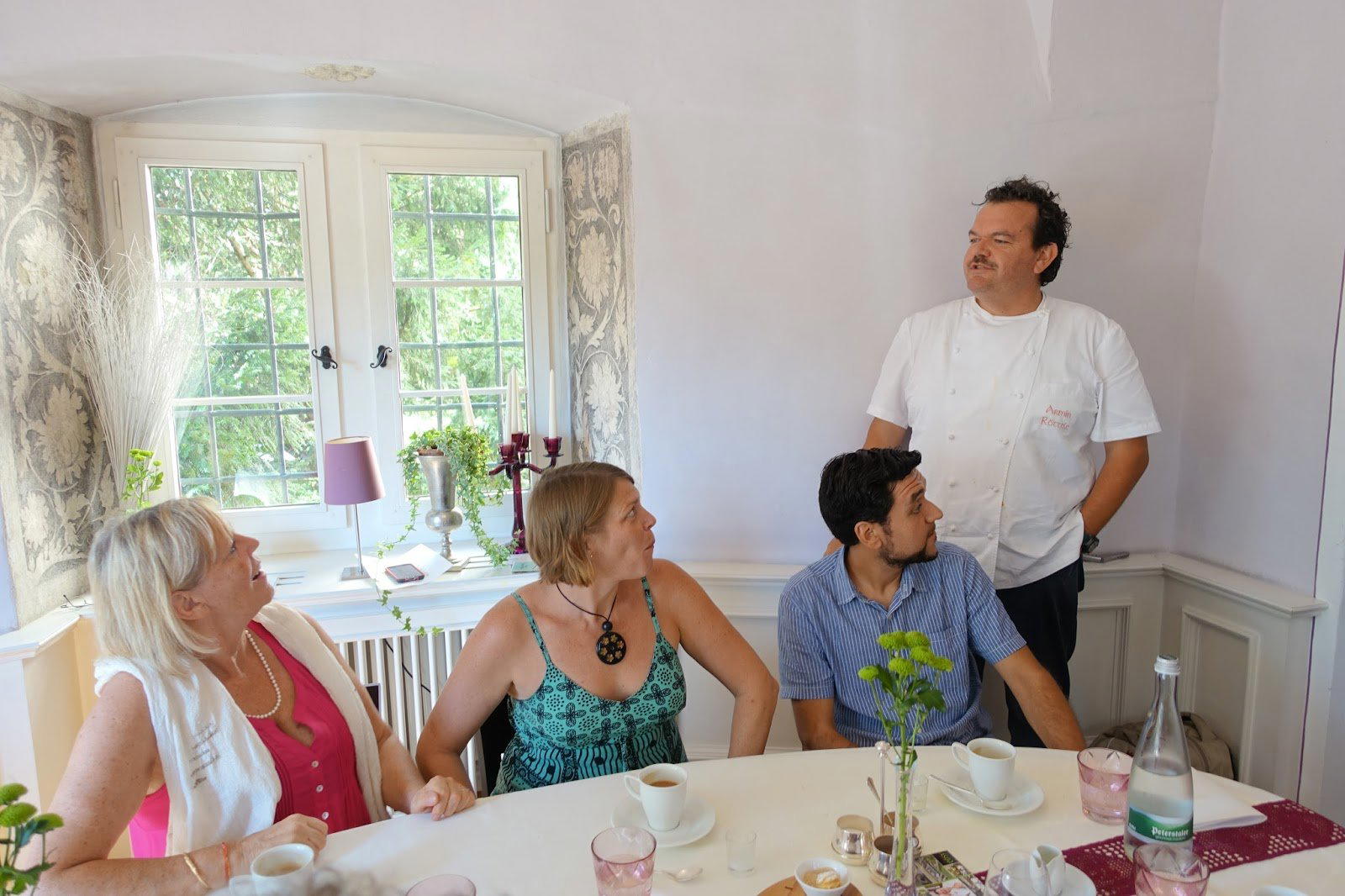
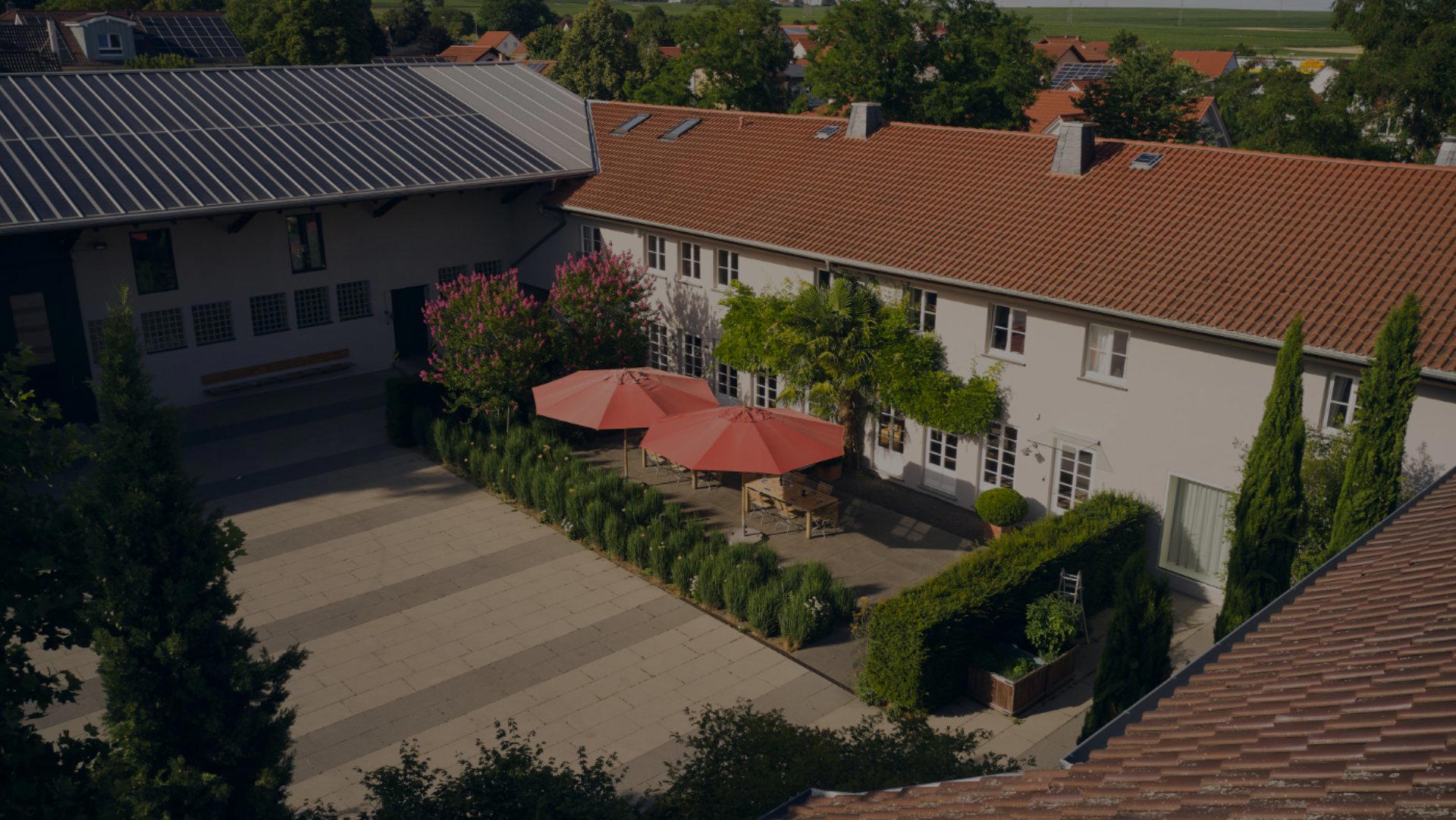
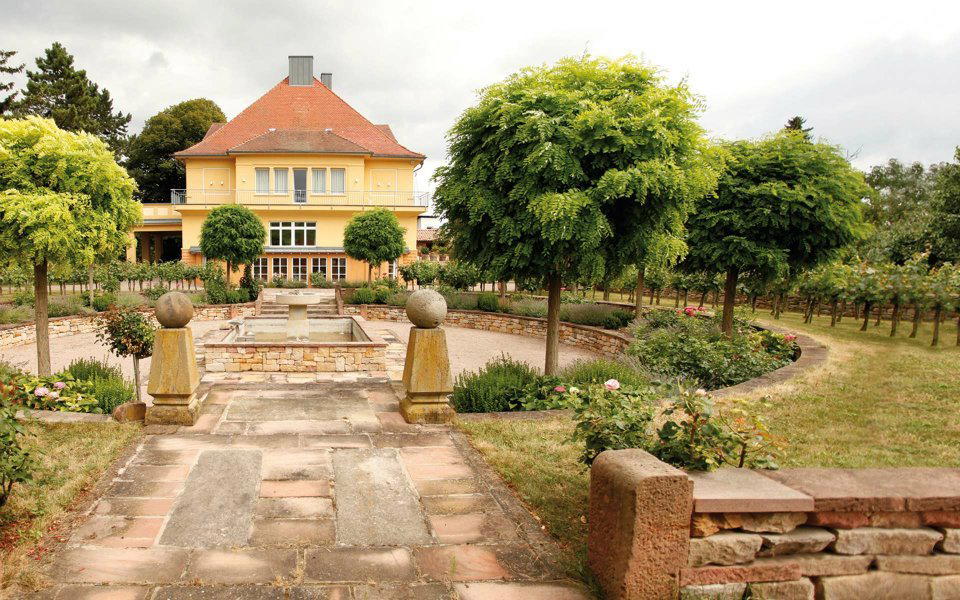
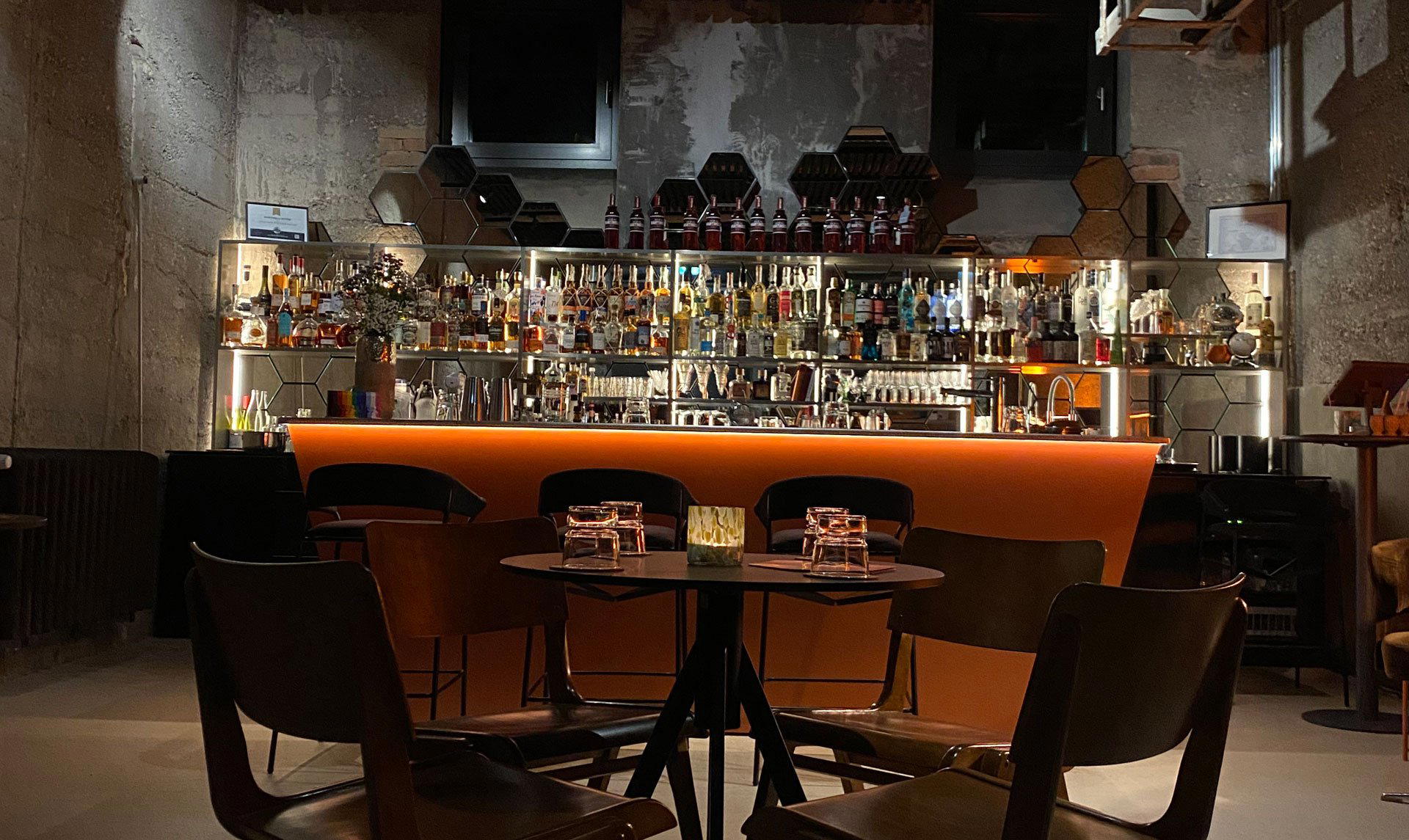
Bars in Zwingenberg
Browse all →
Restaurants in Zwingenberg
All restaurants in Zwingenberg →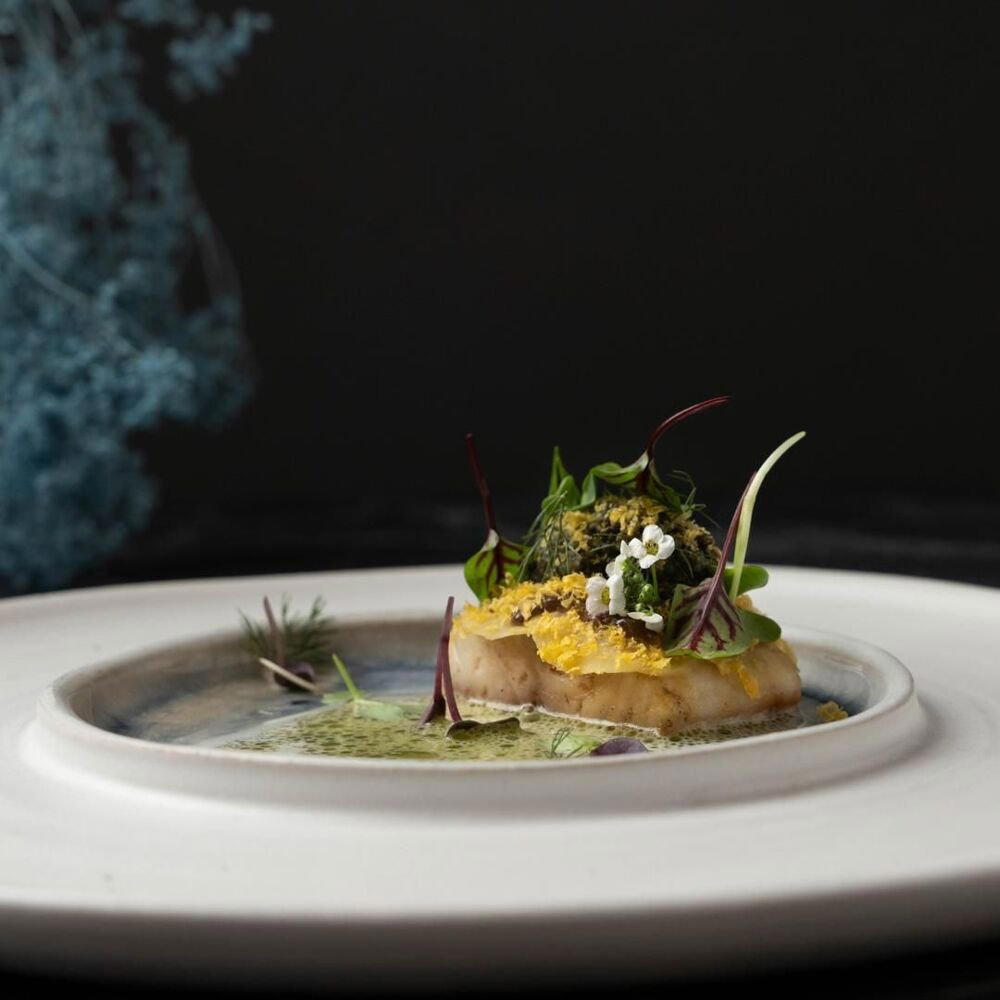
Details
- Rustic
- Classic
- Cozy
- Group Outing
- Wine Education
- Solo Exploration
- Estate Grounds
- Historic Building
- Private Tasting
- Sustainable
- Vineyard
- Street Scene
- Riesling
- Silvaner
- Auxerrois
- Grauburgunder
- Weißburgunder
- Muskateller
- Scheurebe
- Gewürztraminer
- Spätburgunder
- Lemberger
- Still White
- Still Red
- Sparkling
- Wine Tasting
- Cellar Tasting
A working winery atmosphere centered on hands-on wine production, with a focus on mineral-driven, approachable wines rather than a polished hospitality setting.