
Weingut Puder is a family-run Zellertal winery whose identity is tied to limestone and clay soils, eighth-generation continuity, and a broad Pfalz portfolio spanning Riesling, Spätburgunder, Chardonnay, sparkling wine, and alcohol-free cuvées. The draw is not trophy-hunting grandeur; it is a quiet, origin-led producer with ecological conversion underway and enough direct-purchase structure to make the range easy to understand.
Pearl is the En Primeur Club membership app — saves, bookings, and concierge access live there. Same editors, same standards.
- Address
- Zellertal, Pfalz (Palatinate), Rhineland-Palatinate, Deutschland
 Saves & bookings on Pearl
Approaching Weingut Puder in Zellertal means reading the valley before reading any label: cycling and hiking routes, quiet rural edges, and a landscape shaped by limestone and clay soils. The picture is not one of a highly staged destination venue, but of a family-run winery atmosphere where craftsmanship, origin, and a close connection to place are the central signals.
Because the available confirmed information is deliberately narrow, the safest way to understand Weingut Puder is through setting rather than through unsupported claims about a full wine list, service format, awards, ownership history, or production methods. What is clear is that the venue sits in Zellertal and presents itself through a natural, origin-focused feel, with the surrounding soils and countryside doing much of the interpretive work.
Limestone, clay, and a Zellertal sense of place
For Weingut Puder, particularly grounded descriptive anchors are limestone, clay, family-run craft, and Zellertal. Those are enough to define the venue’s tone without inventing a detailed portfolio. Limestone and clay are not decorative background here; they are part of how the winery’s atmosphere is understood, shaping the visitor’s sense of origin and locality.
The setting is described as rustic, quiet, classic, scenic, and cozy. That combination matters because it points away from a glossy hospitality model and toward a calmer winery visit. Travelers should expect the appeal to come from the rural context, the family-winery character, and the feeling of being close to the land rather than from any claim of a particular tasting menu, cellar tour structure, food service, or special-event format.
Price is listed simply as $. Any planning should therefore treat the dollar marker as a general affordability signal, not as a detailed pricing guide.
It is also important not to overstate what is known. The more useful reading is simpler: the winery is a Zellertal winery with a family-run, craftsmanship-driven character and a landscape identity tied to limestone and clay.
A quiet, craft-led winery atmosphere
The description of the winery emphasizes atmosphere more than amenities. “Family-run” and “craftsmanship-driven” suggest a place where the producer identity is personal and hands-on, while “natural” and “origin-focused” describe the mood without needing to make claims about certification, farming rules, or winemaking technique.
That distinction is useful for travelers. In this case, the grounded language supports a portrait of a winery that belongs to its landscape: quiet, scenic, and shaped by Zellertal’s soils and rural rhythms.
The setting also lies directly on a cycling and hiking route. That is one of the clearest practical facts available, and it helps define how the winery may fit into a day in the area. The winery is easy to imagine as part of a slower Zellertal outing, especially for visitors who want the winery stop to connect naturally with movement through the countryside.
What should not be assumed is just as important. Visitors who need any of those specifics should check directly with the winery before making plans.
How to place it in a Zellertal wine day
The winery is best understood as a local winery stop for people drawn to Zellertal’s quieter side: family-run craft, scenic surroundings, and an origin-focused atmosphere grounded in limestone and clay. It is not necessary to dress the venue up with unsupported superlatives. Its confirmed strengths are modest but clear.
For planning, one reliable use case is a relaxed winery visit in Zellertal, especially if the day already includes walking or cycling. The direct connection to a cycling and hiking route gives the venue a strong outdoor context. The rustic and cozy tone also suggests that it suits visitors who prefer low-key regional character over a more formal or urban hospitality setting.
The winery’s specific identity rests on being family-run, craft-oriented, and shaped by the limestone-and-clay landscape. If you are choosing among stops in the area, use those confirmed qualities as the guide.
In short, the winery is a Zellertal winery to consider when the setting matters as much as the glass: quiet countryside, classic regional atmosphere, a natural sense of origin, and a price marker of $. The story is not exhaustive, but it is coherent. This is a modest, scenic, family-run place whose appeal lies in craft, landscape, and the slower pace of Zellertal.
Recognition history
Dated appearances from independent guides and award organizations, with the underlying list record or original source where available.
Falstaff Winery - Listed
Falstaff
Continue exploring
More in Zellertal
Wineries in Zellertal
Browse all →Restaurants in Zellertal
Browse all →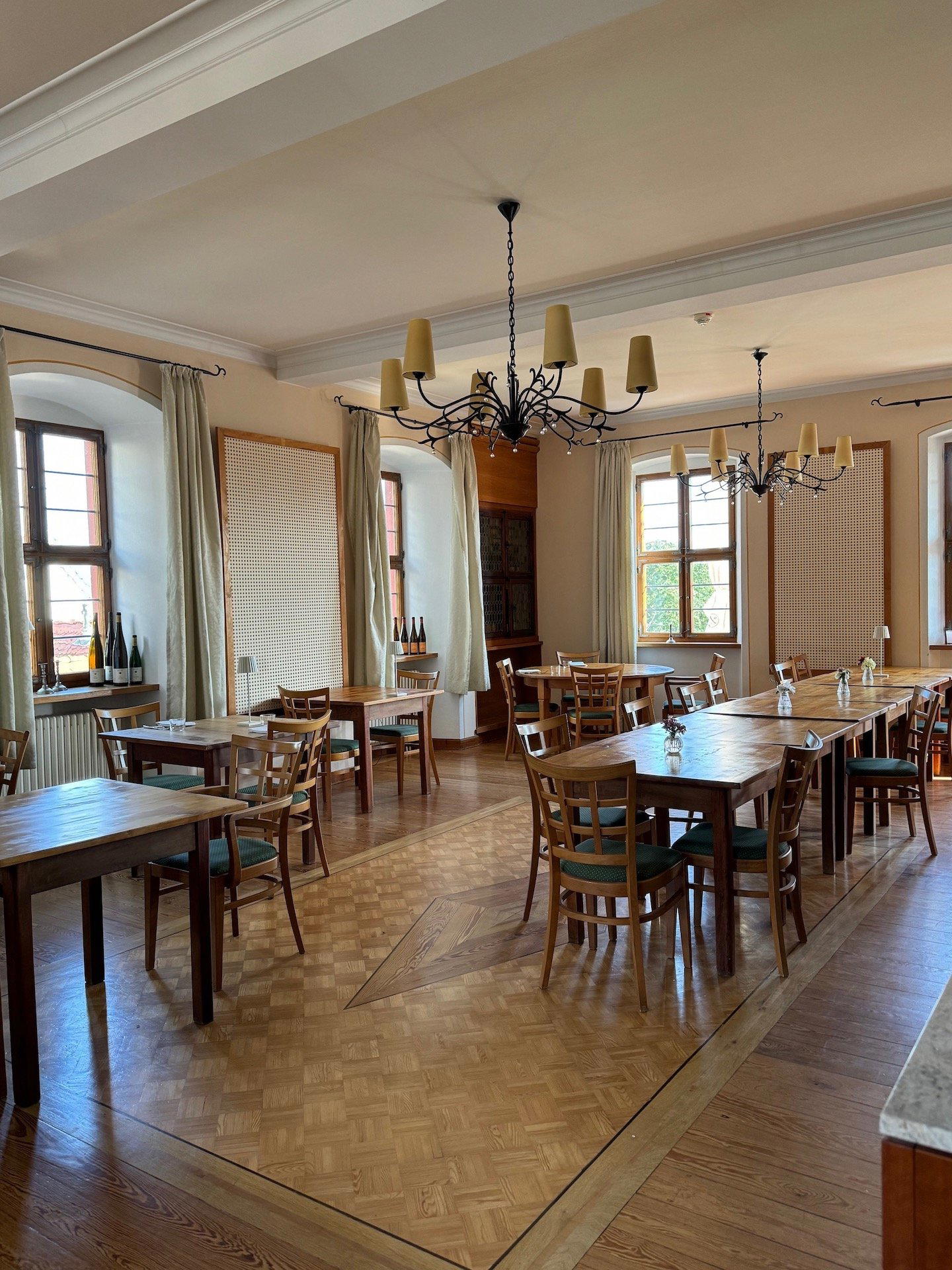
At a Glance
- Rustic
- Quiet
- Classic
- Scenic
- Cozy
- Solo Exploration
- Group Outing
- Special Occasion
- Historic Building
- Vineyard Tour
- Organic
- Sustainable
- Vineyard
- Mittelhaardt/deutsche Weinstraße
- Riesling
- Spätburgunder
- Dornfelder
- Chardonnay
- Weißburgunder
- Sauvignon Blanc
- Still White
- Still Red
- Still Rosé
- Sparkling
- By Appointment
- Cellar Tasting
Family-run, craftsmanship-driven winery atmosphere with a natural, origin-focused feel; the setting is shaped by limestone and clay soils in the Zellertal and lies directly on a cycling and hiking route.