Weingut Notz

Falstaff Winery - Listed
Weingut Notz is a small Württemberg winery in Sachsenheim with a direct, land-first identity: herbicide-free cultivation, manual work, and selection aimed at wines shaped by origin rather than cellar spectacle. The appeal is casual and practical, built around retail tasting and buying rather than a polished tourism format, with Lemberger, Trollinger, Sauvignon Blanc, still reds, still whites, and sparkling wine in the frame.

Pearl is the En Primeur Club membership app, where members save venues, book tables and use the concierge.

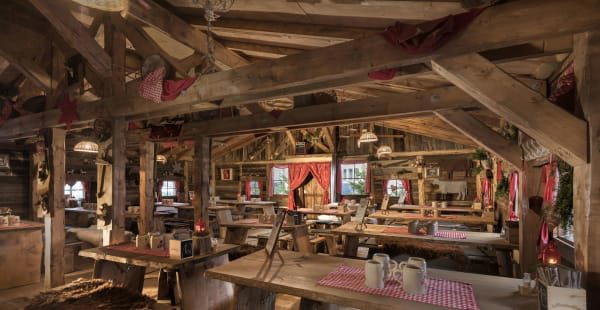
Approaching Weingut Notz in Sachsenheim calls for a quieter kind of expectation. The picture is not of a large hospitality complex or a heavily staged destination, but of a family-run winery with a modest on-site retail setting where visitors can taste and buy wine. Its appeal is grounded in the atmosphere: quiet, rustic, cozy, and slightly hidden-away rather than polished for spectacle.
For EP Club readers, that distinction matters. Weingut Notz should be understood first as a local winery experience in Sachsenheim, not as a venue defined by awards, named signature bottles, a formal dining component, or a published luxury tasting format. The useful facts are simpler and more practical: the price level is listed as $, the production ethos is described as nature-oriented and hands-on, and the on-site setup is modest and retail-focused.
Württemberg character without cellar theatrics
Weingut Notz is best framed as a small, grounded stop for travellers who want a direct encounter with a winery in Sachsenheim. The description points toward family operation, hands-on work, and a nature-oriented approach to production. That does not support claims about specific vineyard techniques, grape varieties, cellar methods, scores, or awards; it does support a more restrained reading of the place as a quiet working winery where the draw is proximity to the producer and the bottle.
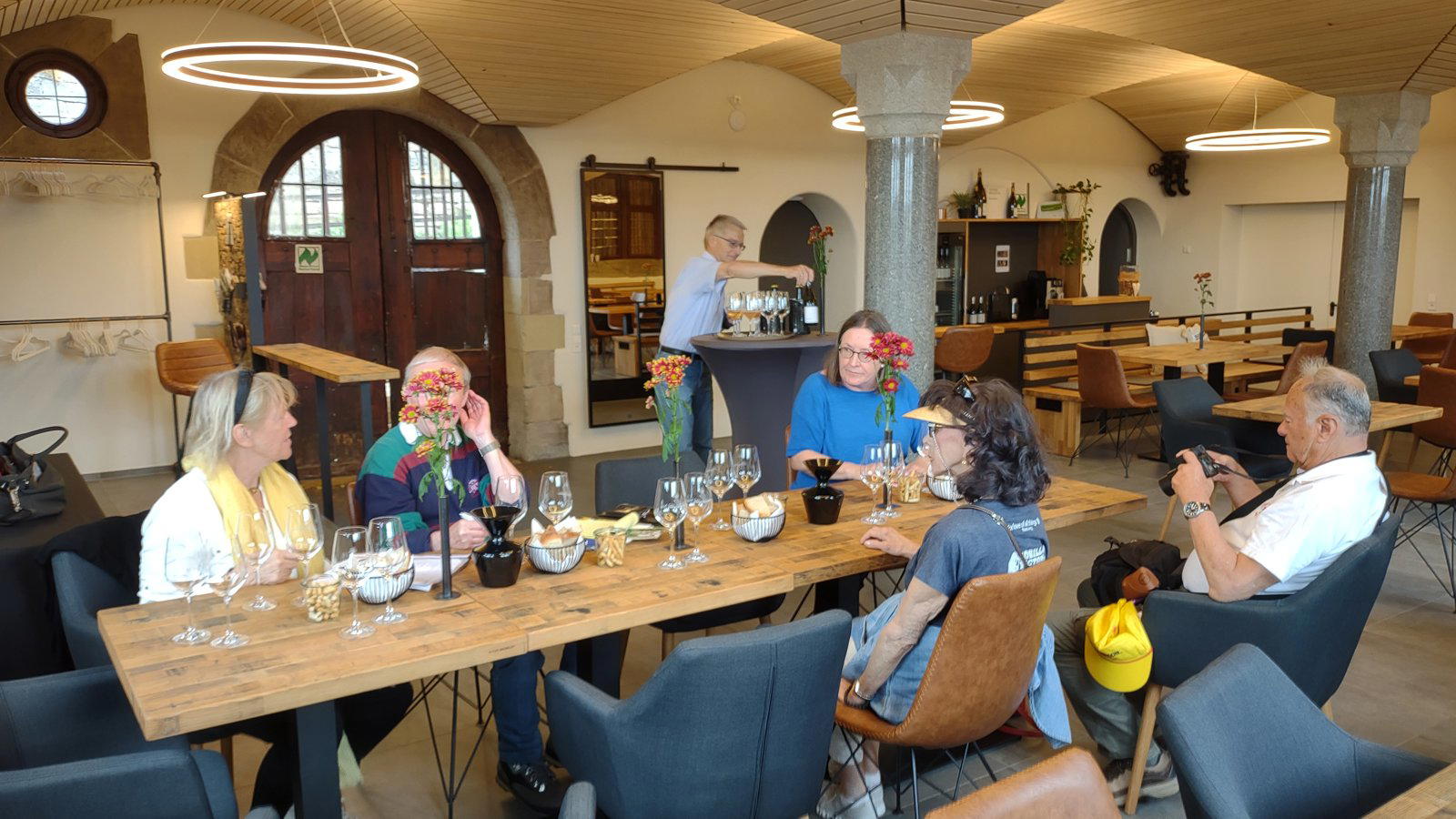
The atmosphere is part of the value. “Rustic” and “cozy” are more useful expectations here than “grand” or “formal.” A visit should feel closer to a practical retail-tasting stop than to a choreographed hospitality program. That makes Weingut Notz a better fit for visitors who appreciate understated local places and who are comfortable with a modest setting built around tasting and buying wine.
The $ price signal reinforces that grounded positioning. It is simply a general indication that Weingut Notz sits at an accessible price level within the EP Club guide. The venue’s appeal is not based on luxury cues, but on a direct, local, low-key winery experience.
What the glass is being asked to show
That means the fairest way to describe the tasting experience is general rather than technical. Visitors should expect a winery context in which the conversation may naturally turn toward production approach, origin, and the character of the estate, but the page should not invent a portfolio or define a house style that has not been confirmed.
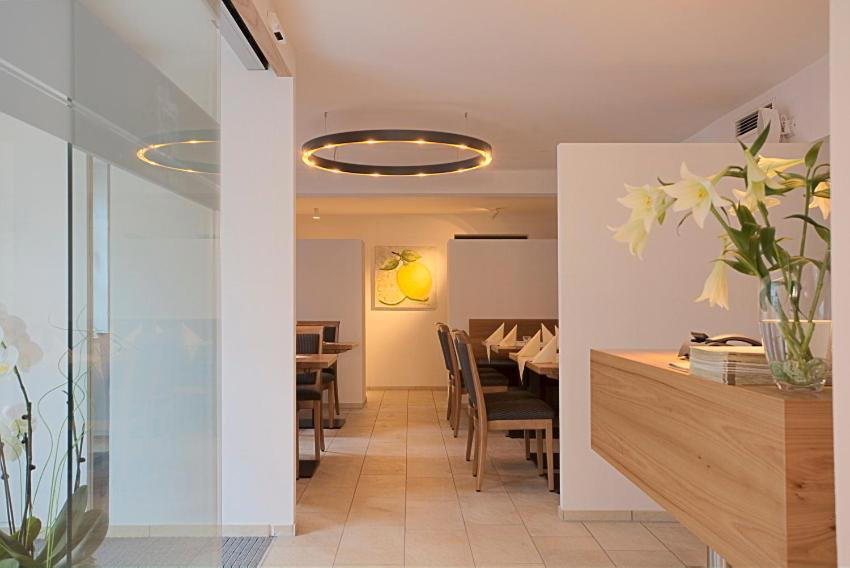
What can be said confidently is that Weingut Notz presents wine close to its source. The modest on-site retail setting is central: it is a place for tasting and buying wine rather than a venue for restaurant service, food pairings, elaborate tours, or a large hospitality program. For many travellers, that directness is the point. The experience is likely to be most rewarding when approached as a quiet producer visit, not as a full-service leisure destination.
This also affects how to read the venue’s recognition. Weingut Notz therefore should not be presented through trophy language. Its strongest signals are its family-run identity, nature-oriented production ethos, hands-on character, modest retail setting, and quiet rustic atmosphere in Sachsenheim.
How to place it within a Sachsenheim itinerary
Weingut Notz works well as a calm Sachsenheim stop for visitors who want to keep the route local and unhurried. Treat it as a winery retail-and-tasting visit, and confirm any time-sensitive details directly before making a special trip.
For nearby planning, keep the Sachsenheim lens tight. Other dining, lodging, bars, and experiences in Sachsenheim can round out the day, but Weingut Notz itself should remain the wine-focused anchor. The atmosphere suits travellers looking for a quiet rather than a high-profile stop built around spectacle.
Compared with more elaborate wine destinations, Weingut Notz is compelling precisely because the story is modest. It is family-run, nature-oriented, hands-on, and set up for tasting and buying wine on site. That makes it a useful address for visitors who value directness, rustic comfort, and a local Sachsenheim setting over luxury staging or prestige claims.
Recognition history
Dated appearances from independent guides and award organizations, with the underlying list record or original source where available.
Falstaff Winery - Listed
Falstaff
Continue exploring
More in Sachsenheim
Wineries in Sachsenheim
All wineries in Sachsenheim →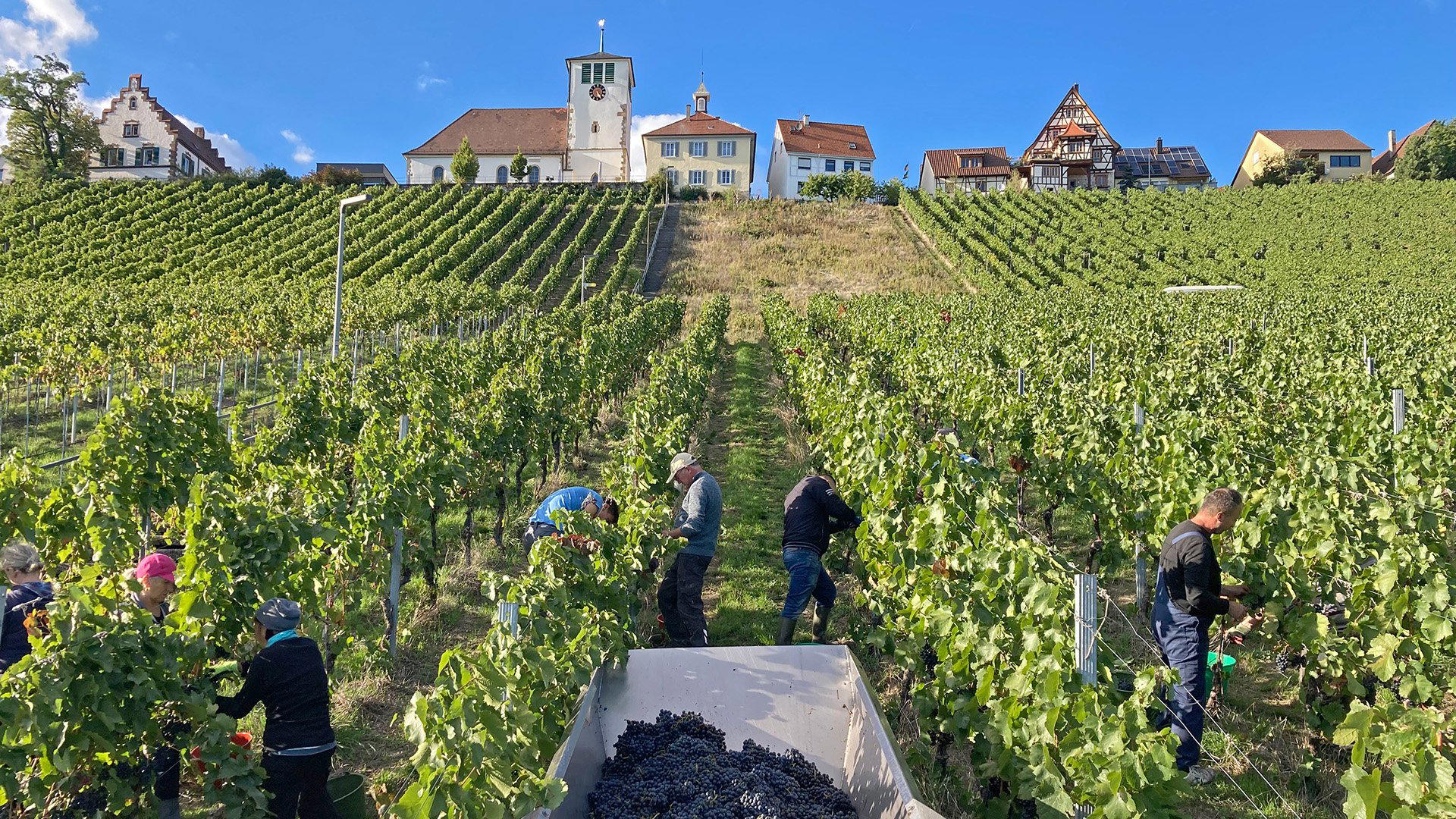
Bars in Sachsenheim
Browse all →
Restaurants in Sachsenheim
Browse all →

Details
- Quiet
- Rustic
- Cozy
- Wine Education
- Solo Exploration
- Special Occasion
- Sustainable
- Lemberger
- Trollinger
- Sauvignon Blanc
- Still Red
- Still White
- Sparkling
- Wine Tasting
- Retail Tasting
A family-run winery with a nature-oriented, hands-on production ethos and a modest on-site retail setting for tasting and buying wine.