
A South Styrian mountain estate in Kitzeck im Sausal, Weingut Michi Lorenz reads through altitude, schist, and biodynamic farming rather than polish or scale. The wines sit firmly in the natural-wine conversation: hand-harvested fruit, spontaneous fermentation, minimal sulfur, and no fining or filtration, with Sauvignon Blanc carrying much of the terroir argument.
Pearl is the En Primeur Club membership app — saves, bookings, and concierge access live there. Same editors, same standards.
- Address
- Kitzeck, Southern Styria, Styria, Österreich
- Directions
- Get directions
 Saves & bookings on Pearl
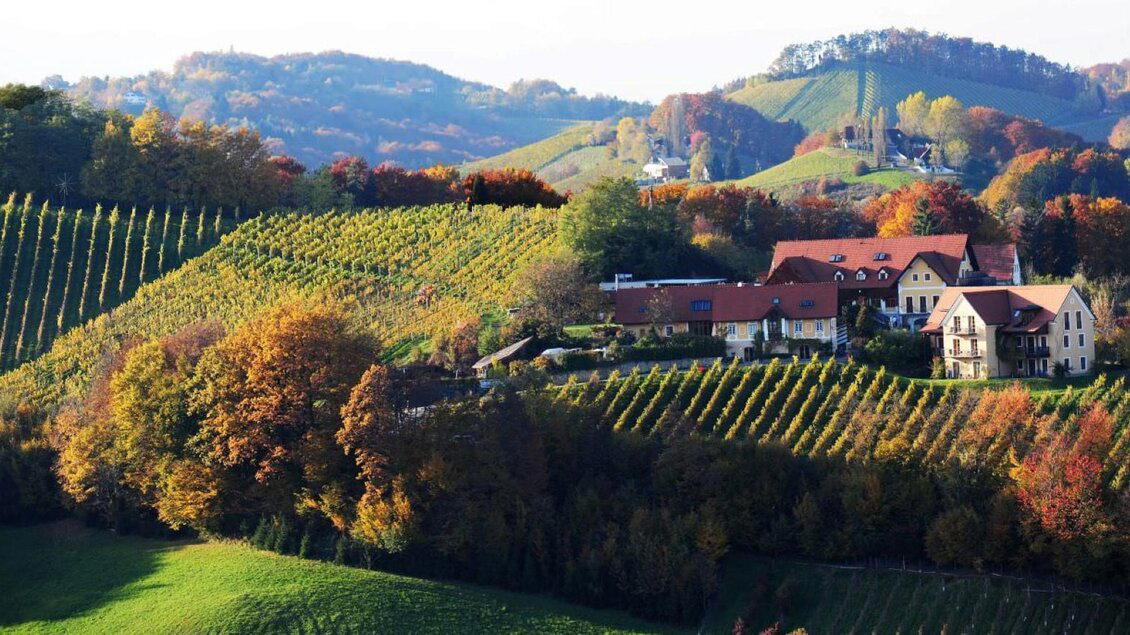
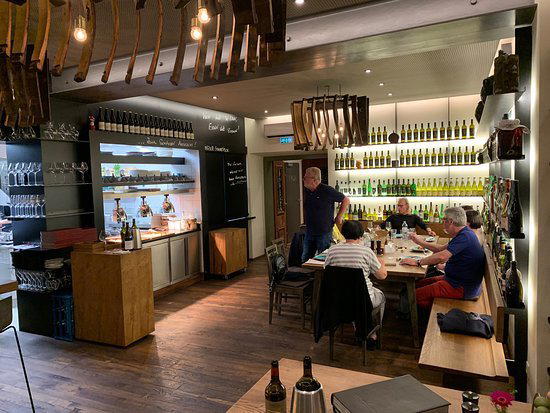
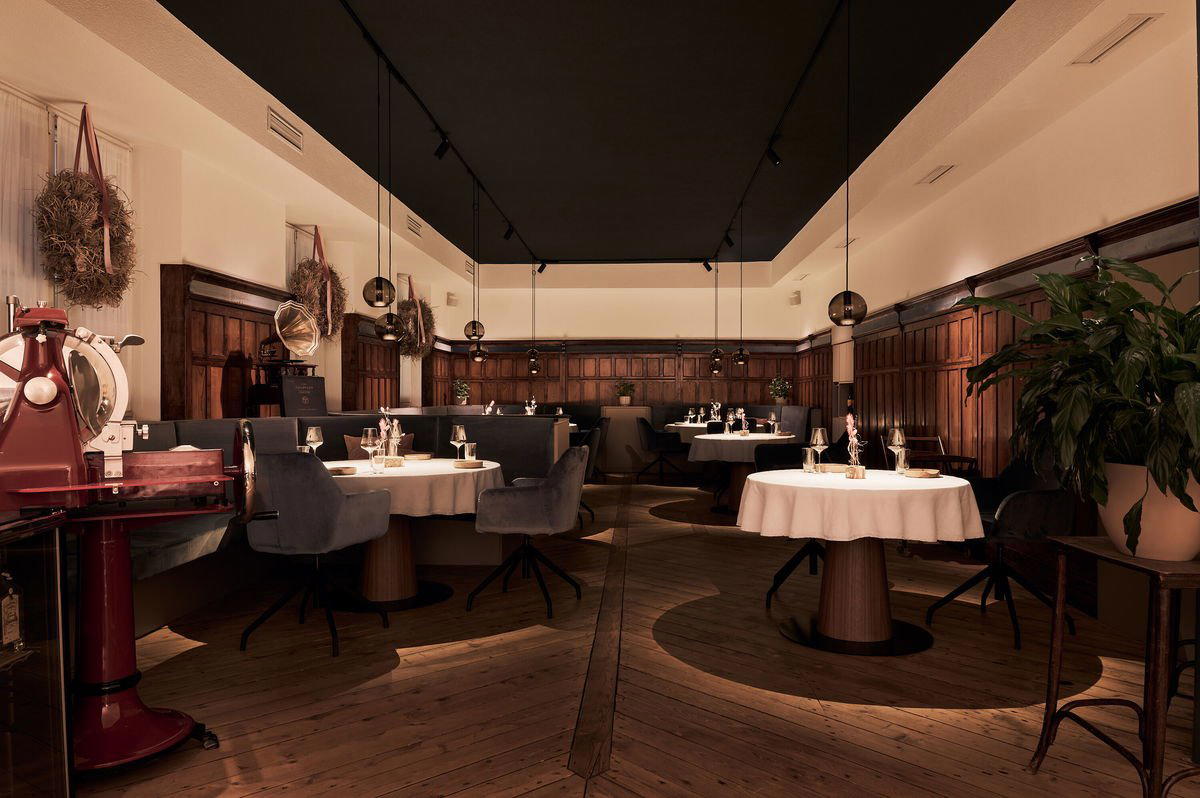
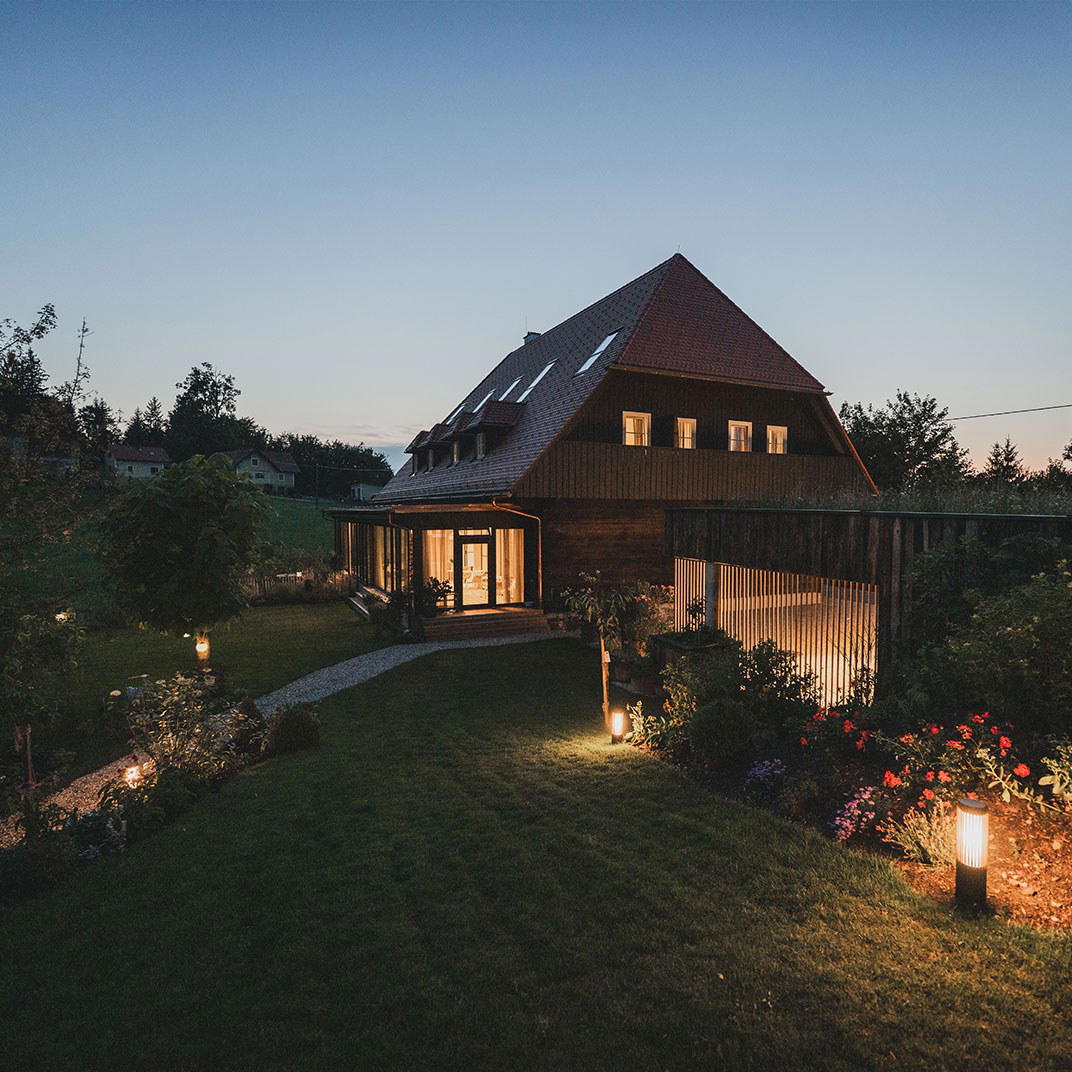
Weingut Michi Lorenz in Kitzeck is best introduced through atmosphere rather than through a long list of technical claims. The picture is rural, handcrafted, and terroir-driven: a calm mountain-farm setting shaped by steep vineyards, schist soils, and a natural-wine ethos. For travelers looking for a polished urban tasting room, that description points in a different direction. This is the kind of place to read as scenic, rustic, quiet, cozy, and somewhat hidden, with the landscape doing much of the explaining.
Because the confirmed information is limited, it is important not to overstate what is publicly here. Specific grape varieties, vineyard sizes, certifications, cellar methods, tasting formats, opening hours, food pairings, seat counts, and individual wine names should not be treated as confirmed unless checked directly with the estate. What can be said with confidence is narrower but still useful: Weingut Michi Lorenz belongs to a Kitzeck context where steep vineyard terrain, schist, and a natural-wine sensibility are central to the appeal.
Schist, altitude, and the South Styrian argument for Sauvignon Blanc
A reliable way to frame Weingut Michi Lorenz is through place. The description emphasizes steep vineyards and schist soils, which means the visit should be understood as terrain-led rather than branding-led. The surrounding mountain-farm atmosphere gives the estate a calm, grounded character, and the mood is closer to a quiet rural stop than to a high-gloss hospitality venue.
That does not justify naming specific cuvées, vineyard parcels, fermentation choices, or grape-by-grape conclusions without separate confirmation. Instead, the safer reading is broader: this is a terroir-driven Kitzeck venue where soil, slope, and a natural-wine ethos are part of the identity. Guests interested in wine regions, farming landscapes, and small-scale rural atmosphere are more likely to understand the appeal than visitors seeking a standardized, city-style experience.
The schist reference is especially important because it anchors the estate in a geological rather than purely decorative idea of scenery. “Scenic” here should not be reduced to a view; it is part of how the venue’s identity is presented. The steep vineyard setting, rustic calm, and handcrafted mood all point toward a place where the physical environment is central to the experience.
Natural wine here is an agricultural position, not a cellar shortcut
The profile includes a natural-wine ethos, but it does not confirm the technical details that are often attached to that phrase. For that reason, it would be inaccurate to claim specific certification, sulfur use, filtration choices, fermentation vessels, harvest methods, or cellar protocols without direct evidence. The more accurate statement is that winery is presented as a terroir-driven Kitzeck venue with a natural-wine orientation and a handcrafted rural character.
That distinction matters. “Natural wine” can be used loosely, and a careful venue guide should not turn a general ethos into a checklist of production claims. At the winery, the grounded points are the calm mountain-farm atmosphere, the steep vineyards, the schist soils, and the quiet, rustic, hidden-gem feeling. Those details are enough to signal the type of visit without inventing a cellar narrative.
For readers, the practical takeaway is simple: approach the estate as a place where landscape and mood are central. If your interest depends on specific production methods, particular bottles, tasting availability, dietary arrangements, or group services, confirm those details directly before planning around them. The information supports a strong sense of place, but not a full technical dossier.
How to read the visit: quiet hillside hospitality, education, and regional context
As a visitor experience, the winery should be understood as quiet, scenic, rustic, and cozy. The atmosphere suggests a calm rural stop rather than a loud social venue. Its appeal is likely strongest for travelers who want Kitzeck’s vineyard landscape, mountain-farm feel, and schist-soil context to shape the visit.
Price is listed as $$, which places it in a moderate bracket for guide purposes. Those details should be checked with the winery before a visit.
The combination of steep vineyards, schist soils, natural-wine ethos, and calm mountain-farm atmosphere is the core reason to keep it on a shortlist.
Recognition history
Dated appearances from independent guides and award organizations, with the underlying list record or original source where available.
Falstaff Winery - Listed
Falstaff
Continue exploring
More in Kitzeck
Wineries in Kitzeck
Browse all →
Bars in Kitzeck
Browse all →
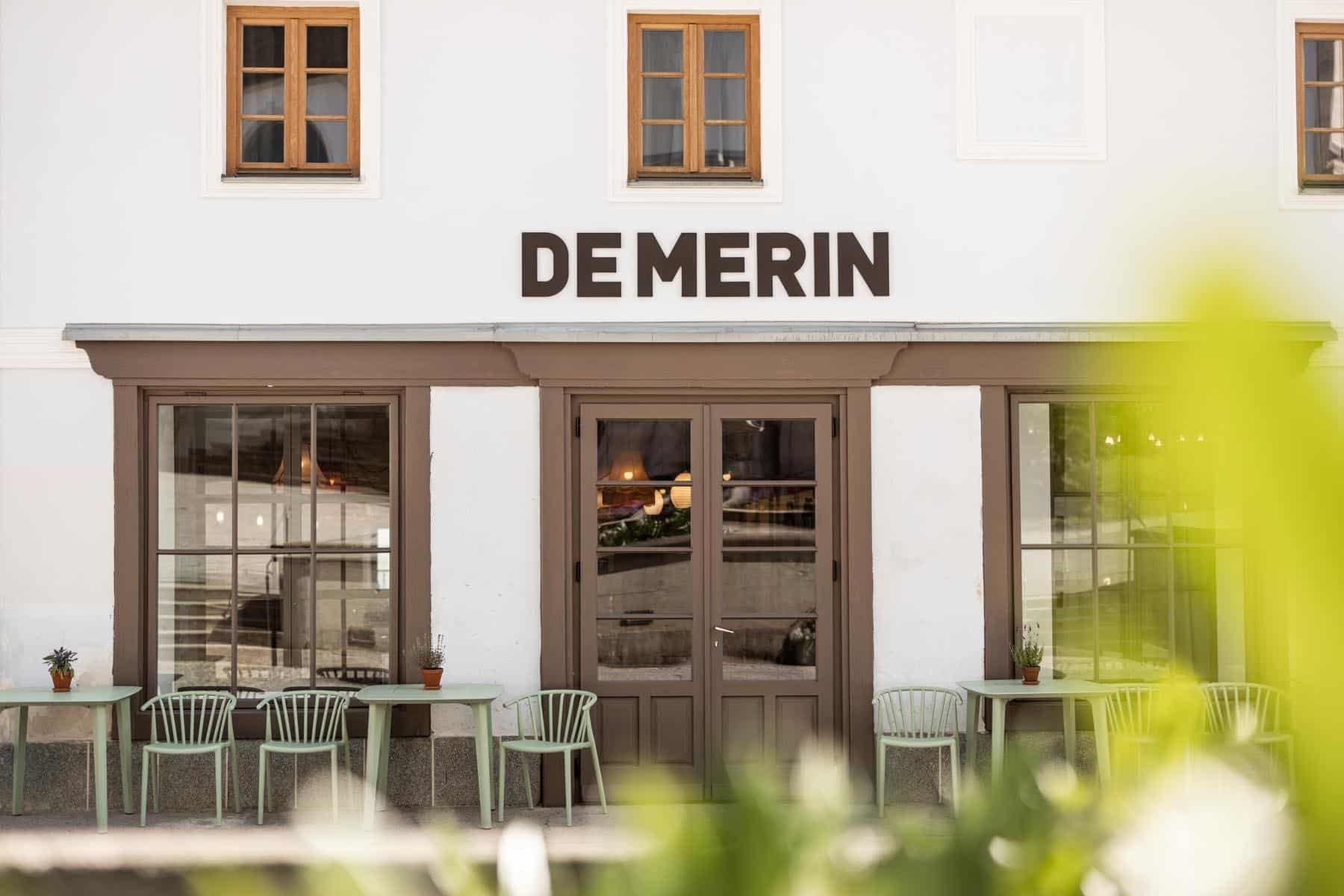
Restaurants in Kitzeck
Browse all →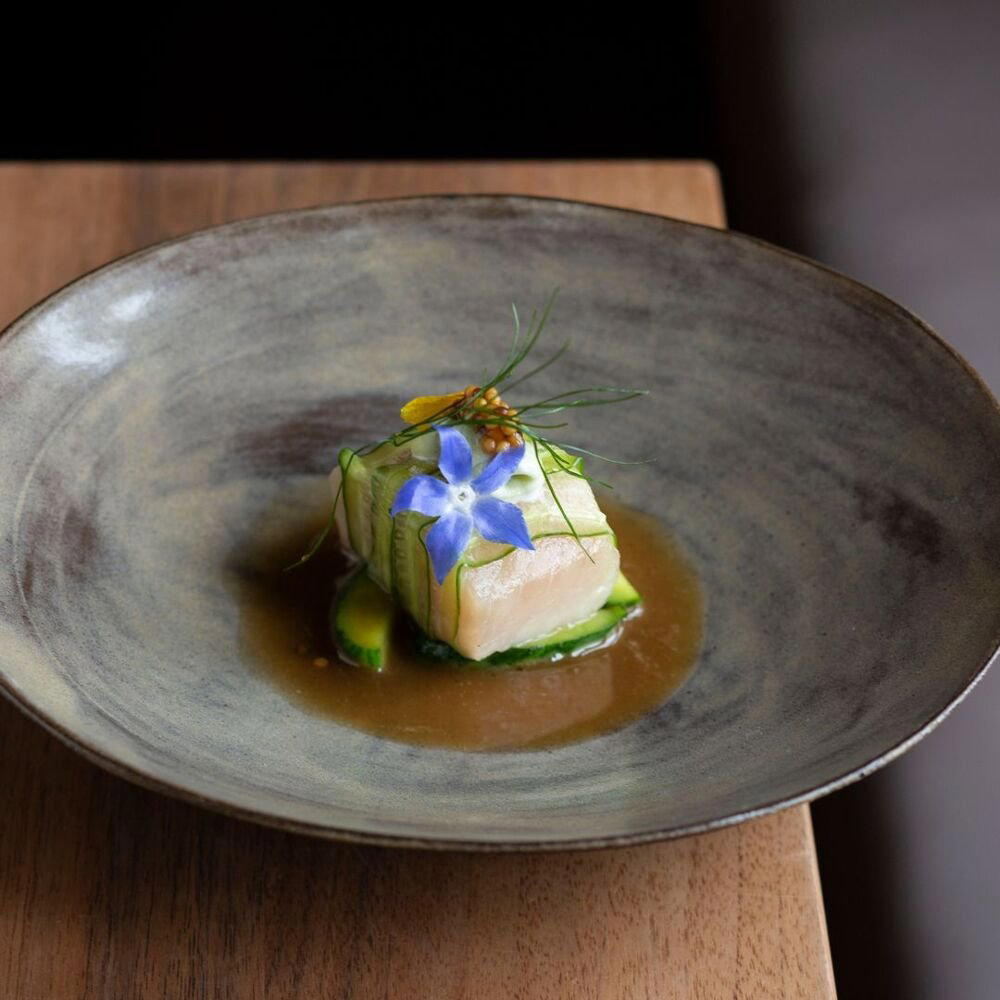
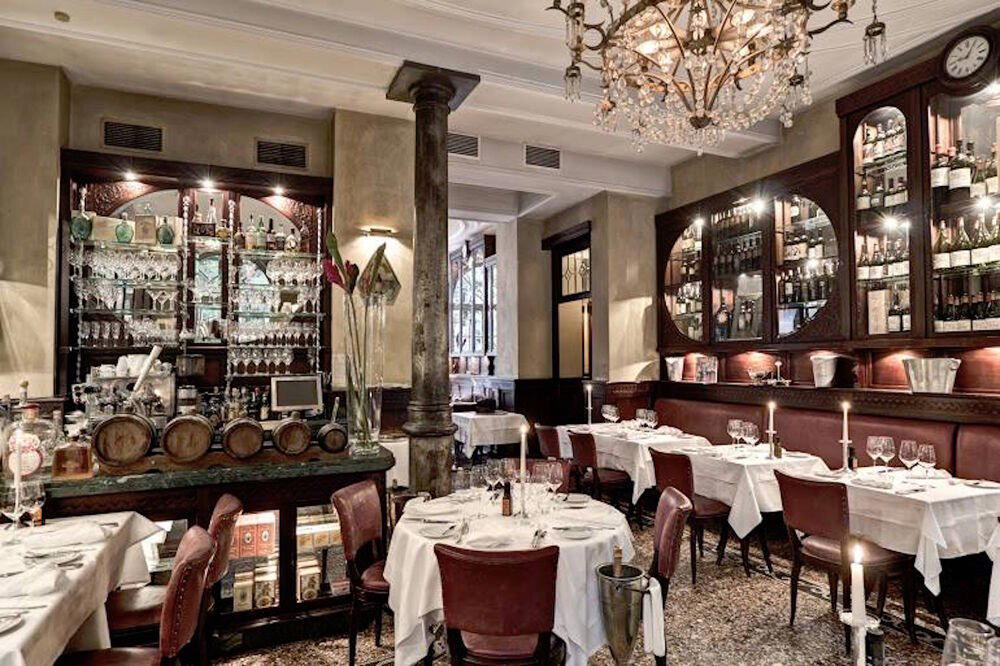
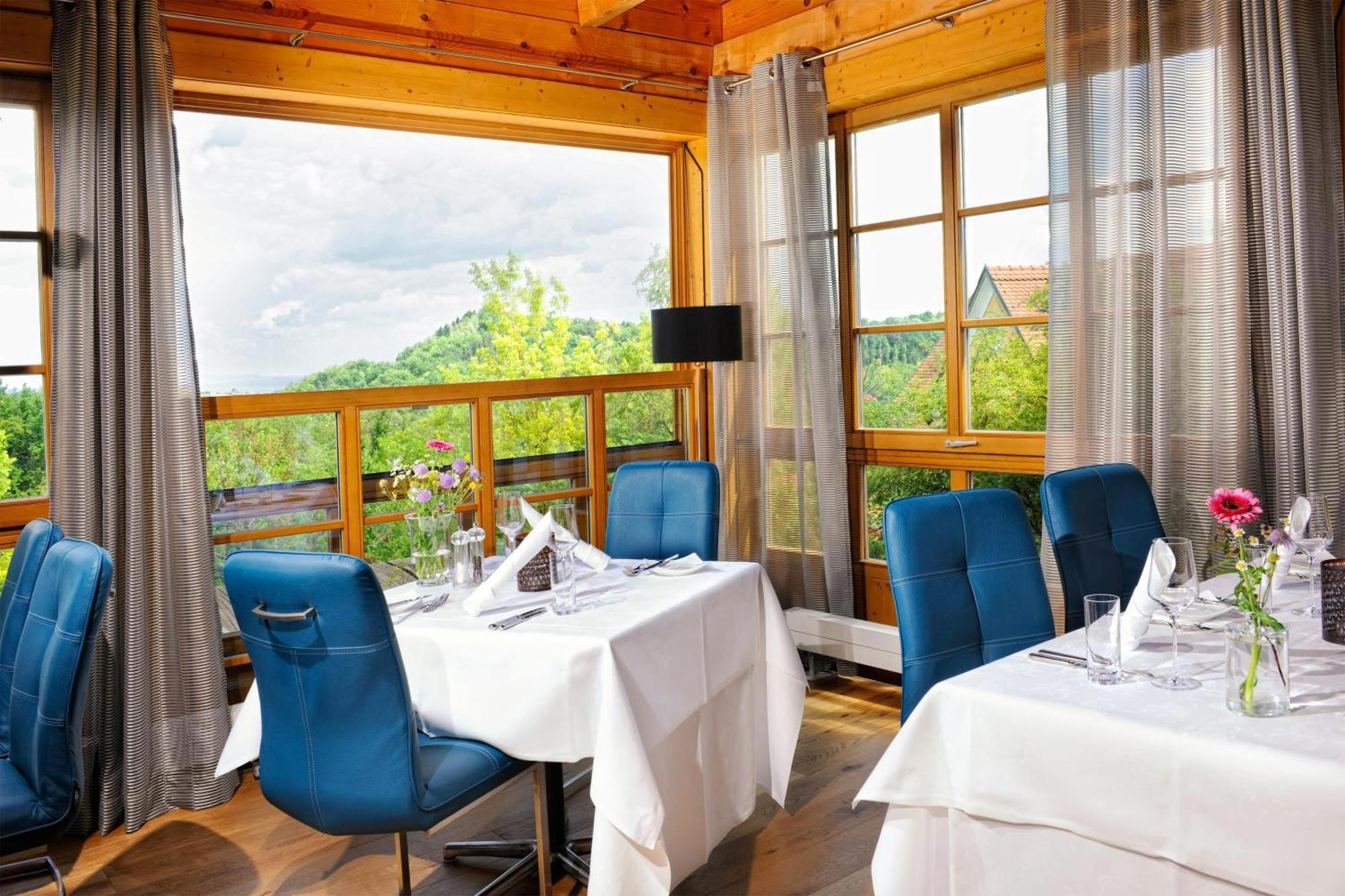
At a Glance
- Scenic
- Rustic
- Quiet
- Cozy
- Wine Education
- Group Outing
- Family
- Special Occasion
- Vineyard Tour
- Estate Grounds
- Private Tasting
- Organic
- Biodynamic
- Mountain
- Vineyard
- Südsteiermark / Sausal, Styria
- Sauvignon Blanc
- Welschriesling
- Riesling
- Chardonnay
- Still White
- Still Red
- Skin Contact
- Guided Tasting
- Cellar Tasting
Rural, handcrafted, and terroir-driven, with a calm mountain-farm atmosphere shaped by steep vineyards, schist soils, and a natural-wine ethos.