Weingut Karl Schaefer

Weingut Karl Schaefer belongs to the classical Pfalz conversation: Riesling-led, site-conscious, and rooted in Bad Dürkheim’s limestone, loess, sandstone, and Haardt-influenced climate. The estate’s long family history, vaulted-cellar setting, and focus on dry and off-dry Riesling make it a serious stop for drinkers who care more about origin than spectacle.
Pearl is the En Primeur Club membership app — saves, bookings, and concierge access live there. Same editors, same standards.
- Address
- Bad Dürkheim, Pfalz (Palatinate), Rhineland-Palatinate, Deutschland
 Saves & bookings on Pearl
Weingut Karl Schaefer in Bad Dürkheim is best understood through the essentials: a historic, terroir-focused estate atmosphere, a classic manor house, renovated vaulted cellars, terraced vineyards, and surrounding forest influences. For readers using EP Club as a planning tool, the strongest confirmed picture is of a quiet, rustic, sophisticated wine-estate setting rather than a loud or entertainment-led stop.
The price indicator is listed as $$, which places Weingut Karl Schaefer in a moderate bracket for planning purposes. The practical takeaway is simple: treat the estate as a Bad Dürkheim wine-country venue whose appeal is rooted in atmosphere, architecture, vineyards, and landscape rather than in a published hospitality formula.
Historic estate atmosphere in Bad Dürkheim
The defining feature of Weingut Karl Schaefer is its atmosphere. The estate is described as historic, terroir-focused, classic, quiet, rustic, well-known, and sophisticated. That combination matters because it sets expectations before any deeper wine research begins. This is not framed as a high-design tasting lounge, a restaurant, a bar, or a performance-driven visitor attraction. It is framed as a wine estate with a traditional manor-house character and a setting shaped by vineyards and forest.
Renovated vaulted cellars are also part of the confirmed identity. Without adding dates, construction details, or technical cellar claims, that feature still says a great deal about the mood of the place. Vaulted cellars tend to signal continuity, age, and a slower wine-country rhythm. At the winery, they help support the sense of a classic estate environment in which architecture and landscape are central to the experience.
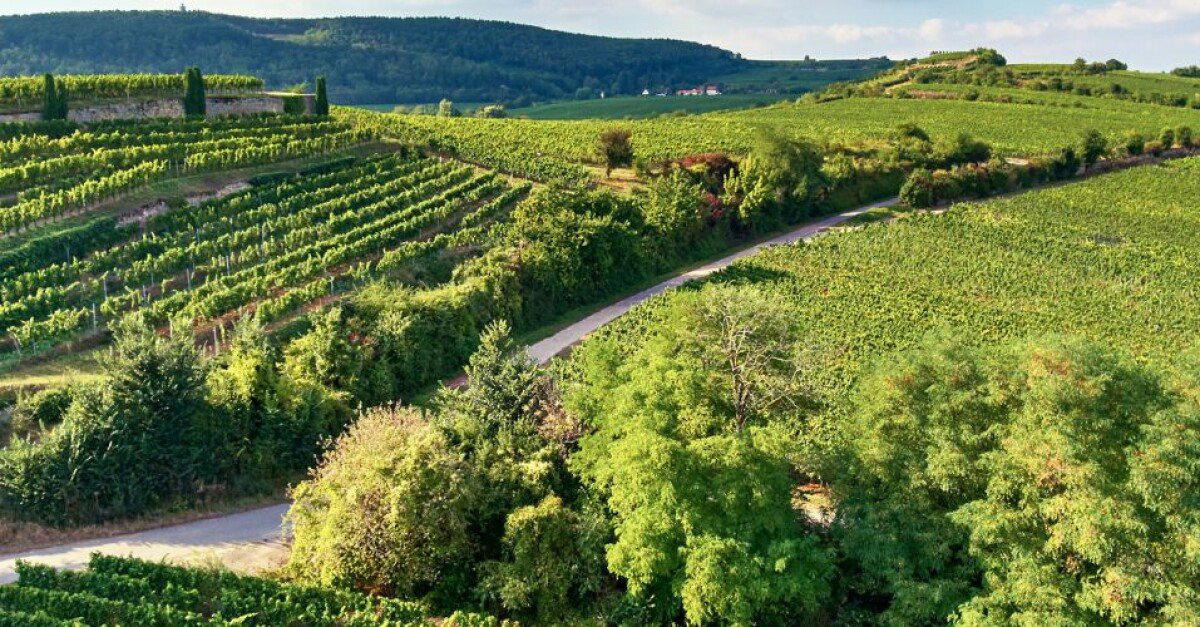
Surrounding terraced vineyards and forest influences provide the other grounded part of the story. What it can say is that the estate’s setting is explicitly connected to terraced vineyard land and the nearby forested landscape around Bad Dürkheim. For many visitors, that physical context is the main reason to put the estate on a local wine itinerary.
A quiet, rustic, sophisticated setting rather than a claims-heavy listing
There is no confirmed basis here for stating that winery is appointment-only, walk-in friendly, restaurant-like, tasting-menu focused, family-run from a particular year, organic, award-winning, or centered on any specific grape variety. Those may be topics to confirm directly with the estate or through current official sources, but they are not part of the exhaustive the available information.
That restraint is useful for readers. A thin but accurate listing is better than a polished profile built on unsupported specifics. The confirmed editorial case is still meaningful: the winery offers a historic wine-estate atmosphere in Bad Dürkheim, with a manor house, renovated vaulted cellars, vineyard terraces, and a landscape shaped by forest influences. Its tone is classic and quiet, with rustic and sophisticated elements rather than a purely modern hospitality identity.
For planning, the $$ price marker is the only pricing cue. It should not be converted into exact tasting prices, bottle ranges, minimum spends, or group rates. Similarly, the location should be treated simply as Bad Dürkheim, not as a street-level address or a named landmark location. If logistics matter, confirm current visit availability, access, opening times, and any tasting arrangements directly before traveling.
How to place it in a Bad Dürkheim wine itinerary
The winery works well as part of a Bad Dürkheim itinerary focused on atmosphere and landscape. The setting gives it a strong sense of wine-country character: historic estate architecture, cellars, terraces, and forest influence. Visitors comparing other dining or drinking options in Bad Dürkheim should think of this venue as a wine-estate stop rather than as a restaurant substitute, unless current information from the estate confirms otherwise.
The ideal way to approach the listing is to keep expectations grounded. Do assume a classic Bad Dürkheim estate mood, a quieter pace, and a setting where the physical relationship between manor house, cellar, vineyards, and surrounding landscape is central.
The editorial case for the winery is therefore concise but clear: choose it when the appeal is a historic, terroir-focused estate atmosphere in Bad Dürkheim. The confirmed strengths are not a headline award, a named chef, or a detailed hospitality program; they are the estate character, renovated vaulted cellars, terraced vineyards, forest-shaped surroundings, and a $$ planning cue.
Recognition history
Dated appearances from independent guides and award organizations, with the underlying list record or original source where available.
Falstaff Winery - 3 Stars
Falstaff
Continue exploring
More in Bad Dürkheim
At a Glance
- Classic
- Quiet
- Rustic
- Well Known
- Sophisticated
- Solo Exploration
- Group Outing
- Special Occasion
- Historic Building
- Estate Grounds
- Organic
- Sustainable
- Vineyard
- Mittelhaardt/deutsche Weinstraße
- Riesling
- Pinot Blanc
- Pinot Gris
- Pinot Noir
- Still White
- Still Red
Historic, terroir-focused estate atmosphere with a classic manor house, renovated vaulted cellars, and a landscape shaped by terraced vineyards and surrounding forest influences.