
Falstaff Winery - Listed
Weingut Jung & Knobloch gives Rheinhessen breadth a serious frame: 54 hectares, 21 grape varieties, more than 60 wines and sparkling wines, and a sustainability program that reaches from vineyard inputs to cellar energy use. The Albig estate is strongest as a study in place, where limestone, loess, clay, drifting sand, and family continuity shape a broad, tasting-led portfolio.

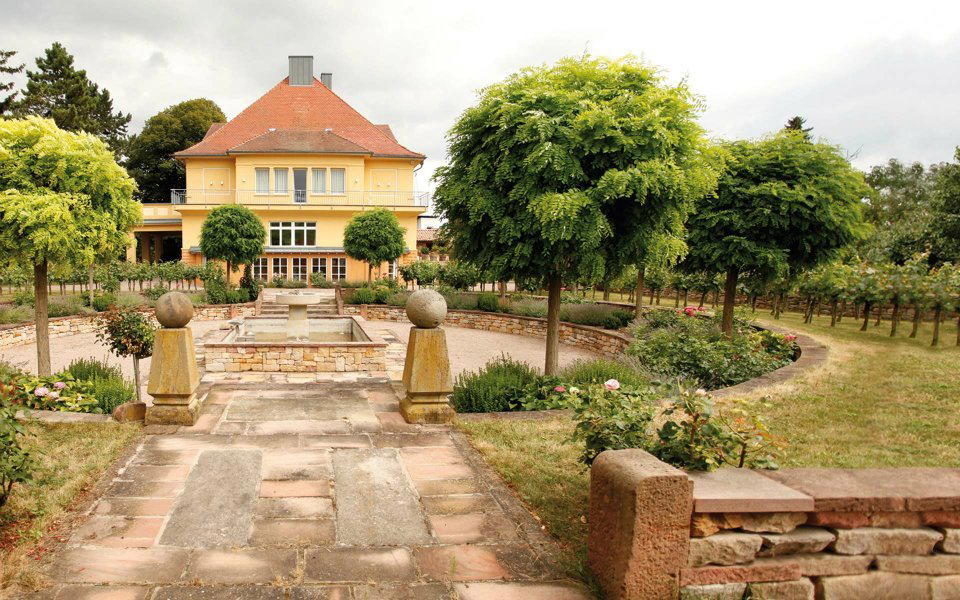
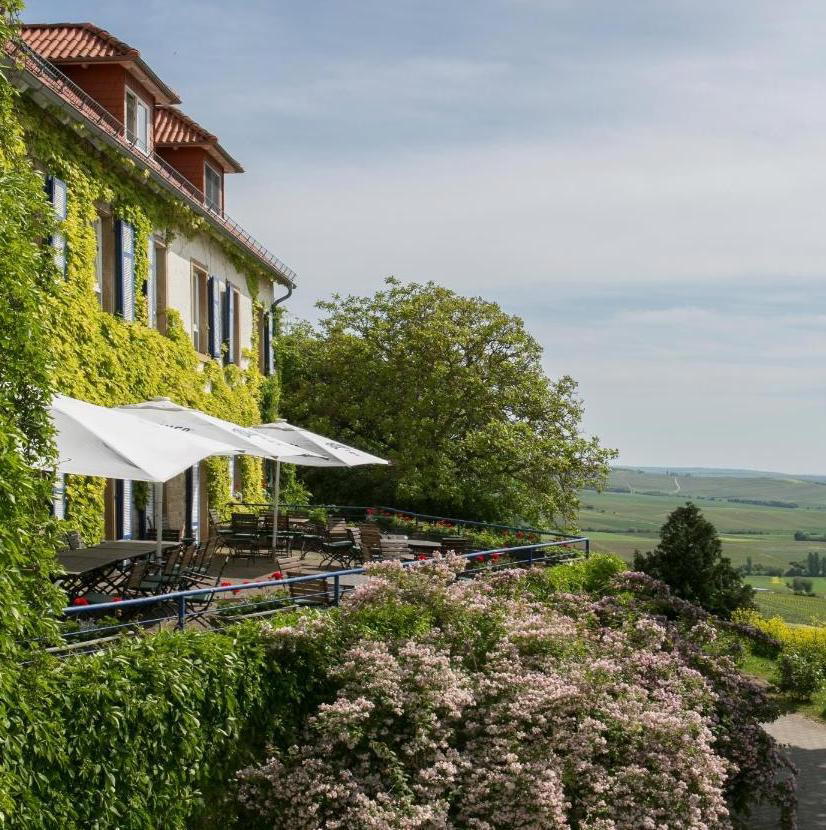
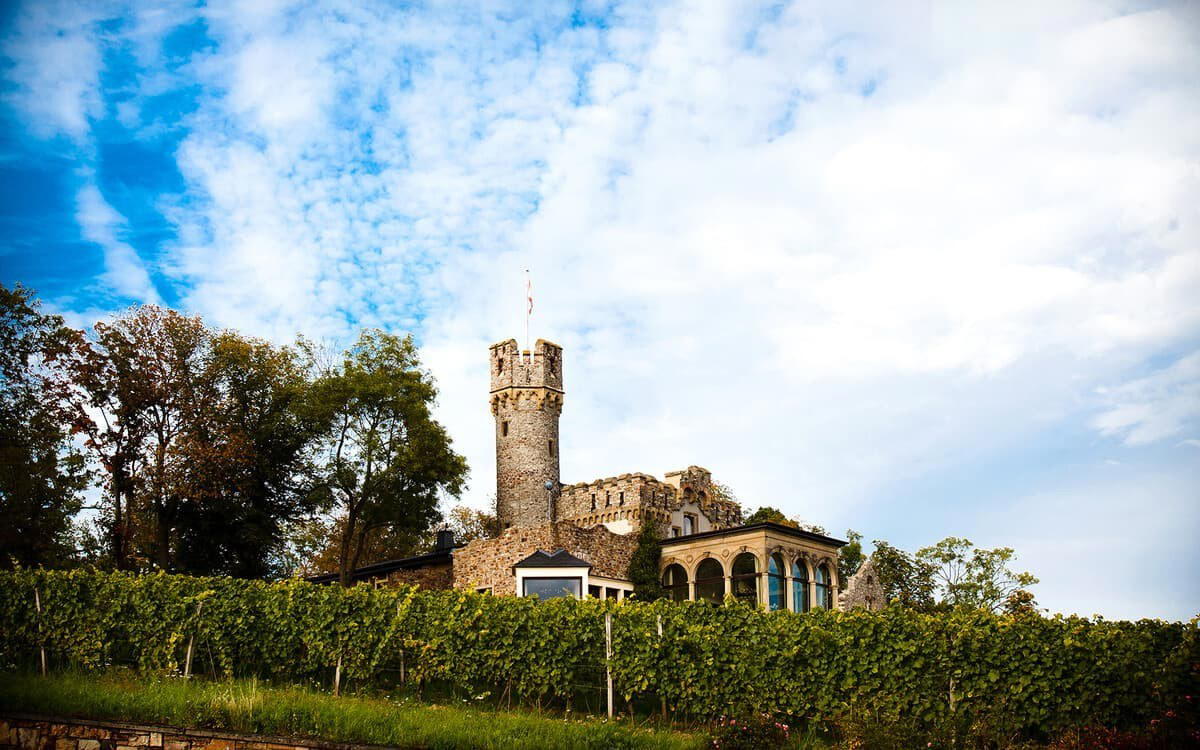
Weingut Jung & Knobloch in Albig is best presented as a wine estate rather than as a restaurant, bar, or conventional visitor attraction. The picture is deliberately simple: a tradition-rooted estate atmosphere, family heritage, an impressive cellar, and a setting that blends old and new. For readers using EP Club to decide whether it belongs on an Albig itinerary, the main reason to consider it is not a long checklist of services, awards, vineyard statistics, or menu details. It is the character of the place: a calm, high-quality production environment shaped by wine, cellar culture, and respect for people and nature.
That means no asserted grape list, no stated estate size, no named bottles, no quoted awards, no claimed tour format, and no promised food or hospitality program. What can be said with confidence is that Weingut Jung & Knobloch belongs to the wine-estate side of Albig: a place where heritage, production, and tasting form the relevant frame.
A tradition-rooted wine estate atmosphere in Albig
The strongest description of Weingut Jung & Knobloch is atmospheric rather than technical. It is associated with family heritage and a blend of old and new, which suggests an estate identity that does not rely only on nostalgia. The emphasis is on continuity, but also on a working environment that feels current and carefully maintained. For a visitor, that distinction matters. Some wine addresses are primarily retail points; others communicate a wider sense of production, cellar, and place. The profile here points toward the latter.
The impressive cellar is an important part of that identity. Without adding unsupported claims about tours, barrel counts, winemaking methods, or historic dates, it is still fair to say that the cellar helps define the setting. It gives the estate a deeper sense of wine culture than a simple sales counter would. The cellar also supports the estate’s overall mood: calm, grounded, and focused on quality rather than spectacle.
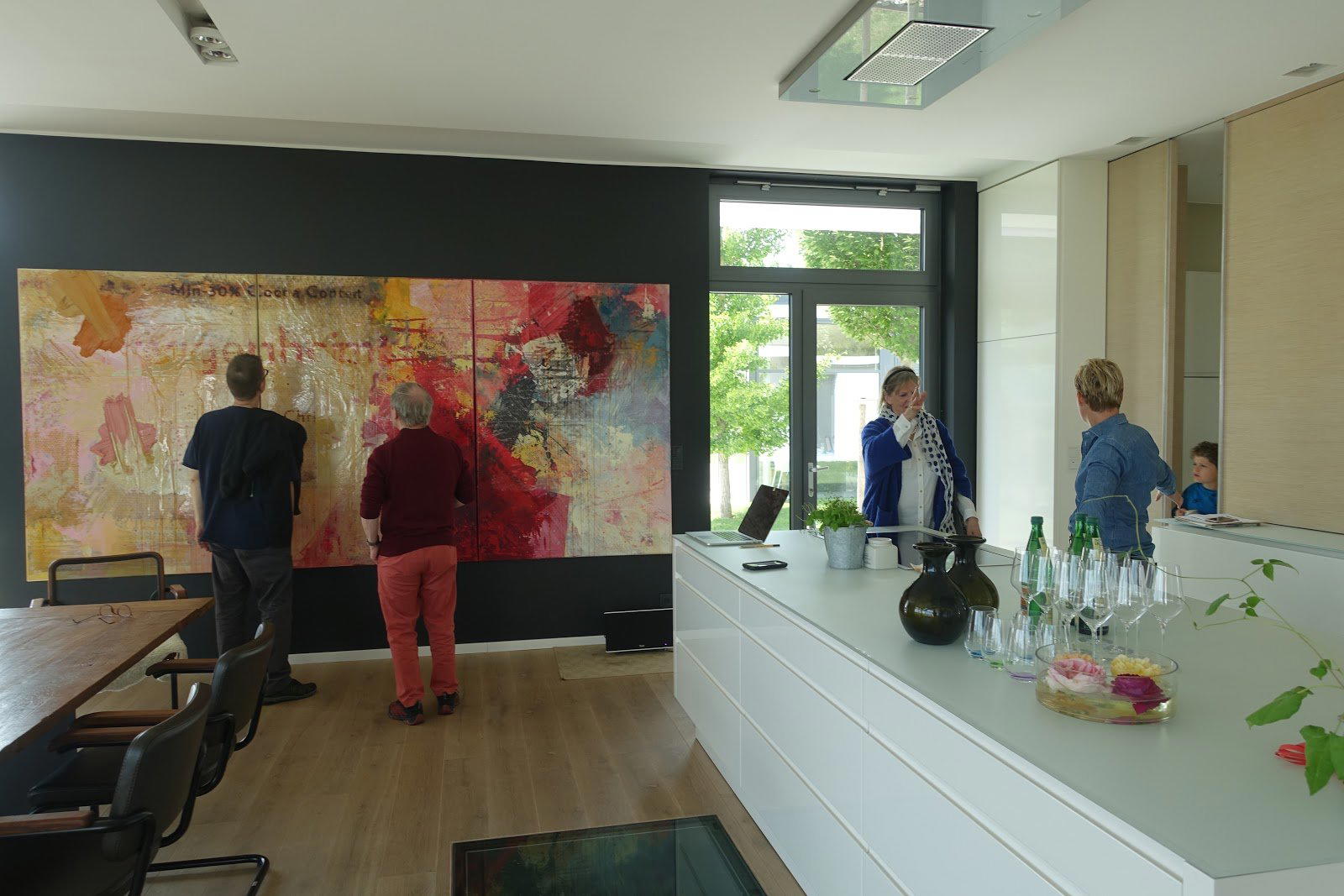
That makes Weingut Jung & Knobloch a useful stop for travelers who prefer a wine setting with context. The guide should not promise a particular sequence of service or a specific visitor format beyond the reference to a tasting. Still, the presence of a tasting is enough to frame the visit around direct engagement with the estate. Anyone planning around it should check current arrangements directly before going, especially if timing, group size, or a structured tasting matters.
Sustainability here is part of the estate identity
The description also emphasizes respect for people and nature. That is a broad statement, but it is meaningful when kept in proportion. It supports describing the estate as sustainability-minded and rooted in responsible production values. It does not, by itself, verify particular certifications, farming practices, energy systems, packaging choices, awards, or quantified environmental claims. Those details should not be asserted unless separately confirmed.
For EP Club purposes, the better editorial reading is that sustainability is part of the estate’s tone and self-understanding. The atmosphere is not described as glossy or performative; it is calm, high-quality, and production-oriented. That combination gives the venue its appeal. It suggests a wine estate where the experience is grounded in the work of making and presenting wine, rather than in a highly staged hospitality concept.
The family-heritage element also matters. It gives the estate a sense of continuity within Albig without requiring invented foundation dates, generational claims, or named owners. The language supports a picture of a place where tradition is visible, but not frozen. The blend of old and new is the key phrase: visitors should expect an estate that acknowledges its background while still operating as a contemporary wine producer.
A tasting-led estate for visitors who want a quieter wine stop
Weingut Jung & Knobloch is priced at $, which places it at the accessible end of EP Club’s price scale. That price marker should be read broadly, not as a promise of any particular tasting fee, bottle price, package, or menu.
The experience is best understood as tasting-led. The facts include a tasting, and the broader setting points to a wine estate with a cellar and production atmosphere. It is not appropriate to describe the venue as a restaurant, to list dishes, to claim lunch or dinner service, or to promise delivery, shipping, allergy accommodation, outdoor seating, or a fixed hospitality format. The honest recommendation is simpler: consider it if you want an Albig wine-estate visit centered on heritage, cellar atmosphere, and a calm production environment.
Within Albig, Weingut Jung & Knobloch can be considered alongside other local dining or wine-related stops in a general itinerary, but the venue’s own appeal is specific. It is not trying to be a broad leisure complex in the record; it is a wine estate with a tasting context, an impressive cellar, and a tradition-rooted identity. Travelers who value that kind of quiet, grounded setting are the right audience.
The editorial case for Weingut Jung & Knobloch is therefore clear but restrained. It is a sustainable, tradition-rooted wine estate in Albig with family heritage, a blend of old and new, an impressive cellar, and a calm, high-quality production environment. That is enough to make it relevant for wine-focused visitors, without adding unsupported claims about awards, vineyard scale, grape varieties, service style, or visitor amenities.
Frequently asked questions
What kind of setting is Weingut Jung & Knobloch?
It is a wine estate in Albig with a tradition-rooted atmosphere, family heritage, an impressive cellar, and a blend of old and new. The description emphasizes respect for people and nature, a calm production environment, and a tasting.
Where is Weingut Jung & Knobloch located?
Weingut Jung & Knobloch is located in Albig.
What's the price range for Weingut Jung & Knobloch?
Pricing at Weingut Jung & Knobloch is listed as $.
What's the defining thing about Weingut Jung & Knobloch?
The defining feature is its sustainable, tradition-rooted wine estate atmosphere: family heritage, an impressive cellar, a blend of old and new, and a calm, high-quality production setting built around wine and tasting.
Recognition history
Dated appearances from independent guides and award organizations, with the underlying list record or original source where available.
Falstaff Winery - Listed
Falstaff
Request a visit to Weingut Jung & Knobloch
Tell us when you would like to go and how many people, and we put the request to the estate and reply to you by email.
Continue exploring
More in Albig
Wineries in Albig
All wineries in Albig →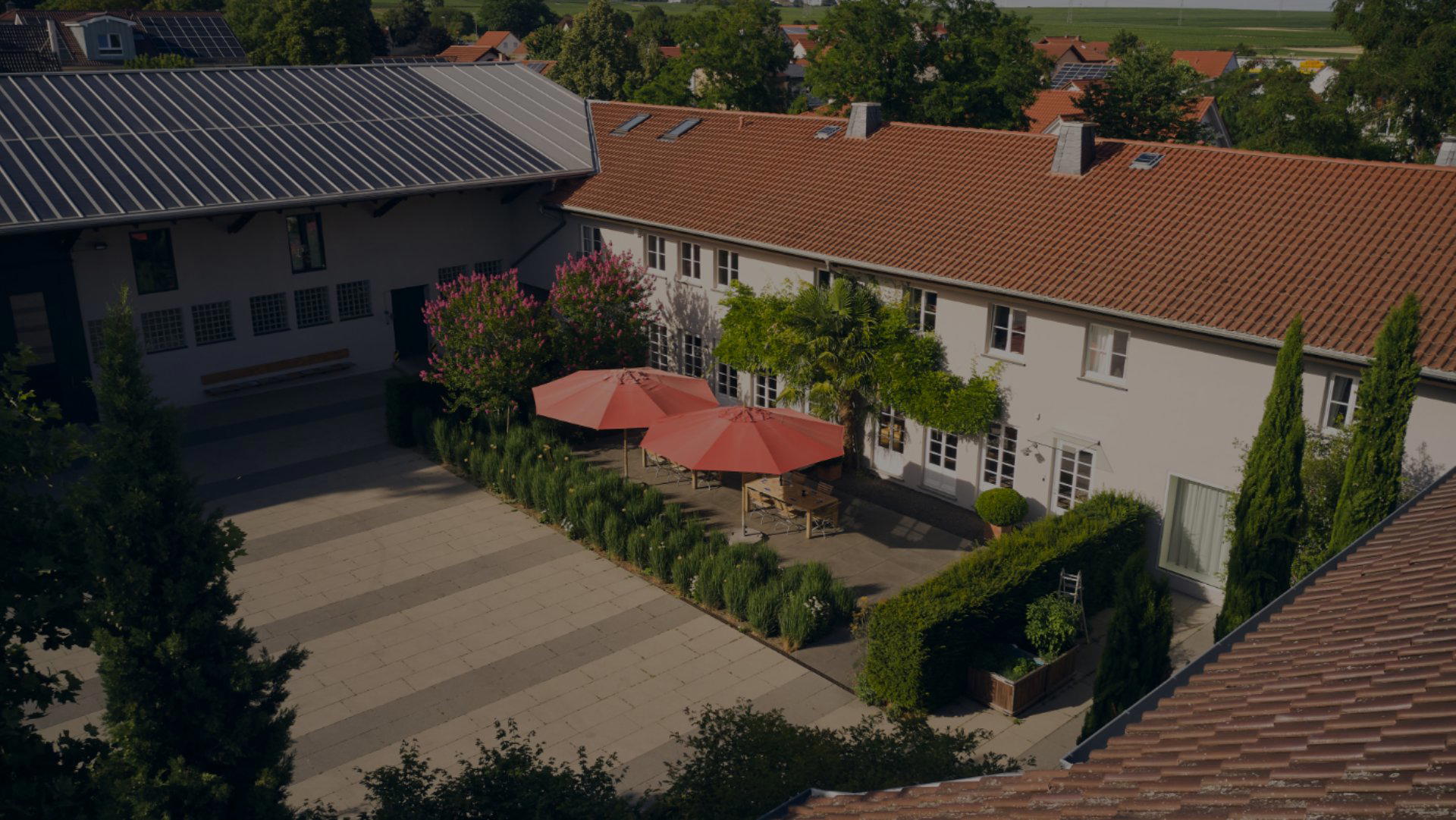
Bars in Albig
Browse all →
Details
- Classic
- Rustic
- Quiet
- Cozy
- Wine Education
- Group Outing
- Special Occasion
- Solo Exploration
- Cave Tasting
- Historic Building
- Design Destination
- Estate Grounds
- Sustainable
- Vineyard
- Riesling
- Scheurebe
- Bacchus
- Müller Thurgau
- Morio Muskat
- Portugieser
- Still White
- Still Red
- Sparkling
- Dessert
- Open Vinotheque
- Cellar Tour
- Wine Tasting
Sustainable, tradition-rooted wine estate atmosphere with an impressive cellar, family heritage, and a blend of old and new. The estate emphasizes respect for people and nature, with a calm, high-quality production environment and a tasting-focused visitor experience.