Weingut Isegrim

Weingut Isegrim is a small family-run Bioland estate in Bad Dürkheim, shaped by organic farming, biodynamic ideas and a cellar style that favors restraint over polish. Its 13 hectares in the Mittelhaardt/Deutsche Weinstraße lean strongly toward white varieties, with Riesling at the center and a portfolio that reads as fresh, herbal and site-conscious rather than showy.
Pearl is the En Primeur Club membership app — saves, bookings, and concierge access live there. Same editors, same standards.
- Address
- Bad Dürkheim, Pfalz (Palatinate), Rhineland-Palatinate, Deutschland
 Saves & bookings on Pearl
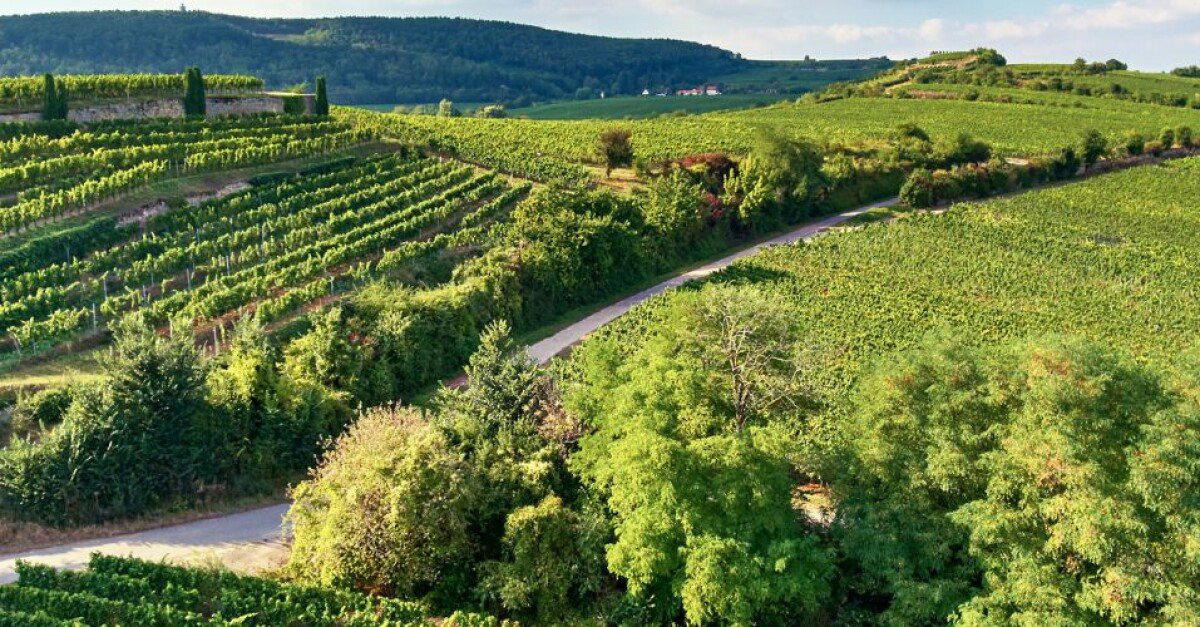
Weingut Isegrim is a Bad Dürkheim venue best understood through a quiet, nature-forward lens. The picture is not one of spectacle, formal luxury, or a heavily documented visitor program. Instead, the estate is presented as family-run, organic in atmosphere, and shaped by a low-intervention cellar identity. Its appeal rests on restraint: a rustic setting, a scenic and cozy feel, and a strong emphasis on balance, biodiversity, and wines made with a light hand.
For travelers researching Bad Dürkheim, that makes Weingut Isegrim a useful option when the goal is a calmer wine stop rather than a polished hospitality production. The available information supports a modest, hidden-gem impression: quiet, rural in mood, and closely tied to an organic, nature-forward way of thinking. What can be said with confidence is simpler: Weingut Isegrim is a $$ Bad Dürkheim estate with a rustic cellar atmosphere and a family-run identity centered on balance and biodiversity.
Organic Bad Dürkheim wine seen through a nature-forward lens
The strongest theme at the winery is its relationship to organic, low-intervention cellar culture. That does not require attaching certifications, dates, or technical claims. The grounded description is broader but still meaningful: the estate emphasizes wines made with a light hand and presents itself through a nature-forward, family-run identity. In practical terms, visitors should expect a place whose character is more rustic and quiet than glossy or highly staged.
This matters because many wine travelers are not only comparing labels; they are comparing atmospheres. Some venues feel designed around presentation, while others feel rooted in the cellar, the family, and the surrounding landscape. Its appeal is not built on a confirmed award, a famous chef, a detailed menu, or a named tasting format. It is built on a smaller set of confirmed signals: organic sensibility, biodiversity, balance, and a scenic, cozy setting.
Beyond that, no specific bottle range, tasting fee, or menu price. Readers should therefore treat the $$ marker as the only confirmed pricing guidance and check directly with the estate before planning around a particular cost, tasting structure, or purchase expectation.
What the atmosphere says about the visit
The description of the winery points to an experience shaped by mood and values more than by formal amenities. The words that define it are rustic, quiet, scenic, cozy, and. Those are useful expectations to set. This is the kind of address that should appeal to drinkers who prefer a calm cellar atmosphere and a sense of closeness to nature over a high-design room or a heavily choreographed service format.
Because no confirmed details are available here for seating capacity, opening schedule, appointment policy, food service, parking, tour languages, or accessibility, those specifics should be left open. The safest planning advice is to verify practical arrangements directly before going. That is especially important for any winery or estate visit where hours, tastings, and group policies can vary. The guide can confirm the overall identity, but it cannot responsibly invent logistics.
Within Bad Dürkheim, the winery can be considered alongside other local dining and drinking options in a general sense, but no named comparison is needed to understand its role. Its value is distinct enough: a family-run estate with an organic, low-intervention cellar atmosphere, a quiet rural mood, and a clear emphasis on balance and biodiversity. For visitors who prioritize those qualities, the venue offers a grounded alternative to more formal or commercially polished stops.
A cellar atmosphere for drinkers who care about balance
The winery is best framed as a place for guests who care about how wine culture feels as much as what appears on a list. They do support a coherent impression: this is a Bad Dürkheim estate with a low-intervention cellar atmosphere and a strong family-run, nature-forward identity.
That narrower framing is still valuable. In a premium venue guide, not every recommendation needs to rest on an elaborate tasting menu, a ranked accolade, or a long list of services. Sometimes the reason to go is the atmosphere itself: rustic, scenic, quiet, and grounded in an organic sense of place. The winery fits that kind of brief. It is a good match for travelers who prefer understated venues, who are drawn to biodiversity and balance as guiding ideas, and who want a cozy hidden-gem feel in Bad Dürkheim.
The key is to keep expectations accurate. Do not assume lunch, dinner, take-out, delivery, a formal tour, a particular wine style, or a fixed tasting format unless confirmed directly by the estate.
Recognition history
Dated appearances from independent guides and award organizations, with the underlying list record or original source where available.
Falstaff Winery - Listed
Falstaff
Continue exploring
More in Bad Dürkheim
At a Glance
- Rustic
- Quiet
- Scenic
- Cozy
- Wine Education
- Special Occasion
- Group Outing
- Historic Building
- Vineyard Tour
- Private Tasting
- Organic
- Biodynamic
- Vineyard
- Mittelhaardt/deutsche Weinstraße
- Riesling
- Chardonnay
- Pinot Blanc
- Auxerrois
- Pinot Noir
- Dornfelder
- Still White
- Still Red
- Sparkling
- Still Rosé
- By Appointment
- Wine Tasting
Organic, low-intervention cellar atmosphere with a strong nature-forward, family-run identity; the estate emphasizes balance, biodiversity, and wines made with a light hand.