
Weingut Hirschhof is a small, family-run organic winery in Westhofen, framed by Rheinhessen’s Wonnegau and a portfolio that reaches across Riesling, Sauvignon Blanc, Muscat, Pinot Noir, still wines and sparkling. Its strongest public marker is a Gold result for a 2016 organic dry Sauvignon Blanc at the 2017 Frankfurt International Trophy, which gives this quiet estate a concrete point of reference beyond rustic charm.
Pearl is the En Primeur Club membership app — saves, bookings, and concierge access live there. Same editors, same standards.
- Address
- Westhofen, Rhine Hesse, Rhineland-Palatinate, Deutschland
- Directions
- Get directions
 Saves & bookings on Pearl
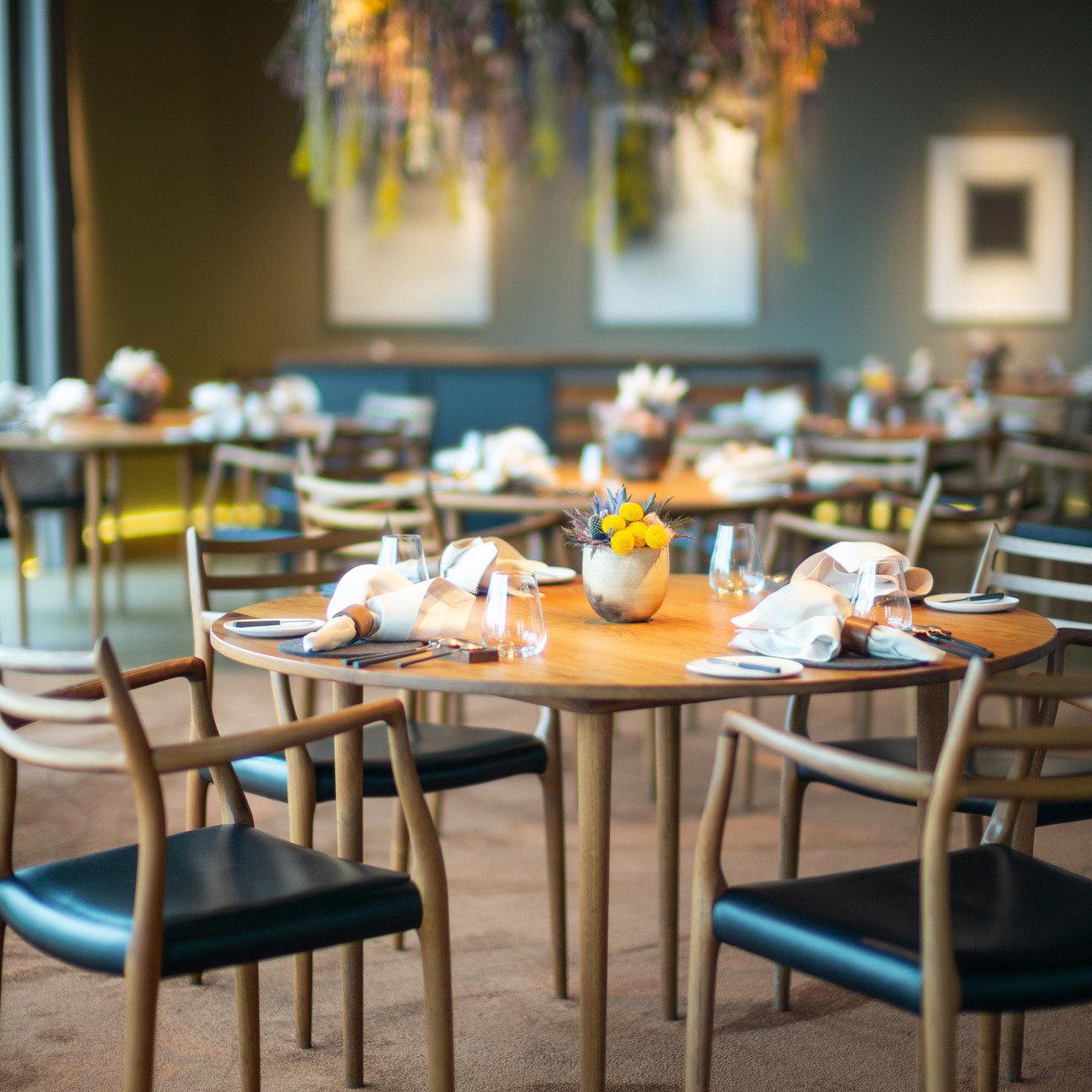
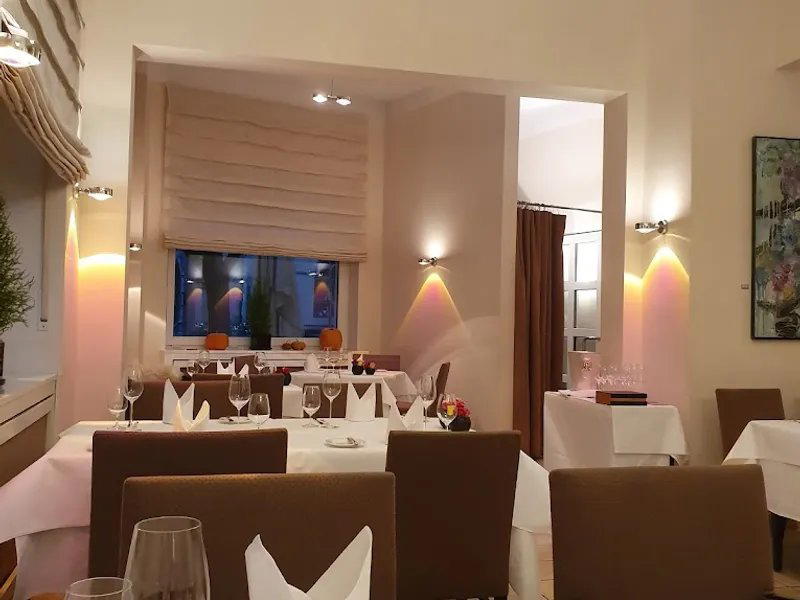
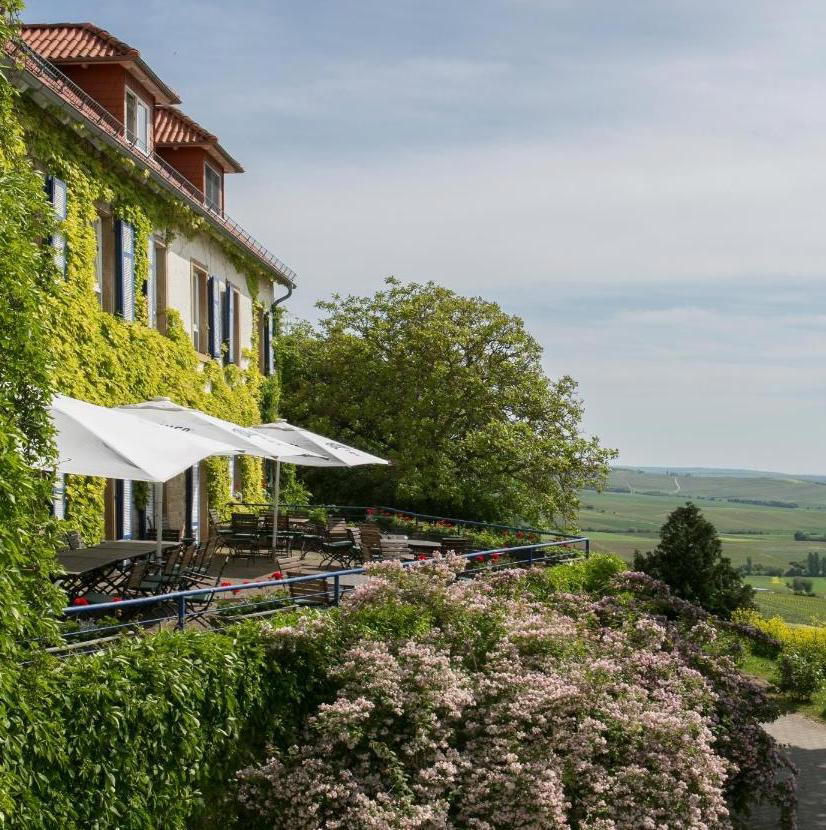
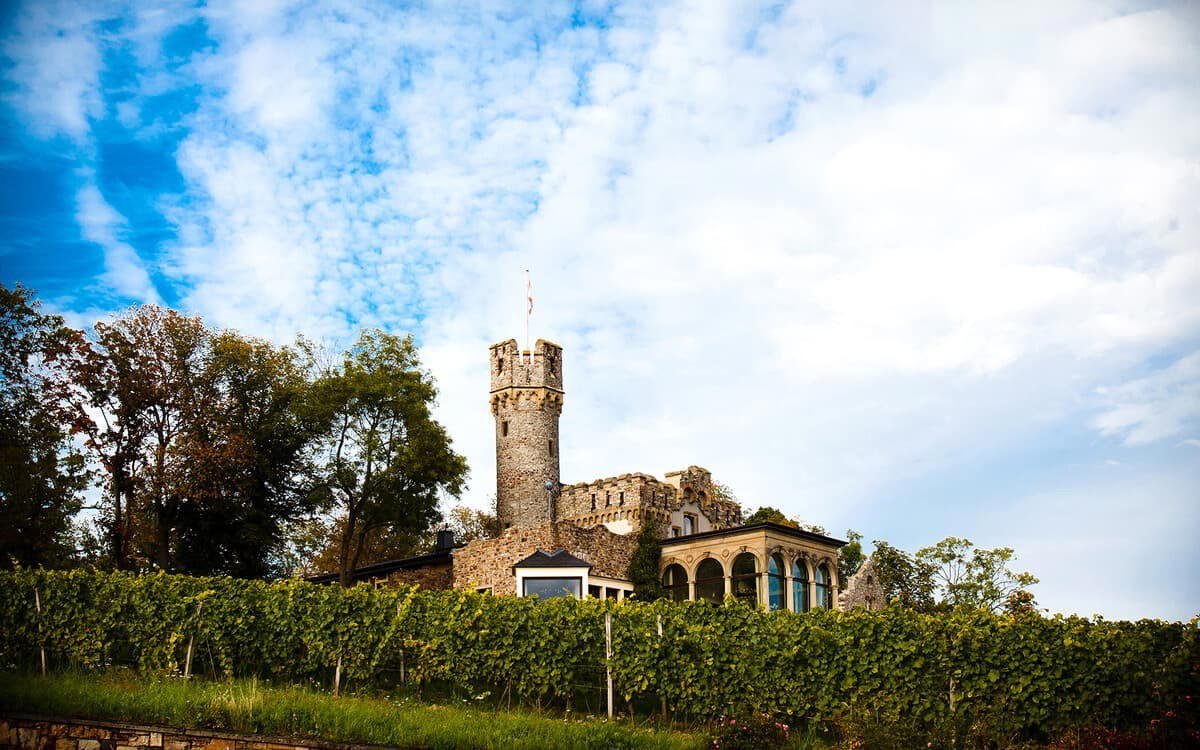
Westhofen’s wine country does not need theatrical cellar-door drama to make a strong impression. The appeal can be quieter: estate courtyards, old working buildings, a rural rhythm and visits shaped by growers rather than by destination-hospitality spectacle. Weingut Hirschhof fits that register. The picture is of an organic family winery in Westhofen, with a traditional estate atmosphere and on-site tastings associated with the Gutshof and shed area.
That makes the winery most useful for travellers who want a grounded, low-key stop rather than a glossy resort-style experience. The available information emphasizes ecological viticulture, a family-run setting and a rustic estate context. It does not support a detailed claim about specific grape varieties, named bottles, awards, tasting length, founding date, owners, winemakers or a restaurant-style service model. Read honestly, Hirschhof’s appeal is simpler: a quiet organic winery atmosphere in Westhofen, set within a traditional working-estate frame.
Westhofen terroir, read through an organic estate setting
For visitors, the strongest reason to place Weingut Hirschhof on a Westhofen itinerary is its relationship to place. The winery is presented through an organic family-winery identity, and the setting matters because it keeps the experience close to the agricultural source of the wines. Instead of building the story around tasting notes or medal claims, the more reliable lens is the combination of Westhofen, ecological viticulture and an estate-based visit.
This is a useful distinction. A winery page can easily become over-specific by listing grapes, vintages, cellar methods or awards that are not firmly verified. For Hirschhof, the safe editorial reading is narrower: it is an organic winery in Westhofen with a quiet, rustic, classic feel. That may be less dramatic than a full producer profile, but it is more valuable for trip planning because it does not overpromise. Visitors should expect the tone of a traditional estate, not a scripted luxury experience.
The traditional Gutshof and shed-area context also helps set expectations. The draw is not a confirmed dining program, not a named chef, not a ranked wine list and not a fixed menu format. The draw is the sense of visiting a family winery where ecological viticulture and place are central to the public identity. For travellers who prefer smaller, less performative stops, that can be exactly the point.
A tasting format shaped by the estate rather than the stage
The information supports on-site tastings, but it does not establish a precise schedule, duration, capacity, price for tastings or reservation rule. The page can recommend the character of the experience, but it should not invent operational detail.
What can be said is that the atmosphere is quiet, rustic and classic. Those words are helpful because they describe the likely mood better than a list of unsupported hospitality features would. If your ideal winery visit is polished, urban or heavily programmed, Hirschhof may not be the first fit. If you are looking for an organic family estate in Westhofen, with tastings tied to the physical winery setting, it belongs on the shortlist.
The ecological emphasis is also worth keeping in proportion. Organic viticulture is part of the identity, but that does not automatically confirm every broader sustainability claim a traveller might expect to see. The grounded version is enough: Hirschhof is presented as an organic family winery, and its estate setting gives visitors a direct context for that identity. Anything beyond that should be confirmed with the winery rather than assumed.
How to place Hirschhof in a Westhofen wine itinerary
For a Westhofen itinerary, Weingut Hirschhof is best understood as a low-key organic estate rather than a destination-dining address. Build the day around the town and its winery culture, then leave room for practical confirmation of tasting availability. The available facts support a visit centered on place, estate atmosphere and ecological viticulture, not a highly detailed hospitality package.
It also helps to keep comparisons modest. The relevant comparison is generic: some travellers will want a busier or more polished venue, while others will prefer a hidden-gem estate with a quieter rhythm. Hirschhof belongs in the second group.
The editorial case is therefore precise and deliberately restrained: the winery is an organic family winery in Westhofen with a traditional estate setting, a quiet rustic atmosphere and on-site tastings in the Gutshof or shed-area context.
Recognition history
Dated appearances from independent guides and award organizations, with the underlying list record or original source where available.
Falstaff Winery - Listed
Falstaff
Continue exploring
More in Westhofen
Wineries in Westhofen
Browse all →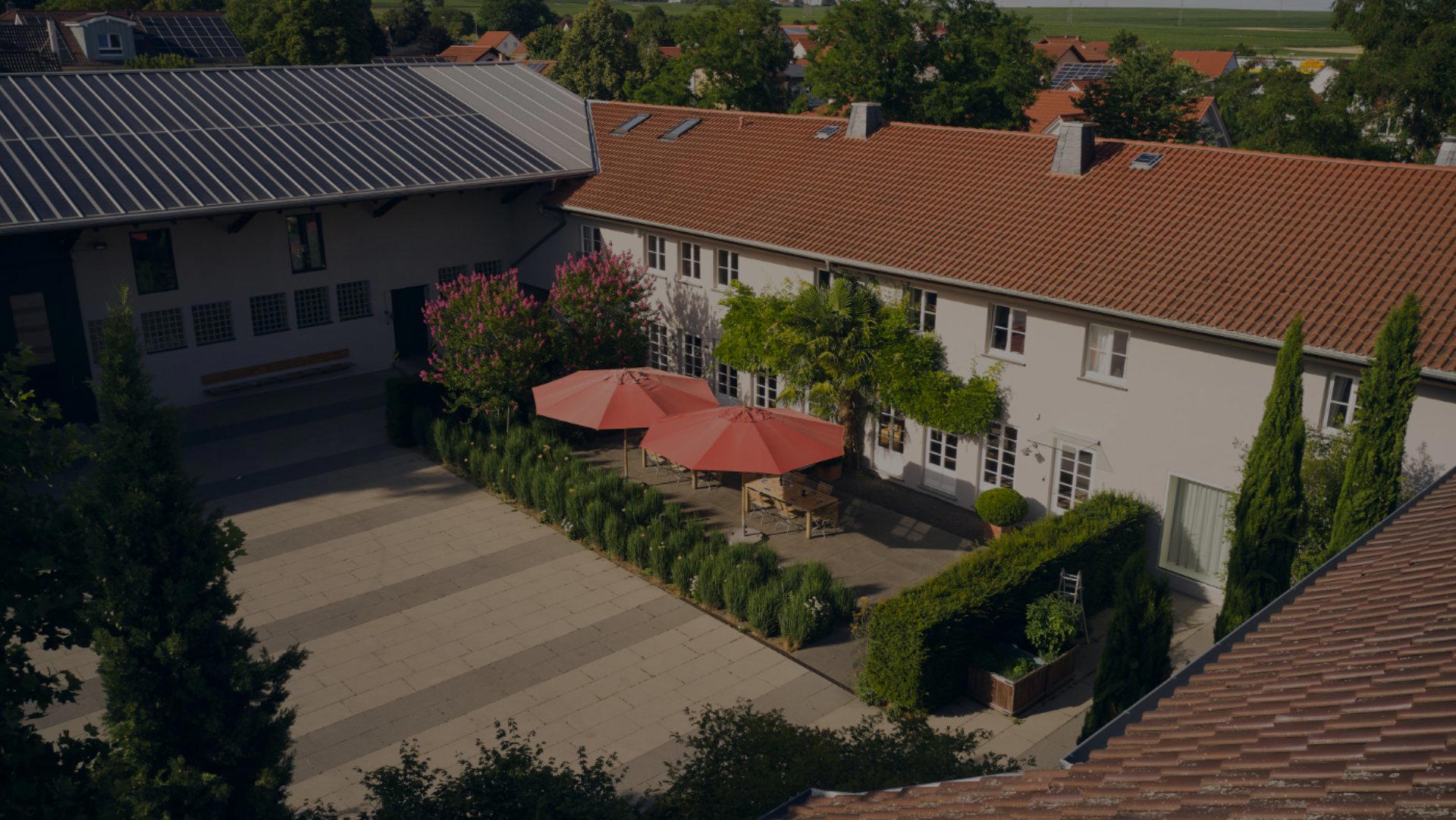
Bars in Westhofen
Browse all →
Restaurants in Westhofen
Browse all →
At a Glance
- Quiet
- Rustic
- Classic
- Solo Exploration
- Wine Education
- Special Occasion
- Private Tasting
- Historic Building
- Estate Grounds
- Organic
- Vineyard
- Rheinhessen
- Riesling
- Pinot Noir
- Sauvignon Blanc
- Muscat
- Still White
- Still Red
- Sparkling
- Guided Tasting
- Open Tasting