Weingut F. J. Regnery

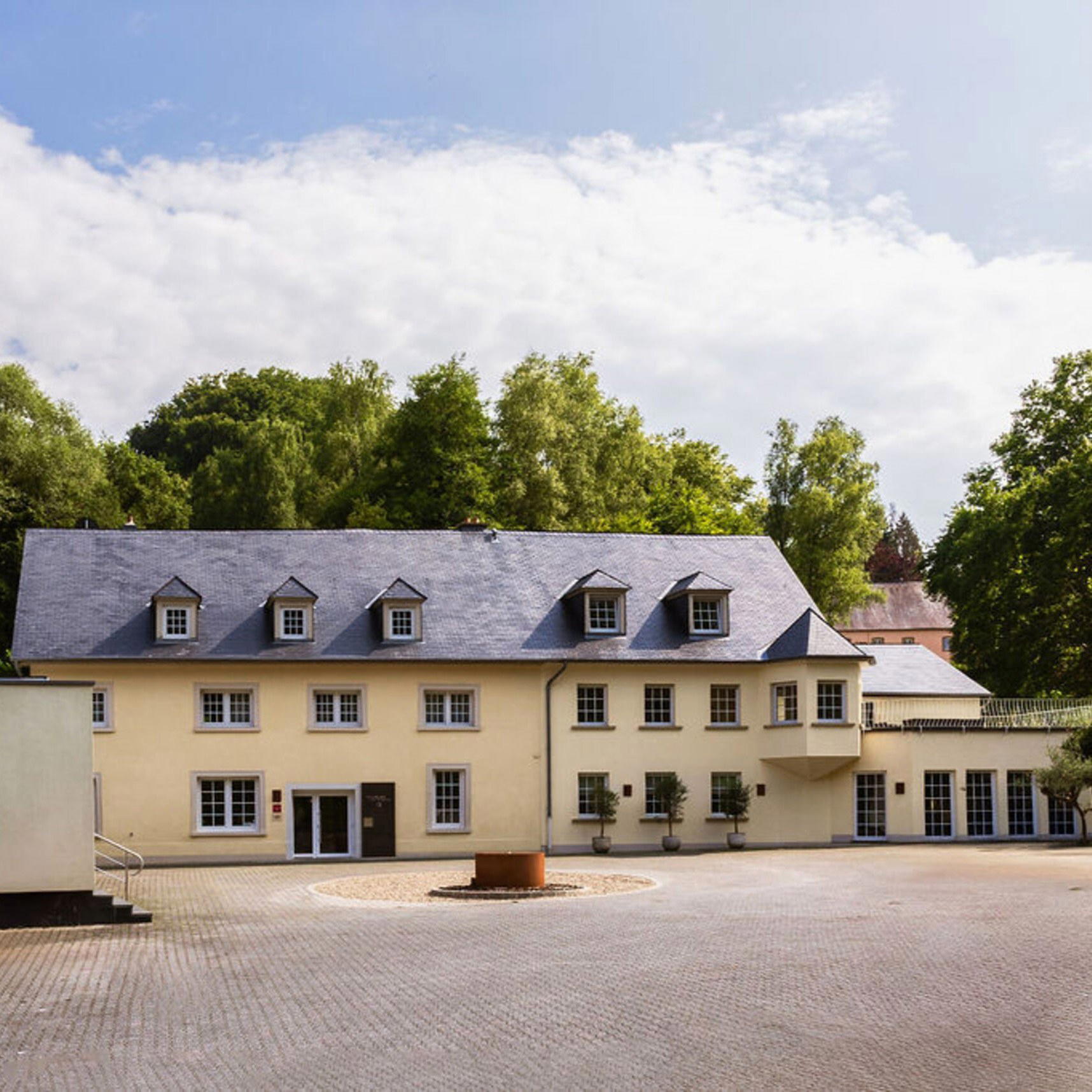
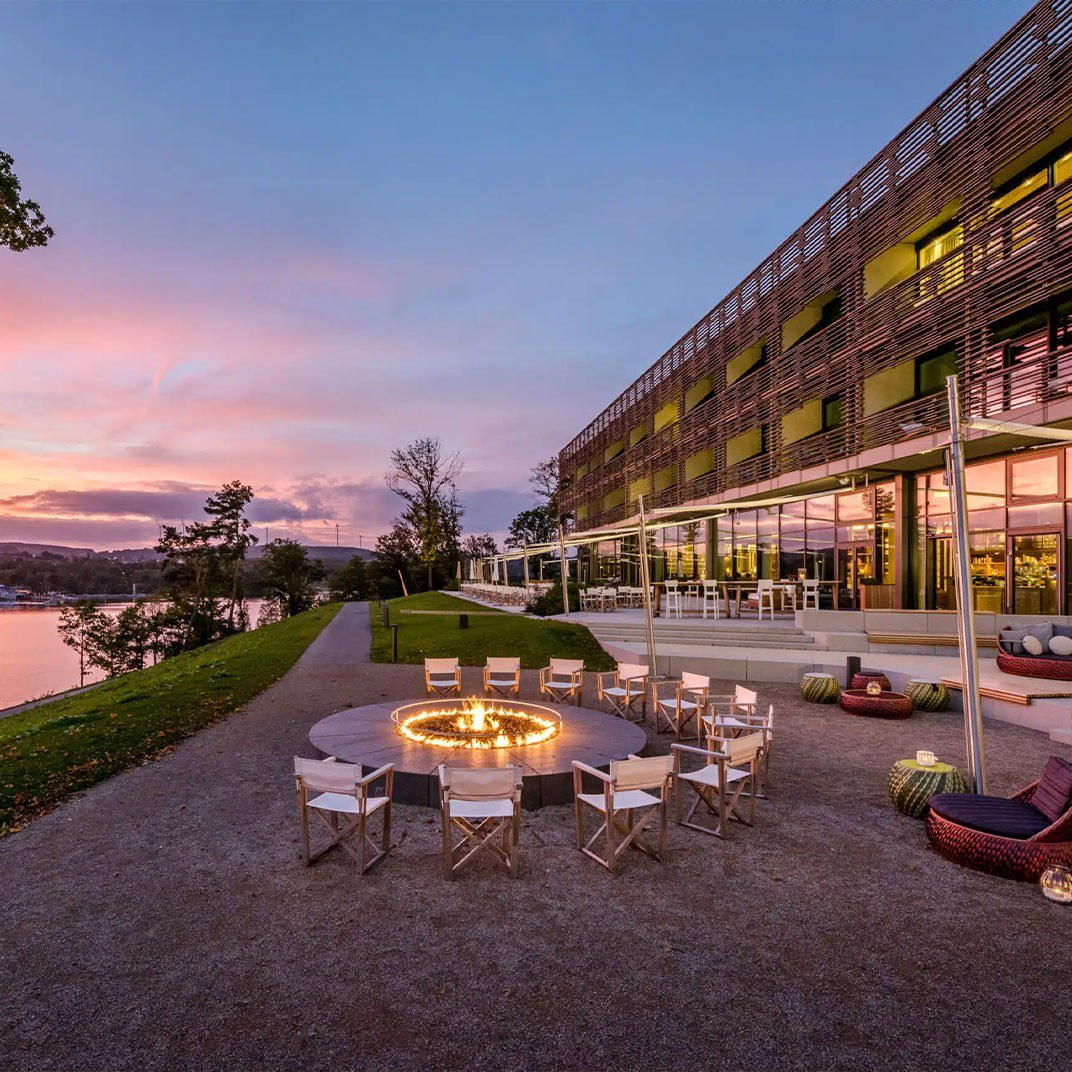
Weingut F. J. Regnery is a Mosel winery in Klusserath where the tasting-room architecture carries as much weight as the glass. The 2013 vinotheque, recognized among Germany’s TOP 50 vinotheques by the German Wine Institute in 2016, frames Riesling, Spätburgunder, Syrah, Cabernet Sauvignon, and Grauburgunder through a quiet, design-led setting above an old vaulted cellar.
Pearl is the En Primeur Club membership app — saves, bookings, and concierge access live there. Same editors, same standards.
- Address
- Klüsserath, Moselle, Rhineland-Palatinate, Deutschland
- Directions
- Get directions
 Saves & bookings on Pearl
Weingut F. J. Regnery in Klusserath is best understood through its room before anything else. The point of distinction is the vinotheque itself: an unusual teardrop-shaped space with extraordinary architecture, oak-beam detailing, clay-and-reed plaster, pleasant acoustics, and a warm, welcoming feel. Those are not incidental decorative notes. They define how the venue reads for visitors and give it a clearer identity than a generic wine stop.
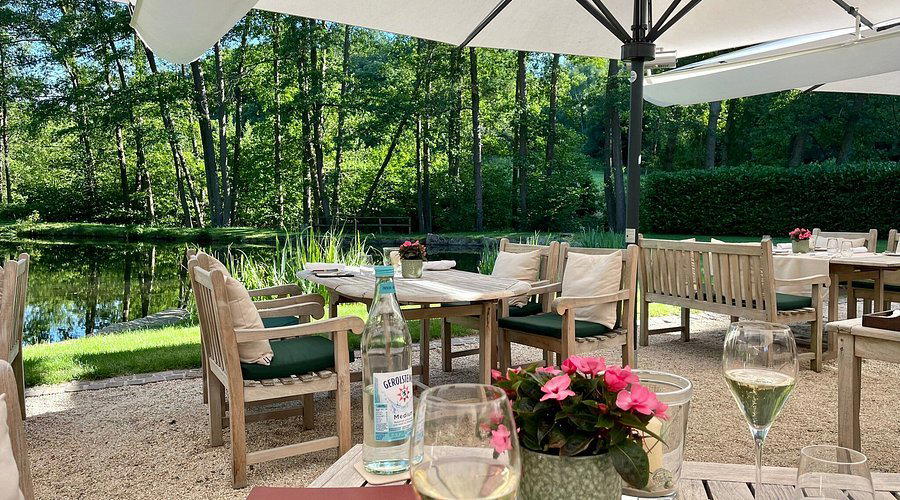
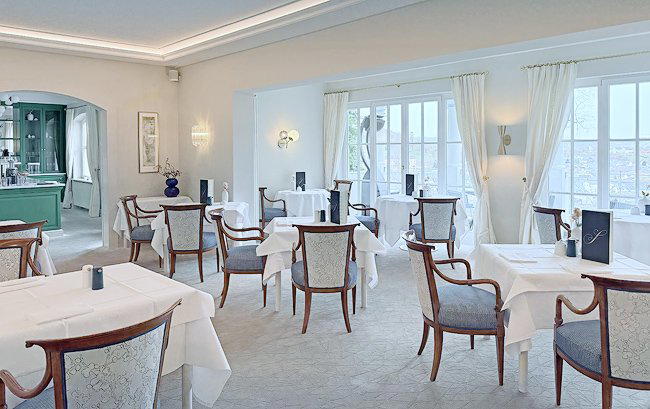
What can be said with confidence is that Weingut F. J. Regnery presents as a scenic, cozy, modern, elegant, hidden-gem vinotheque in Klusserath, with a $$ price level and a design-led atmosphere.
A Klusserath vinotheque built around shape, warmth, and material texture
One distinctive feature is the teardrop-shaped vinotheque. That shape gives the venue a memorable architectural profile and sets it apart from more conventional tasting-room spaces. The design is not described merely as unusual; it is described as extraordinary, which makes the building itself central to the visit.
Inside, oak-beam detailing and clay-and-reed plaster create the main material language. The effect is warm rather than sterile, contemporary without feeling cold, and elegant without needing a formal restaurant-style frame. For EP Club readers, that matters because premium travel decisions often depend as much on atmosphere as on category. Here, the draw is not a menu, chef, cellar tour, or awards list; it is the physical environment and the feeling it creates.
The pleasant acoustics are also worth noting. In a small or intimate venue, sound can determine whether a visit feels calm or chaotic. The description points toward a room that supports conversation and comfort. That aligns with the broader mood: cozy, scenic, modern, welcoming, and quietly polished.
Architecture carries the hospitality argument
Weingut F. J. Regnery’s strongest confirmed story is architectural. The oak beams add structure and visual rhythm, while the clay-and-reed plaster softens the space. Together, those details create a tactile setting that feels considered rather than generic. The teardrop form gives the vinotheque its signature; the materials give it warmth.
This is also why the venue should not be oversold with unsupported specifics. The honest reason to prioritize the venue is simpler: it is a distinctive Klusserath vinotheque with a strong sense of place, a modern design vocabulary, and a welcoming tone.
The price indicator is $$, so the venue sits in a moderate bracket in EP Club terms. Beyond that, no exact pricing should be inferred. Readers planning a visit should treat the architectural setting, atmosphere, and Klusserath location as the reliable anchors, rather than assuming a particular format or package.
How to place it within a Klusserath wine itinerary
For a Klusserath itinerary, the winery works well as a design-forward vinotheque to build around. The confirmed appeal is the room: scenic, cozy, modern, elegant, and warm, with the teardrop architecture giving the visit a clear point of memory. If your travel style favors atmospheric venues over heavily programmed experiences, this is the kind of stop that can add texture to a day in Klusserath.
Keep dining, lodging, and other activities separate unless confirmed directly through current local sources. Other dining in Klusserath can fill in the meal portion of the trip, while the winery should be treated primarily as a vinotheque with notable architecture and ambiance.
Within Klusserath, the venue’s appeal is specific rather than broad: it is not being recommended here for an award claim, a famous dish, a chef profile, or a documented beverage program. It is recommended for a set of qualities that are unusually coherent: teardrop-shaped architecture, oak-beam detailing, clay-and-reed plaster, good acoustics, and a warm, welcoming atmosphere. That combination makes the winery a compelling choice for travelers who care about the design and feeling of a place as much as its category.
Recognition history
Dated appearances from independent guides and award organizations, with the underlying list record or original source where available.
Falstaff Winery - 3 Stars
Falstaff
Continue exploring
More in Klusserath
Wineries in Klusserath
Browse all →
Bars in Klusserath
Browse all →
Restaurants in Klusserath
Browse all →


At a Glance
- Scenic
- Cozy
- Modern
- Elegant
- Solo Exploration
- Special Occasion
- Wine Education
- Design Destination
- Historic Building
- Terrace
- Vineyard
- Mosel
- Riesling
- Spätburgunder
- Syrah
- Cabernet Sauvignon
- Grauburgunder
- Still White
- Still Red
- Wine Tasting
- Vinotheque Visit
An unusual teardrop-shaped vinotheque with extraordinary architecture, oak-beam detailing, clay-and-reed plaster, pleasant acoustics, and a warm, welcoming feel.