Weingut Elias Haidl

Weingut Elias Haidl is a small Wagram winery in Gro Riedenthal with an organic, terroir-led production philosophy and a portfolio spanning Grüner Veltliner, Roter Veltliner, Riesling, Chardonnay, Weißburgunder, Rivaner, Sylvaner, Frühroter Veltliner and Blauer Zweigelt. The appeal is local and quiet rather than polished hospitality theatre: a producer to read through place, variety and Lower Austrian wine culture.
Pearl is the En Primeur Club membership app — saves, bookings, and concierge access live there. Same editors, same standards.
- Address
- Großriedenthal, Wagram, Lower Austria, Österreich
 Saves & bookings on Pearl
Weingut Elias Haidl in Gro Riedenthal is best approached as a modest local wine-estate stop rather than as a highly formal venue. The picture is simple: a family-run winery atmosphere, a focus on terroir-driven wines, and guest feedback that points toward a direct experience rooted in place. For readers looking for a quiet, rustic and somewhat hidden-feeling wine visit, that is a reliable way to frame it.
This is not a page to overstate with claims about specific grape varieties, cellar formats, awards, founding dates, tasting structures or visitor services. The useful editorial read is narrower and clearer. Weingut Elias Haidl be about local wine, a rural mood and a restrained sense of hospitality rather than a polished destination built around spectacle. Its appeal is in that understatement.
Terroir-driven wine in a family-run setting
The strongest confirmed detail is the venue’s identity as a family-run wine estate with a focus on terroir-driven wines. That phrase matters because it sets expectations for the visit. Rather than reading the estate through luxury cues, formal service rituals or an elaborate hospitality program, it is better understood through locality: wine connected to its place, presented in an atmosphere that guest feedback suggests is direct and unpretentious.
For EP Club readers, that can be a useful distinction. Some wine destinations are built around architecture, branding or highly choreographed tastings. Weingut Elias Haidl should not be described that way without support. The grounded description is quieter: rustic, local and focused on wine rather than performance. If you value small-estate character and a sense of place, the venue’s appeal is likely to be in that register.
The price marker is listed as $$, which places it in a moderate bracket for planning purposes. Beyond that, specific prices, bottle costs, tasting fees or menu-style formats should not be assumed. Treat the venue as a wine-estate experience whose confirmed public profile is limited but coherent: family-run, terroir-minded and informal in feel.
A local visit rather than a staged tasting-room performance
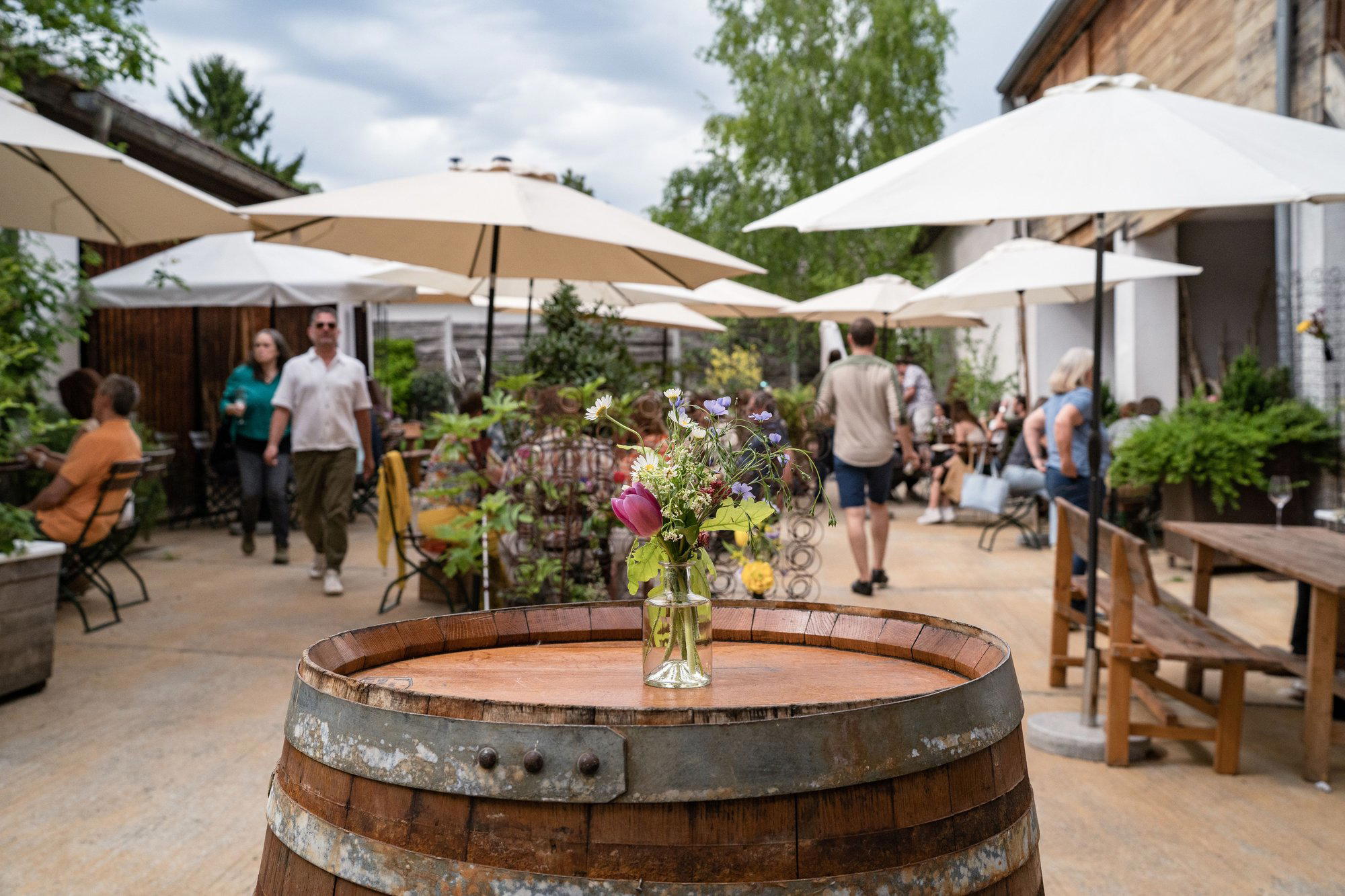
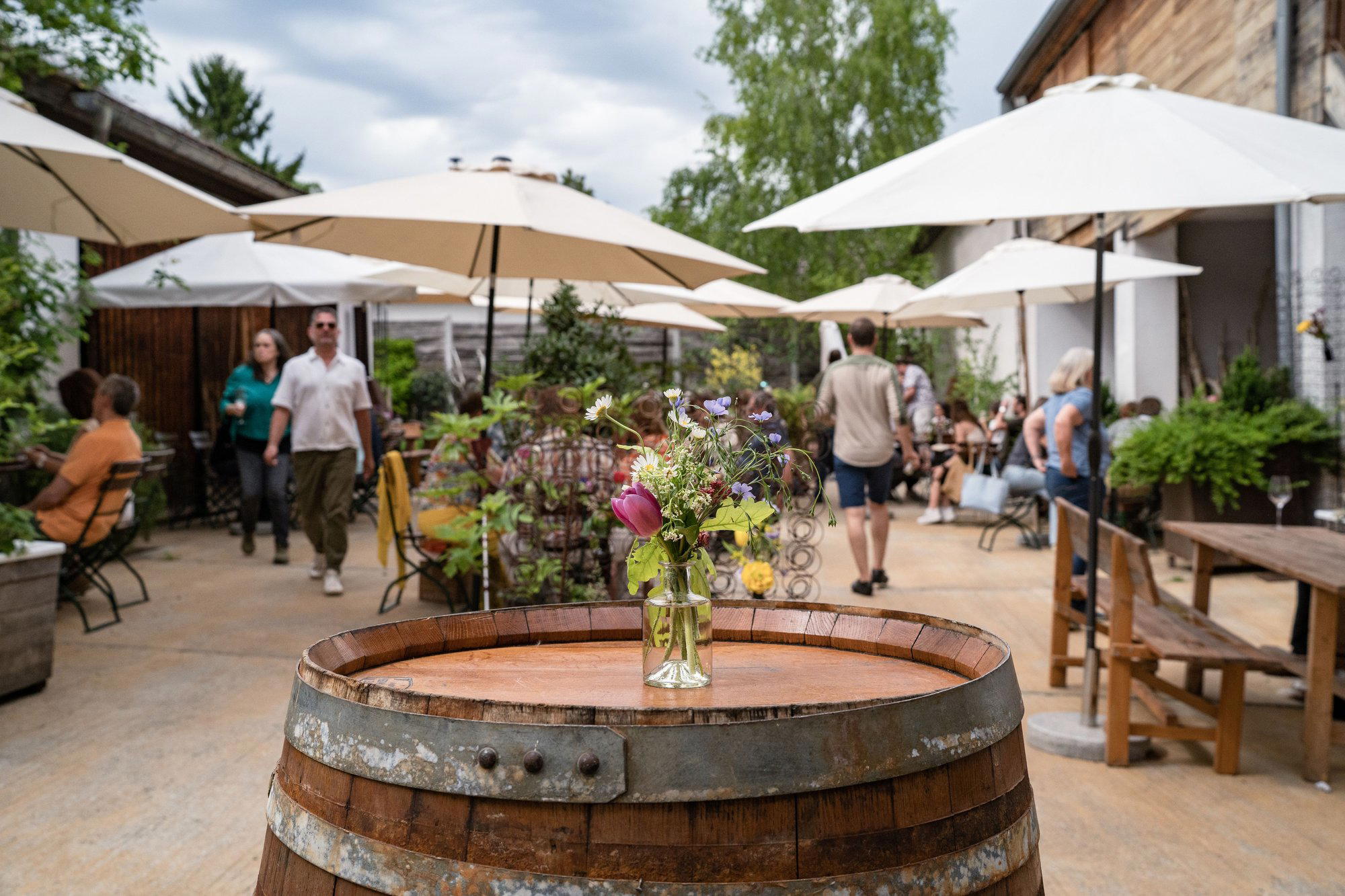
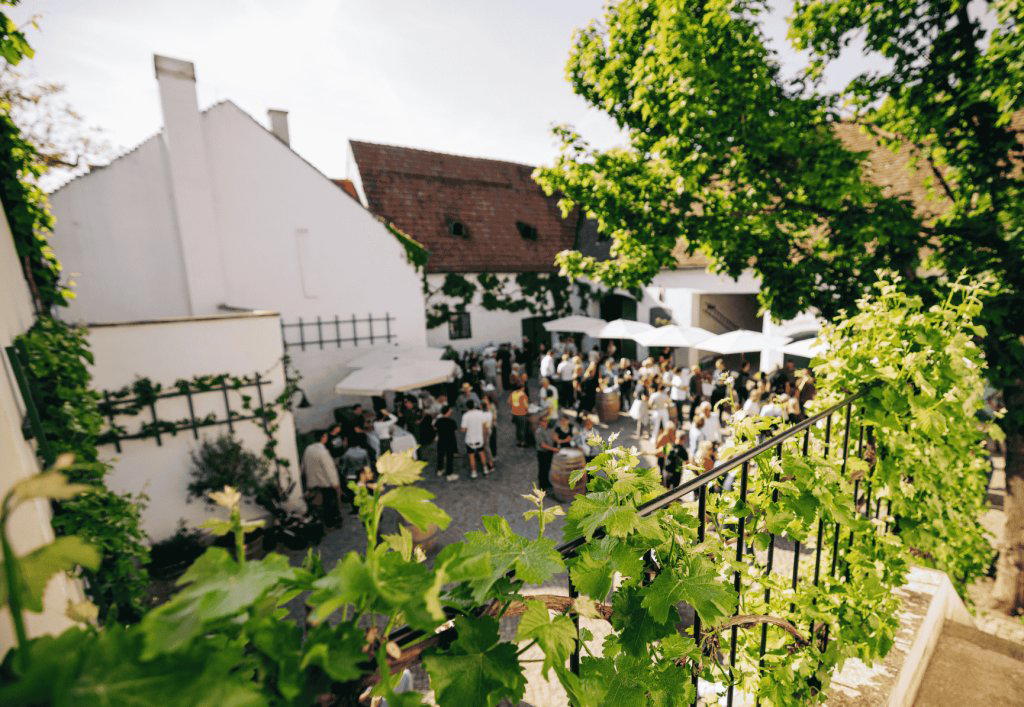
Guest feedback suggests the winery feels more like a direct local winery than a formal tasting room. That does not mean a lack of care; it means the tone should be read differently. The draw is not a grand room, a scripted service model or a long list of amenities. It is the chance to engage with a quiet Gro Riedenthal wine estate where the atmosphere is rustic and the emphasis sits on place.
That kind of venue rewards realistic expectations. Visitors should avoid assuming details that are not confirmed here, such as specific opening hours, appointment rules, food service, outdoor seating, dietary accommodations, delivery, shipping arrangements or guided tasting formats. Those may or may not exist, but they are not part of the record provided. The safest interpretation is to plan around the confirmed essentials and check directly with the estate for current practicalities.
As an editorial recommendation, the reason to consider the winery is not an award claim or a famous-venue narrative. No confirmed accolade is part of the information used. The recommendation rests instead on mood and identity: a quiet, rustic, hidden-gem wine estate in Gro Riedenthal with a terroir-driven focus and a family-run atmosphere.
How to place it inside a Gro Riedenthal wine day
Gro Riedenthal works well when approached with a sense of pace. The winery suits a traveller who wants a local winery experience rather than a broad hospitality complex. If you are planning a wider day in the area, compare it with other Gro Riedenthal dining or wine options generically, but do not expect every venue to offer the same format, level of formality or visitor setup.
The practical takeaway is to keep the plan simple. The winery is a $$ wine-estate choice in Gro Riedenthal with a quiet, rustic feel. Its character points to terroir-driven wines and a direct local atmosphere. Those are the facts to build around; more specific claims about grapes, awards, ownership history, exact services or scheduling should be confirmed directly before making plans.
The editorial read is therefore intentionally restrained. Choose the winery if you are drawn to a family-run wine estate atmosphere and prefer venues that feel local rather than overproduced. It is not presented here as a luxury showcase or a formal tasting-room destination. It is presented as a quiet Gro Riedenthal winery with a clear sense of place, a moderate price marker and a rustic hidden-gem quality.
Recognition history
Dated appearances from independent guides and award organizations, with the underlying list record or original source where available.
Falstaff Winery - Listed
Falstaff
Continue exploring
More in Gro Riedenthal
At a Glance
- Quiet
- Rustic
- Solo Exploration
- Wine Education
- Organic
- Vineyard
- Wagram
- Grüner Veltliner
- Rivaner
- Frühroter Veltliner
- Sylvaner
- Chardonnay
- Weißburgunder
- Riesling
- Blauer Zweigelt
- Roter Veltliner
- Still White
- Still Red
Family-run wine estate atmosphere with a focus on terroir-driven wines; guest feedback suggests a direct, local winery experience rather than a formal tasting room.