Weingut Cantzheim

Falstaff Winery - Listed
A design-led Saar winery in Kanzem An Der Saar, Weingut Cantzheim links steep-slope Riesling, a restored 1740 baroque manor house, and a cultural vinothek rather than treating wine tasting as a retail stop. The estate’s strongest signal is Kabinett Riesling recognition in the MOSEL-CUP, where two wines scored 94 points and the winery was named Weingut des Jahres.

Pearl is the En Primeur Club membership app — saves, bookings, and concierge access live there. Same editors, same standards.

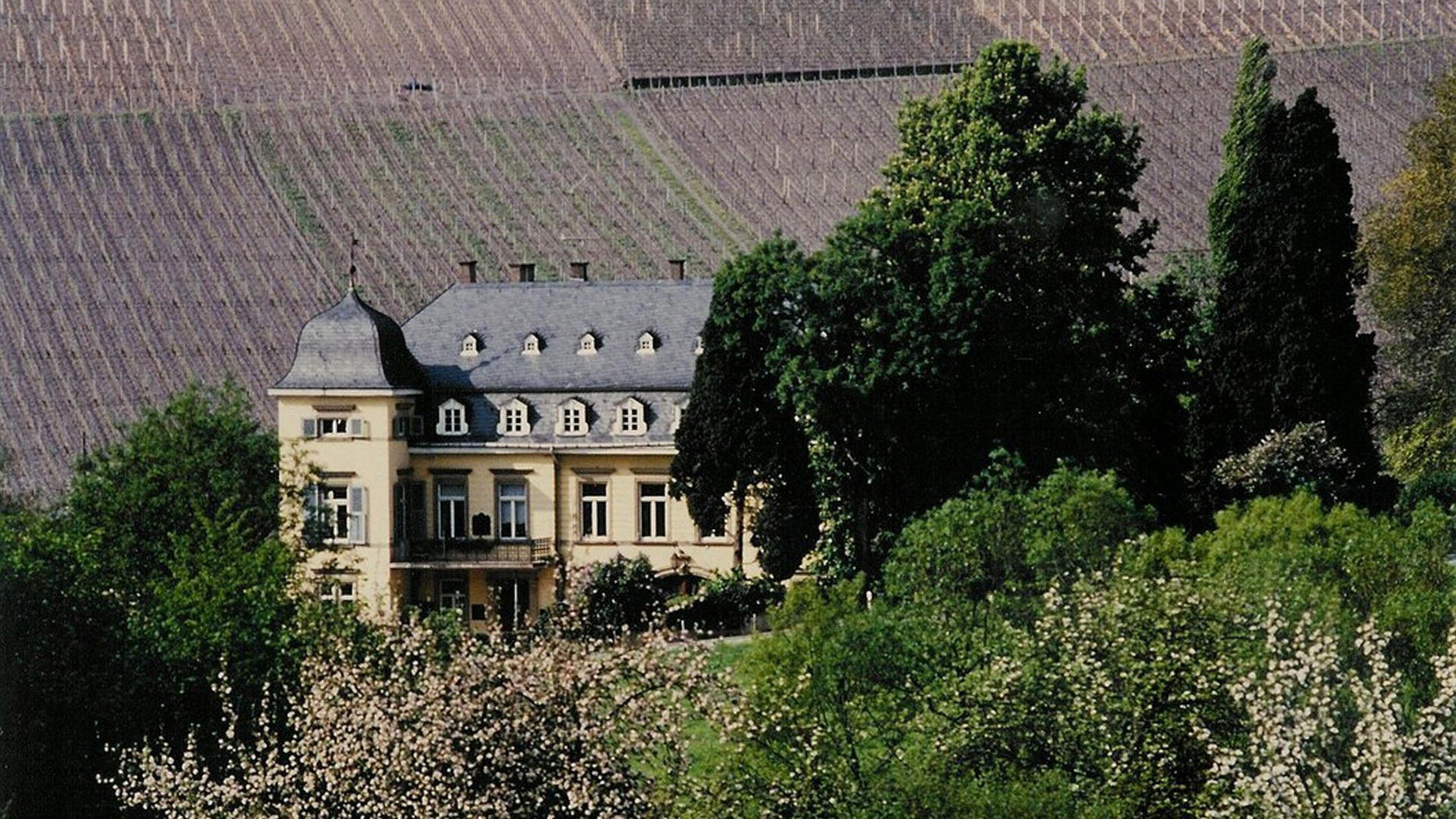
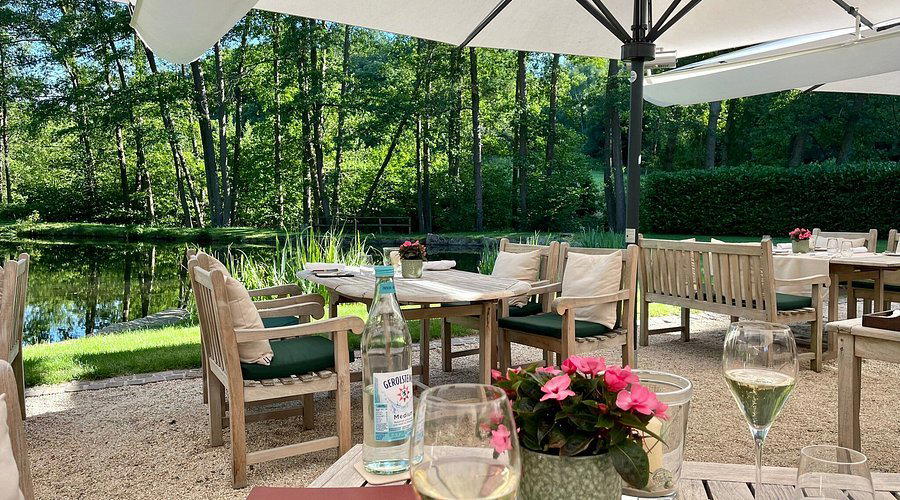
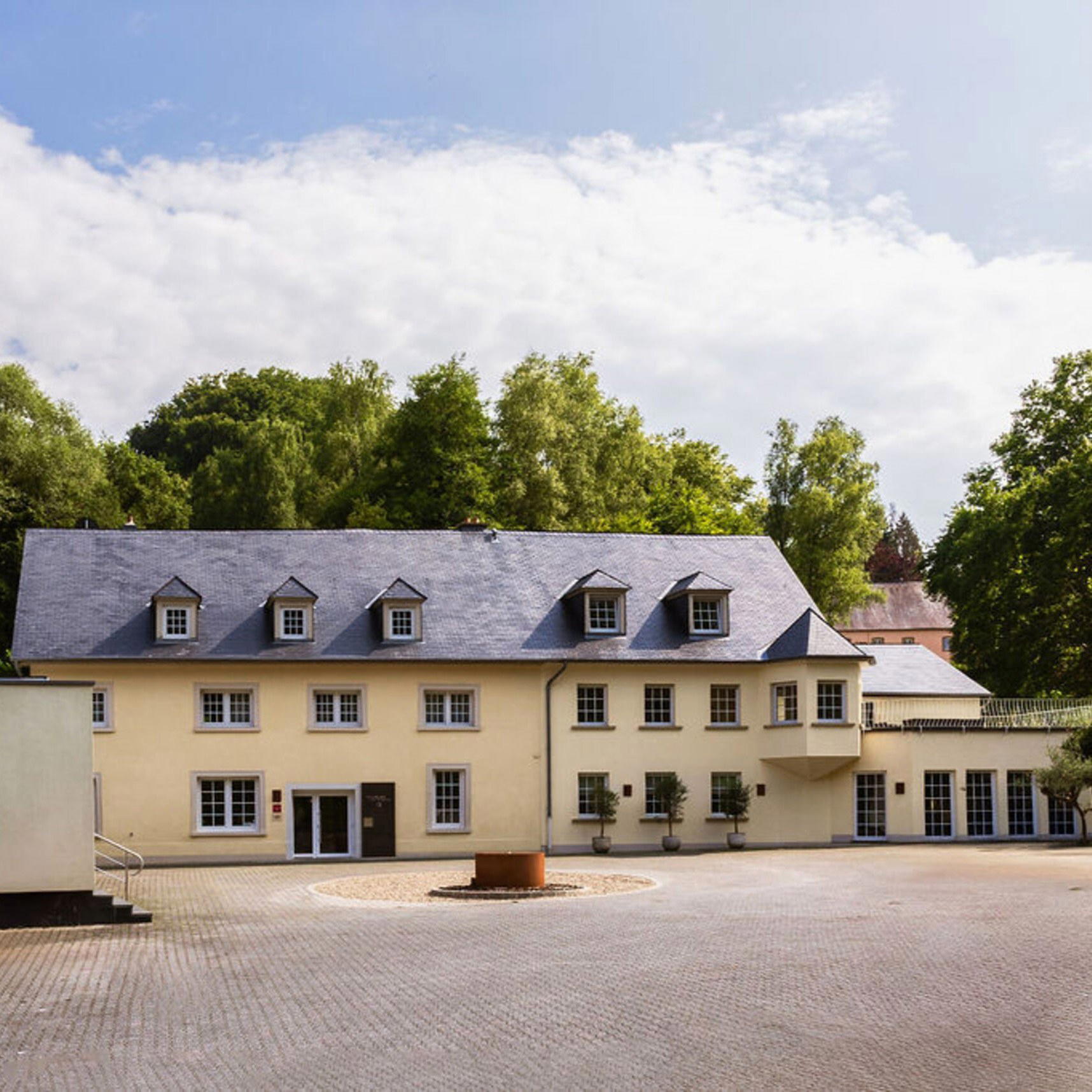
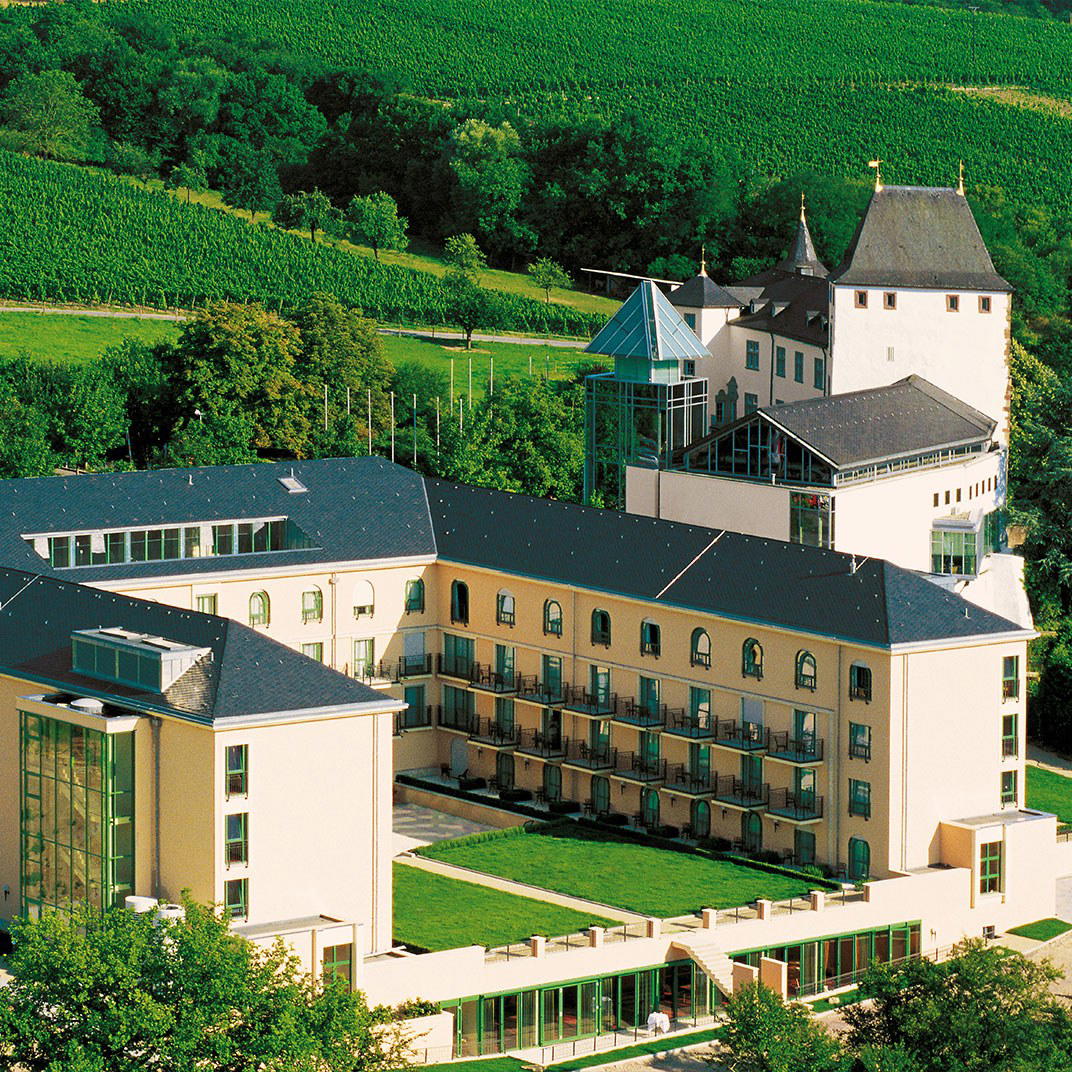
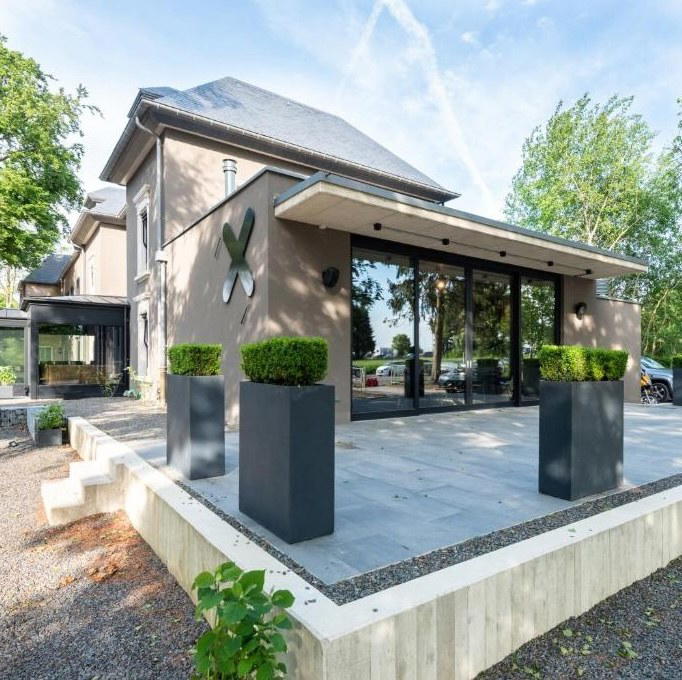
Approach the Saar through Kanzem An Der Saar and the wine story is written first in architecture: a late-Baroque manor house, a glass Orangerie, a modern Remise, and vineyards that pull the eye back toward the river and slate slopes. This is not the industrial edge of winery tourism. The mood is quiet, cultivated, and domestic in scale, closer to a private cultural house with wine at its center than to a conventional tasting counter.
That setting matters because the Saar has always asked for a different reading from the broader Mosel. Its Rieslings are prized for tension, lightness, and cool-climate precision, and the region’s steep slate sites reward producers who can work with delicacy rather than force. Weingut Cantzheim belongs to the newer generation of Saar addresses that treat terroir as an entire cultural system: slope, river, restoration, hospitality, and the way a guest encounters the wines.
Saar Riesling framed by slate, handwork, and a restored manor
The estate’s wine identity is clear: Riesling leads, with Pinot Blanc, Spätburgunder, and sparkling wine extending the range without diluting the Saar focus. The useful distinction is not variety count, but hierarchy. Riesling carries the argument here, especially in the Kabinett register, where two Cantzheim Rieslings scored 94 points in the MOSEL-CUP by Gourmetwelten and the estate was named Weingut des Jahres.
For readers used to grand estate histories, the timeline is shorter than the architecture suggests. The current winery opened in 2017 after a five-year restoration of a manor house dating to 1740. That gap between old building and young estate gives Cantzheim its particular charge: it is not trading on centuries of continuous bottling history, but on a deliberate revival of place. Anna Reimann and Stephan Reimann are responsible for viticulture, and the estate’s language around steep-slope handwork places it firmly in the labor-intensive Saar tradition rather than in a high-volume model.
The wines should be understood through coolness and contour rather than weight. Saar Riesling, at its most convincing, makes sweetness, acidity, and slate-derived drive feel interdependent; Kabinett is a revealing category because it leaves little room for cosmetic power. Cantzheim’s recognition in that style is therefore a more meaningful signal than a broad trophy detached from the glass. It points to competence in the exact register the region is built to express.
The vinothek treats wine culture as a room, not a sales counter
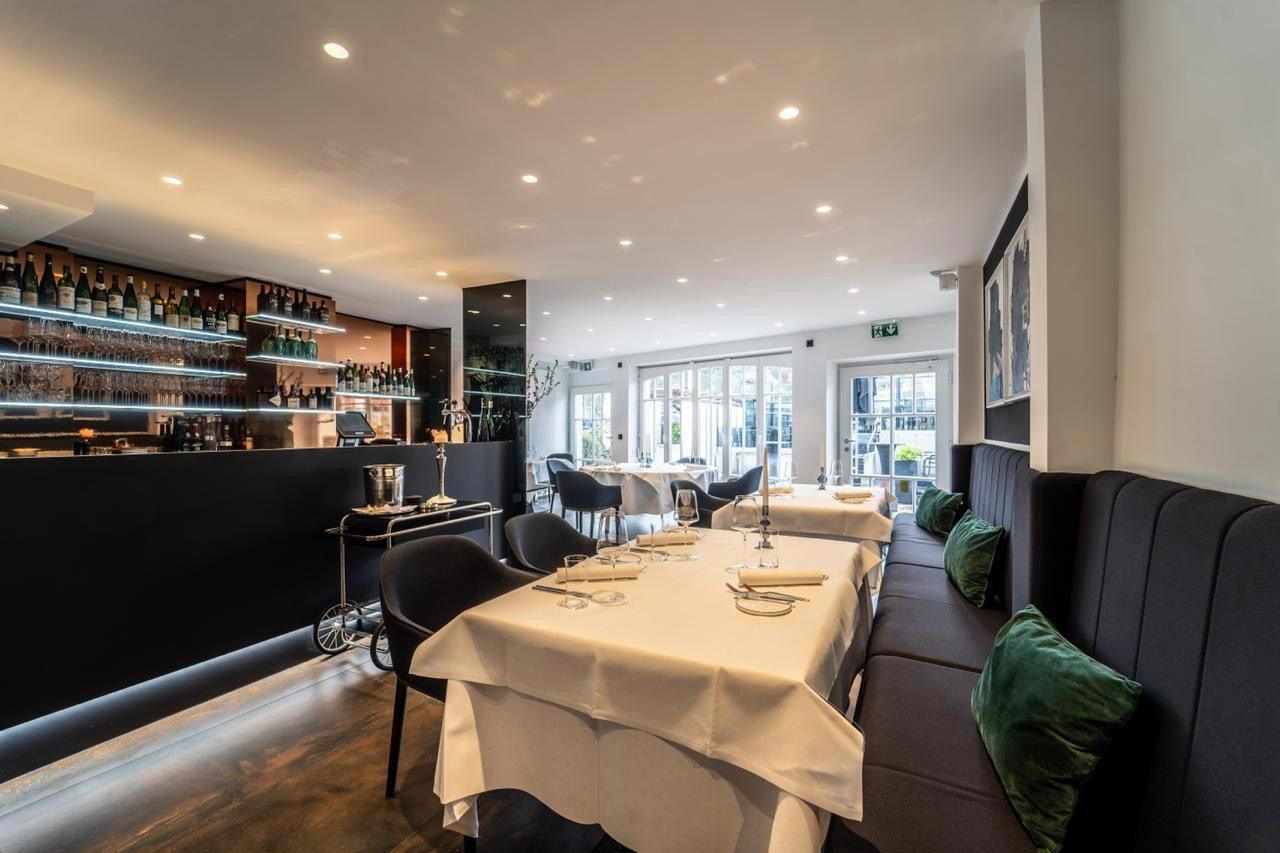
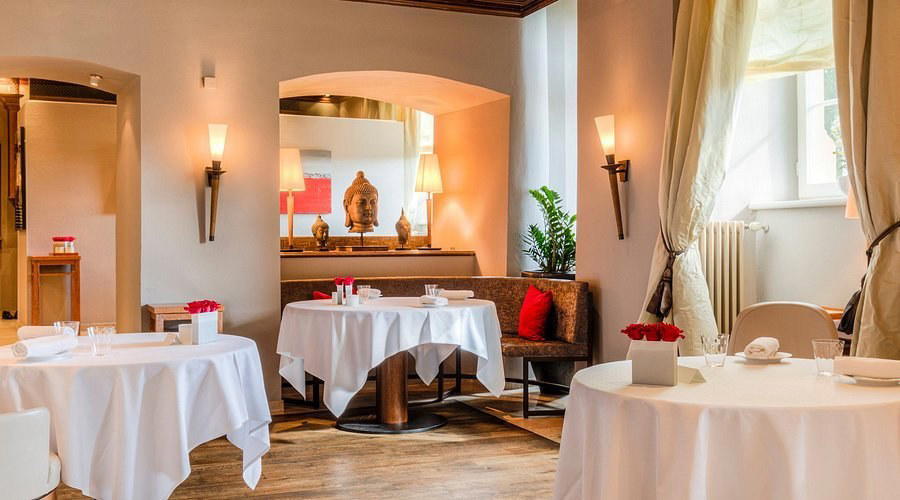
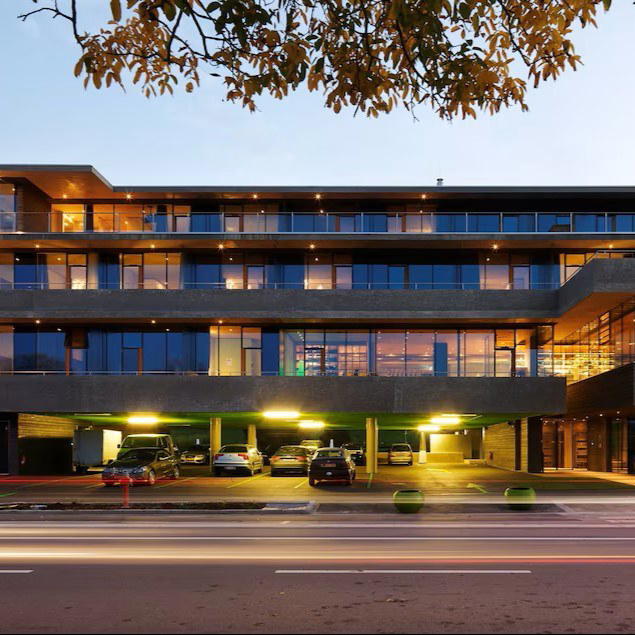
The hospitality format is a serious part of the editorial story. The vinothek sits inside the old manor house and is conceived more like a private dining room than a shopfront, with contemporary furnishings, wood, light, and Saar-focused artwork shaping the pace of the tasting. The Orangerie adds a steel-and-glass counterpoint to the baroque core, while the Remise and main house extend the property into a small guesthouse format. The result is a wine visit where architecture is not decorative packaging; it teaches the same lesson as the Riesling, that restraint can carry more authority than spectacle.
This is where Cantzheim separates itself from wineries that reduce terroir to soil type on a back label. The property uses restoration and modern additions to make the Saar legible: old stone and glass, vineyard sightlines, cultural programming, and a vinothek arranged for conversation rather than turnover. Literature, music, and wine-cultural events are part of the house’s stated identity, which places the estate within the German tradition of wine as regional culture, not only agricultural product.
The stewardship claim is strongest on the architectural side. A dilapidated historic manor was restored under heritage-sensitive principles and adapted into a working winery, guesthouse, and cultural venue. In the vineyard, the estate emphasizes handwork in steep slopes and a sustainable production philosophy, but the more concrete point is visible in the operating model: small-scale production, owner-led viticulture, and a hospitality format that depends on the character of the site rather than on mass throughput.
How to place it in a Kanzem An Der Saar itinerary
Kanzem An Der Saar is not a city-break dining circuit in the usual sense; it is a wine-country stop where the most persuasive experiences are tied to river geography, slope farming, and the slower tempo of the Saar. Cantzheim suits travelers who want a composed tasting environment, architectural context, and Riesling with a clear regional accent. It is less suited to anyone looking for a loud cellar-door atmosphere or a sprawling food-and-wine complex.
Within a broader trip, the estate works as an anchor for the wine side of Kanzem An Der Saar.
For a wider German-speaking wine map, the useful exercise is to compare formats rather than claim direct equivalence. Urban and regional winery listings such as & Handwein in Mannheim, 2 Naturkinder in Kitzingen, 3 Winner in Bechtheim, 49Point9 in Geisenheim, 532 Riesling in Rüdesheim am Rhein, 70469! in Stuttgart Feuerbach, 746 - Route du Brut in Ettlingen, Achkarrer Winzer am Schlossberg eG in Vogtsburg Achkarren, »der Steiner« Hans Steiner in Podersdorf am See, and ®walzer in Gneixendorf Bei Krems show how varied the category has become, from regional cooperatives and sparkling specialists to natural-wine addresses and design-led estates.
The editorial case for Weingut Cantzheim rests on coherence. The restored 1740 manor gives the visit historical depth; the Saar setting gives the wines a disciplined frame; Kabinett recognition supplies an external quality marker; and the vinothek keeps the experience intimate rather than performative. In a region where Riesling can be reduced to labels and vineyard names, Cantzheim makes the physical encounter with place part of the argument.
Recognition history
Dated appearances from independent guides and award organizations, with the underlying list record or original source where available.
Falstaff Winery - Listed
Falstaff
Continue exploring
More in Kanzem An Der Saar
Wineries in Kanzem An Der Saar
All wineries in Kanzem An Der Saar →
Bars in Kanzem An Der Saar
Browse all →
Details
- Elegant
- Sophisticated
- Modern
- Historic
- Scenic
- Intimate
- Special Occasion
- Corporate Event
- Group Outing
- Solo Exploration
- Historic Building
- Design Destination
- Private Tasting
- Estate Grounds
- Sustainable
- Vineyard
- Riesling
- Pinot Blanc
- Spätburgunder
- Sparkling Wine
- Still White
- Still Red
- Sparkling
- Guided Tasting
- Walk In Tasting
- Private Tasting
- German
- English
- French
Elegant and serene, with a heritage manor-house setting, sleek modern extensions, and a cultivated atmosphere that blends architecture, art, and wine culture.