
Falstaff Winery - Listed
Weingut Behringer is a Franconian family winery in Abtswind with a 2016 vinothek built around wood, regional food pairings, and vineyard-led tastings. The estate’s strongest argument is terroir: Steigerwald hills, keuper soils, and a white-wine-heavy portfolio that treats Müller-Thurgau, Gewürztraminer, Weißburgunder, Gelber Muskateller, Silvaner, and Scheurebe as regional evidence rather than afterthoughts.

Pearl is the En Primeur Club membership app, where members save venues, book tables and use the concierge.

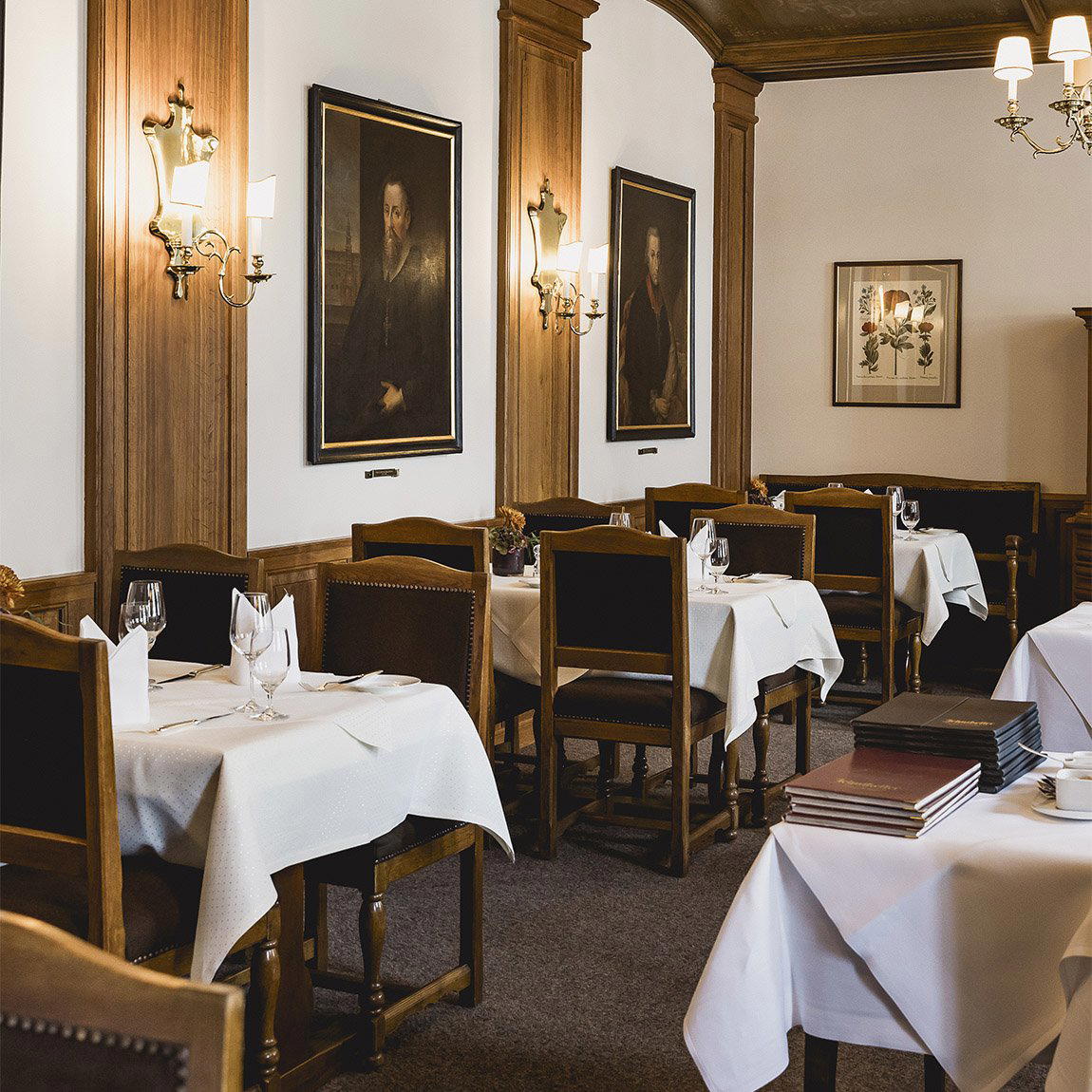
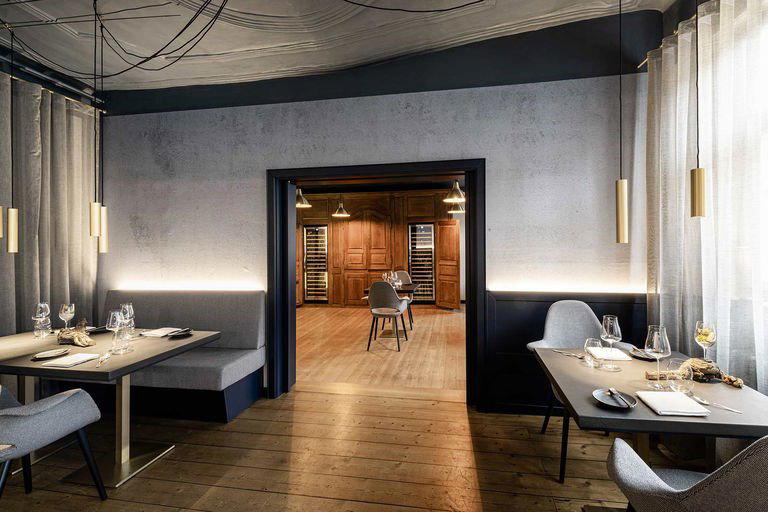
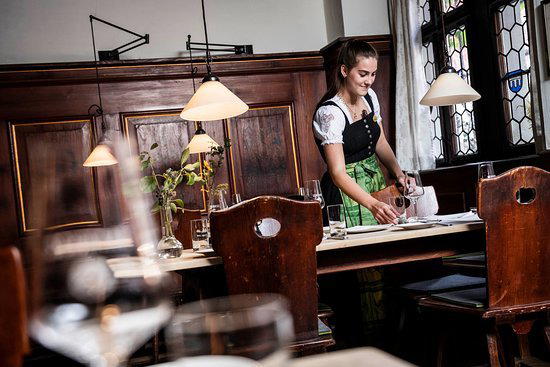
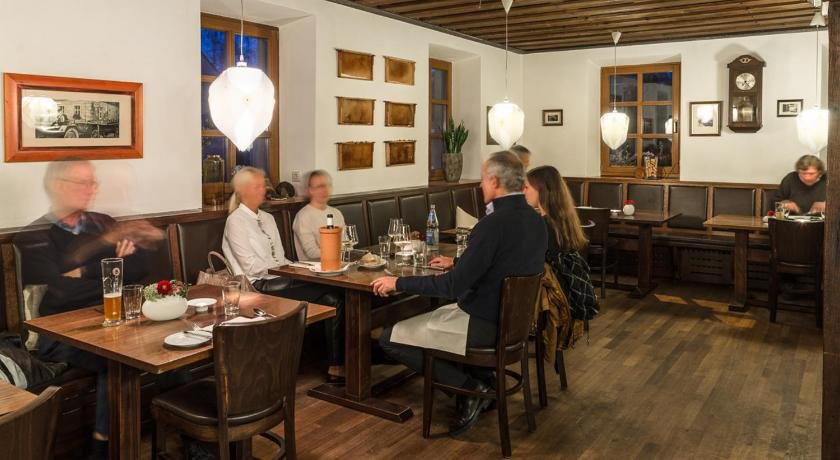
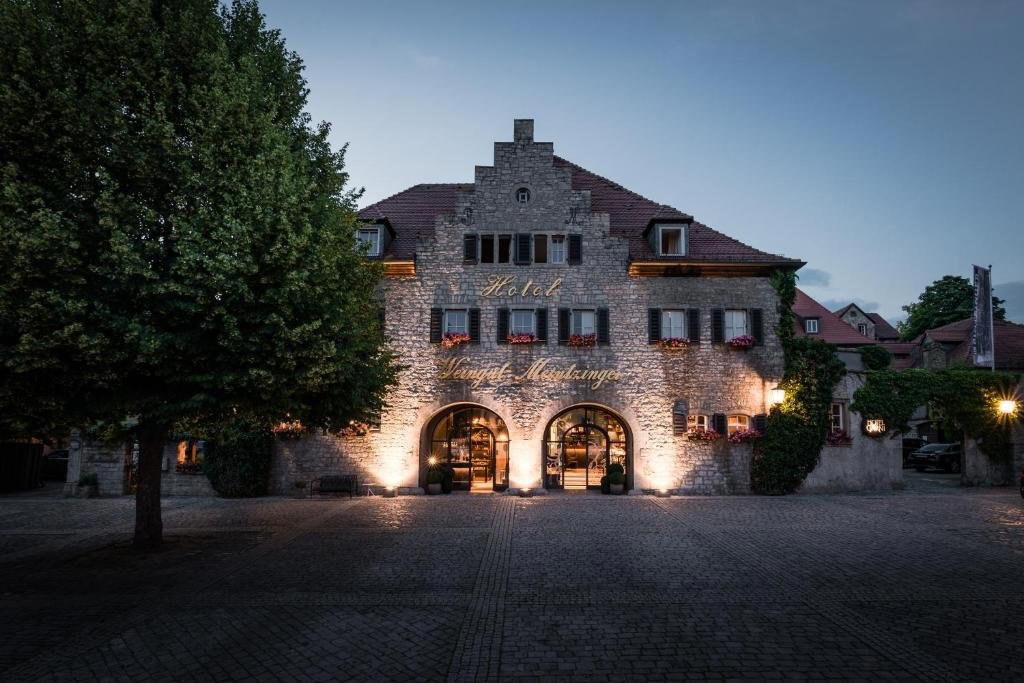
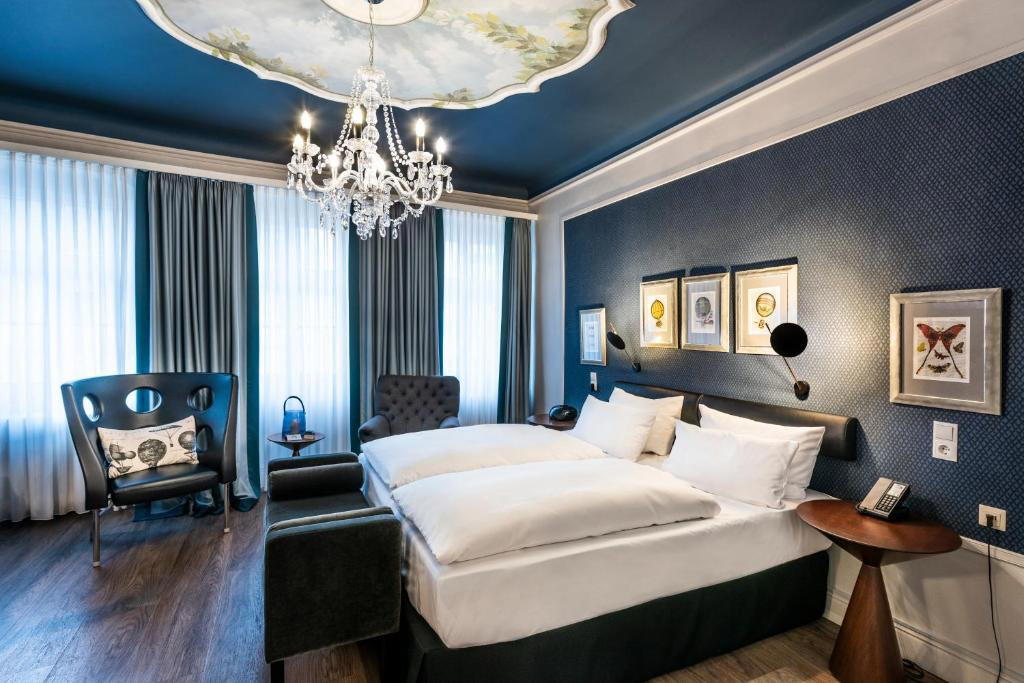
Weingut Behringer in Abtswind is best described through its setting: a bright, wood-dominated vinothek with a finely appointed interior and a feeling of warm, welcoming craftsmanship. The appeal is not built on formality or spectacle, but on the way the room supports a sensory wine experience. For visitors planning a stop in Abtswind, the picture is direct: this is a cozy, rustic, quietly sophisticated place for tastings, with regional tapas used as part of the pairing experience.
Because the confirmed information is deliberately limited, the safest way to read Weingut Behringer is as a wine-focused hospitality address rather than a full restaurant profile with a published cuisine style, chef narrative, vineyard statistics, or fixed service format. Its strongest qualities are the atmosphere of the vinothek, the crafted wood-led interior, the hidden-gem feel, and the way tastings are linked to regional tapas. Those facts are enough to make it useful for travelers who want an Abtswind wine stop with a sense of place, but they do not support claims about exact wine varieties, production scale, awards, opening year, tours, parking, payment methods, or reservation rules.
A warm vinothek shaped by wood, light, and craft
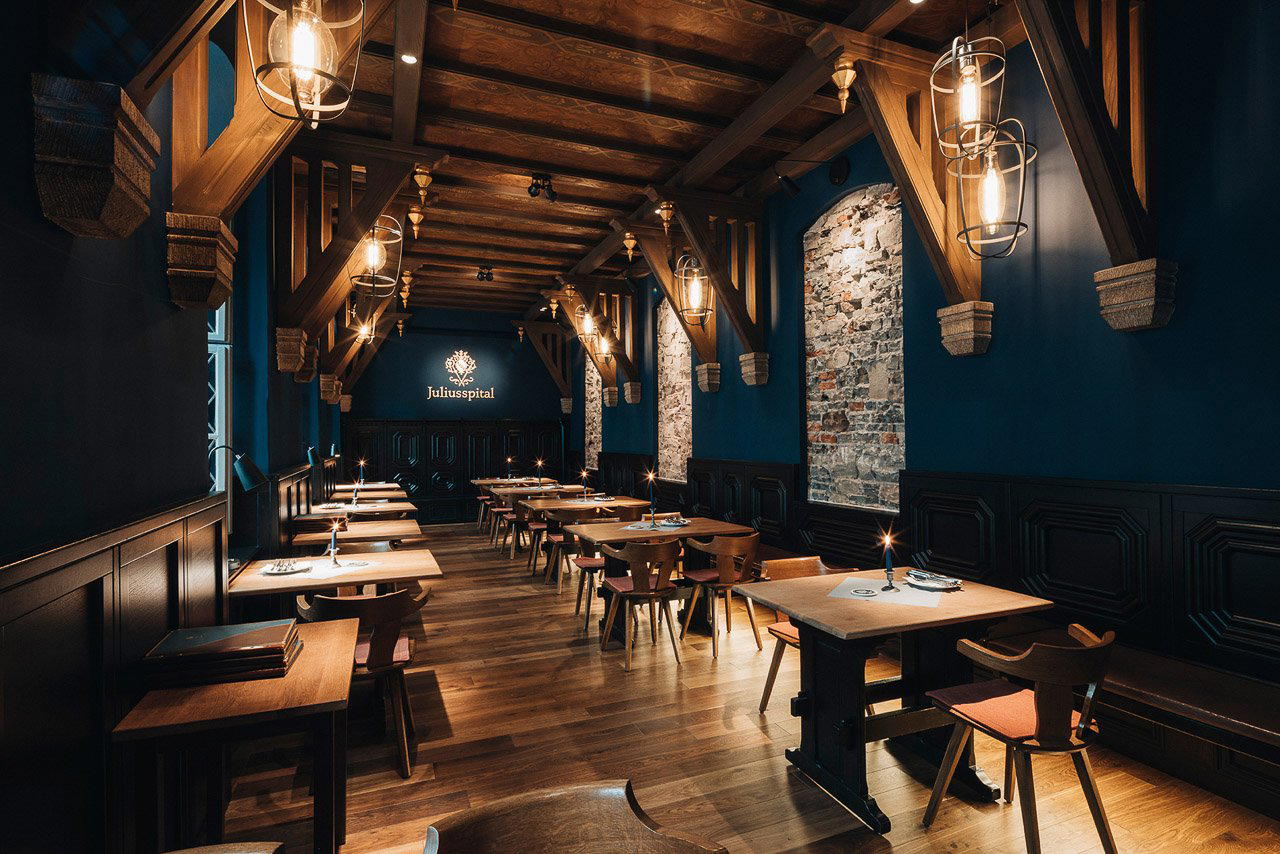
The central fact to keep in mind is the room itself. Weingut Behringer is described as a bright, wood-dominated vinothek, and that matters for how a tasting feels. Wood can make a tasting space read as rustic, but here the description also points to a finely appointed interior. In other words, the setting is not merely casual or agricultural; it has been shaped to feel considered, welcoming, and tactile.
That balance gives the venue much of its character. The atmosphere can be framed as rustic and cozy without reducing it to a simple farmhouse image. It is also sophisticated, but not in a stiff or urban way. For a guest, the practical takeaway is that Weingut Behringer sit between a relaxed winery visit and a more polished vinothek experience. It is a place where the surroundings are part of the tasting rather than just a backdrop.
The “” description should also be kept in proportion. It does not verify secrecy, scarcity, exclusivity, or difficulty of access. It simply helps place the mood: warm, crafted, and more intimate in feel than a generic tasting stop. Visitors should expect the design and hospitality atmosphere to be part of the reason to go.
Tastings with regional tapas
The hospitality offer centers on tastings paired with regional tapas. That is the most specific confirmed service detail, and it should guide expectations. Rather than treating food as an unrelated add-on, the venue’s confirmed identity links the tasting experience to small regional pairings. This supports a sensory style of visit: wine, food, room, and local context are meant to work together.
It is therefore more accurate to describe Weingut Behringer as a tasting-led vinothek with regional tapas than as a restaurant. The price level is listed as $$, which suggests a moderate positioning, but no specific prices or tasting fees are confirmed here.
For travelers, that means the best reason to choose Weingut Behringer is not a particular dish, bottle, award, or formal dining format. The reason is the combination of Abtswind setting, crafted vinothek atmosphere, and food-paired tasting experience. If your plan depends on a specific menu, dietary accommodation, group capacity, or schedule, those details should be checked directly before visiting.
How to place it in an Abtswind wine itinerary
Within an Abtswind itinerary, Weingut Behringer works well as a sensory wine stop: a place to slow down, taste, and let the room contribute to the experience. The description makes it especially suitable for visitors who appreciate interiors with warmth and texture, rather than those seeking a bare retail counter or a conventional restaurant meal.
Its appeal is also practical for planning because it is easy to summarize honestly. Choose it if you want a bright, wood-led vinothek; a cozy yet sophisticated atmosphere; a tasting experience; and regional tapas as part of the pairing. Do not rely on assumptions about vineyard tours, named grape varieties, awards, exact hours, seating capacity, payment options, parking, accessibility, or reservation policy unless you have confirmed them directly with the venue.
For wider planning, keep Weingut Behringer in the Abtswind portion of the trip and compare it with other dining and wine options in Abtswind generically. The most useful distinction is that this venue is not presented here as a full restaurant or bar, but as a vinothek where the strength is atmosphere-led tasting with regional tapas. That makes it a focused stop for visitors who want the wine experience to feel crafted, local, and welcoming without relying on unsupported specifics.
Recognition history
Dated appearances from independent guides and award organizations, with the underlying list record or original source where available.
Falstaff Winery - Listed
Falstaff
Continue exploring
More in Abtswind
Wineries in Abtswind
All wineries in Abtswind →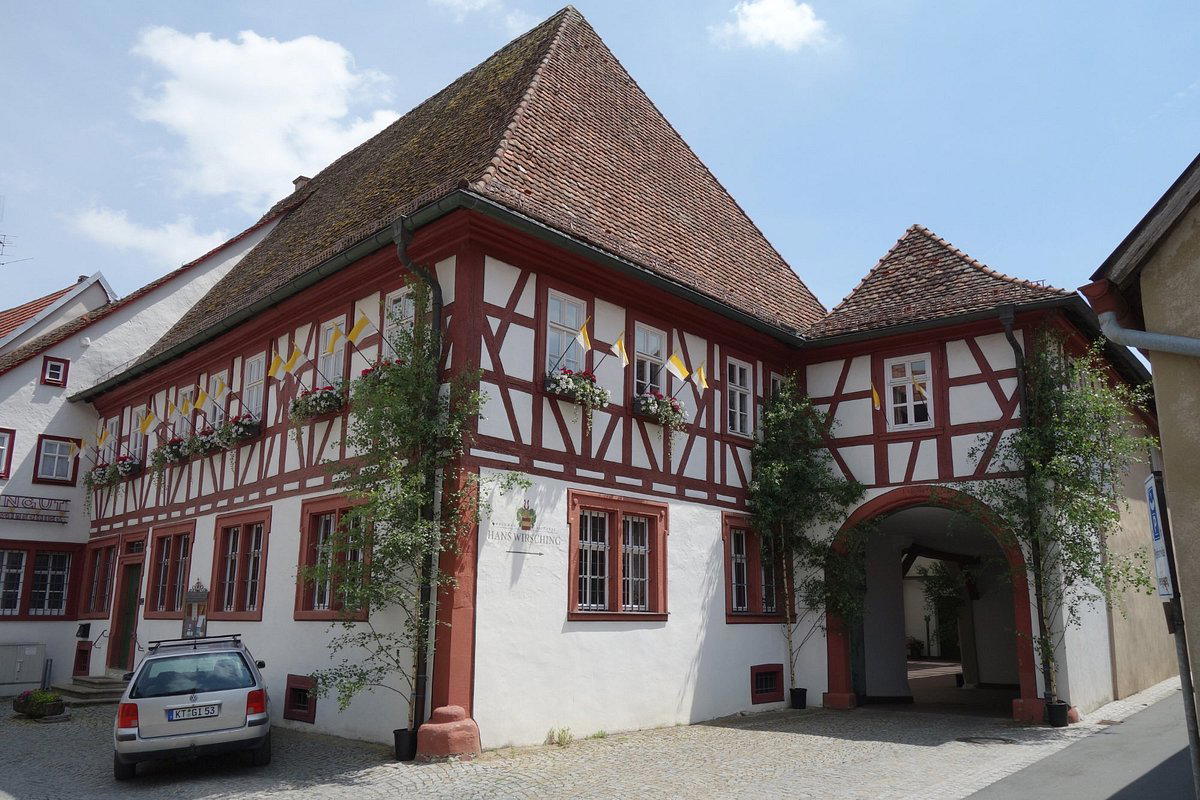
Details
- Rustic
- Cozy
- Sophisticated
- Scenic
- Wine Education
- Group Outing
- Special Occasion
- Solo Exploration
- Design Destination
- Historic Building
- Private Tasting
- Vineyard Tour
- Sustainable
- Vineyard
- Müller Thurgau
- Gewürztraminer
- Weißburgunder
- Gelber Muskateller
- Silvaner
- Scheurebe
- Still White
- Still Red
- Tasting Room
- Vineyard Tasting
- Food Paired Tasting
Bright, wood-dominated vinothek with a finely appointed interior and a sense of warm, welcoming craftsmanship; tastings are paired with regional tapas and the setting emphasizes the sensory experience.