
Württembergische Weingärtner-Zentralgenossenschaft e.G. belongs to the production side of Württemberg wine: cooperative, industrial in mood, and built around scale rather than salon-style hospitality. Its identity is anchored in Möglingen, still red and rosé styles, and the collective logic of member-grower wine rather than a single-estate narrative.
Pearl is the En Primeur Club membership app — saves, bookings, and concierge access live there. Same editors, same standards.
- Address
- Möglingen, Württemberg, Baden-Wuerttemberg, Deutschland
- Directions
- Get directions
 Saves & bookings on Pearl
Württembergische Weingärtner-Zentralgenossenschaft e.G. in Moglingen is best approached with a clear expectation: this is a cooperative winery and bottling facility, not a hospitality-led tasting-room address. The character of the venue is production-oriented, functional, industrial, and classic. That gives the place a different kind of interest from venues built around polished hosting, extended tasting rituals, or restaurant-style service.
For EP Club readers, the useful distinction is simple. Württembergische Weingärtner-Zentralgenossenschaft e.G. should be read as wine infrastructure rather than wine theatre. Its appeal lies in understanding the working side of a cooperative winery and bottling operation in Moglingen. The atmosphere is not described as intimate, boutique, or luxury-led; it is practical and facility-driven.
Cooperative winery context, read through function
The strongest lens for Württembergische Weingärtner-Zentralgenossenschaft e.G. is its role as a cooperative winery and bottling facility. That wording matters because it frames the venue around production rather than leisure. A cooperative facility is not necessarily trying to offer the same experience as a small cellar door, a restaurant, or a wine bar. Here, the confirmed identity points toward process, organization, and bottling work.
That makes the venue useful for travelers who want to understand a less romanticized side of wine. Many wine itineraries focus on scenery, hospitality, cellar design, or the personalities behind individual estates. This address is more grounded in the practical mechanics of getting wine handled and bottled within a cooperative setting. The description does not support claims about specific grapes, named wines, tours, awards, capacity, opening arrangements, or a public tasting format, so the honest reading stays broader: this is a working wine facility with a functional atmosphere.
The price indicator is listed as $, which places it at the accessible end of the guide’s pricing shorthand. It is simply the confirmed price category attached to the venue.
In editorial terms, the winery is most compelling when treated as a production-side listing. Instead, they point to a cooperative winery and bottling facility with an industrial, functional, classic mood. That is enough to define its place in the guide without adding unsupported decoration.
The experience is production-led, not hospitality-led
The atmosphere is the clearest confirmed feature: industrial, functional, and classic. Those words set the tone better than luxury language would. Visitors should not expect the page to promise a lounge-like tasting room, restaurant seating, a guided pairing, or a boutique cellar experience, because none of those details. The safer and more accurate expectation is a facility whose identity is shaped by wine production and bottling.
This production-led character can still be interesting. For some travelers, particularly memorable wine experiences are not especially theatrical ones. A cooperative winery and bottling facility can reveal how wine exists as work: as handling, organization, storage, bottling, and operational flow. The value is not necessarily softness or spectacle. It is the chance to think about wine as a regional product that moves through a functional system.
That distinction also helps prevent a common mismatch. If, however, the visitor is interested in the practical side of wine production in Moglingen, the venue’s cooperative and bottling-facility identity is directly relevant.
The guide therefore avoids claiming more than is known. Those omissions are important. They keep the recommendation honest and make the listing more useful for readers who need grounded information rather than embellished travel copy.
How to place it in a Moglingen wine itinerary
In a Moglingen itinerary, the winery works well as a production-context stop on paper: a way to understand that wine in the city is not only about hospitality settings, but also about cooperative winery and bottling infrastructure. The facts support that narrow but meaningful role.
Because no other specific comparison venue is the fairest comparison is generic. Travelers can contrast this production-oriented facility with other dining or drinking options in Moglingen without assuming they serve the same purpose. A restaurant, bar, or hotel may be chosen for comfort, service, or atmosphere; the winery is defined here by its cooperative winery and bottling function.
The editorial recommendation is therefore precise rather than expansive. Consider the winery if you are interested in the working, functional side of wine in Moglingen. Do not rely on this listing for promises about tasting formats, appointment rules, grape varieties, awards, or food service. Its confirmed identity is simpler and stronger: a $ cooperative winery and bottling facility with an industrial, functional, classic atmosphere.
Recognition history
Dated appearances from independent guides and award organizations, with the underlying list record or original source where available.
Falstaff Winery - Listed
Falstaff
Continue exploring
More in Moglingen
Wineries in Moglingen
Browse all →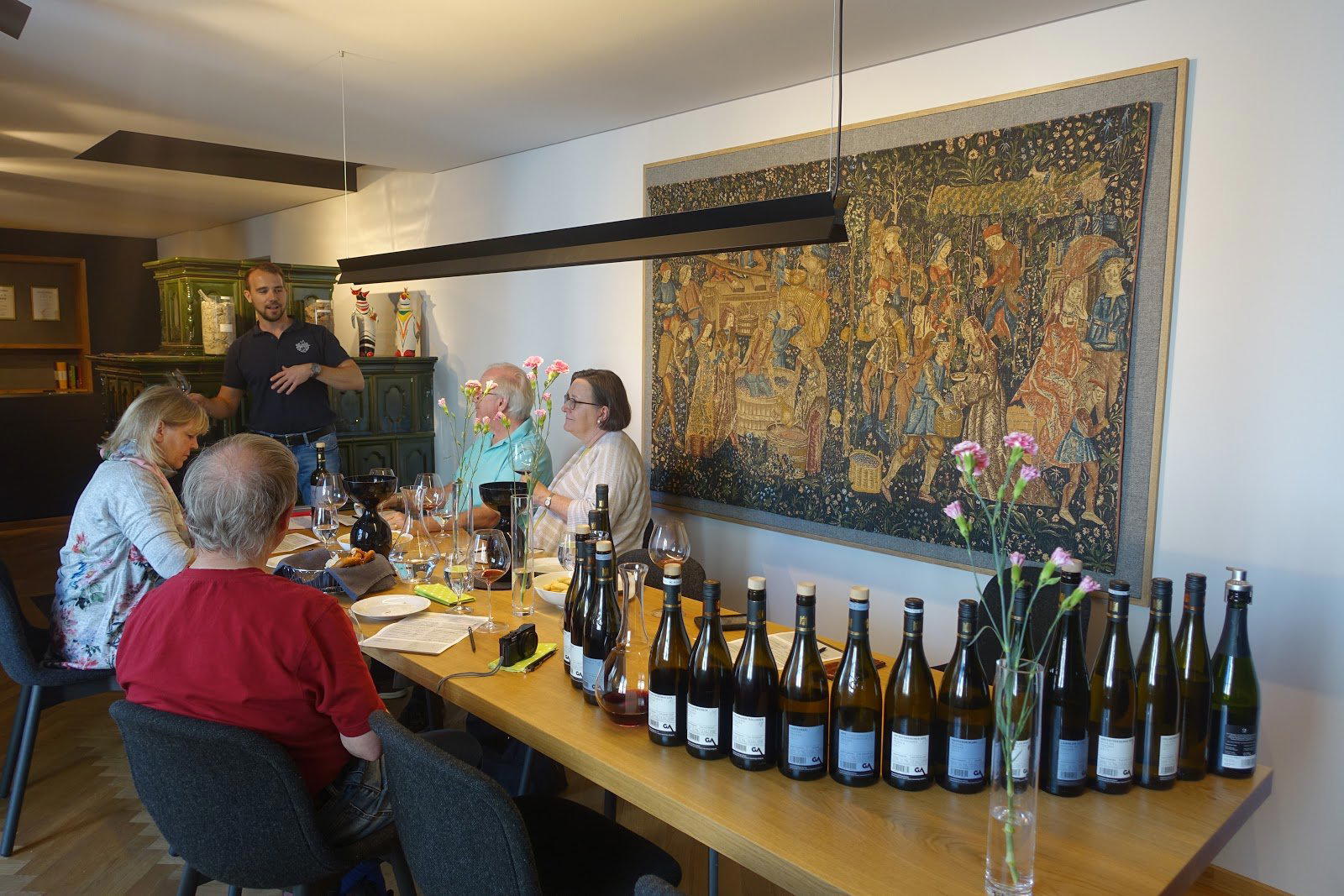
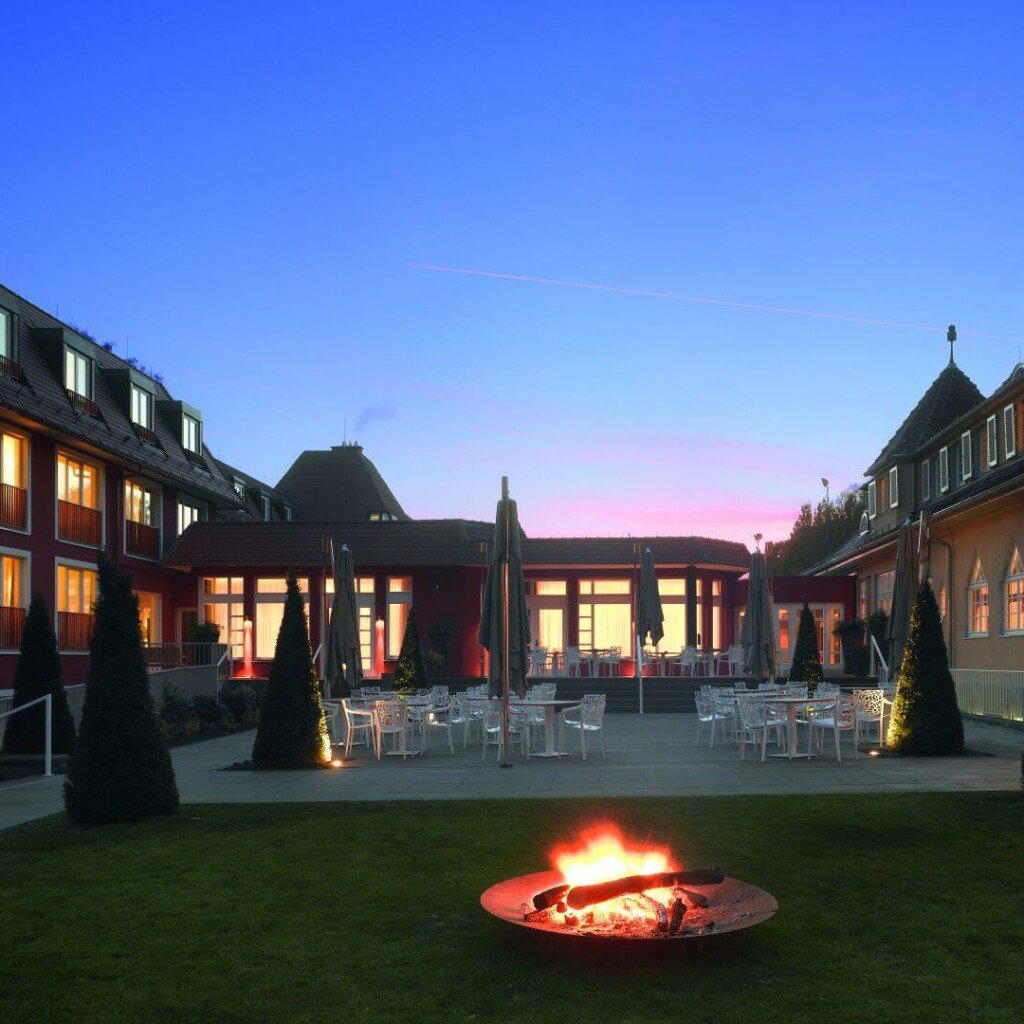
Bars in Moglingen
Browse all →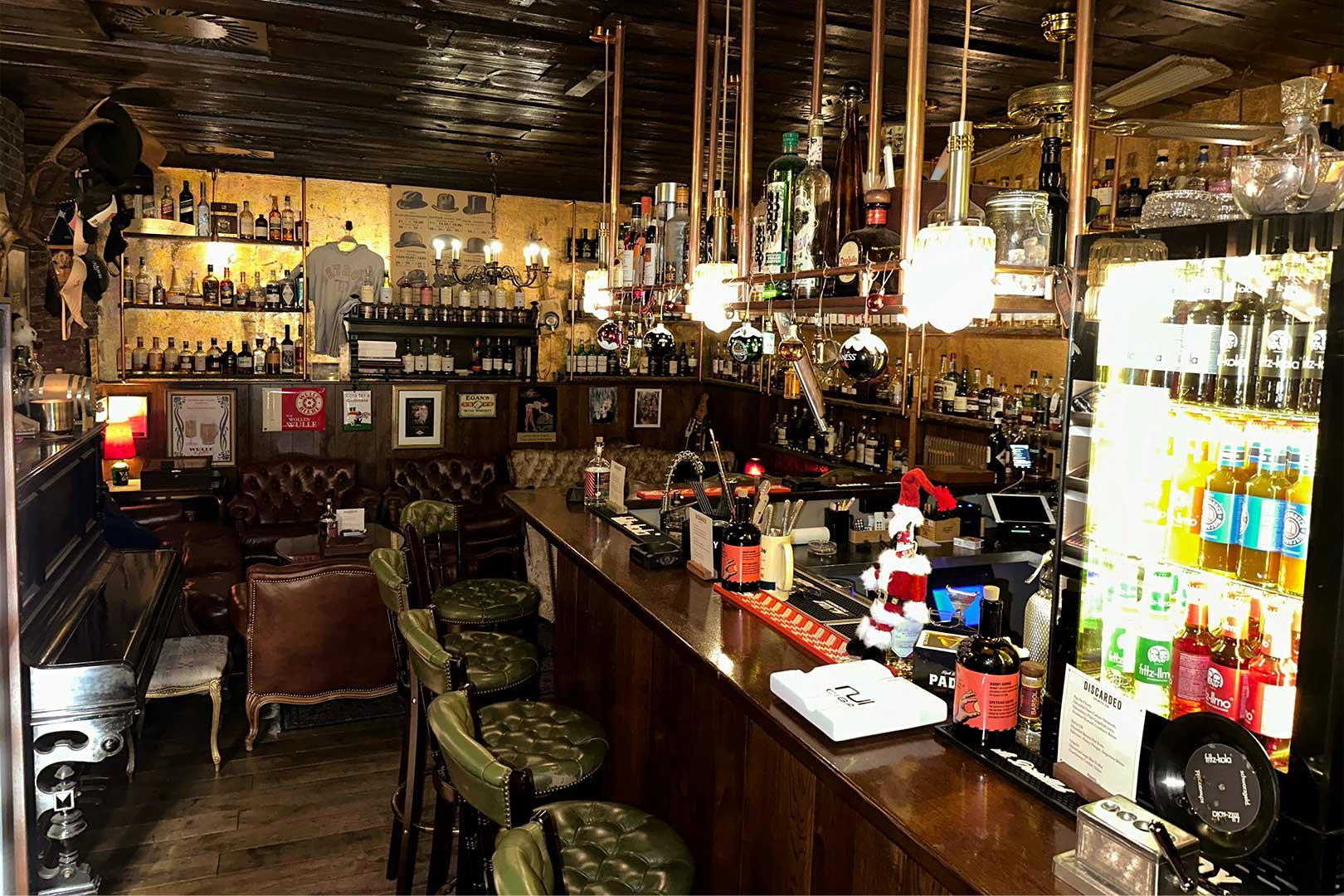
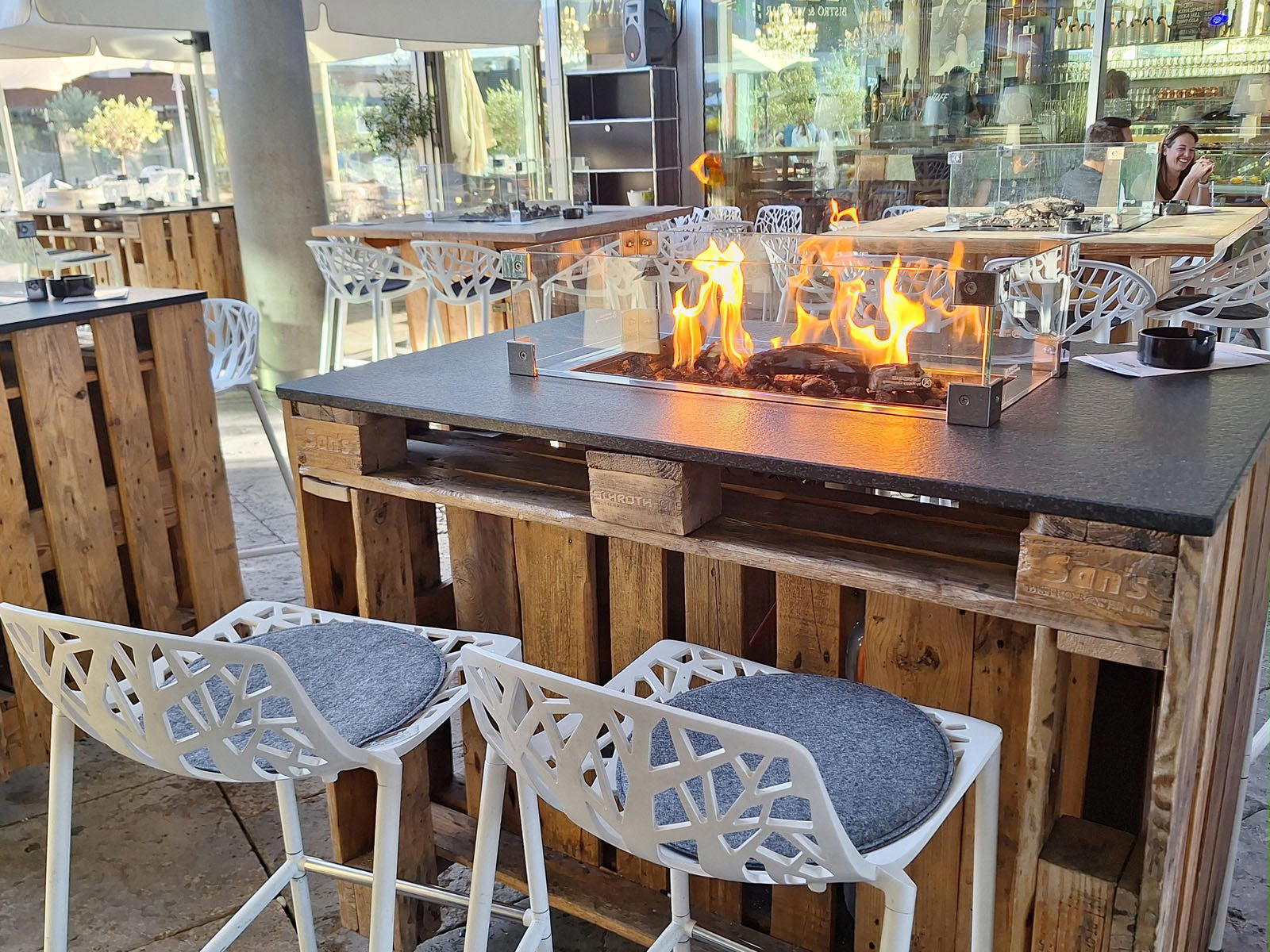

Restaurants in Moglingen
Browse all →
At a Glance
- Industrial
- Classic
- Corporate Event
- Group Outing
- Württemberg
- Trollinger
- Rosé
- Schwarzriesling
- Still Red
- Still Rosé
A cooperative winery and bottling facility with a production-oriented, functional atmosphere rather than a hospitality-led tasting-room setting.