
Falstaff Winery - 4 Stars
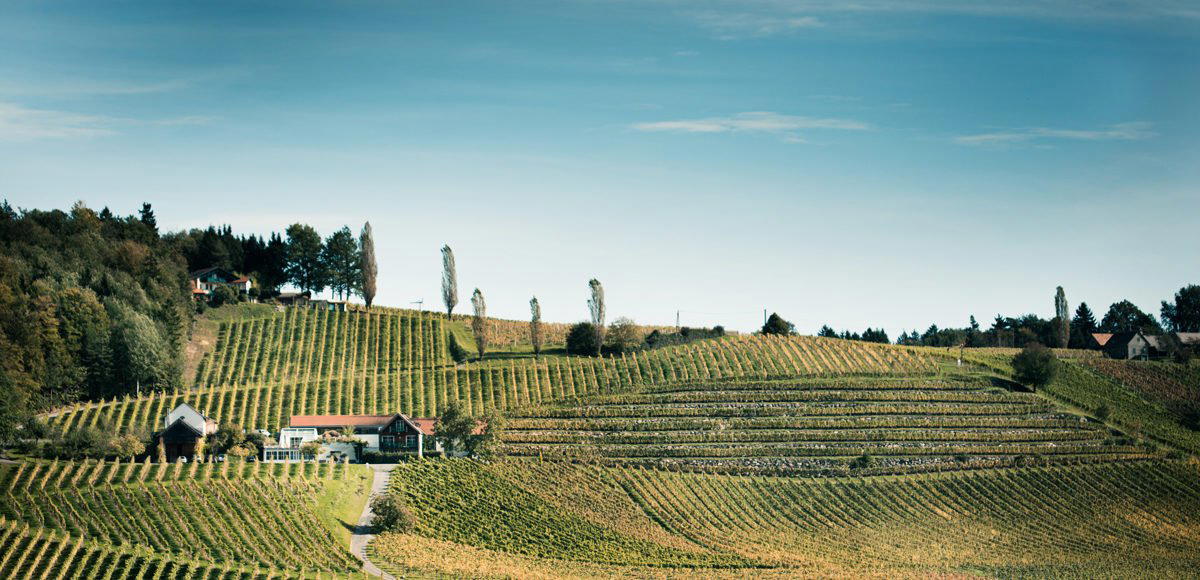
Vino Gross is a small natural-wine estate in Zgornja Kungota, rooted in Štajerska’s Maribor and Haloze appellations. Its identity comes from steep hand-tended vineyards, biodynamic and organic farming, spontaneous fermentation, long lees aging, and unfiltered bottlings built around regional grapes such as Furmint, Laški Rizling, Sauvignon Blanc and Traminec.

Pearl is the En Primeur Club membership app, where members save venues, book tables and use the concierge.

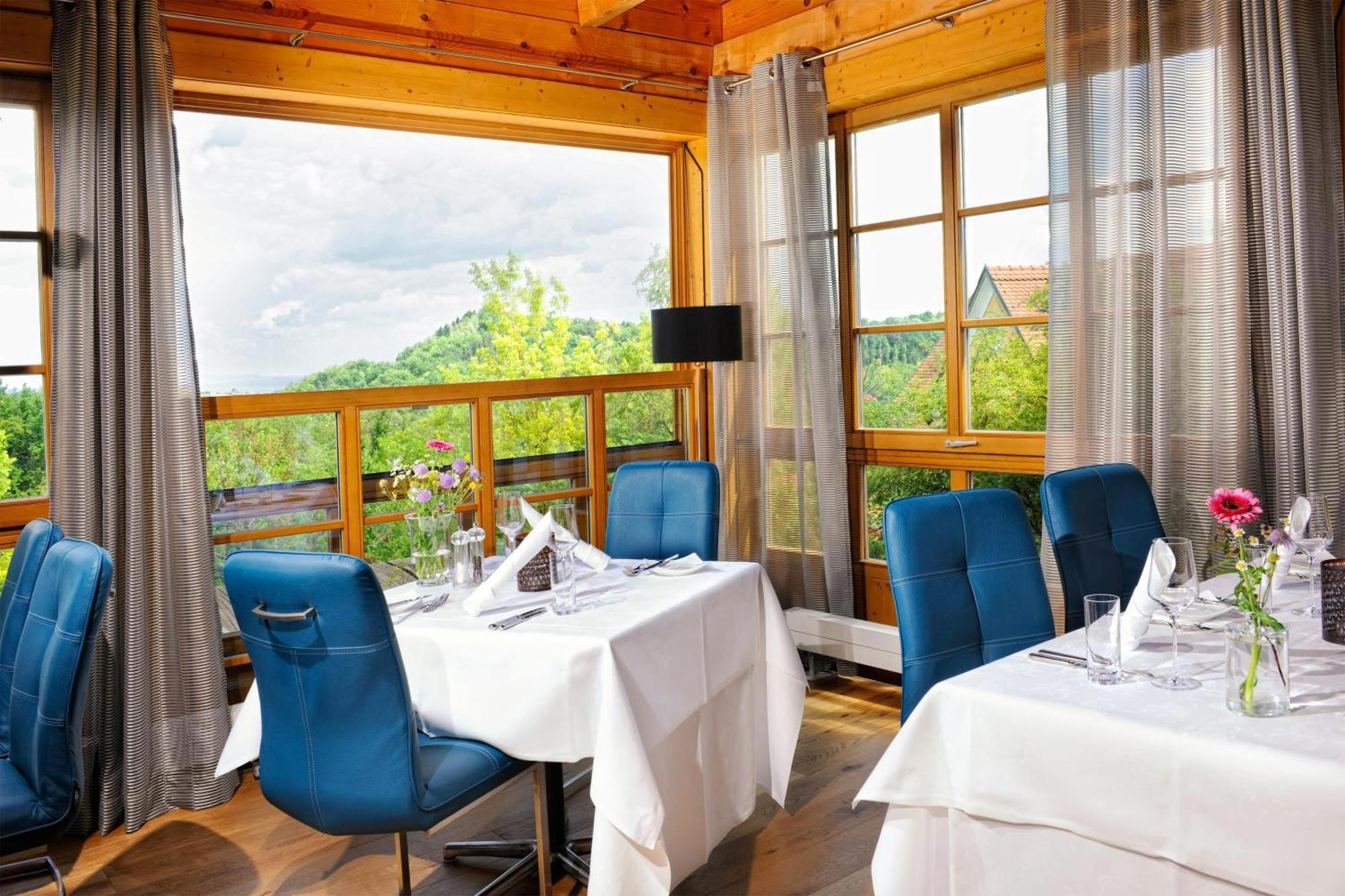
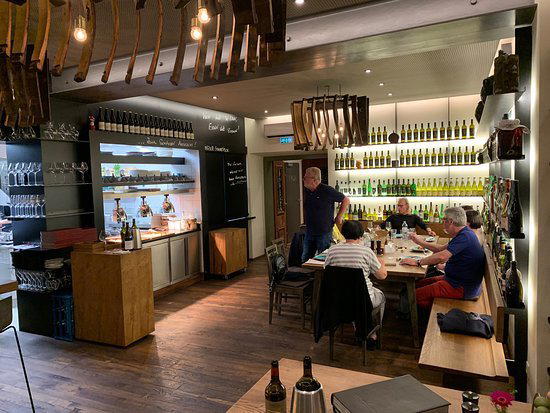
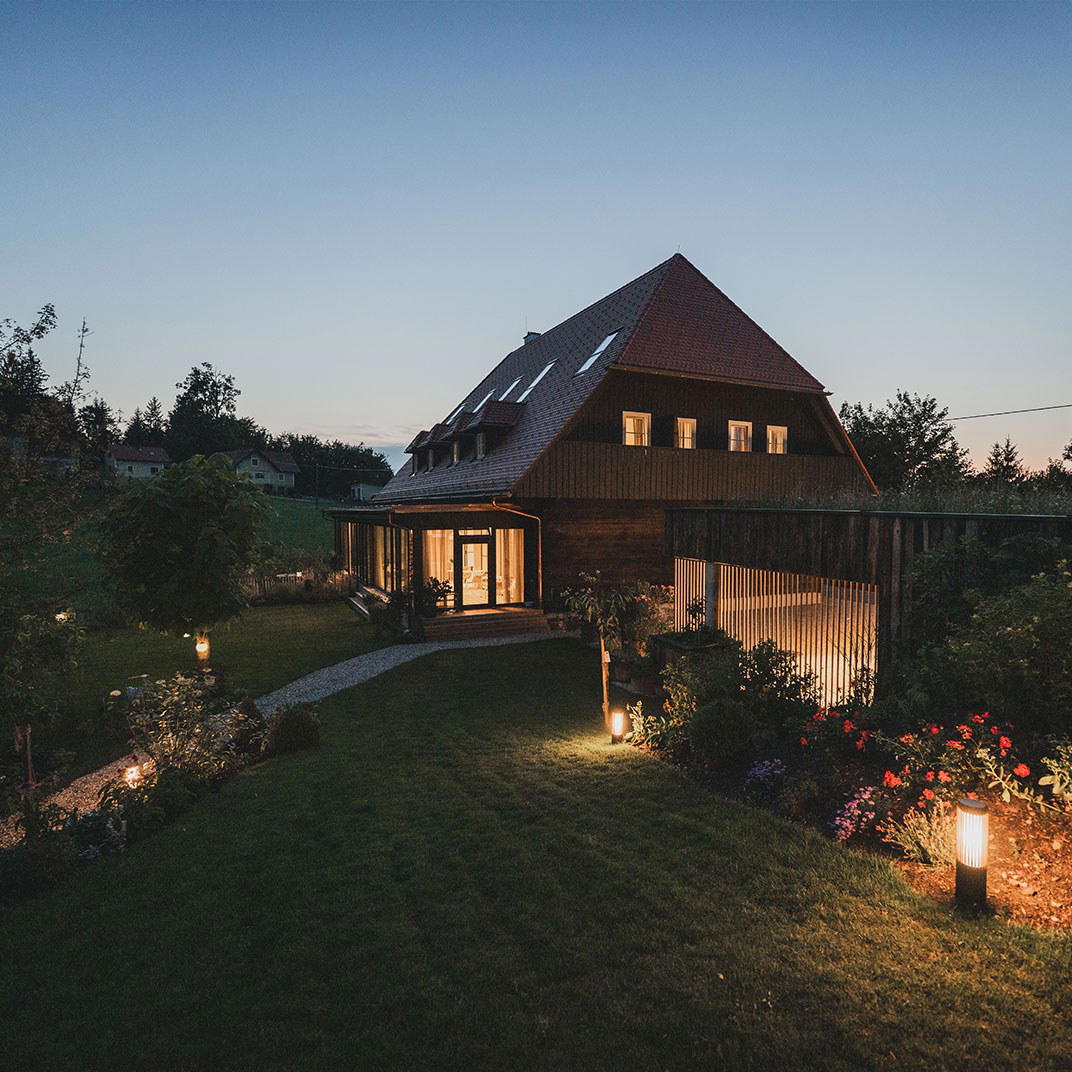
Vino Gross in Zgornja Kungota is best understood through a restrained, land-conscious lens. Instead, the clearest facts point to a quiet, rustic and scenic place with an intimate hidden-gem character, shaped by sustainability, biodiversity and a handcrafted cellar-to-vineyard approach.
That makes Vino Gross a useful stop for travelers who are interested in low-intervention wine culture without needing the experience to be framed by luxury language. The emphasis is understated rather than showy: a natural sensibility, a close relationship between farming and cellar work, and a style of hospitality that reads as calm and rural rather than polished or theatrical.
Steep Štajerska vineyards shape the estate before the cellar does
The strongest theme at Vino Gross is the connection between the cellar and the vineyard. The venue is described through a natural, low-intervention and handcrafted approach, with sustainability and biodiversity at the center of its identity. Even without relying on figures or site names, that tells visitors what kind of experience to expect: one where the appeal comes less from spectacle and more from the feeling of a working wine landscape.
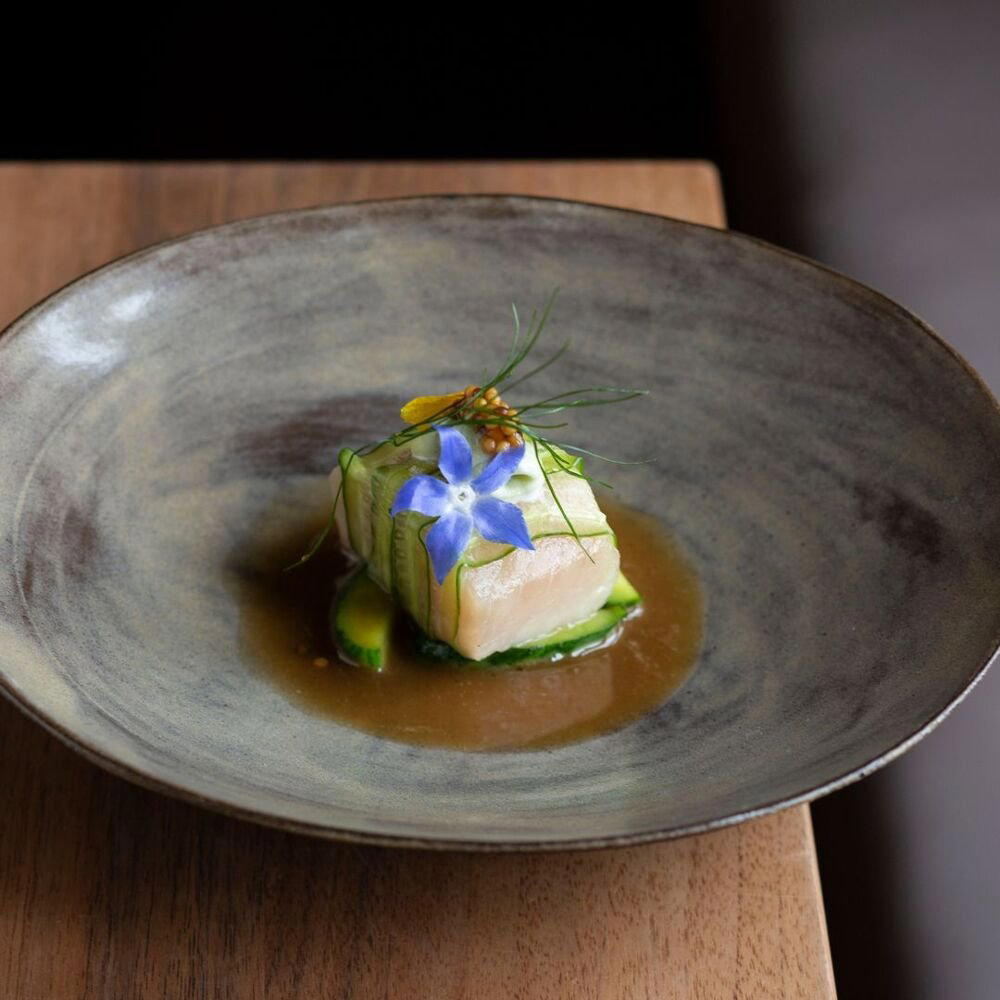
For EP Club readers, the practical point is to approach Vino Gross as a slow, atmosphere-led visit in Zgornja Kungota. The setting is quiet, rustic and scenic, and the tone is intimate. It is not presented here as a place defined by a formal menu, a chef-driven restaurant format, a published ranking or a specific award history. Its draw is the combination of landscape, sustainability-minded work and an understated low-intervention identity.
Minimal intervention here is a production discipline, not a slogan
“Natural” and “low-intervention” can be broad terms, but in the description of Vino Gross they are tied to sustainability, biodiversity and a cellar-to-vineyard way of thinking. That matters because it keeps the focus on production philosophy rather than on marketing shorthand.
Visitors who already enjoy natural or low-intervention wine will likely recognize the appeal: Vino Gross sit in the quieter part of the category, where farming choices, biodiversity and small-scale craft are more important than a high-gloss hospitality narrative. Those looking for a conventional checklist of amenities should confirm details directly before planning around them.
The price level is listed as $$, which places Vino Gross in a moderate bracket for planning purposes. As with any small, atmosphere-led venue, confirming current arrangements directly is sensible before building a day around it.
A small-format visit for wine education, not spectacle
Vino Gross works well in an itinerary when treated as a quiet Zgornja Kungota experience rather than as a venue with a long roster of confirmed services. The descriptors point to a rustic, scenic, intimate and hidden-gem character. That makes it especially suitable for travelers who value setting, sustainability and a low-intervention point of view.
What should not be assumed is just as important. Those details may matter to a trip, but they are not established here. A responsible guide should therefore keep the recommendation focused on what is known: Vino Gross is a Zgornja Kungota venue with a natural, low-intervention and understated identity, a strong sustainability and biodiversity focus, and a handcrafted cellar-to-vineyard approach.
For a broader Zgornja Kungota plan, compare Vino Gross with other local dining, wine and hospitality options generically rather than assuming that every nearby venue shares the same focus. Vino Gross stands out in this profile for its quiet scenic setting and its sustainability-minded, low-intervention character. Build the rest of the day around transport, timing and the level of structure you want, then verify current visit details directly before committing.
In short, Vino Gross is not a page to sell through inflated claims. Its appeal is simpler and more grounded: a moderate-price, quiet and rustic Zgornja Kungota venue with an intimate atmosphere, scenic character, and a natural cellar-to-vineyard philosophy centered on sustainability and biodiversity.
Recognition history
Dated appearances from independent guides and award organizations, with the underlying list record or original source where available.
Falstaff Winery - 4 Stars
Falstaff
Continue exploring
More in Kungota
Wineries in Kungota
All wineries in Kungota →
Bars in Kungota
Browse all →


Details
- Quiet
- Rustic
- Scenic
- Intimate
- Solo Exploration
- Special Occasion
- Wine Education
- Estate Grounds
- Vineyard Tour
- Private Tasting
- Organic
- Biodynamic
- Vineyard
- Mountain
- Furmint
- Sauvignon Blanc
- Laški Rizling
- Traminec
- Gelber Muskateller
- Müller Thurgau
- Still White
- Still Red
- Sparkling
- Private Tasting
- Vineyard Tasting
Natural, low-intervention and understated, with a strong focus on sustainability, biodiversity, and a handcrafted cellar-to-vineyard approach.