
Falstaff Winery - 1 Stars
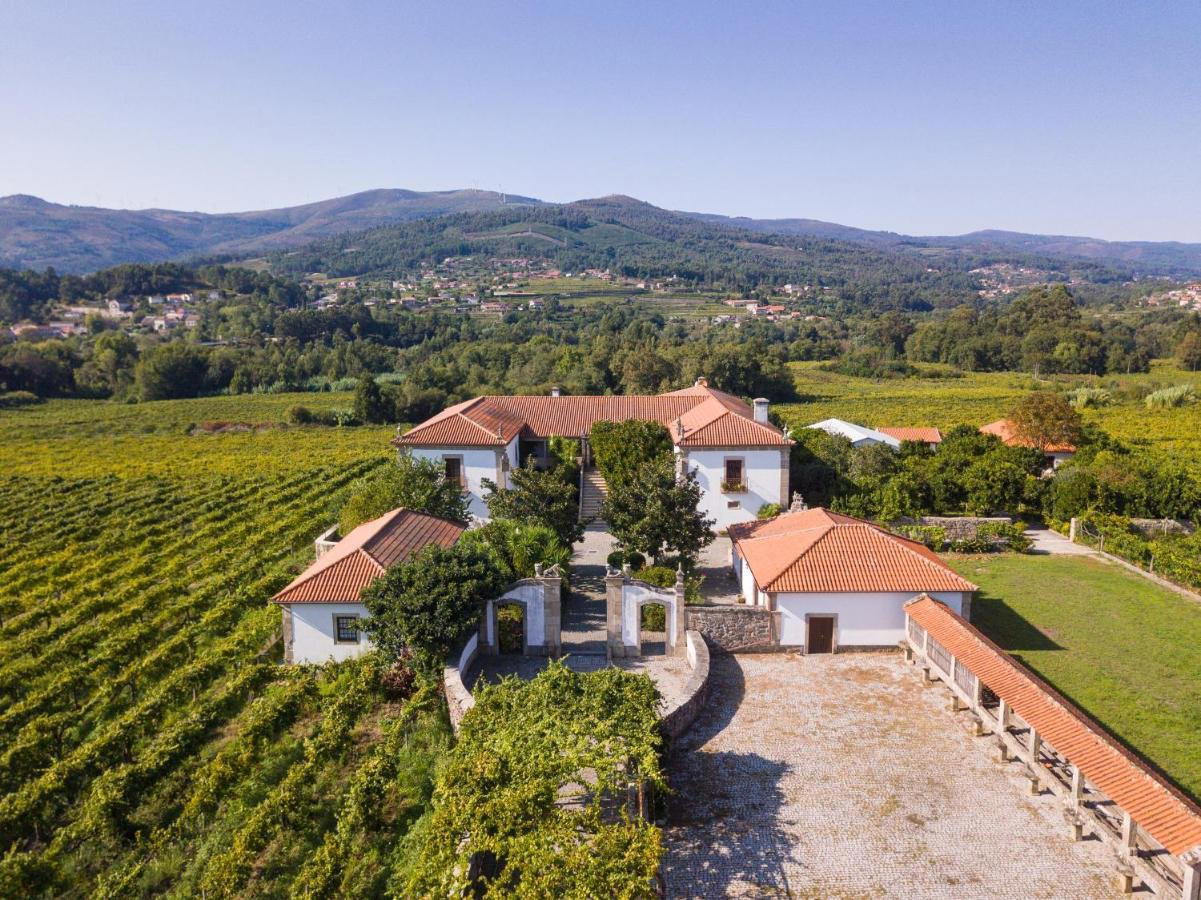
Viña Costeira is a large Ribeiro cooperative in Ribadavia, founded in 1968 and closely tied to the modern revival of native Galician grapes. Its wine-tourism format is calm and educational, with guided tastings, vineyard views, family-friendly pacing, and a historic-estate dimension through Pazo de Toubes.

Pearl is the En Primeur Club membership app — saves, bookings, and concierge access live there. Same editors, same standards.
- Address
- Ribadavia, Ribeiro, Galicia [Galicia], Spanien
- Directions
- Get directions
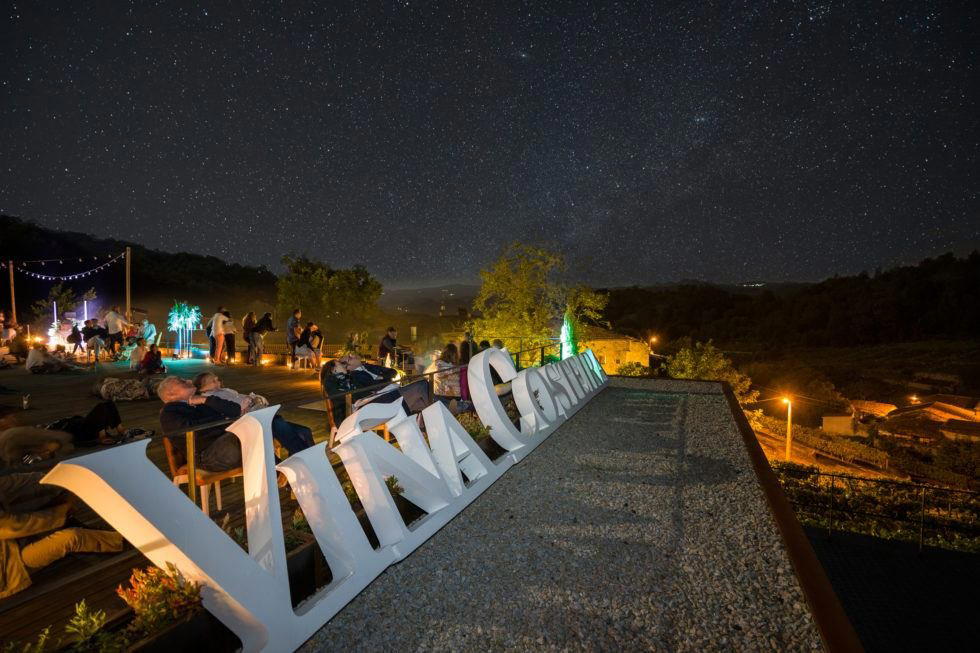
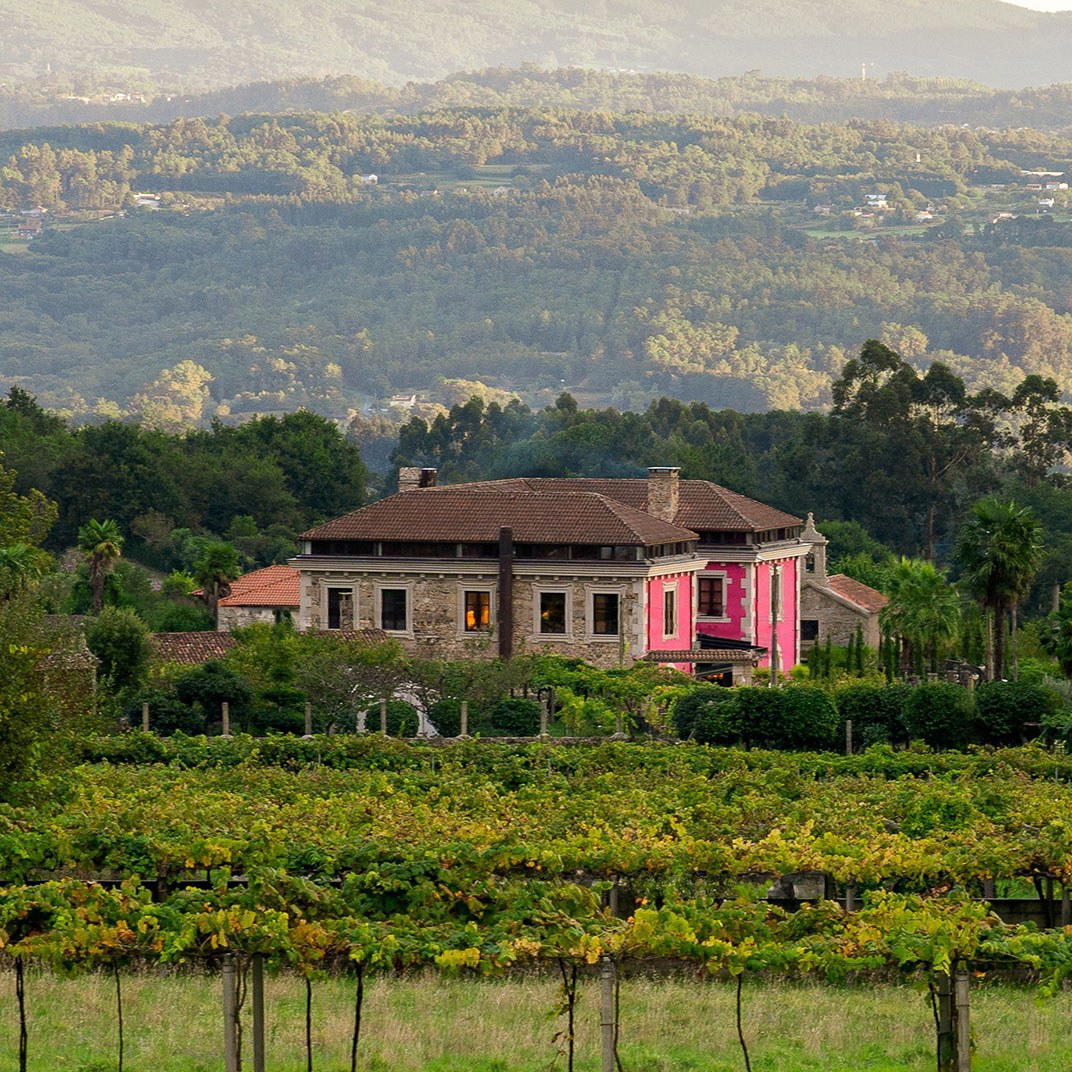
Viña Costeira in Ribadavia is best understood as a large, established cooperative winery rather than a small, intimate cellar. The picture is broad but useful: a calm wine-tourism setting with production facilities, vineyard views and a historic estate atmosphere. That gives the visit a practical, educational character. The appeal is not built on a confirmed chef, tasting-menu format, award list or narrow luxury hook; it is the setting of a working winery where scale, landscape and a quieter rhythm are part of the experience.
For travellers planning time in Ribadavia, that distinction matters. Some winery pages lean on detailed claims about grape varieties, guided formats, estate history, service schedules or accolades. Those specifics are not part of the information available here, so the safer way to frame Viña Costeira is as a scenic, rustic and classic cooperative winery environment. It suits visitors who want a grounded wine-tourism stop with views and production context rather than a restaurant-style destination described through menus or service rituals.
Ribeiro through cooperative scale and vineyard views
The strongest feature of Viña Costeira is its setting and institutional character. It is a large cooperative winery in Ribadavia, and the atmosphere is described as calm and educational. That means the experience should be approached as a place to understand a working wine environment at scale: production buildings, vineyard views and a historic estate setting form the core of what is known.
The editorial value instead lies in the broader, confirmed profile. Viña Costeira presents the feel of an established cooperative winery: scenic, quiet, rustic, classic and family-friendly. Those descriptors are enough to distinguish it from a purely urban tasting room or a restaurant whose appeal depends on a chef-led menu.
Visitors who prefer highly detailed technical tastings may want to confirm current formats directly before going. What can be said confidently is that the place belongs to the wine-tourism side of Ribadavia and that its atmosphere is calmer and more educational than theatrical.
A wine-tourism setting built around context rather than ceremony
Viña Costeira’s confirmed character points toward context. The production facilities suggest a working-winery backdrop, while the vineyard views and historic estate setting give the visit a sense of place. The tone is quiet, rustic and classic rather than flashy. For families or groups who want an easygoing winery stop in Ribadavia, that makes the venue approachable without needing to claim luxuries or special formats.
It is also useful to separate what is known from what is not. A responsible guide should therefore keep the focus on Viña Costeira itself: a cooperative winery environment with a calm educational feel, production context and vineyard scenery.
The price level is the one concrete practical figure available: Viña Costeira is listed at $17 per person. That gives travellers a basic cost expectation, though it should not be expanded into claims about what is included. If the exact current offer matters, check directly before planning around a specific tasting, tour length or food component.
How to place it within a Ribadavia wine itinerary
Within a Ribadavia itinerary, Viña Costeira works well as a foundational wine-tourism stop. It gives travellers a way to experience a large cooperative winery setting, with the calm rhythm of production facilities and vineyard views rather than a destination defined by exclusivity. The atmosphere is scenic, quiet, rustic, classic and family-friendly, which makes it a practical choice for visitors who want an accessible-feeling introduction to the local wine landscape.
That does not mean every detail of the experience should be assumed. Without hours, booking rules, tasting structure or food service, the best planning advice is cautious: treat Viña Costeira as a winery visit in Ribadavia and confirm the current public offer directly if timing, accessibility, children’s suitability or a specific service matters. The known identity is strong enough without embellishment. It is a large established cooperative winery in a historic estate setting, and that is the honest hook.
To build a fuller Ribadavia trip, use Our full Ribadavia wineries guide alongside Our full Ribadavia restaurants guide, Our full Ribadavia hotels guide, Our full Ribadavia bars guide and Our full Ribadavia experiences guide. Other dining and travel choices in Ribadavia can be considered generically around the winery stop, but Viña Costeira remains the relevant named venue here.
Recognition history
Dated appearances from independent guides and award organizations, with the underlying list record or original source where available.
Falstaff Winery - 1 Stars
Falstaff
Full recognition history (2 entries)
Falstaff Winery - Listed
Falstaff
Continue exploring
More in Ribadavia
Wineries in Ribadavia
Browse all →

Bars in Ribadavia
Browse all →
Restaurants in Ribadavia
Browse all →
Hotels in Ribadavia
Browse all →
Details
- Scenic
- Quiet
- Rustic
- Classic
- Family
- Group Outing
- Special Occasion
- Corporate Event
- Celebration
- Vineyard Tour
- Estate Grounds
- Historic Building
- Private Tasting
- Panoramic View
- Sustainable
- Vineyard
- Mountain
- Treixadura
- Albariño
- Torrontés
- Loureira
- Lado
- Godello
- Caiño
- Brancellao
- Sousón
- Ferrón
- Mencía
- Still White
- Still Red
- Guided Tasting
- Commented Tasting
- Paired Tasting
- Spanish
- Galician
- English
A large, established cooperative winery with a calm, educational wine-tourism atmosphere, combining production facilities, vineyard views, and a historic estate setting.