
Falstaff Winery - Listed
Vercoope Uniao das Adegas Cooperativas is a large-scale Vinho Verde DOC cooperative in Agrela, founded in 1964 and built around the collective model that shaped much of northern Portugal’s wine economy. Expect an industrial winery context rather than a leisure-first cellar door, with production linked to seven member cooperatives and a portfolio focused on regional grapes including Loureiro, Alvarinho, Arinto, Azal, Trajadura, and Vinhão.

Pearl is the En Primeur Club membership app, where members save venues, book tables and use the concierge.

Vercoope Uniao das Adegas Cooperativas is best approached as a production-oriented winery/cooperative facility in Agrela rather than as a hospitality-led tasting room. The picture is industrial and practical: modern, technologically advanced cooperative infrastructure, a setting shaped by production, and a low price level. That makes it different from venues built around decorative interiors, restaurant-style service, or a highly staged visitor experience.
Because the confirmed information is limited, the most useful way to frame Vercoope Uniao das Adegas Cooperativas is by what is actually known. It is in Agrela, it sits in the $ price band, and its character is described as classic, industrial, and something of a. The available facts support a production-first identity, not detailed claims about menus, guided formats, grape varieties, founding dates, awards, visitor policies, or specific hospitality services.
Cooperative scale gives the visit a practical character
The strongest cue is the venue’s cooperative, winery-like setting. Rather than promising a polished lounge or a restaurant-style experience, the description points toward a working environment: industrial facilities, technology, and the visual language of production. For travelers, that distinction matters. A place like this is likely to appeal most to people interested in how wine infrastructure feels on the ground, especially when compared with more hospitality-focused venues.
It is important not to overstate the public record. Readers should therefore treat Vercoope Uniao das Adegas Cooperativas as a low-priced Agrela winery/cooperative listing with an industrial identity, not as a fully documented visitor attraction with a published experience to plan around in detail.
That thinner public profile can still be useful. Some venues are memorable because of their highly curated guest experience; others are useful because they show a more functional side of a region. The appeal is less about luxury theatre and more about the directness of a modern cooperative production setting.
The industrial room is the point, not a flaw
Industrial does not have to mean uninteresting. In this case, it is the central feature. The venue’s character is described through modern, technologically advanced winery/cooperative facilities rather than through romantic cellar language. That gives travelers a clear expectation: this is a practical, production-led environment in Agrela, not a place whose profile rests on fine dining, elaborate design, or a named tasting program.
The same caution applies to amenities. If those details matter, they should be checked directly with the venue before visiting. The grounded editorial point is simpler: Vercoope Uniao das Adegas Cooperativas is a $-level, industrial-style winery/cooperative facility in Agrela.
For readers comparing it with other options, the fairest comparison is with other dining or drink-related stops in Agrela in a general sense, without assuming they share the same format. Vercoope Uniao das Adegas Cooperativas should be understood on its own terms: a classic, industrial, hidden-gem venue whose identity is tied to cooperative production infrastructure rather than a hospitality-forward concept.
Who this winery suits
Vercoope Uniao das Adegas Cooperativas suits travelers who are comfortable with a functional setting and who are curious about the production side of wine-related places. It is not possible, from the facts alone, to promise a particular tasting, tour, menu, bottle list, guided visit, or service rhythm. What can be said is that the venue’s confirmed profile is low-priced, industrial, and rooted in modern cooperative facilities.
That makes it a useful listing for visitors who prefer direct places over highly polished ones. The “” descriptor suggests understated appeal, while the industrial and classic tags keep expectations grounded. Go for the character of the place, not for unsupported assumptions about awards, rare bottles, chef-led food, or a formal tasting room.
The best planning advice is therefore conservative: treat Vercoope Uniao das Adegas Cooperativas as an Agrela venue with a production-first identity and verify any practical details directly before making a trip. Within those limits, it stands out as a grounded, no-frills counterpoint to more hospitality-focused experiences.
Recognition history
Dated appearances from independent guides and award organizations, with the underlying list record or original source where available.
Falstaff Winery - Listed
Falstaff
Continue exploring
More in Agrela
Wineries in Agrela
All wineries in Agrela →
Bars in Agrela
Browse all →

Restaurants in Agrela
Browse all →
Details
- Classic
- Industrial
- Group Outing
- Corporate Event
- Historic Building
- Loureiro
- Alvarinho
- Arinto
- Azal
- Trajadura
- Vinhão
- Still White
- Still Red
- Sparkling
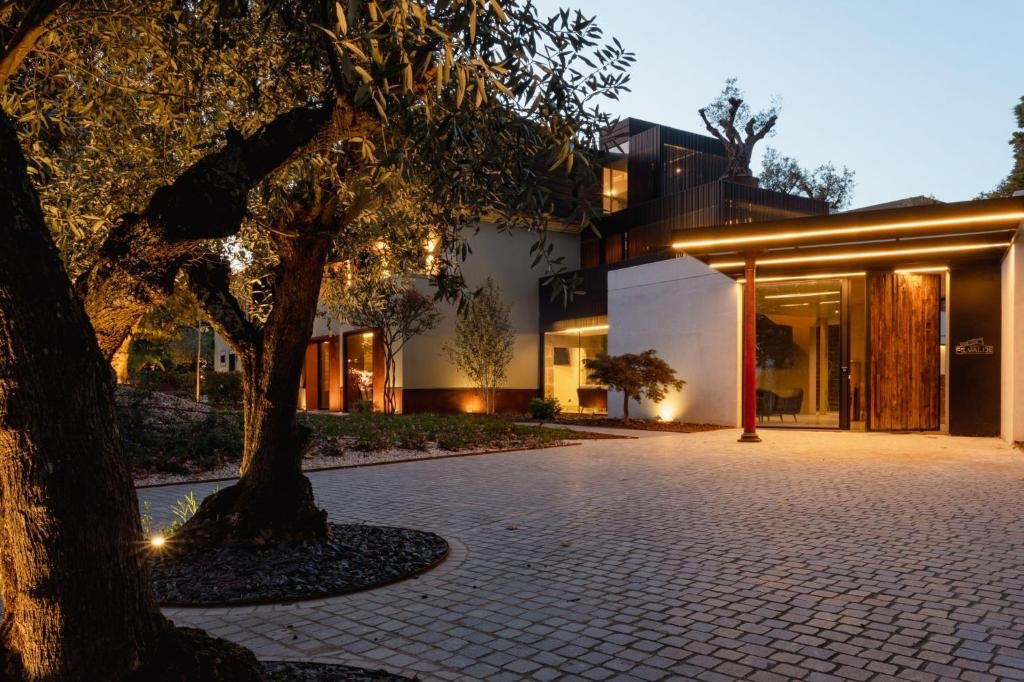
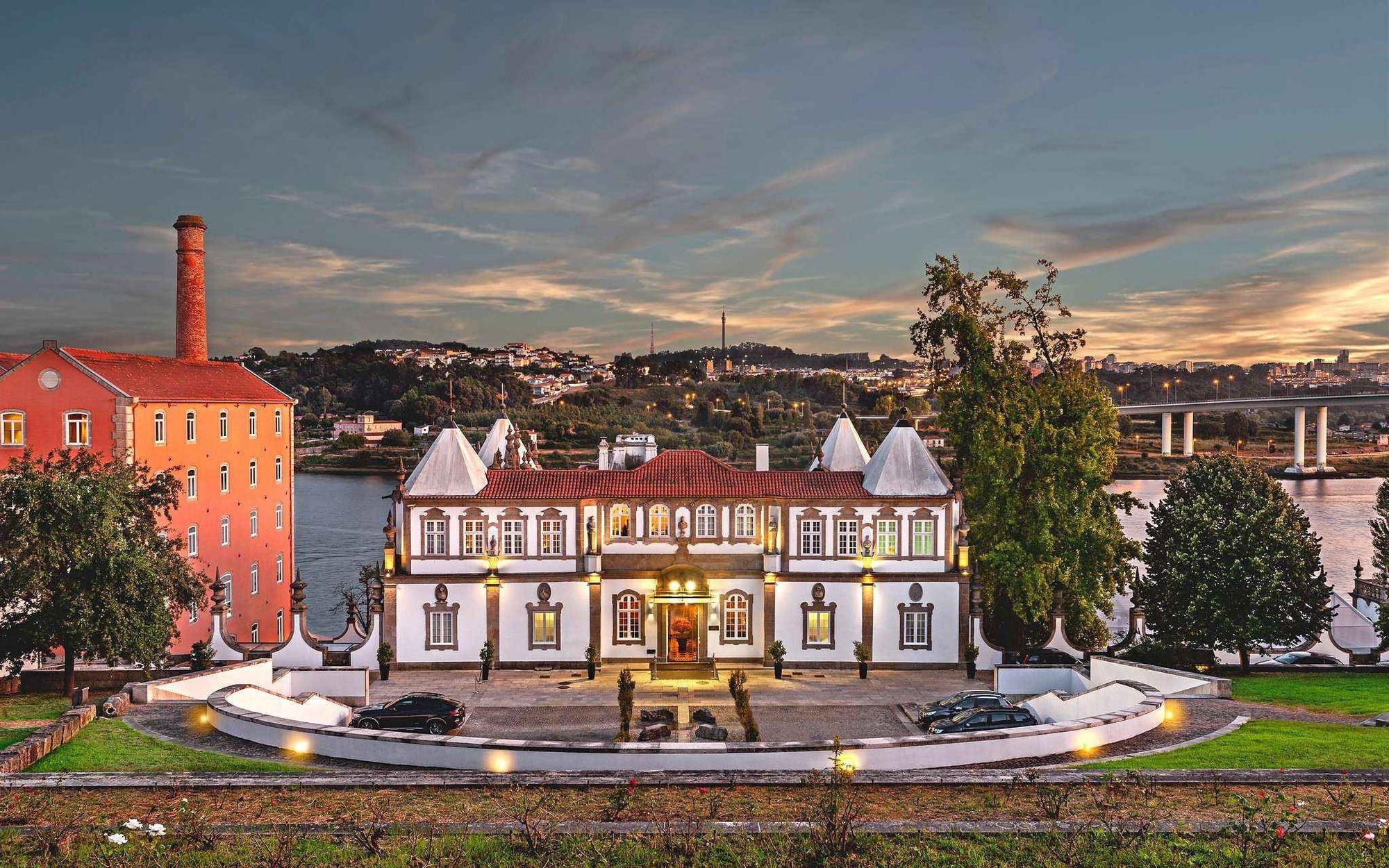
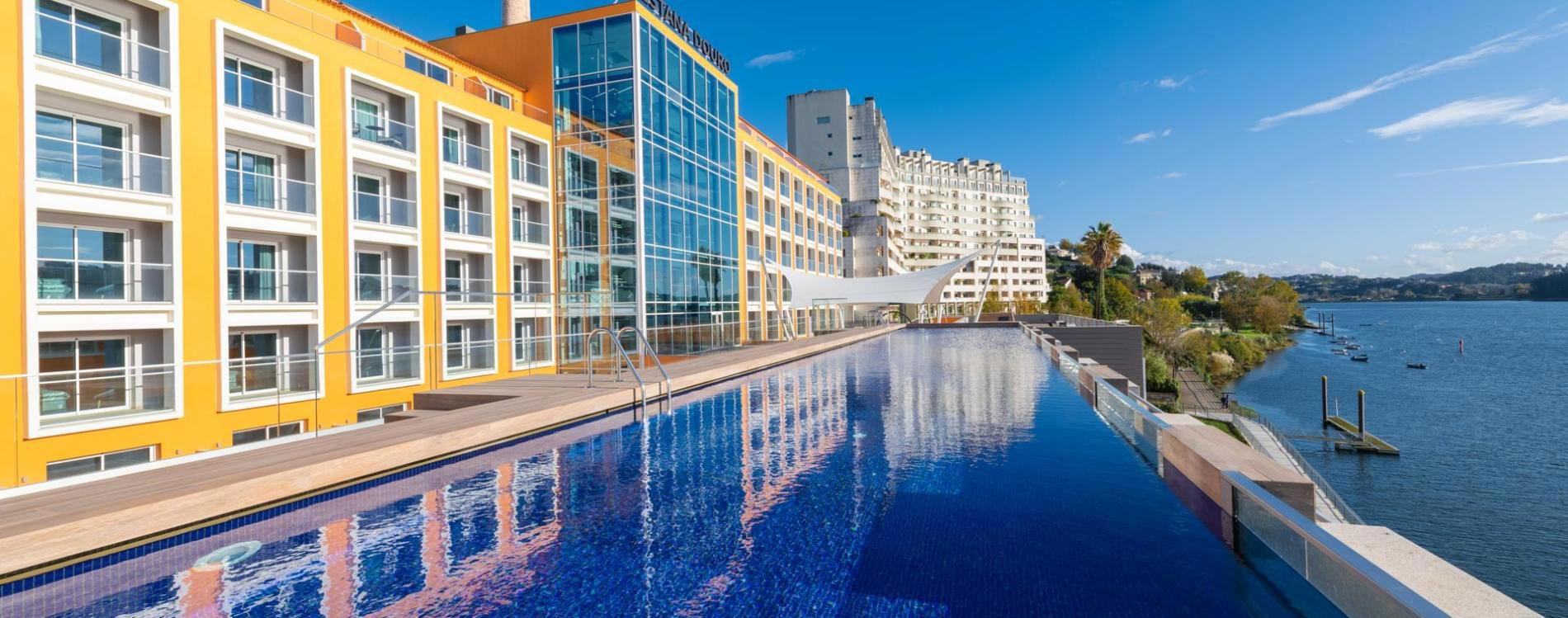
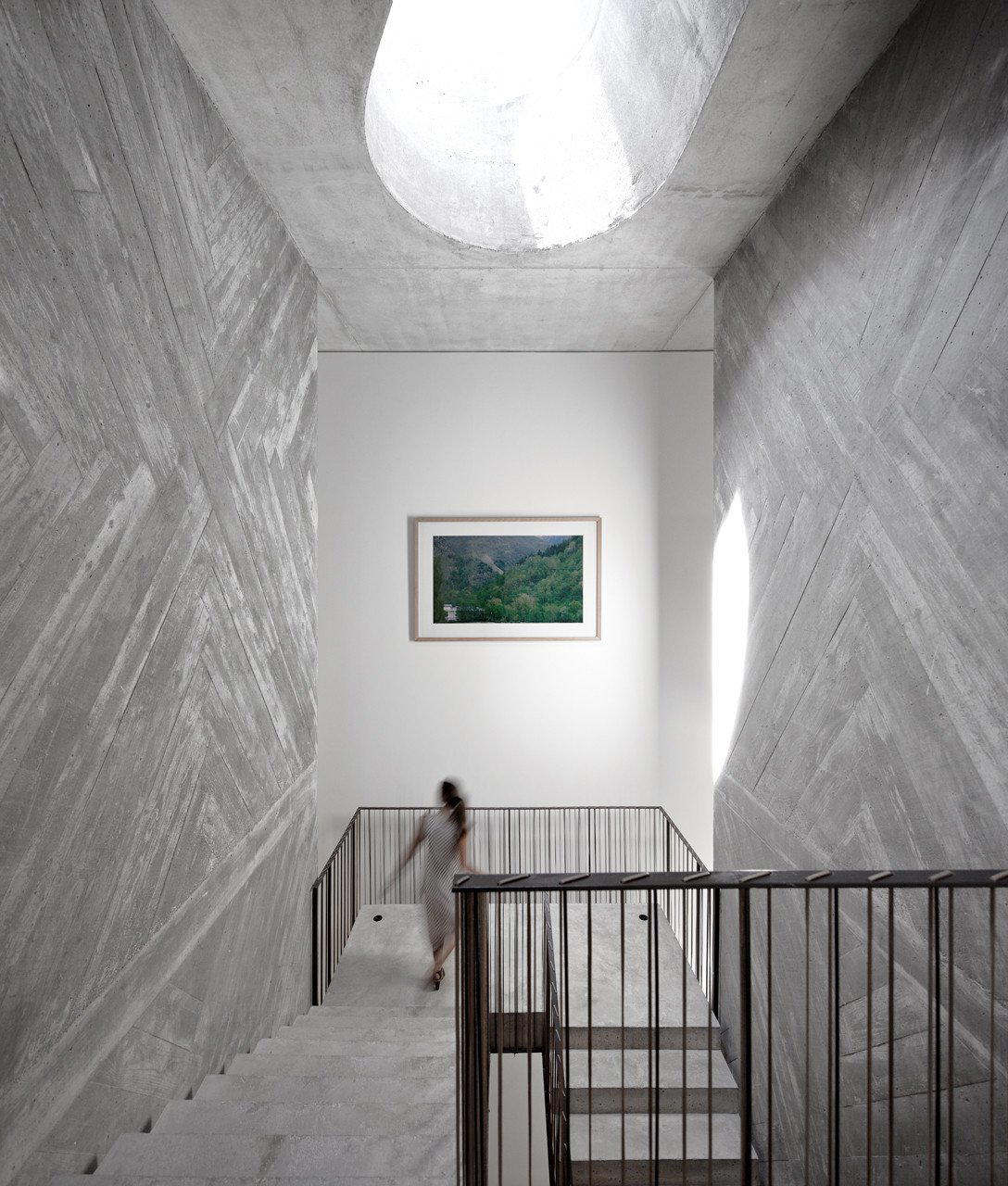
Modern, technologically advanced winery/cooperative facilities with an industrial production setting rather than a hospitality-focused tasting room.