SANDER ökologische Weine

Falstaff Winery - 3 Stars
SANDER ökologische Weine gives Mettenheim a serious ecological wine address, grounded in Rheinhessen soils rather than cellar theatrics. The estate works biodynamically, farms 35 hectares, and builds its identity around living soils, classic regional varieties, amphora Chardonnay, Winzersekt, and historical grapes such as Grünfränkisch and Fränkischer Burgunder.

Pearl is the En Primeur Club membership app — saves, bookings, and concierge access live there. Same editors, same standards.

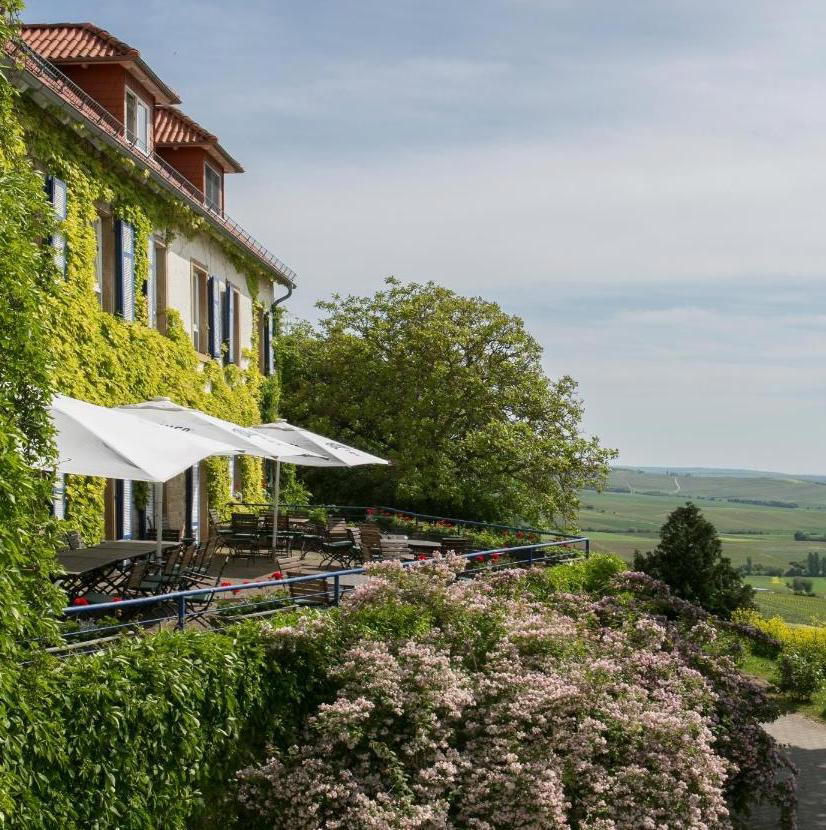
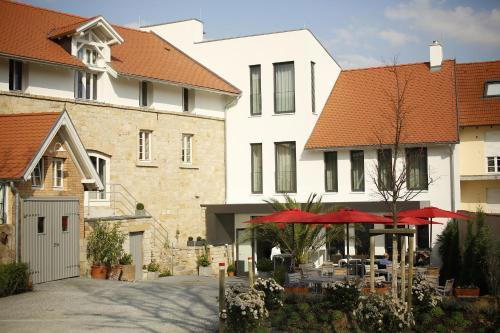
Mettenheim is a quiet setting for SANDER ökologische Weine, a family-run organic winery whose appeal is rooted in ecological farming rather than spectacle. The character of the place is nature-focused and terroir-driven, shaped by biodynamic farming, living soils, and a long-standing ecological philosophy. That combination gives the winery a calm, grounded identity: it is less about a dramatic visitor narrative and more about the steady relationship between land, farming choices, and the wines that come from them.
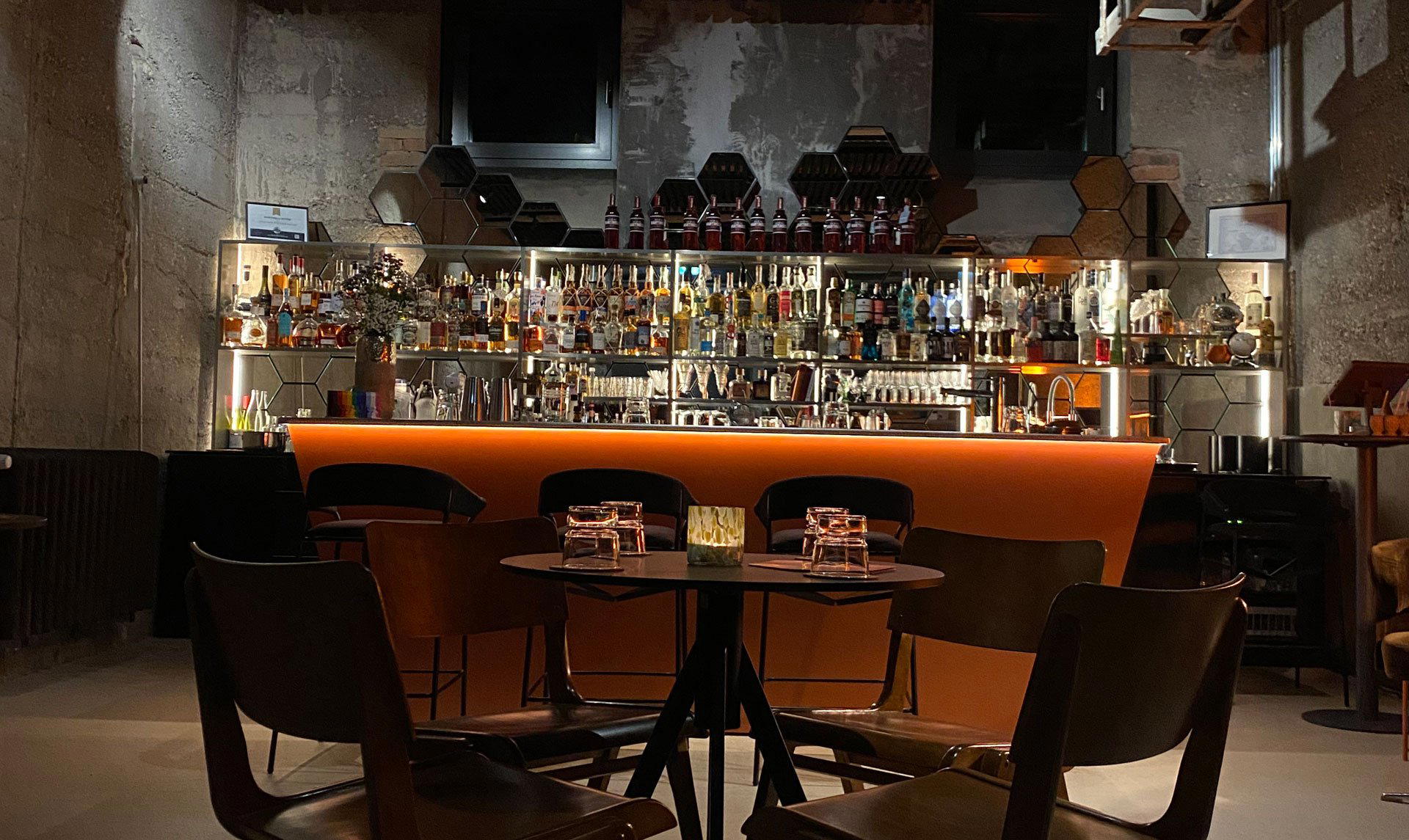
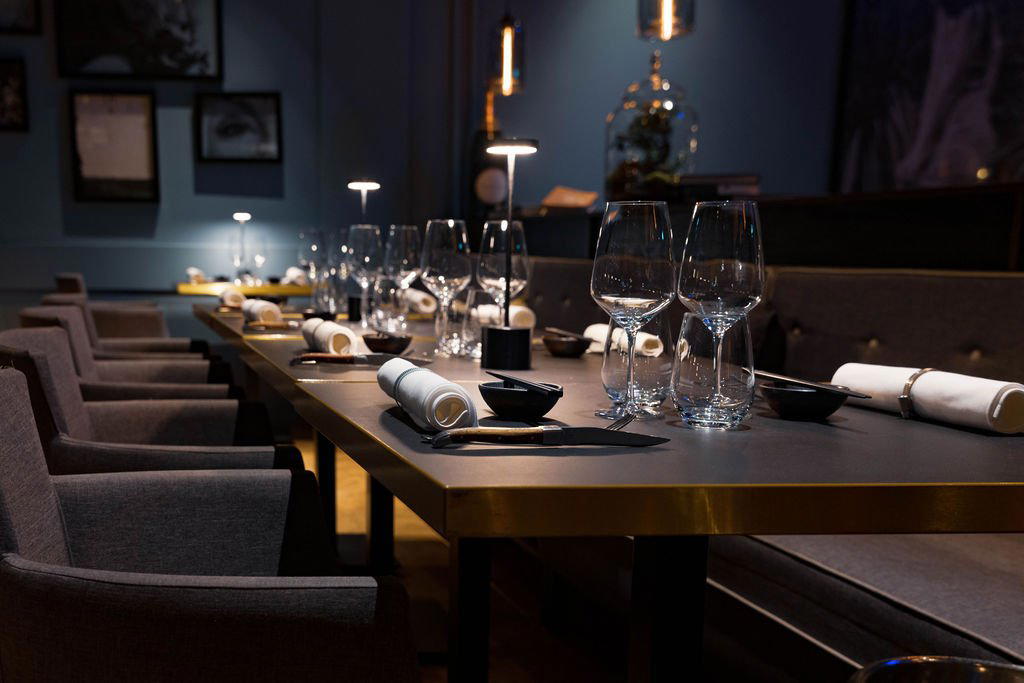
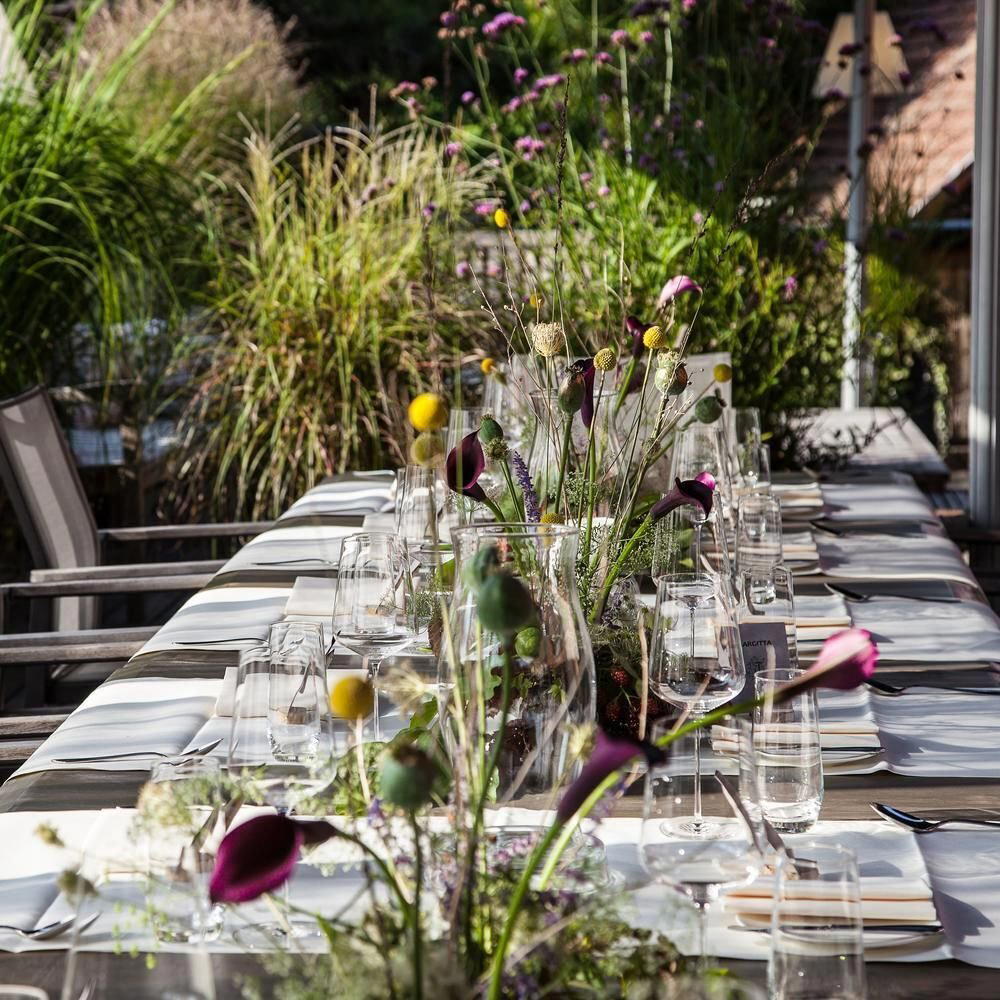
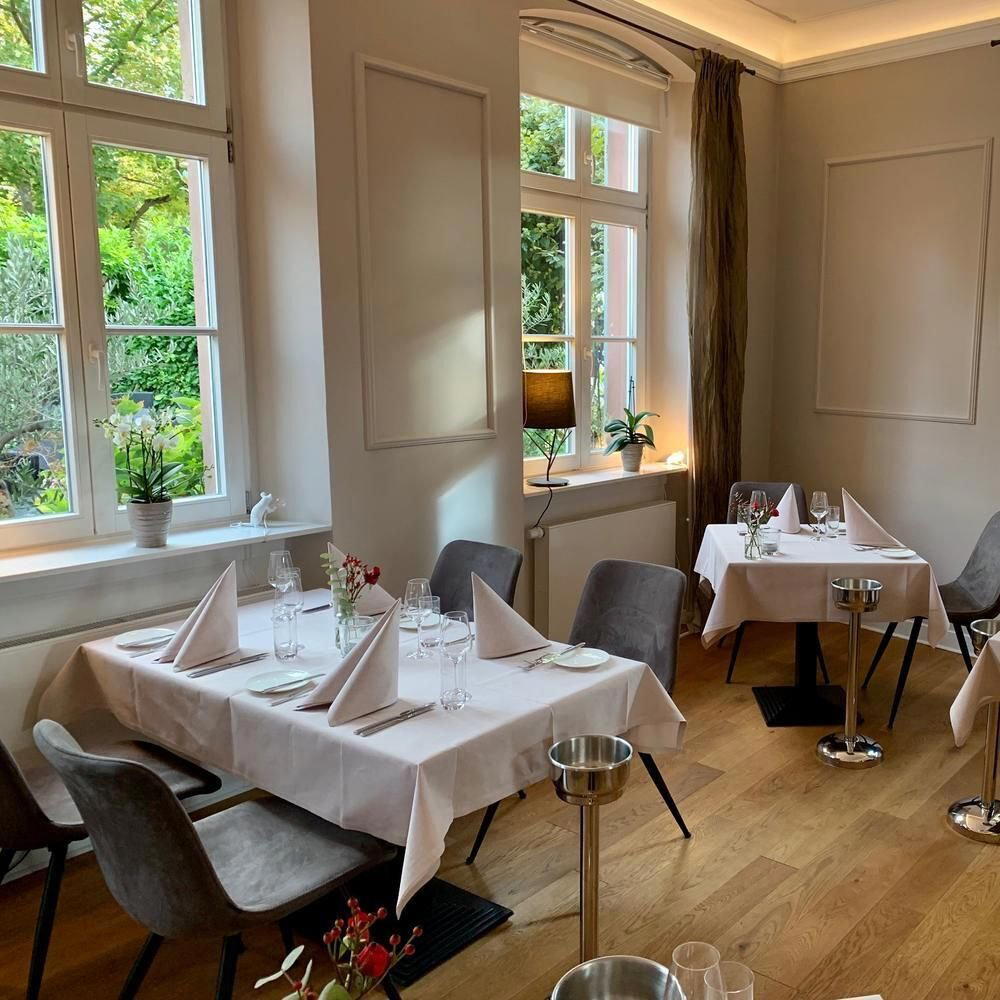
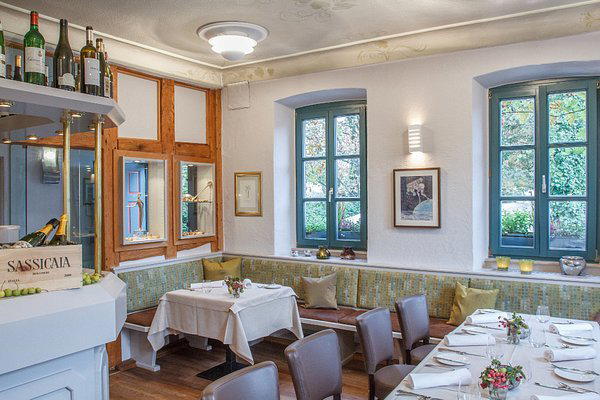
The mood is rustic, cozy, classic, and understated. Rather than presenting the winery through claims about specific grapes, bottle prices, awards, opening formats, or production details, the most reliable way to frame SANDER ökologische Weine is as a hidden-gem organic winery in Mettenheim where farming philosophy is central to the experience. Its appeal sits in that restraint. Readers looking for loud branding or a heavily packaged tasting concept should understand the venue differently: the draw here is the ecological point of view and the sense that the place is guided by soil, season, and terroir.
Living soils, ecological farming, and a sense of place
The central idea here is soil life. SANDER ökologische Weine is described through biodynamic farming, living soils, and a nature-focused relationship to terroir. That gives the winery a clear identity without needing to lean on unconfirmed specifics about vineyard names, grape varieties, production scale, or formal recognition. In practical terms, it means the venue is best read through its approach to farming first. The emphasis is not simply that wine is made here, but that wine is understood as an expression of ecological care and of the place itself.
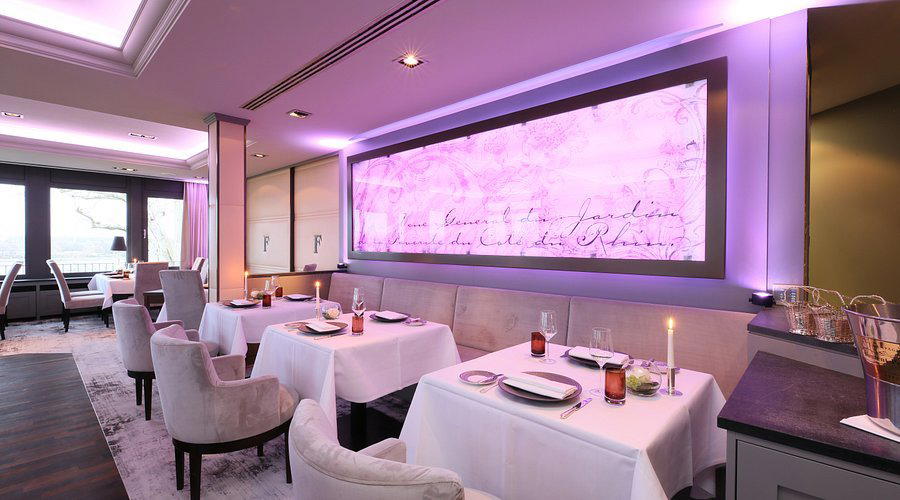
For visitors comparing wine experiences in Mettenheim, the useful distinction is atmosphere. SANDER ökologische Weine reads as quiet and grounded: rustic rather than showy, cozy rather than polished, and classic without feeling generic. Its ecological philosophy is the through-line. That matters because it sets expectations in a helpful way. The experience should be approached with attention to mood, landscape, and method, not with the assumption that the most important details will be a long list of labels, scores, or highly specific tasting formats.
That makes the winery especially relevant for visitors who care about farming practice and a sense of place. The story is not a list of individual bottlings or awards, but the broader connection between family-run organic winegrowing, biodynamic methods, and living soils. For this reason, SANDER ökologische Weine fits naturally into a more reflective kind of wine visit: one where the pleasure comes from understanding the values behind the work as much as from any single glass or bottle.
Organic wine in a quiet Mettenheim setting
SANDER ökologische Weine is best understood as an organic winery with a nature-focused, terroir-driven atmosphere. The Mettenheim setting reinforces that impression, giving the winery a quiet backdrop rather than a sense of staged destination drama. Its identity is not built on excess description; it comes across through a simple combination of family-run character, organic viticulture, and an ecological way of thinking about wine.
What is clear is the overall feel: quiet, rustic, cozy, classic, and a little hidden-gem in character. For a premium venue guide, that is the safer and more useful lens. It tells readers what kind of place this is without inventing a detailed program that has not been confirmed. The lack of over-specific claims is not a weakness here; it keeps the focus on what can be said confidently. SANDER ökologische Weine is presented as a place where the farming philosophy is not a side note, but the main context for understanding the venue.
The listed price level is $$, placing SANDER ökologische Weine in a moderate range for planning purposes. Beyond that, visitors should treat specific tasting arrangements, hours, bottle availability, and service details as items to confirm directly before making plans. That approach keeps expectations realistic and respectful. It also suits the understated nature of the winery: plan carefully, verify the practical details, and let the ecological character of the place shape the visit rather than assuming a fixed or elaborate format.
How to read the visit: ecological character over spectacle
The best reason to focus on SANDER ökologische Weine is its ecological identity. This is a family-run organic winery in Mettenheim with an atmosphere shaped by biodynamic farming, living soils, and a long-standing ecological philosophy. The strongest interpretation of the venue is therefore not as a checklist of features, but as a coherent expression of values. Nature, terroir, and soil life provide the framework, while the rustic and cozy mood gives that framework a human scale.
For a broader Mettenheim wine day, keep the planning grounded and local. Other dining or wine stops in Mettenheim can be considered generically, but the distinctive draw here remains SANDER ökologische Weine itself: quiet, rustic, cozy, classic, and rooted in organic viticulture. It is the kind of stop that benefits from slower attention. Rather than rushing through it as just another winery name, visitors should read it as a place where the environmental philosophy is the central point of interest.
Visitors interested in ecological wine should approach SANDER ökologische Weine as a place where the farming philosophy is the main frame. Without relying on awards, grape lists, or appointment details, the dependable takeaway is clear: this is a Mettenheim organic winery whose identity is built around nature, terroir, and living soils. Its value for readers lies in that clarity. The venue’s understated, hidden-gem quality makes sense precisely because it does not need to be inflated; the essential story is already strong, rooted in organic practice and a quiet sense of place.
Recognition history
Dated appearances from independent guides and award organizations, with the underlying list record or original source where available.
Falstaff Winery - 3 Stars
Falstaff
Continue exploring
More in Mettenheim
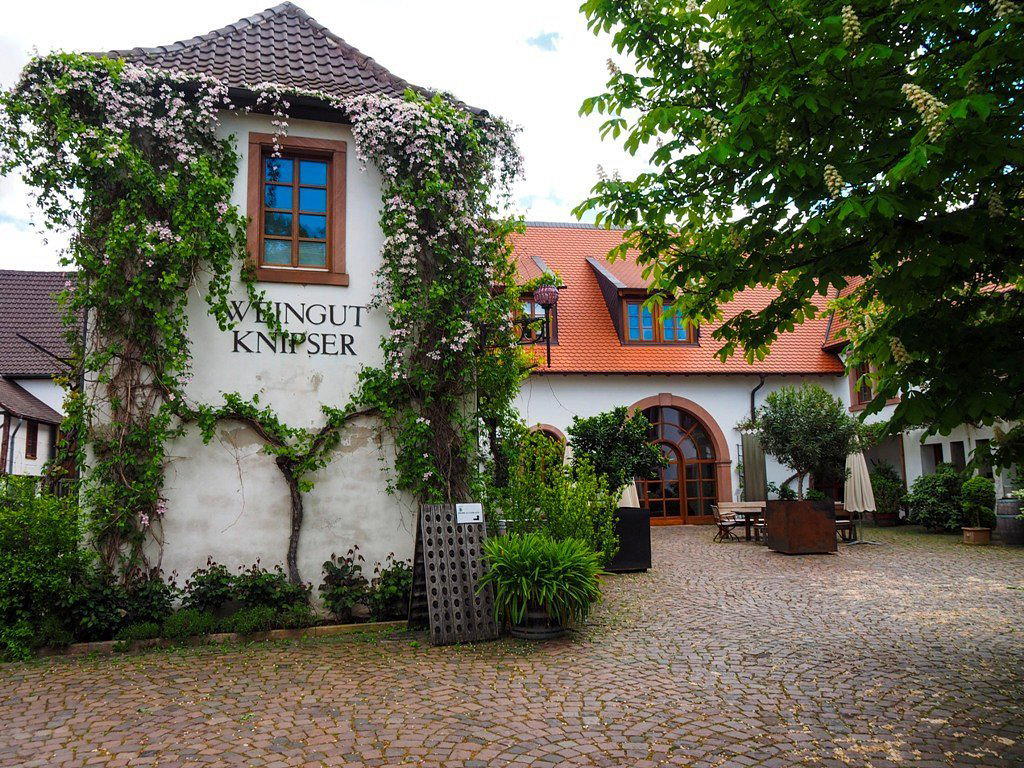
Wineries in Mettenheim
All wineries in Mettenheim →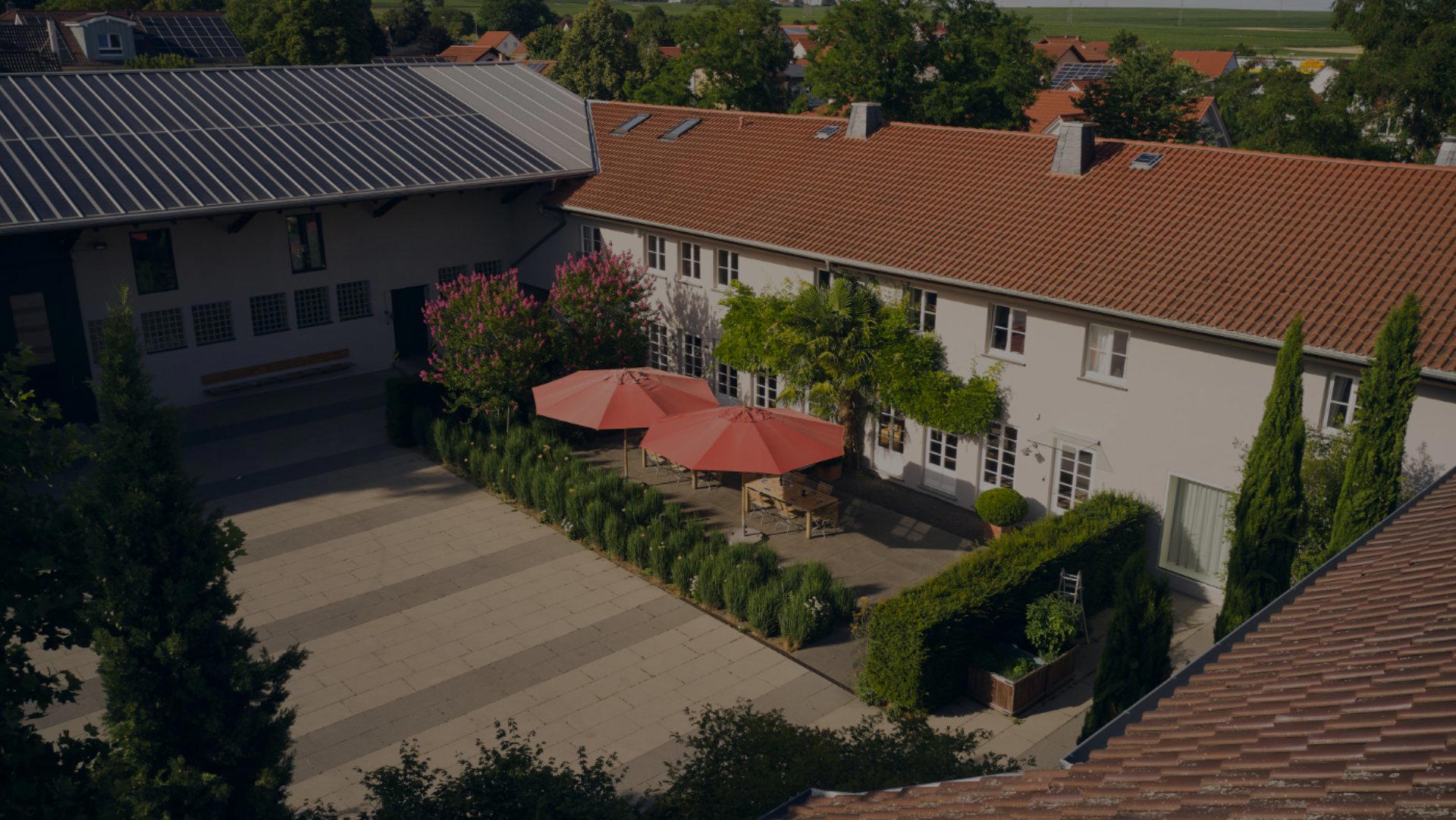
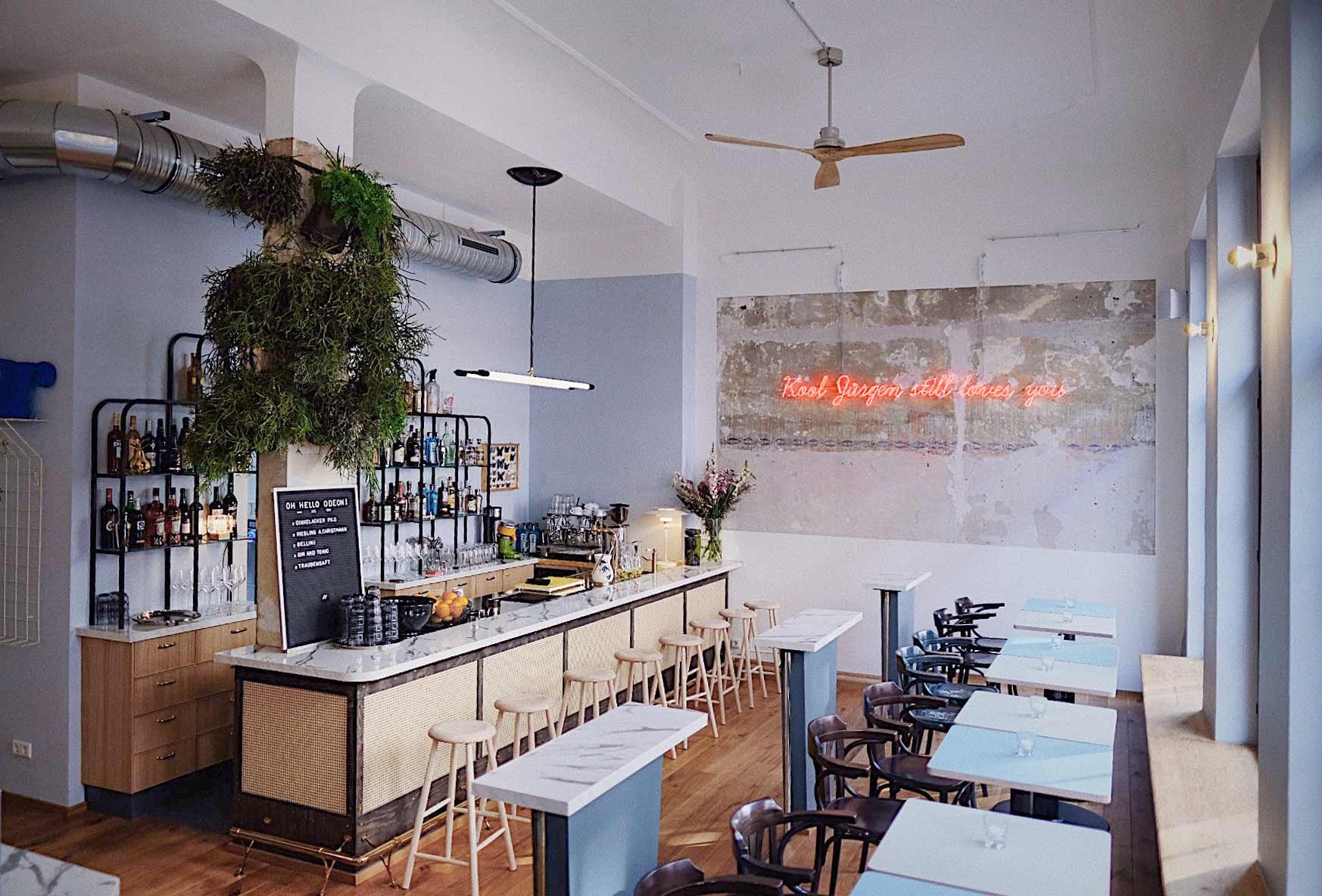
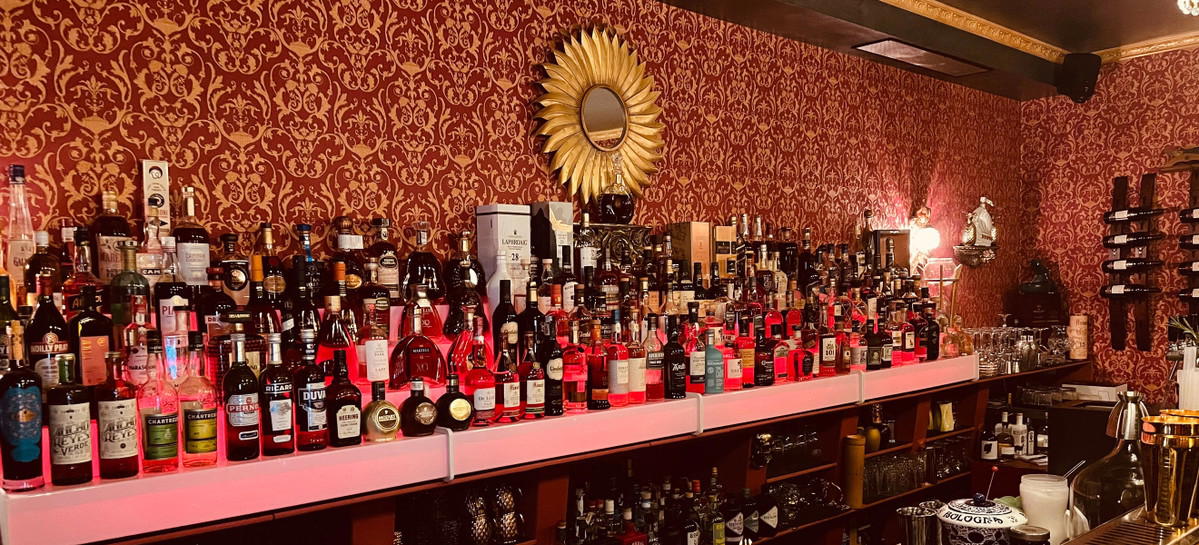
Bars in Mettenheim
Browse all →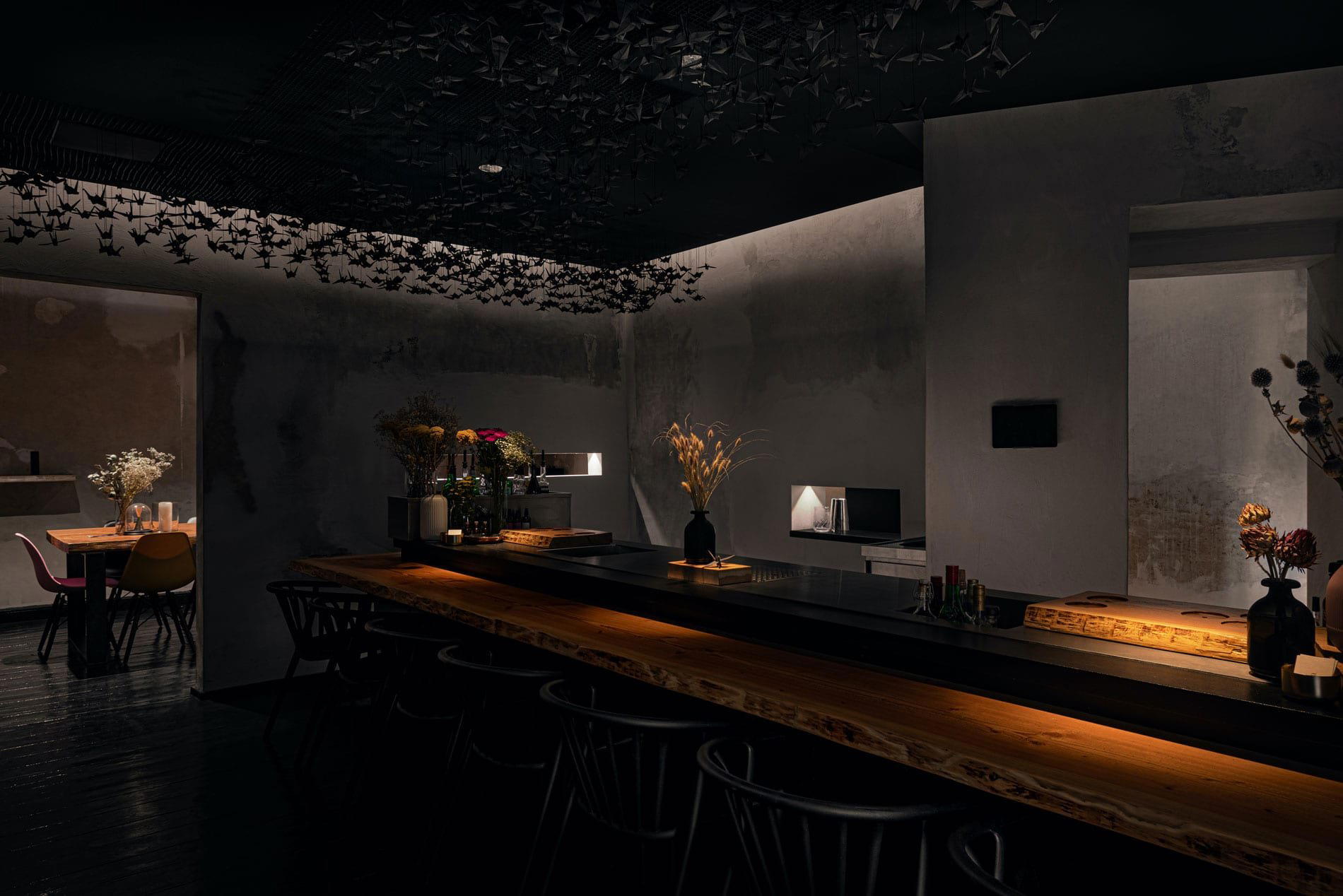
Details
- Quiet
- Rustic
- Cozy
- Classic
- Wine Education
- Solo Exploration
- Group Outing
- Special Occasion
- Historic Building
- Estate Grounds
- Private Tasting
- Organic
- Biodynamic
- Vineyard
- Riesling
- Weißburgunder
- Sauvignon Blanc
- Chardonnay
- Silvaner
- Spätburgunder
- Still White
- Still Red
- Sparkling
- Orange
- Guided Tasting
- Retail Tasting
A family-run organic winery with a nature-focused, terroir-driven atmosphere shaped by biodynamic farming, living soils, and a long-standing ecological philosophy.