
Falstaff Winery - 3 Stars
San Salvatore 1988 gives Cilento a sharply defined wine identity: native Campanian grapes, biodynamic farming, buffalo agriculture, and renewable energy working as one estate system. The draw is not spectacle but terroir literacy, with Fiano, Greco, Falanghina, Piedirosso, and Aglianico tied to vineyards across Giungano, Stio, and Paestum.

Pearl is the En Primeur Club membership app — saves, bookings, and concierge access live there. Same editors, same standards.
- Address
- Giungano, Campania, Italien
- Directions
- Get directions

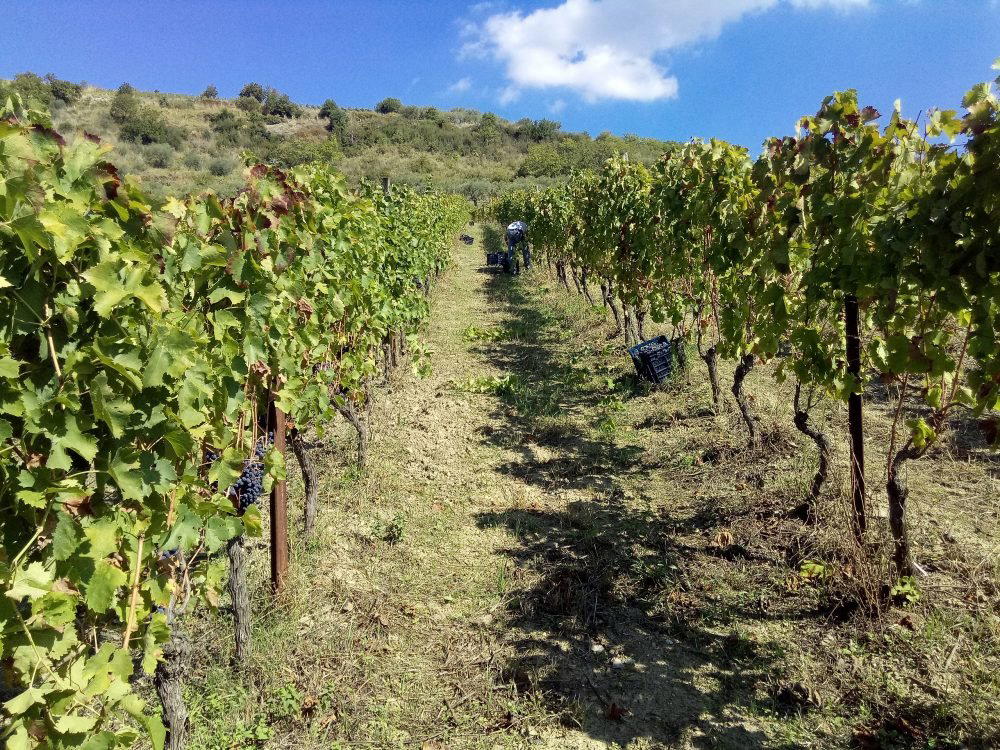
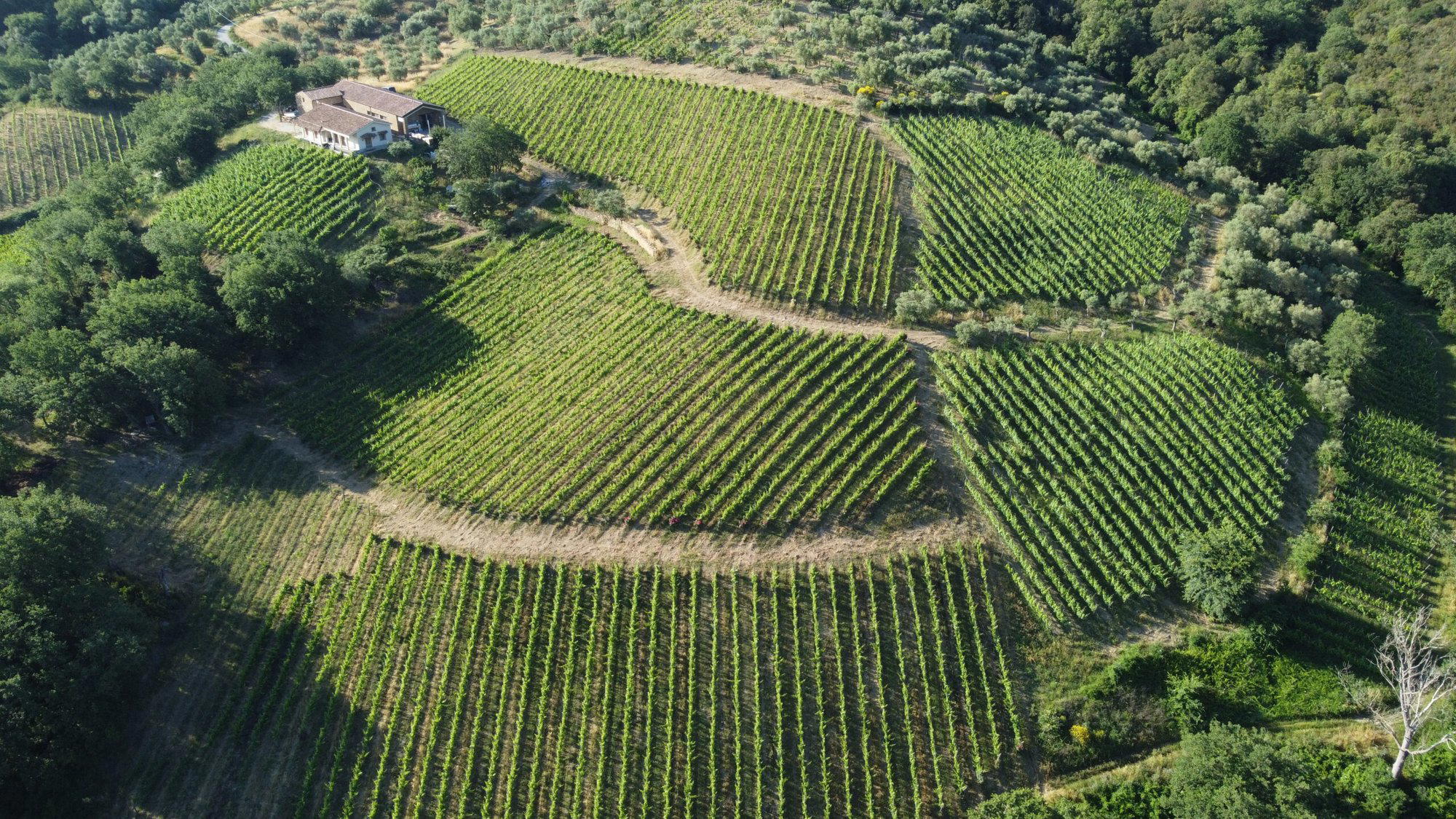
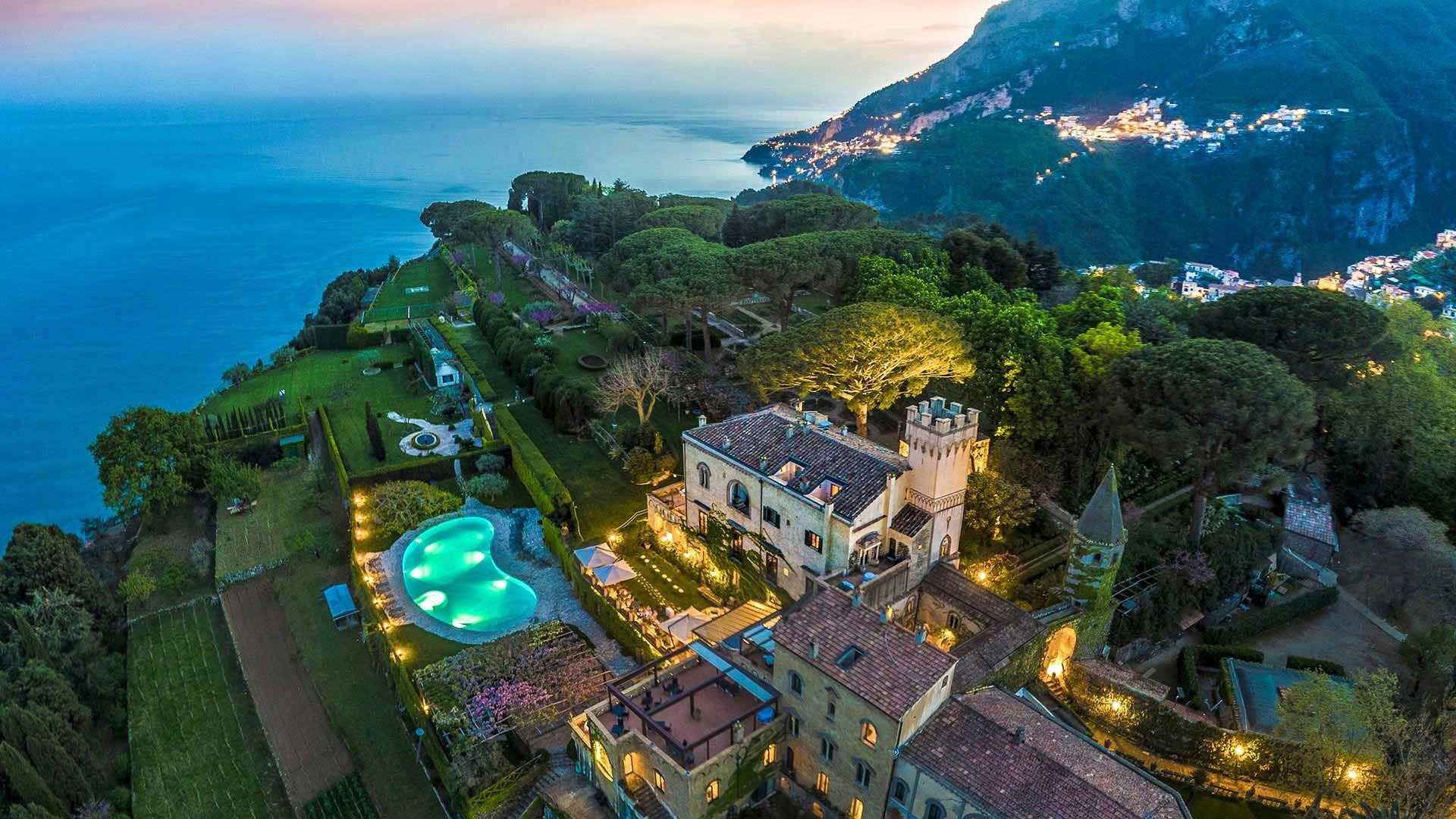
Approaching wine in Cilento means reading a different version of Campania: less about postcard coastline, more about agricultural continuity, protected land, and native grapes that have never needed international varieties to explain themselves. San Salvatore 1988 belongs to that argument. Its setting in Giungano, within the Cilento National Park orbit and tied to vineyard land across Giungano, Stio, and Paestum, gives the estate a broader canvas than a single-cellar visit. Mountain views, vineyard rows, olive groves, woods, and buffalo-farming land are part of the same production story rather than scenery arranged around a tasting room.
Cilento terroir expressed through native Campanian grapes
Cilento’s wine identity sits apart from the better-known Campanian shorthand of Naples, Irpinia, and the Amalfi Coast. Here, the logic is agricultural and Mediterranean: mineral-rich soils, strong sun exposure, biodiversity, sea influence, and terrain that shifts between coast and upland. That matters because the estate’s grape choices are not decorative. Fiano, Greco, Falanghina, Aglianico, and Piedirosso are varieties with regional memory, and the wines are framed through IGP Paestum and IGP Campania rather than through a borrowed prestige vocabulary.
The portfolio makes that regional position clear. Vetere IGP Paestum Rosato, Falanghina IGP Campania, Calpazio IGP Paestum Greco, Trentenare IGP Paestum Fiano, Pian di Stio IGP Paestum Fiano, Ceraso IGP Campania Aglianico, Jungano IGP Paestum Aglianico, and Omaggio a Gillo Dorfles IGP Paestum Aglianico show a range built around white varieties, rosé, and multiple readings of Aglianico. The Aglianico program is especially telling: southern Italy’s major red grape is treated here as a set of possible expressions, not a single house red. For travelers using our full Giungano wineries guide, this is the point to understand before comparing labels or planning a visit.
The estate scale gives the wines context. San Salvatore 1988 works with 22.5 hectares under vine and produces about 150,000 bottles annually, while the wider farm covers 149 hectares of organically farmed agriculture. That is medium-scale production with a large agricultural base behind it. In a region where wine often shares land with olive trees, grain, livestock, and hospitality, this model feels truer to place than a manicured monoculture.
A closed-loop estate, not a conventional tasting stop
Stronger editorial reason to pay attention is the production system. Organic and biodynamic principles sit at the center of the estate’s identity, with vineyard work oriented around soil life, biodiversity, and low-input farming. The use of biodynamic preparations, green manure, and restrained disease-control methods places the winery inside a wider movement among European estates that treat viticulture as land management first and beverage production second.
What makes the Cilento version more specific is the buffalo. Around 550 water buffalo form part of the farm cycle, with manure converted through a biodigester into energy and natural fertilizer. A photovoltaic plant supports the cellar’s power needs. This is not the usual sustainability paragraph tacked onto a wine story; it is the operating logic of the place. The vines, animals, energy system, olive groves, and crops form a circular model that gives the sustainability claim measurable substance.
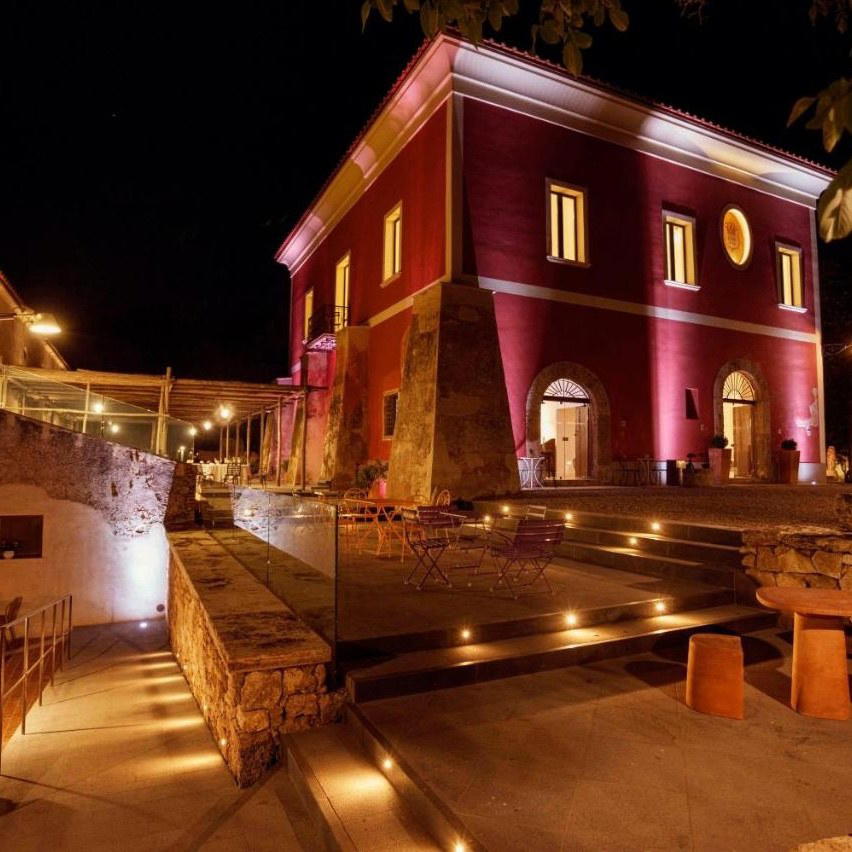
That structure also explains why the estate reads as a design destination and an agricultural project at once. Giuseppe Pagano, the founder, is also associated with hospitality in the Paestum area, and the winery’s modern cellar reflects a high-ambition approach rather than a farmhouse-scale operation. Riccardo Cotarella’s role as winemaking consultant adds technical credibility, especially for readers assessing whether the environmental narrative is matched by cellar seriousness.
Recognition has followed the same line. Corleto IGP Paestum Bio 2022 received 93 points from Robert Parker, and the estate has been associated with Parker’s Green Emblem, awarded to Giuseppe Pagano and the winery in 2023. That matters because the accolade sits at the intersection of wine quality and environmental practice, precisely where the estate wants to compete. For a fuller regional frame, pair this with our full Giungano restaurants guide, our full Giungano hotels guide, our full Giungano bars guide, and our full Giungano experiences guide.
How to read the visit
This is a winery to approach through land, not through label-chasing. The tasting format is estate-led, the mood is quiet and casual, and the strongest reason to go is to understand how Cilento’s native grapes are being repositioned through biodynamic agriculture, modern cellar work, and a multi-farm system. Groups interested in wine education will get more from the visit than travelers looking only for a glass with a view.
Its price level sits in the approachable middle tier, marked as $$, but the value question is less about bottle cost than about depth of context. A tasting here connects grape varieties, parkland, renewable energy, buffalo farming, and regional revival into one coherent frame. That makes San Salvatore 1988 more useful as a lens on contemporary Cilento than as a simple stop between meals.
For broader Italian winery reading, EP Club also covers 3GP SRL in Treviso, 47 Anno Domini in Trebaseleghe, A Mano Wine in Noci, a6mani in Fragagnano, Abbadia Ardenga in Torrenieri, Abbazia di Crapolla in Neapel, Abbazia Monte Oliveto in Asciano, Abbazia Santa Anastasia in Castelbuono, »der Steiner« Hans Steiner in Podersdorf am See, and & Handwein in Mannheim.
Recognition history
Dated appearances from independent guides and award organizations, with the underlying list record or original source where available.
Falstaff Winery - 3 Stars
Falstaff
Continue exploring
More in Giungano
Wineries in Giungano
Browse all →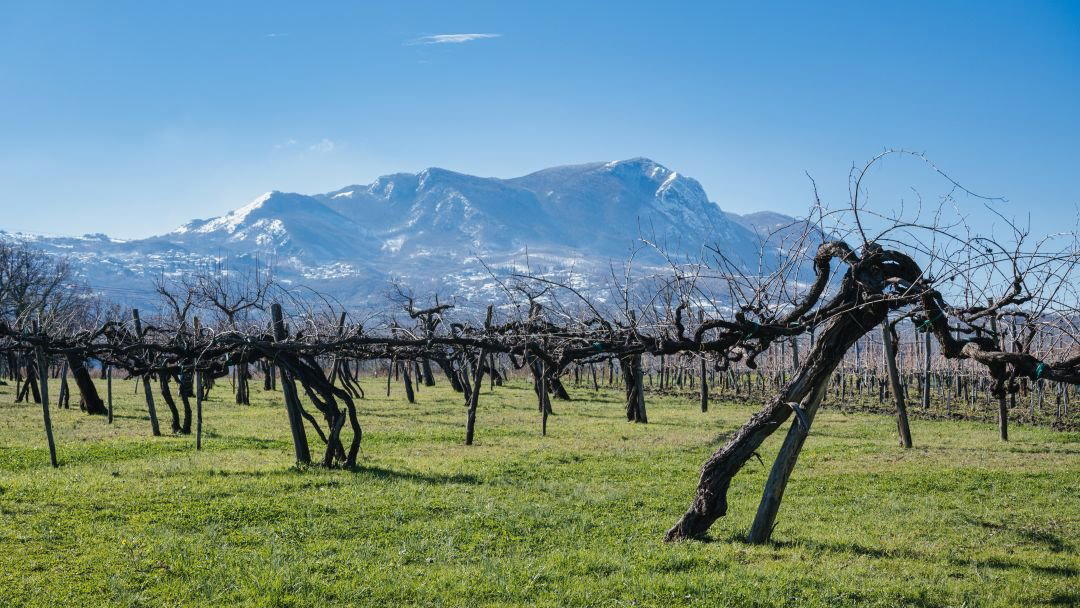
Bars in Giungano
Browse all →
Restaurants in Giungano
Browse all →
Details
- Scenic
- Rustic
- Sophisticated
- Wine Education
- Special Occasion
- Group Outing
- Estate Grounds
- Vineyard Tour
- Design Destination
- Historic Building
- Organic
- Biodynamic
- Sustainable
- Vineyard
- Mountain
- Aglianico
- Fiano
- Greco
- Falanghina
- Piedirosso
- Still Red
- Still White
- Still Rosé
- Sparkling
- Estate Tasting
Organic, nature-forward, and terroir-driven, with a strong emphasis on sustainability and a refined estate identity in the Cilento National Park.