Richard Kershaw Wines

Falstaff Winery - Listed
Richard Kershaw Wines is a cool-climate Elgin Valley producer in Grabouw built around clonal selection, site-specific interpretation and small-volume production. The draw is not estate theatre but a focused, educational wine encounter shaped by Chardonnay, Syrah and Pinot Noir, with Richard Kershaw MW’s technical credentials giving the project unusual authority in South African wine.

Pearl is the En Primeur Club membership app, where members save venues, book tables and use the concierge.

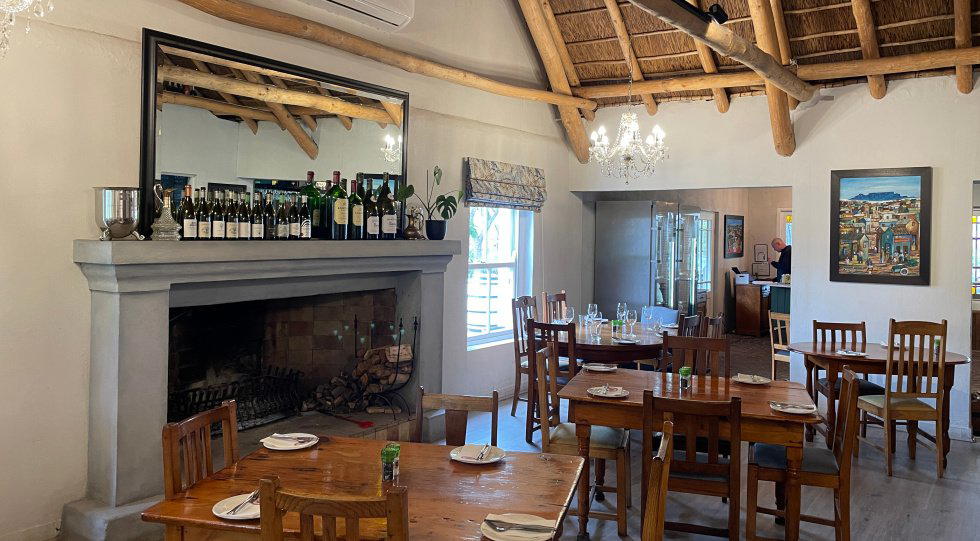
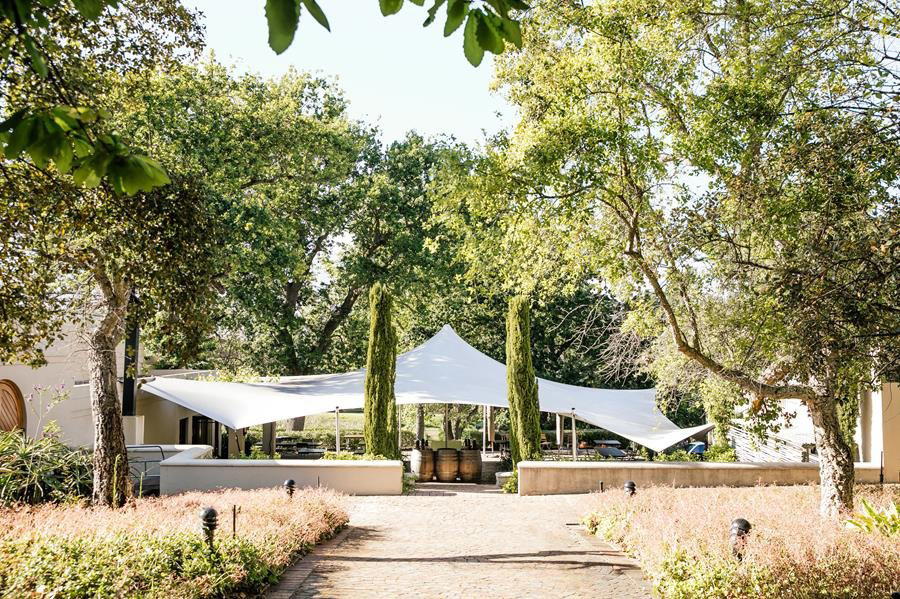
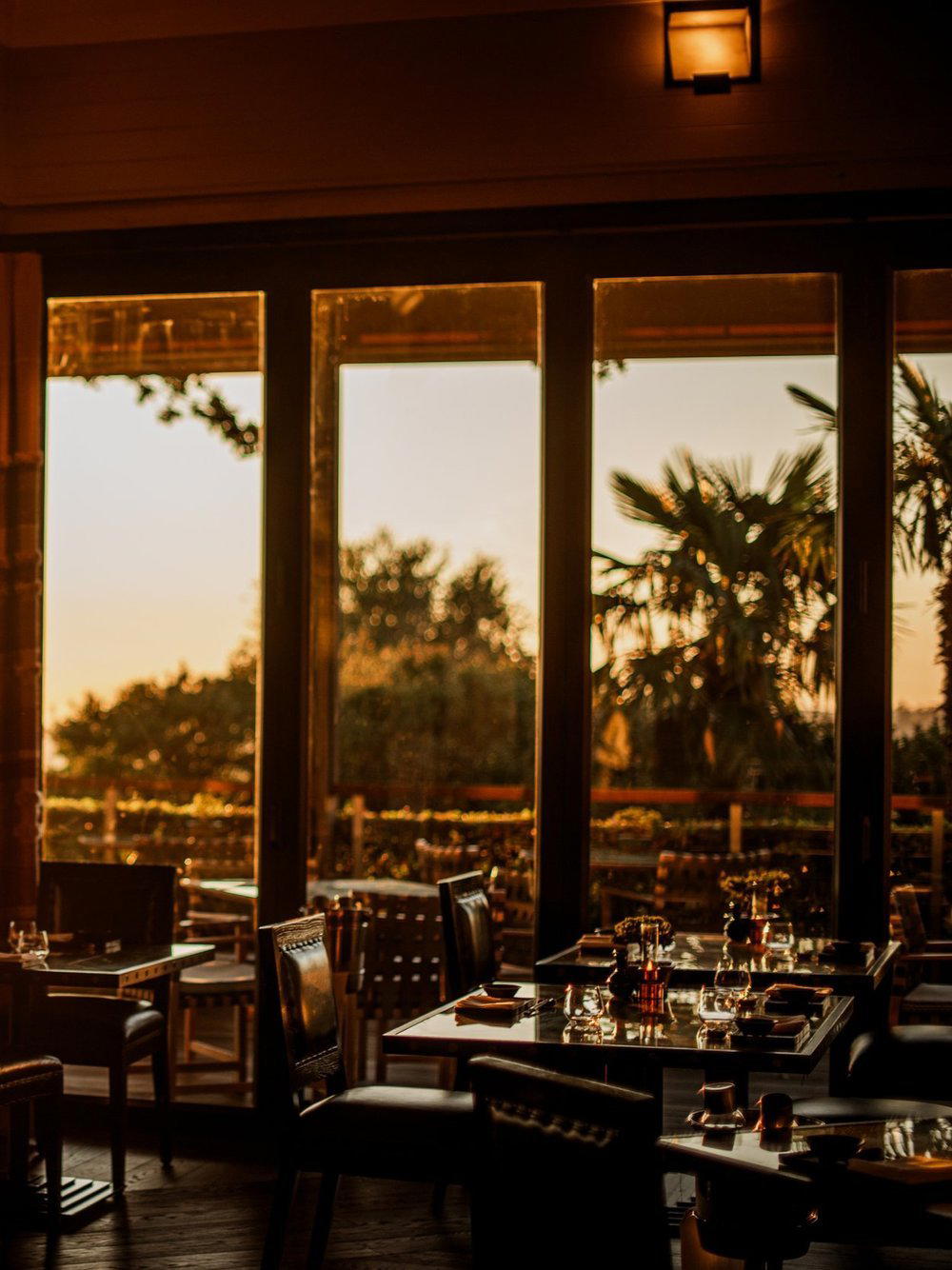
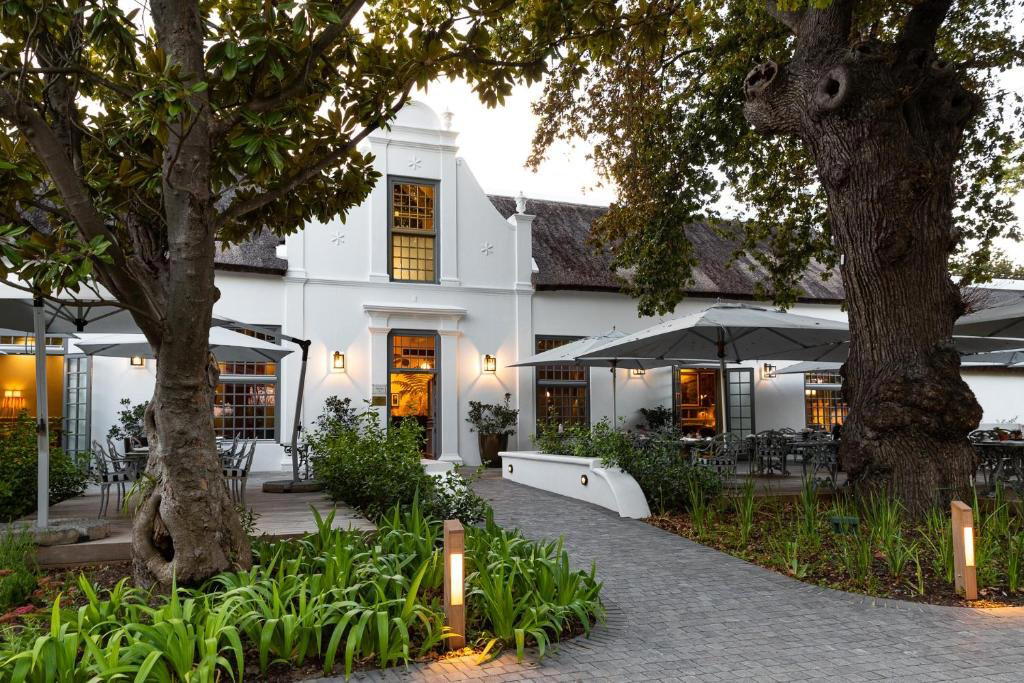
Richard Kershaw Wines in Grabouw is best understood as a precise, low-key boutique wine operation rather than a traditional estate experience. The picture is deliberately focused: a working “virtual” winery setting, cool-climate site-specific wines, and visits handled informally with an emphasis on detailed, educational tasting. That narrower frame is useful because it keeps expectations aligned with what makes the stop distinctive. This is not primarily a place to approach as a full-scale leisure estate; it is a wine-led visit where the interest sits in the glass, in the site, and in the conversation around how those elements connect.
Cool-climate wines, read through site
The core appeal is the producer’s focus on cool-climate, site-specific wines. Rather than presenting Richard Kershaw Wines as a broad hospitality destination, the safer and more useful reading is narrower: this is a specialist stop for visitors who want to understand how place and wine style connect in Grabouw. The cool-climate point is not just a background descriptor here; it is central to how the venue should be read, because it gives the tasting a clear subject and a more analytical rhythm.
That site-specific framing matters because it shifts the experience away from generic cellar-door tourism. The emphasis is not on a large estate circuit, a restaurant programme or a polished visitor complex; it is on tasting and discussion in a setting tied closely to the working wine operation. In practice, that means the visit is best approached with curiosity rather than with expectations of an expansive estate day. The value lies in slowing down, paying attention to the wines being shown, and treating the setting as part of the explanation rather than as decorative backdrop.
For visitors planning around budget, Richard Kershaw Wines is listed at $$$. Beyond that price indicator, specific tasting fees, wine line-ups and service details should be confirmed directly before visiting. This is especially important because the venue is better understood as a focused boutique operation than as a large visitor facility with a standardised, always-obvious hospitality model. A quick confirmation helps keep the visit practical while preserving the experience’s informal, wine-centred character.
A technical tasting culture without estate theatre
Richard Kershaw Wines is described as a precise, low-key boutique operation. The experience is therefore better framed around concentration and education than around estate theatre. Visitors should expect a working-winery context where the point is to learn from the wines rather than to build a day around broad hospitality amenities. That distinction is important: the appeal is not in spectacle, scale or a long list of add-ons, but in the clarity of the wine conversation and the seriousness of the producer’s focus.
The style of visit is informal but detailed, with tastings that prioritize explanation. That makes the venue a strong fit for drinkers who enjoy asking questions about cool-climate wine, site expression and production context. It is the sort of stop where the pace can feel more conversational than performative, and where the most rewarding moments come from engaging with the detail rather than simply moving through a flight. Visitors who prefer a highly structured estate experience may read it differently, but for those interested in wine as a study of place, the restraint is part of the attraction.
It is also important not to overstate what is confirmed. Treat Richard Kershaw Wines as a focused wine visit in Grabouw and confirm practical arrangements directly. That cautious approach is not a limitation so much as a way of respecting the venue’s character. The confirmed strengths are specific enough: a boutique, cool-climate producer, an informal but detailed tasting culture, and a working context that keeps attention on the wines rather than on the surrounding theatre.
Where it sits in a Grabouw wine itinerary
Within Grabouw, Richard Kershaw Wines reads as a specialist wine stop rather than a general-purpose outing. It can sit naturally within a broader day of unnamed local dining or other Grabouw experiences, but the reason to come here is the wine-focused, educational nature of the visit. In itinerary terms, it works well as a deliberate appointment-style stop for people who want the wine itself to lead the day, rather than as a casual add-on chosen mainly for scenery, restaurants or estate facilities.
For comparison, keep the frame close to Richard Kershaw Wines itself: a boutique, cool-climate, site-specific producer where the working setting is part of the appeal. Other dining in Grabouw may round out a visit, but they should not be treated as part of the same offering. That separation keeps the recommendation clean. Richard Kershaw Wines provides the focused tasting experience; anything else in the area should be planned independently and understood as complementary rather than integrated.
The editorial read is clear. Richard Kershaw Wines is for visitors who want a concise, serious wine experience in Grabouw, with the emphasis on cool-climate, site-specific wines and informed tasting rather than broad estate hospitality. Go in with the right expectations and the low-key character becomes a strength: fewer distractions, a tighter focus, and a more direct encounter with the producer’s central idea of reading wine through site.
Recognition history
Dated appearances from independent guides and award organizations, with the underlying list record or original source where available.
Falstaff Winery - Listed
Falstaff
Continue exploring
More in Grabouw
Wineries in Grabouw
All wineries in Grabouw →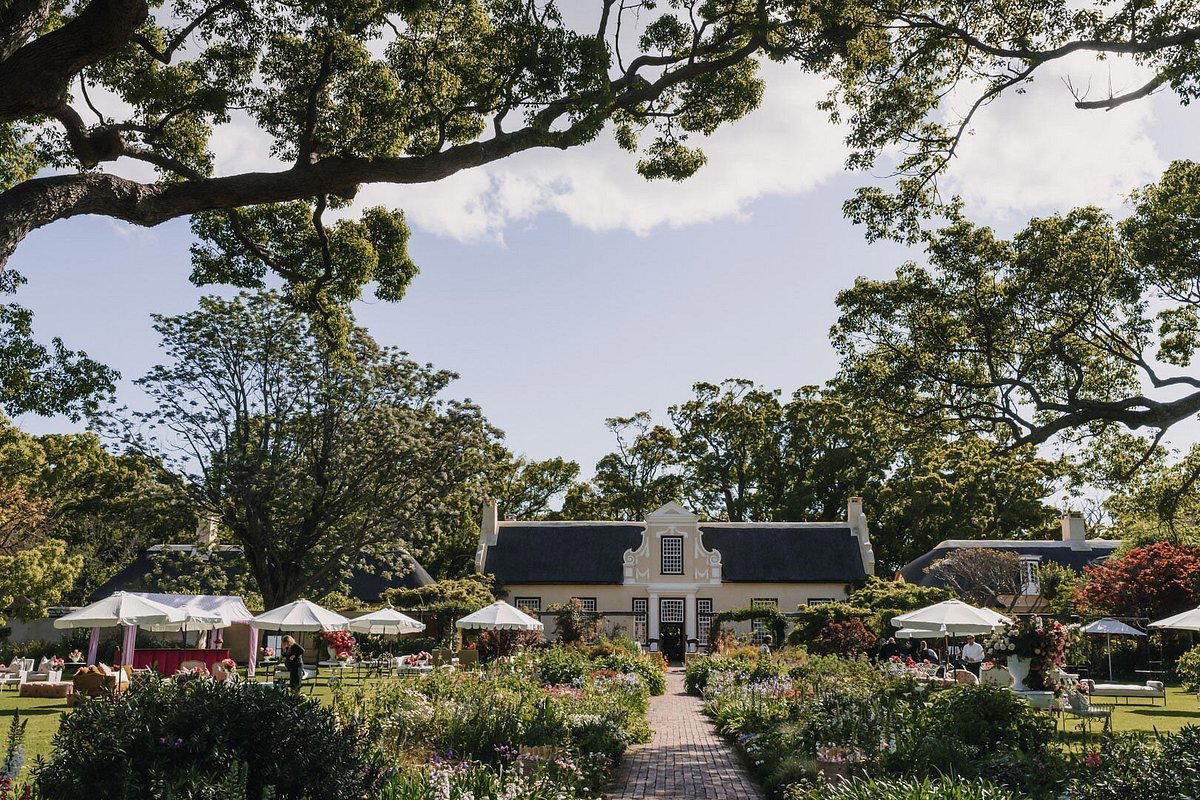
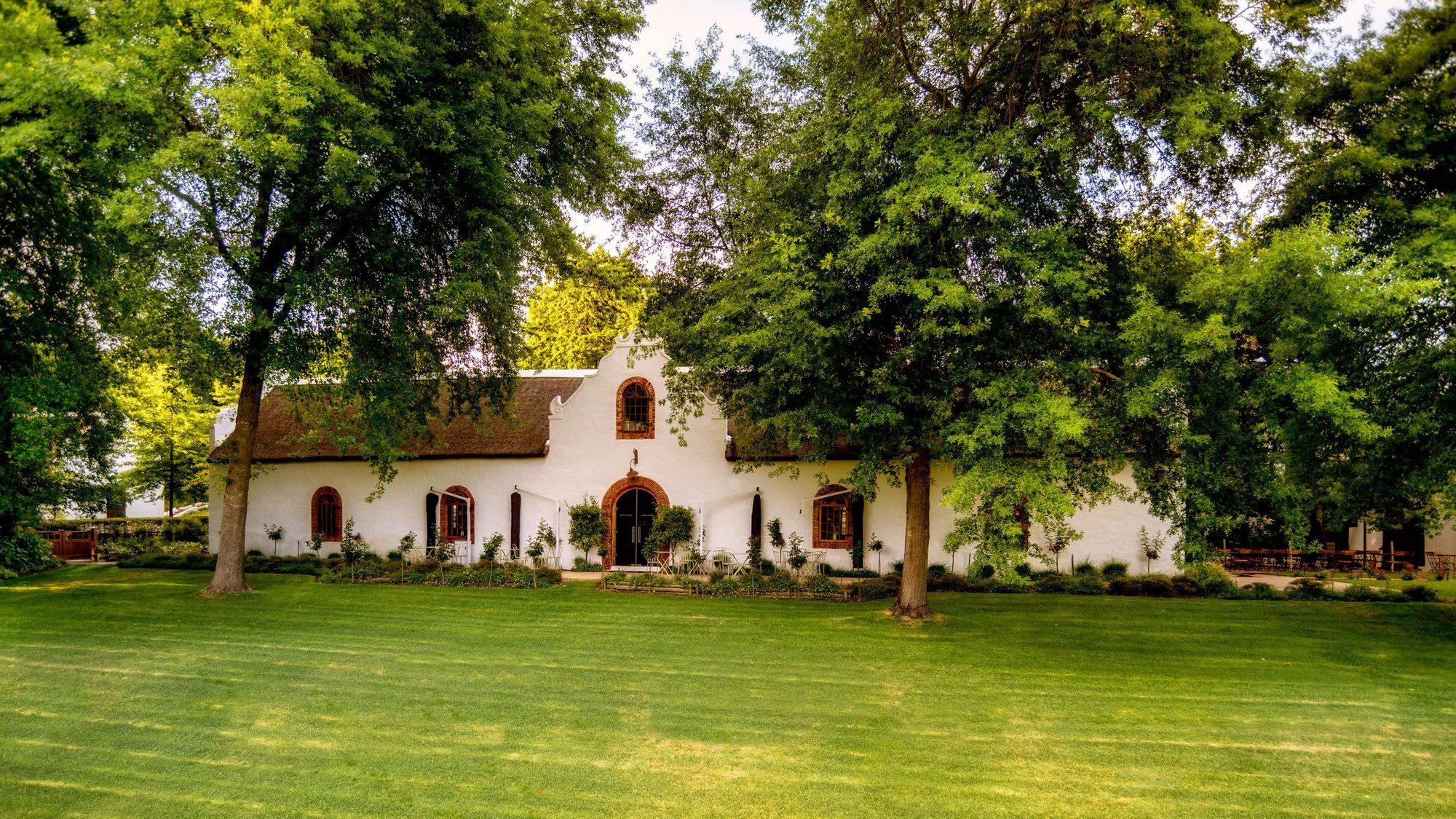
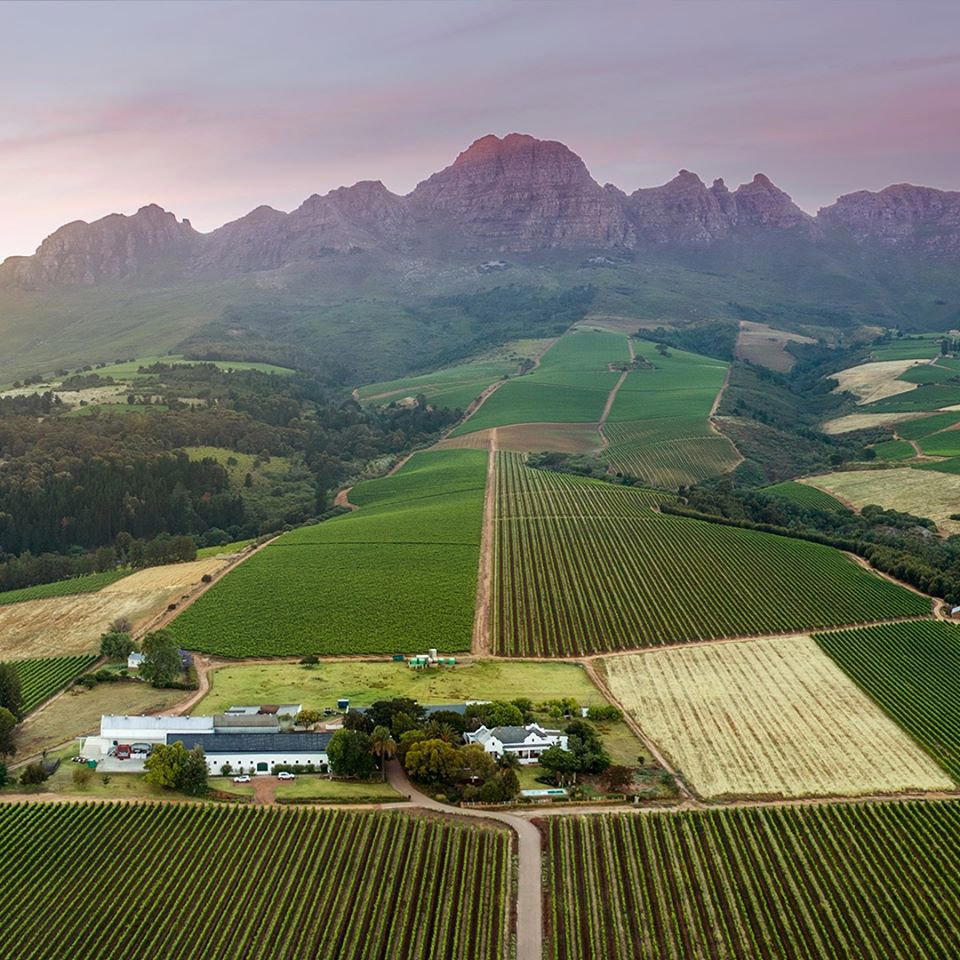
Bars in Grabouw
Browse all →
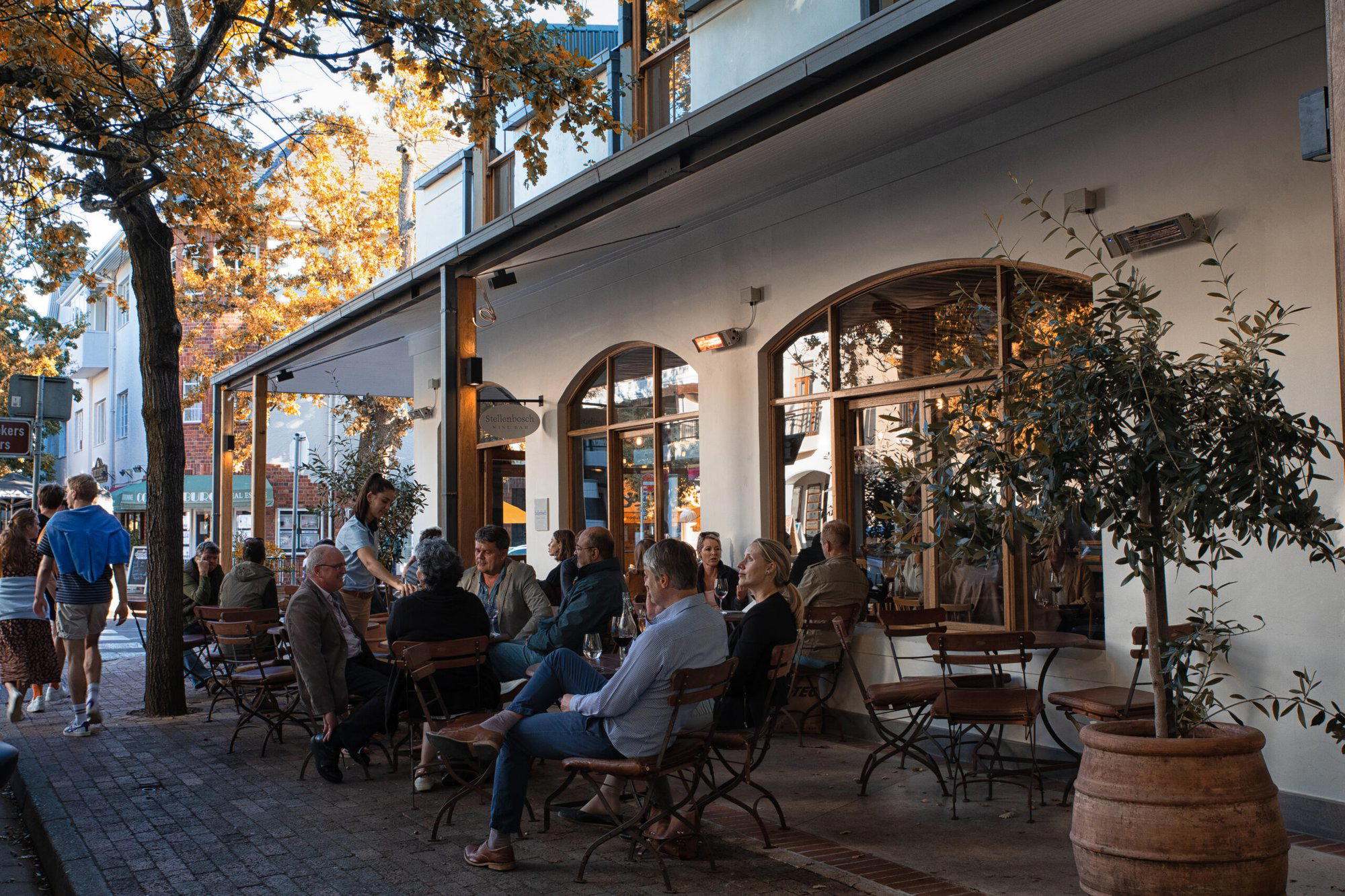
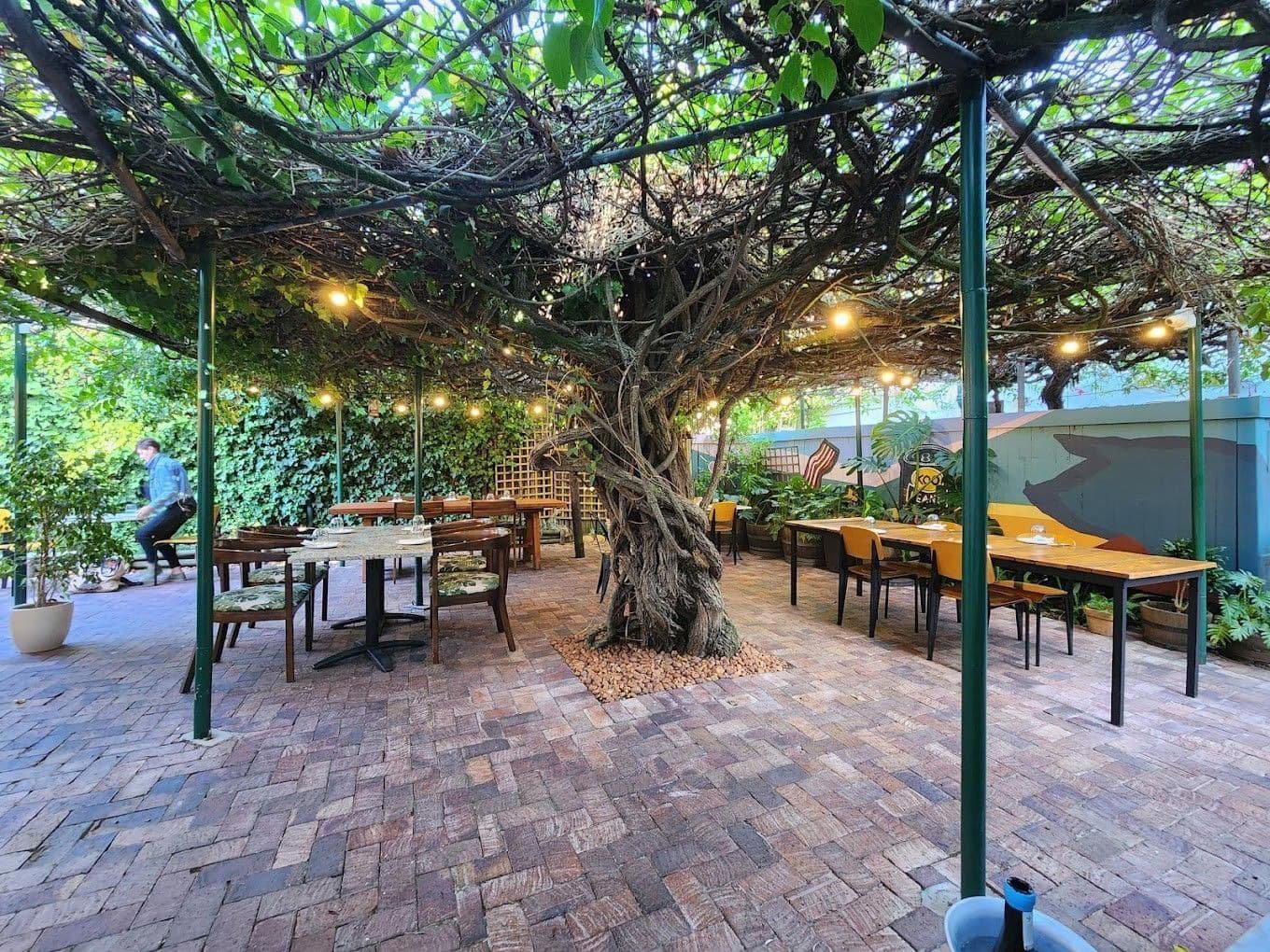
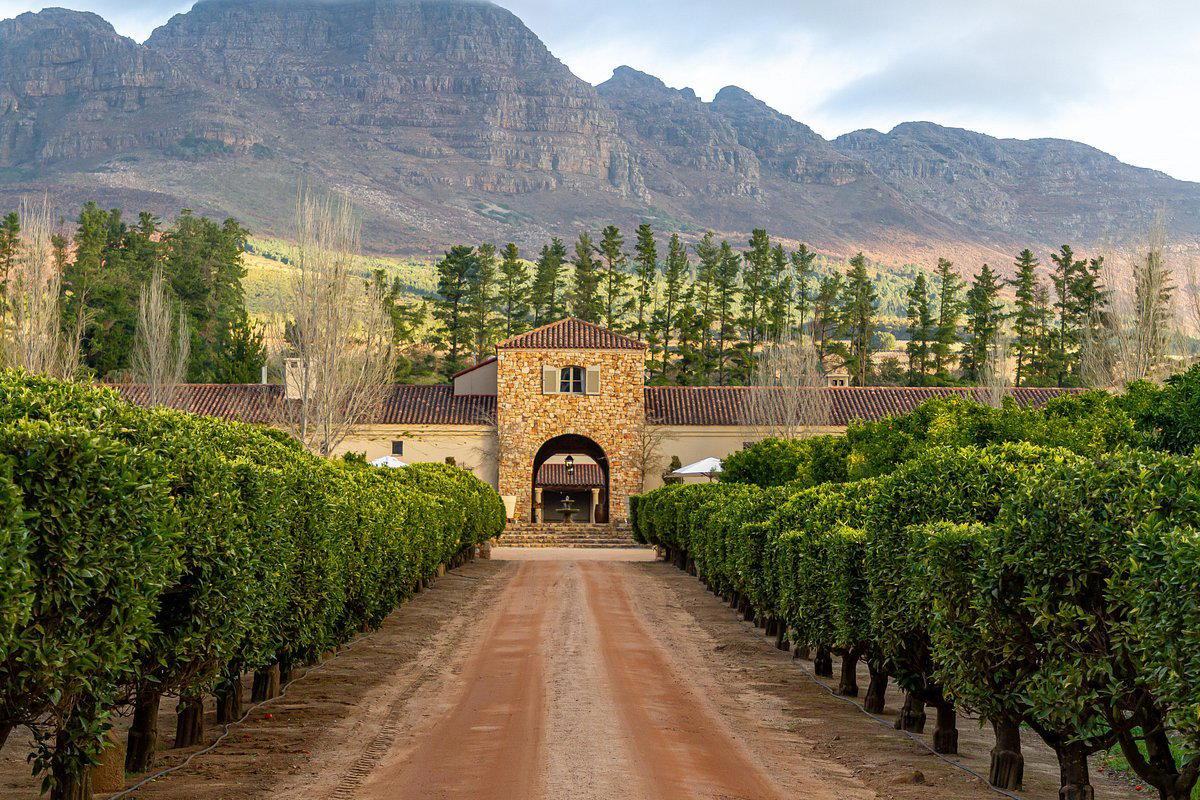
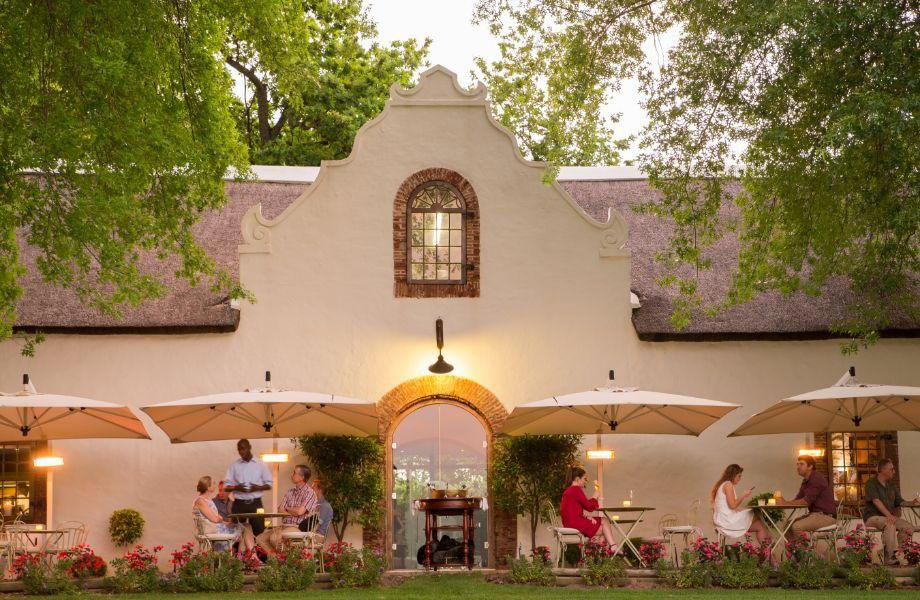
Details
- Quiet
- Sophisticated
- Modern
- Scenic
- Wine Education
- Solo Exploration
- Group Outing
- Private Tasting
- Sustainable
- Vineyard
- Mountain
- Chardonnay
- Syrah
- Pinot Noir
- Still White
- Still Red
- Seated Tasting
- Educational Tasting
- Appointment Only
- English
Current opening hours
- Monday
- 9 am–4 pm
- Tuesday
- 9 am–4 pm
- Wednesday
- 9 am–4 pm
- Thursday
- 9 am–4 pm
- Friday
- 9 am–4 pm
- Saturday
- Closed
- Sunday
- Closed
Hours can change for holidays and private events. Hours as of .
A precise, low-key boutique operation focused on cool-climate, site-specific wines rather than a traditional estate experience, with visits handled informally in a working ‘virtual’ winery setting that prioritizes detailed, educational tastings over scenery.