
Recchia is a family-run Valpolicella Classico estate in Negrar, shaped by terraced hillsides, traditional appassimento rooms and a cellar-door format that explains the region through land, grape drying and tasting. The draw is not trophy architecture or awards theatre, but a grounded reading of Corvina, Rondinella and Molinara across Amarone, Recioto, Ripasso and Classico styles.
Pearl is the En Primeur Club membership app — saves, bookings, and concierge access live there. Same editors, same standards.
- Address
- Negrar, Veneto, Italien
- Directions
- Get directions
 Saves & bookings on Pearl
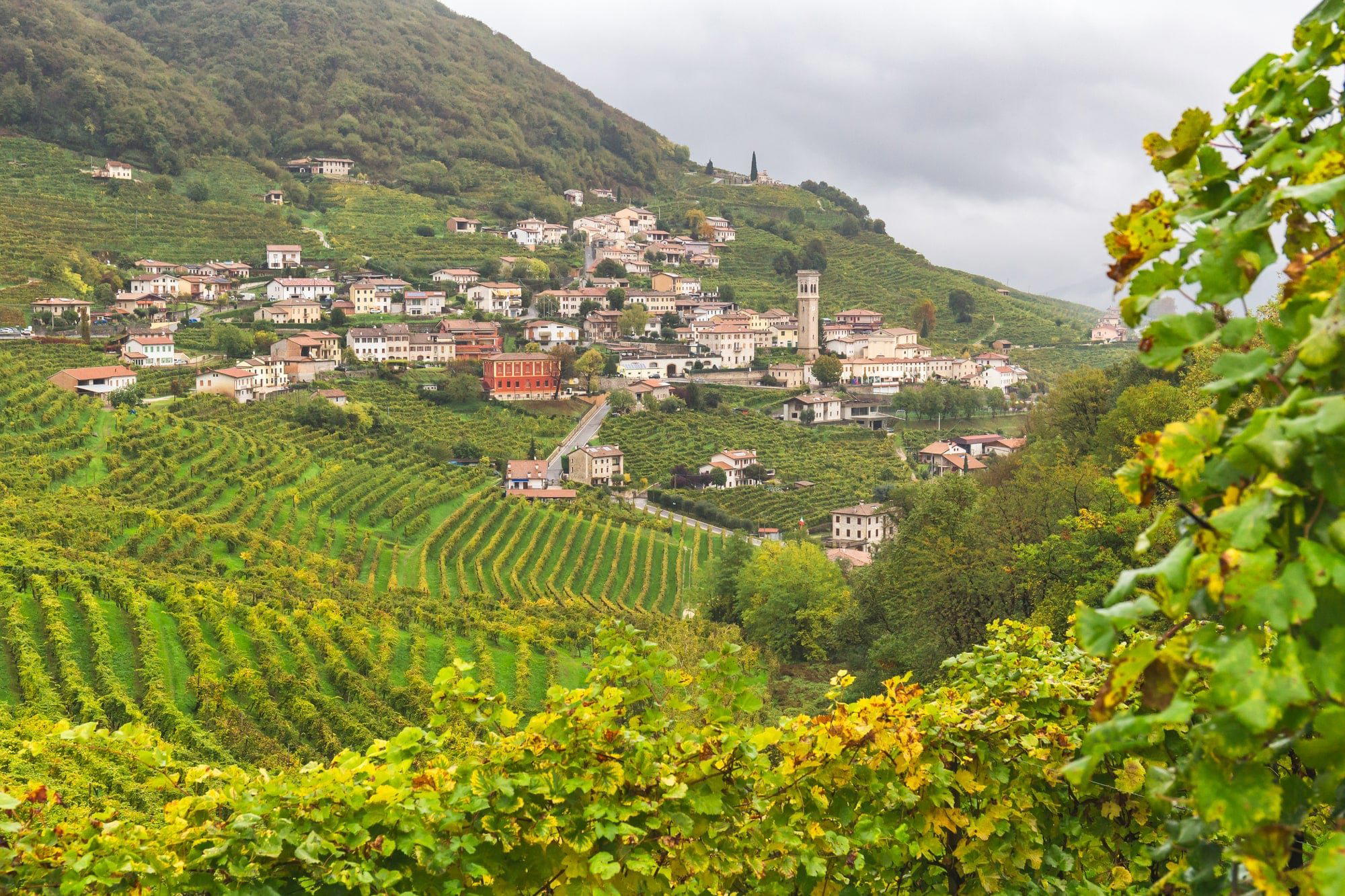
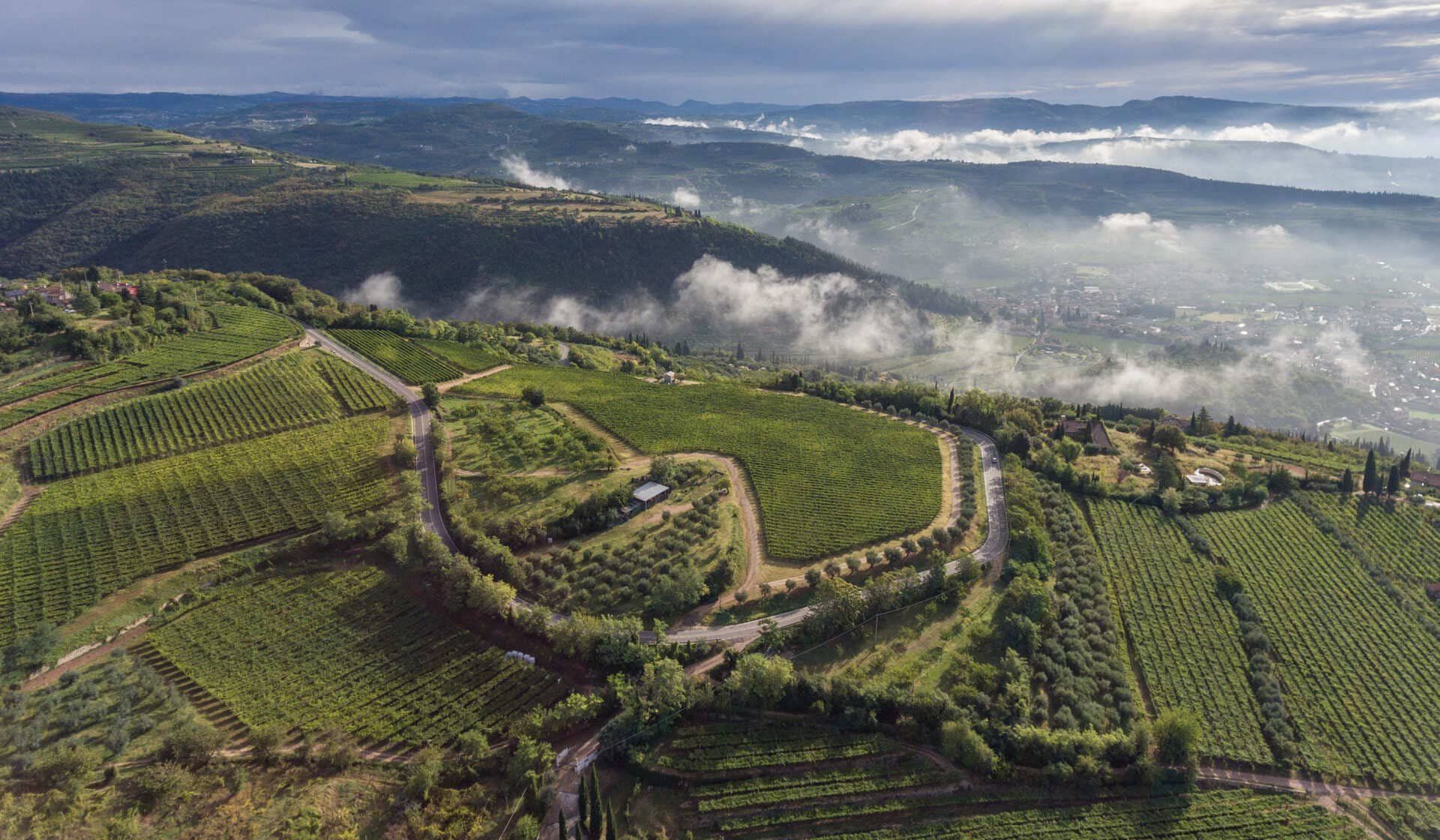
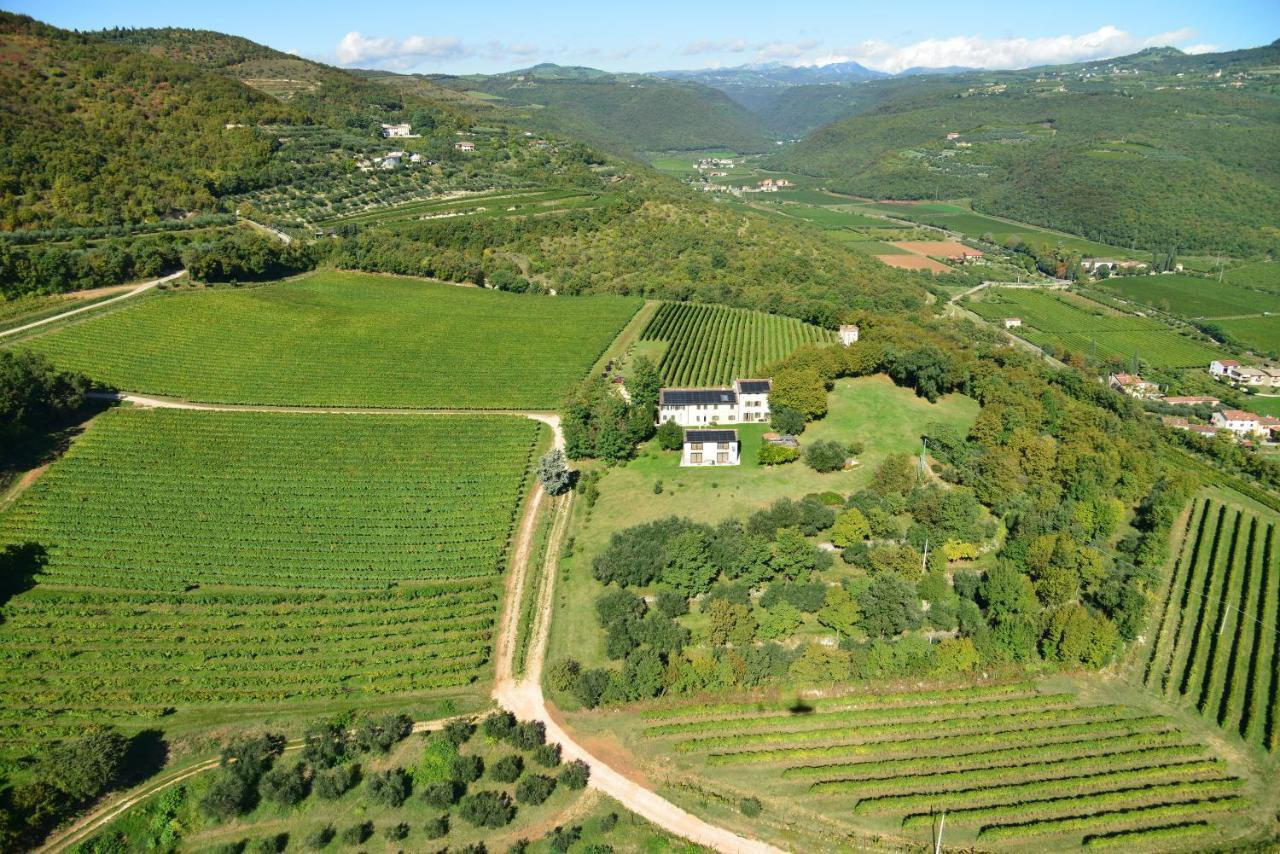
Approach the Valpolicella hills around Negrar and the logic of the wine becomes visible before the first glass: terraces, dry-stone walls, olive trees and slopes cut for vines rather than spectacle. Recchia belongs to that older grammar of the region, where the visitor experience starts with terrain and only then moves into tanks, barrels and fruttai, the drying rooms that sit at the centre of Amarone and Recioto production.
Valpolicella Classico is not a single-style proposition. Its reputation rests on a spectrum: fresher Valpolicella for immediacy, Ripasso for added weight, Amarone for dried-grape concentration and Recioto for sweetness with regional memory. Recchia’s value lies in making that hierarchy legible. The estate works with Corvina, Corvinone, Rondinella and Molinara, alongside Chardonnay, Garganega and Trebbiano, so the visit reads less like a generic winery stop and more like a compact lesson in how Veneto’s local grapes move through different formats.
Terraces, grape-drying rooms and the Valpolicella Classico argument
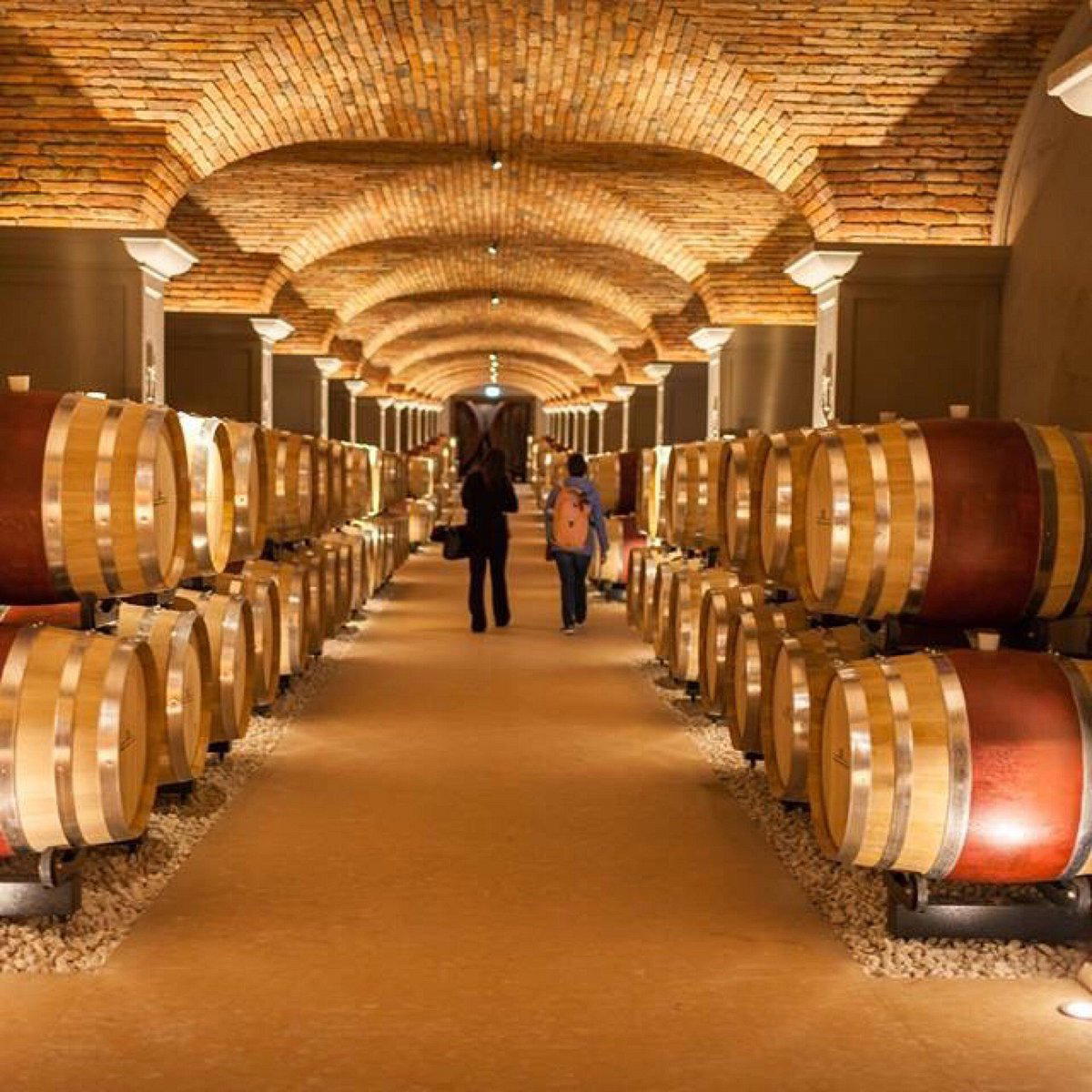
The stronger winery visits in Valpolicella do not treat the cellar as the main attraction. They connect the room to the slope. Here, the sequence matters: a view over the historic valley, stainless-steel fermentation spaces, oak barrel rooms and the fruttai used for appassimento. That order explains the region with unusual clarity. Stainless steel signals control and cleanliness; barrels bring maturation into the story; the drying rooms explain why Amarone and Recioto cannot be understood as ordinary reds with extra weight.
Appassimento is the regional hinge. Grapes are dried before fermentation, concentrating sugars and structure, and the technique has shaped Valpolicella’s international identity far more than cellar design or visitor theatrics. At Recchia, the method is presented as part of a working estate rather than a staged museum set. The family operation dates to 1906, and the production scale, around 108 hectares associated with the estate and approximately 500,000 bottles per year, puts it in a meaningful middle register: large enough to export and sustain a broad portfolio, small enough for the family narrative to remain credible.
The winemaking oversight of Enrico Recchia and Luca Recchia, named as both agronomists and enologists, gives the estate an integrated farming-and-cellar structure. That detail matters in Valpolicella, where vineyard choices, drying decisions and maturation style can shift a wine from lifted and agile to heavy and overbuilt. The estate’s public-facing story favours the canonical lane: Valpolicella Classico DOC, Valpolicella Superiore, Ripasso, Amarone and Recioto, rather than a portfolio built around experimental detours.
A tasting format built around regional sequence, not luxury performance
One useful way to read Recchia is through progression. A guided tasting here is structured around five wines with food pairings, including breadsticks, taralli, bread with the estate’s extra virgin olive oil, local cheeses and sweet pastries with sweet wine. The pairings are modest in the right way: they keep attention on the wines and on Veneto’s table culture rather than turning the visit into a restaurant substitute.
Named wines associated with the estate show the regional ladder clearly: Cà Bertoldi Amarone della Valpolicella Classico 2015, Recioto della Valpolicella Classico La Guardia 2019, Valpolicella Ripasso Classico Superiore Le Muraie 2019 and Masùa di Jago Valpolicella Classico Superiore 2019. That set is enough to show the structural differences serious drinkers come to Valpolicella to parse: dried-grape power, sweet-wine tradition, Ripasso’s bridge category and the more direct Classico Superiore register.
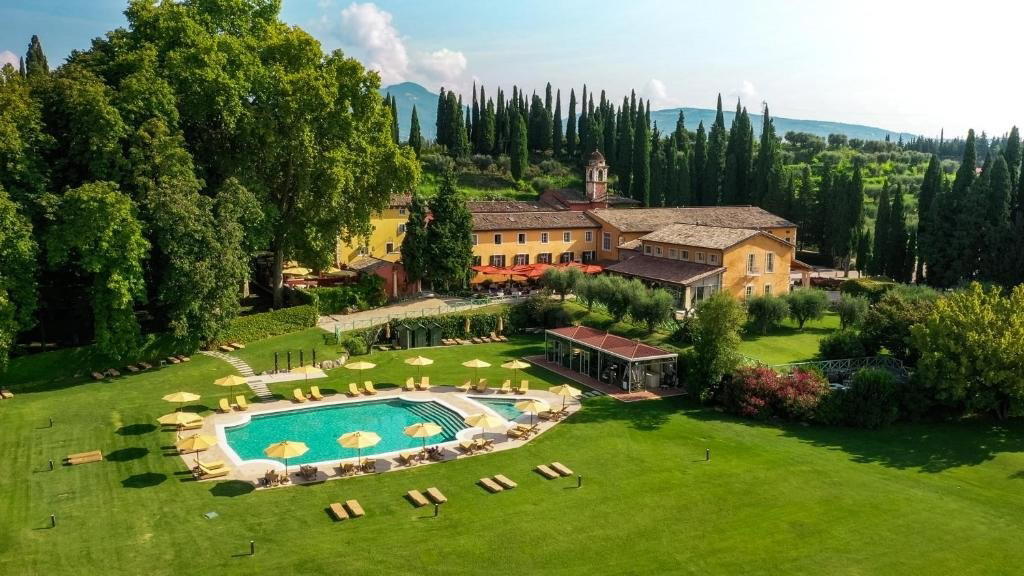
Cellar-door tone is informal rather than ceremonial. The setting includes a panoramic terrace, barrel room, estate grounds and rustic outdoor seating, so the visit suits travellers who want regional context without the stiffness of a luxury tasting room. Noise is conversational, the atmosphere family-run, and the experience is available in German, English and Italian. For a wine region that often has to explain itself to international visitors, multilingual interpretation is more than convenience; it shapes how well the appellation is understood.
Recchia also sits within a broader Negrar wine itinerary rather than as a self-contained destination. Travellers building a local route can place it alongside Azienda Agricola Viviani, Cantina Valpolicella Negrar, Damoli Bruno, Dolcevera and Domìni Veneti. For wider planning, use Our full Negrar wineries guide, then pair the day with Our full Negrar restaurants guide, Our full Negrar hotels guide, Our full Negrar bars guide and Our full Negrar experiences guide.
Why this kind of estate still matters in Veneto
Veneto wine tourism can drift toward scale, brand polish and tasting rooms that flatten local difference. Recchia is more persuasive when judged by the opposite criteria: it gives visitors the physical sequence behind Valpolicella, from hillside to fermentation to oak to grape drying, and it keeps the emphasis on regional grapes rather than imported prestige cues. The estate’s production of still red, still white, rosé, dessert and sparkling wines broadens the range, but the centre of gravity remains the local red-wine tradition.
That makes the visit especially useful for travellers who want to understand why Valpolicella Classico has a different register from generic Veneto red wine. The influence of the Negrar valley, the terraced agricultural setting and the appassimento rooms all point in the same direction: land and method are inseparable here. The estate’s strength is not a single headline credential; it is the coherence between place, grapes, cellar sequence and hospitality format.
For readers mapping wine travel beyond Negrar, EP Club’s wider winery coverage includes 3GP SRL in Treviso, 47 Anno Domini in Trebaseleghe, A Mano Wine in Noci, »der Steiner« Hans Steiner in Podersdorf am See and & Handwein in Mannheim. Recchia belongs in that planning universe as a classic Valpolicella stop: educational, rural in feel and anchored by the dried-grape traditions that define the valley.
Recognition history
Dated appearances from independent guides and award organizations, with the underlying list record or original source where available.
Falstaff Winery - Listed
Falstaff
Continue exploring
More in Negrar
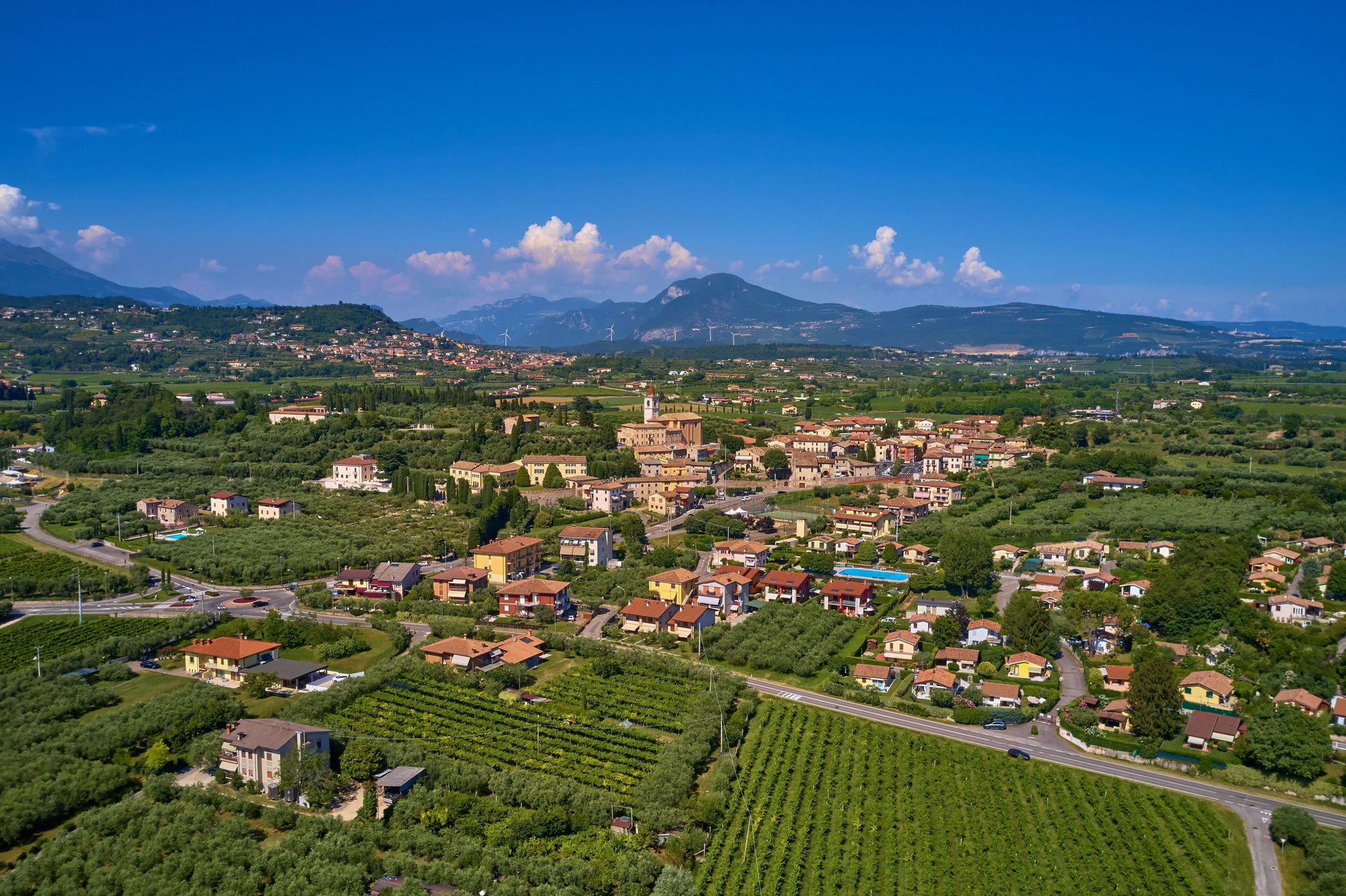
Wineries in Negrar
Browse all →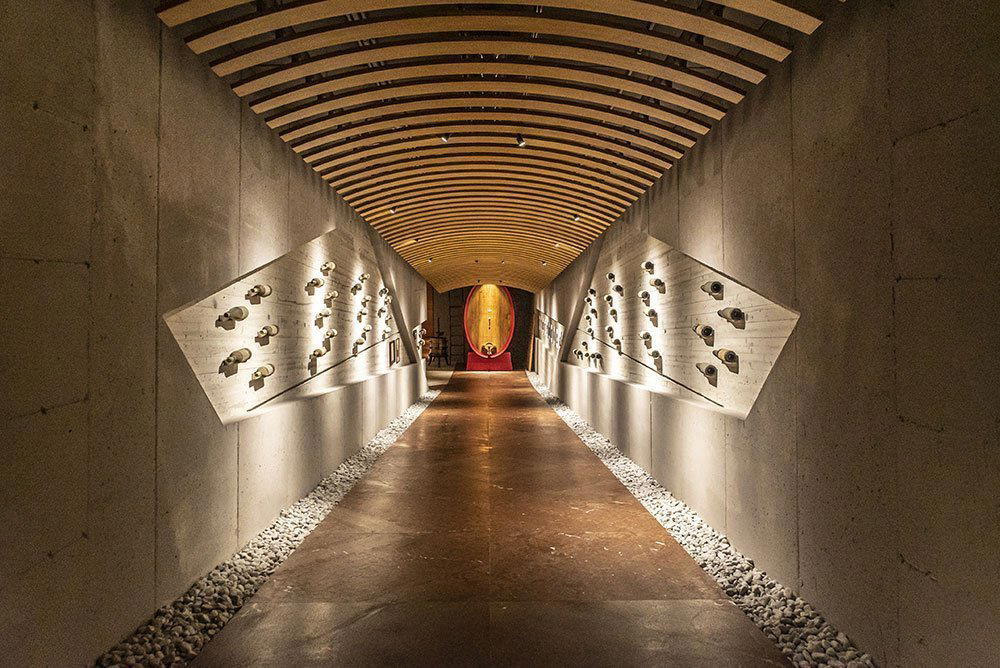
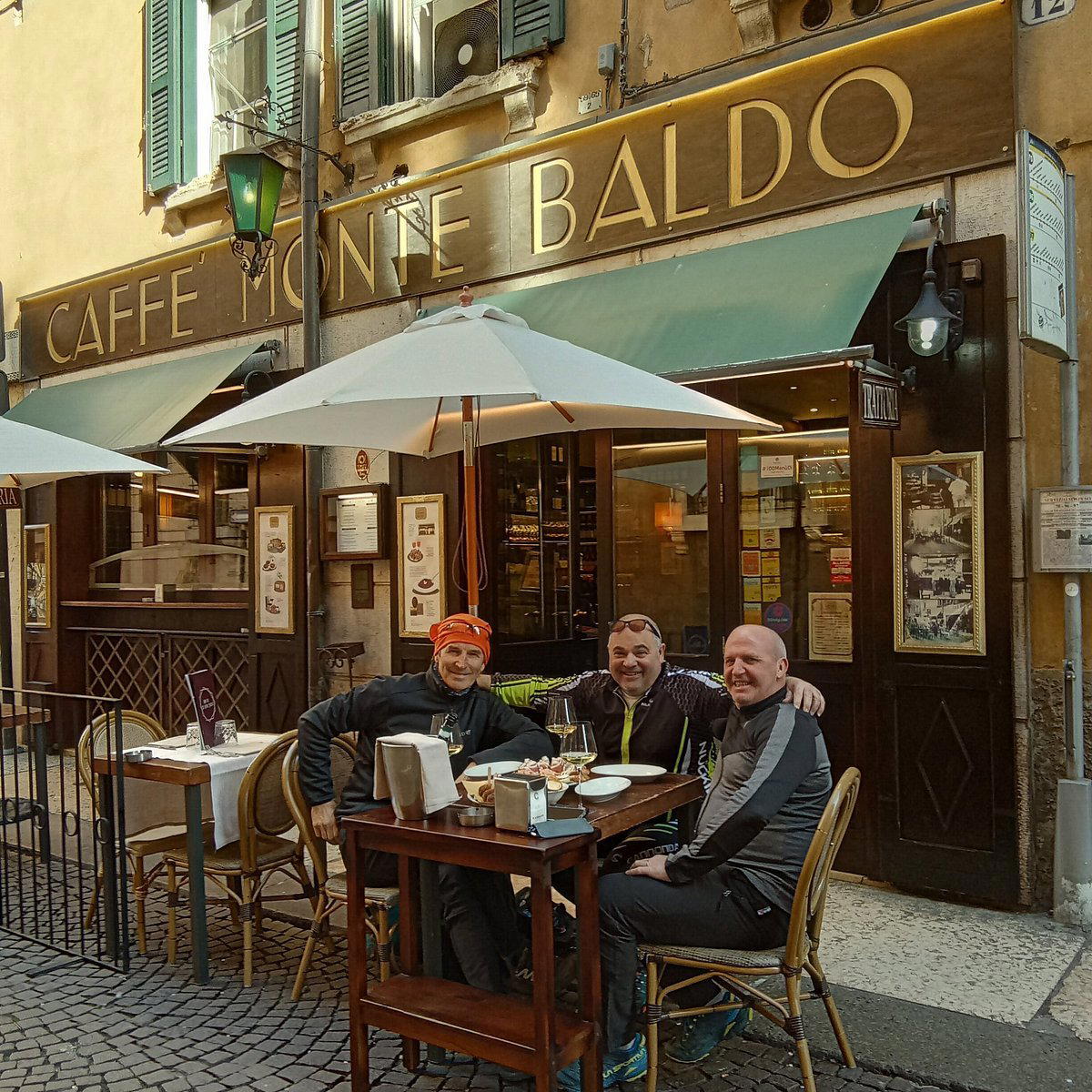
Bars in Negrar
Browse all →
Restaurants in Negrar
Browse all →
At a Glance
- Scenic
- Rustic
- Classic
- Intimate
- Romantic
- Group Outing
- Wine Education
- Romantic Getaway
- Family
- Special Occasion
- Solo Exploration
- Barrel Room
- Vineyard Tour
- Terrace
- Panoramic View
- Estate Grounds
- Private Tasting
- Vineyard
- Mountain
- Valpolicella Classico DOC
- Corvina
- Corvinone
- Rondinella
- Molinara
- Chardonnay
- Garganega
- Trebbiano
- Still Red
- Still White
- Still Rosé
- Dessert
- Sparkling
- Guided Tasting
- Set Flight
- Tour Plus Tasting
- Food Paired Tasting
Family-run Valpolicella estate with a welcoming, informal atmosphere, combining modern stainless-steel cellar spaces, atmospheric oak barrel rooms and traditional fruttai for grape drying, plus a panoramic terrace over the historic valley and rustic outdoor areas with olive trees and farm equipment.