Rancho Sisquoc Winery

Rancho Sisquoc Winery sits along Foxen Canyon Road in Santa Maria's interior wine country, earning a Pearl 3 Star Prestige rating in 2025. The property operates within one of California's oldest ranch landscapes, where the distance from coastal influence and the pace of the canyon shape what ends up in the barrel. Visitors arrive for the setting as much as the wine.
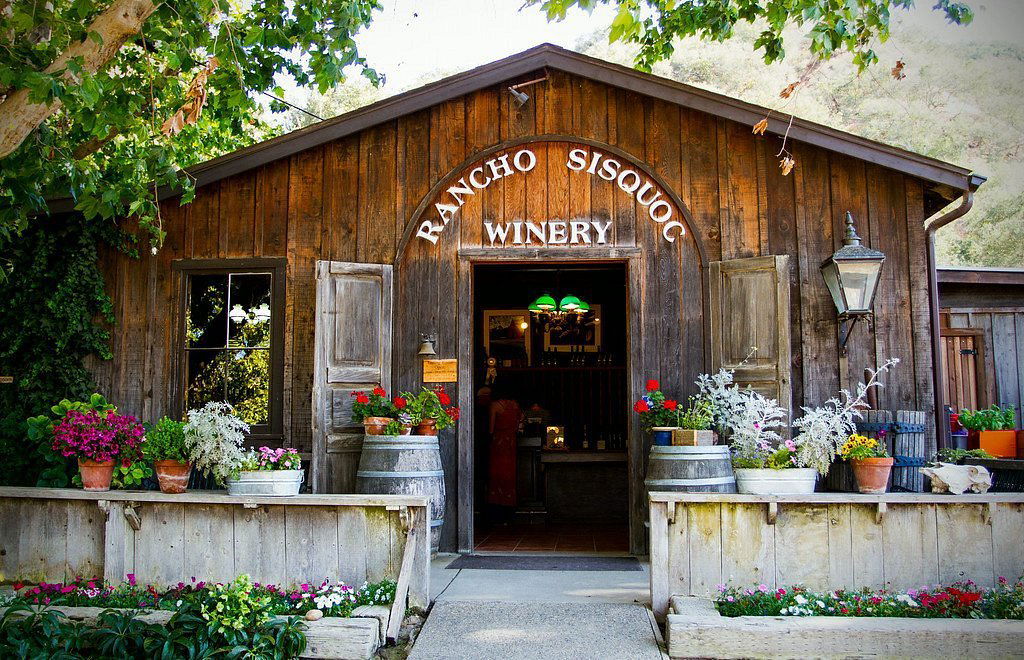
Foxen Canyon and the Geography of Patience
The drive along Foxen Canyon Road is itself an argument for why Santa Maria's interior wine country operates differently from the coastal appellations that draw more casual attention. By the time you reach the turn for Rancho Sisquoc at 6600 Foxen Canyon Rd, the valley has narrowed, the oak canopy has thickened, and the commercial bustle of the Santa Maria Valley floor has receded entirely. This is agricultural California in a register that predates the wine industry's marketing apparatus, and Rancho Sisquoc sits inside that older version of the place. The 2025 Pearl 3 Star Prestige recognition from EP Club places it in a peer set of serious California producers — alongside properties like Bien Nacido Estate and Presqu'ile Winery — where the work in the cellar is expected to match the ambition in the vineyard.
What the Canyon Does to the Wine
Santa Maria Valley's reputation rests substantially on its cold-climate anomaly: a transverse valley that funnels Pacific air inland every afternoon, dropping temperatures sharply and extending the growing season in ways that most California appellations cannot replicate. At higher elevations along the canyon, that moderation is compounded by terrain. Grapes accumulate sugar more slowly, hang longer, and arrive at harvest with acid structures that give winemakers more to work with in the cellar. This is the foundational argument for aged Santa Maria Valley wines holding their shape over time , and it is the argument that properties along Foxen Canyon have made, implicitly, through decades of production.
The canyon corridor has become a kind of sub-geography within Santa Maria, with Foxen Vineyard and Winery occupying a reference point further up the road. Properties here tend to operate on ranch-scale land holdings rather than boutique-block configurations, which shifts the calculus around blending and barrel selection. When you have access to multiple blocks with genuinely different soil profiles and microclimates, the decisions made after harvest carry as much weight as any single farming choice.
The Cellar Argument: After Harvest
The editorial angle that separates serious canyon producers from the broader California wine field is what happens between crush and release. In a region with strong natural acid and moderate alcohol potential, the temptation toward early release is lower than in warmer appellations where wines can seem complete within months of finishing fermentation. The canyon's structural gifts , acid, tannin in the reds, mineral tension in the whites , reward time in barrel and time in bottle. Producers who understand this tend to release wines later, allocate more selectively, and price at a tier that reflects extended cellaring costs.
Rancho Sisquoc's positioning within the Pearl 3 Star Prestige tier reflects that framework. At this level within EP Club's recognition system, a winery is assessed not only on the quality of individual vintages but on consistency across years and on the evidence that post-harvest decisions , barrel selection, elevage duration, blending discipline , are being made with long-term structure in mind rather than short-cycle throughput. Properties like Cambria Estate Winery and Costa de Oro Winery occupy similar territory within the Santa Maria conversation, each bringing a different acreage and varietal emphasis to the valley's identity.
The Ranch Scale and Its Implications
Rancho Sisquoc is not a small producer in the boutique sense. The property encompasses a working ranch, which means the winery exists within a wider agricultural context , cattle, farming, land stewardship , that shapes institutional priorities differently than a purpose-built wine estate. This has implications for how the property approaches hospitality and how it positions itself relative to the valley's more visitor-oriented producers. The tasting experience at a ranch-scale property like this tends toward a certain directness: less theatrical, more grounded in the land itself.
That orientation aligns with a broader shift visible across California's serious wine regions. The cellar-forward, allocation-oriented model , common at properties like Accendo Cellars in St. Helena or Adelaida Vineyards in Paso Robles , prioritizes depth of experience over volume of visitors. A working ranch property has its own version of that prioritization: the wine is what it is because of how the land is managed at scale, and the visitor understands they are on the land itself, not inside a showroom built to simulate it.
Seasonal Timing and the Canyon Visit
Foxen Canyon changes character across the year in ways that affect the practical logic of a visit. Spring brings the canyon to green briefly before the summer heat arrives; autumn harvest season is the most active and, for wine-focused visitors, the most instructive. Watching the canyon in October, when decisions about when to pick are being made against the backdrop of cooling fog and lengthening nights, provides context for understanding what ends up in the barrel in a way that a summer visit to a tasting room cannot replicate. If timing allows, autumn along Foxen Canyon is the period when the region's character is most legible.
Planning a broader trip around the valley makes sense given the concentration of serious producers along this corridor. Our full Santa Maria wineries guide maps the wider landscape for visitors making a day or multi-day circuit. For accommodation and dining context, our Santa Maria hotels guide and our Santa Maria restaurants guide cover the supporting infrastructure. The canyon itself is not proximate to the town's restaurant cluster, so sequencing matters: tastings along the road, then town for the evening.
Placing Rancho Sisquoc in a Wider California Frame
California's premium wine geography tends to be discussed in terms of Napa and Sonoma, with the Central Coast operating as a secondary conversation even as its technical case grows stronger. Santa Maria Valley's cold-climate argument has been made compellingly by its Pinot Noir and Chardonnay programs for decades, but the valley's distance from major urban centers and its relatively low name-recognition among casual wine buyers has kept it from commanding the price premiums its structural credentials might otherwise support.
This positioning has a counterpart in international contexts. Properties operating in less-marketed regions , whether Adelsheim Vineyard in Newberg, Abadía Retuerta in Sardón de Duero, or Aberlour in Aberlour , often command authority within their categories precisely because the region's relative obscurity filters for serious visitors and keeps the conversation focused on the wine rather than the marketing. Rancho Sisquoc operates in that register within the California context: a Pearl 3 Star Prestige property on a canyon road that requires intent to visit, where the wine tells the story of the land rather than the other way around.
For visitors making a serious circuit of Santa Maria Valley's wine country, the canyon properties form a coherent narrative arc. Each stop adds a different variable to the understanding of how this valley's cold afternoons and long growing season express themselves through different varietal choices, different cellar programs, and different approaches to when a wine is ready to leave. Rancho Sisquoc's contribution to that arc is rooted in ranch-scale land and a cellar program that the 2025 Pearl 3 Star Prestige recognition places at the serious end of that conversation. The address is on the road worth planning around; see also our Santa Maria bars guide for the evening side of any extended valley visit.
Frequently Asked Questions
- What do visitors recommend trying at Rancho Sisquoc Winery?
- Santa Maria Valley's cold-climate growing conditions produce whites and reds with acid structure that holds well across multiple years in bottle. Visitors focused on the region's strengths typically prioritize the Chardonnay and Pinot Noir expressions, which reflect the valley's transverse geography most directly. The 2025 Pearl 3 Star Prestige recognition from EP Club signals that the cellar program is producing wines worth drinking with attention rather than in passing.
- What's the standout thing about Rancho Sisquoc Winery?
- The combination of ranch-scale land holding along Foxen Canyon Road and a 2025 Pearl 3 Star Prestige rating from EP Club places Rancho Sisquoc in a small cohort of Santa Maria properties where serious viticulture and historical land tenure overlap. The canyon setting itself , removed from the Santa Maria Valley floor and its more visitor-oriented cluster , gives the property a character that is agricultural in the fullest sense rather than hospitality-first.
- How far ahead should I plan for Rancho Sisquoc Winery?
- Foxen Canyon Road properties generally warrant advance planning, particularly during autumn harvest season when vineyard activity and tasting room traffic are highest. Given that specific booking and hours data for Rancho Sisquoc is not published centrally, contacting the winery directly before a visit is advisable to confirm tasting availability. Building the visit into a wider Santa Maria canyon circuit , including other Pearl-tier producers , helps ensure the day is efficiently structured.
- Is Rancho Sisquoc Winery well suited to visitors interested in aged California wines?
- Yes, and this is where the property's Santa Maria Valley address matters most. The valley's extended growing season and cold afternoon temperatures produce wines , particularly Chardonnay and Pinot Noir , with the acid structure to develop meaningfully in bottle over years rather than months. For visitors whose interest runs toward California wines with genuine aging potential rather than early-release expressions, the Foxen Canyon corridor, anchored by producers with EP Club's Pearl 3 Star Prestige recognition, is the right part of the state to be exploring.
Access the Cellar?
Our members enjoy exclusive access to private tastings and priority allocations from the world's most sought-after producers.
Access the Concierge