Rall Wines

Falstaff Winery - Listed
Rall Wines sits in the New Wave corner of South African wine: small-scale, low-intervention, and built around old-vine parcels rather than estate spectacle. Donovan Rall’s work connects Stellenbosch, Swartland, and the wider Western Cape through Chenin Blanc, Syrah, Grenache, Cinsault, Verdelho, and Viognier, with recognition that includes Tim Atkin MW’s 2025 Winemaker of the Year and a Platter’s 5-star debut White.

Approach Rall Wines as a focused, small-producer wine experience rather than a large visitor-center stop. The picture is of a low-intervention garagista producer with an artisanal atmosphere, centered on intimate tastings and cellar appointments. In Stellenbosch, that makes it well suited to guests looking for a quieter, more concentrated encounter with wine rather than broad hospitality programming. It is the sort of visit to consider when the priority is not a long list of amenities, but a more contained sense of producer identity, cellar context, and the philosophy behind the wines.
The available detail is deliberately narrow: Rall Wines is presented as a small, low-intervention producer whose atmosphere reflects rugged Swartland terroir and a minimal-intervention philosophy. Specific claims about founding dates, named people, grape varieties, production volumes, awards, vineyard sources, or individual bottlings are not confirmed here, so the most reliable way to frame the visit is through its scale, style, and appointment-led character. That restraint matters: the strongest description is not a catalogue of facts, but a careful reading of the producer’s small-format, hands-on tone.
A small-producer visit shaped by low-intervention focus
Rall Wines is best understood through its small-scale, garagista identity and its connection to a Swartland-influenced, low-intervention sensibility. Rather than emphasizing a large public tasting infrastructure, the experience is described as focused and artisanal, with attention placed on intimate tastings and cellar appointments. That gives the visit a narrower, more deliberate shape, where the emphasis falls on the wine and the producer’s working environment rather than on the surrounding trappings of estate tourism.
What can be said with confidence is that the producer’s positioning is restrained, cellar-centered, and shaped by a minimal-intervention approach rather than by a conventional visitor-complex model. In practical terms, that means it should be read as a specialist stop: one where the value lies in scale, atmosphere, and attention, not in the expectation of a broad, constantly available public program.
For guests, that means the appeal is less about broad public hospitality and more about engaging with a small producer whose atmosphere is defined by concentration, craft, and a rugged Swartland-terroir reference point. The visit is therefore most compelling for drinkers who already enjoy the idea of a quieter cellar encounter, where the conversation around the wine can carry more weight than the scale of the venue itself.
The emphasis is artisanal rather than expansive
The material supports a broader reading of Rall Wines as a low-intervention, garagista-style producer, but it does not confirm biographical details, awards, memberships, exact production figures, or named bottlings. That approach is intentional: for a producer described in such focused terms, accuracy comes from staying close to the character of the place rather than filling in gaps with assumptions.
What remains is still useful for planning: Rall Wines is positioned as a small, focused producer with an intimate tasting culture and cellar-appointment orientation. The atmosphere is artisanal rather than expansive, and the experience is better suited to visitors who value restraint, producer focus, and a quieter format. In that sense, its appeal sits in contrast to more general wine-tourism settings, because the point is not to offer everything, but to create space for a more concentrated encounter.
The minimal-intervention and Swartland-terroir framing also help set expectations. Guests should anticipate a small-scale sensibility rather than a high-volume hospitality venue, with the emphasis on wine, place, and craft. The rugged terroir reference suggests a grounded, less polished mood, and the low-intervention language points toward a producer identity built around restraint and careful handling rather than showmanship.
How to read Rall within a Stellenbosch itinerary
For travelers using Stellenbosch as a base, Rall Wines fits best into a wine-focused itinerary where the goal is depth rather than breadth. Its profile points to intimate tastings and cellar appointments, so it is more appropriate for visitors seeking a concentrated producer experience than for those looking for a large estate setting with extensive public facilities. It should be treated as a purposeful stop, not as a casual add-on that depends on size, spectacle, or a wide hospitality offering.
The most reliable planning note is simple: treat Rall Wines as a small, artisanal, appointment-oriented producer. That framing helps keep expectations aligned with the available information and avoids over-reading the venue as something more expansive than the description supports.
For a wider small-producer lens, keep the distinction clear: Rall Wines belongs to a low-volume, winemaker-focused style of visit where atmosphere and cellar context matter more than a broad public hospitality program. Guests who appreciate that distinction are more likely to understand the venue on its own terms: quiet, focused, artisanal, and grounded in a low-intervention sensibility rather than in the language of large-scale wine tourism.
Frequently asked questions
Where is Rall Wines located?
Rall Wines is located in Stellenbosch.
What's the cost level for Rall Wines?
Pricing at Rall Wines is listed as $$$.
What's the standout thing about Rall Wines?
Rall Wines stands out as a small, low-intervention garagista producer with a focused, artisanal atmosphere. The experience is centered on intimate tastings and cellar appointments rather than a large visitor center.
Should I book Rall Wines in advance?
The profile emphasizes intimate tastings and cellar appointments, so planning ahead is the safest approach for a visit to Rall Wines in Stellenbosch.
Recognition history
Dated appearances from independent guides and award organizations, with the underlying list record or original source where available.
Falstaff Winery - Listed
Falstaff
Enquire about visiting Rall Wines or buying its wine
Visits to Rall Wines are usually kept for the estate's regular buyers and the wine trade. Tell us when you would like to go and a little about how you buy, and we put the request to the estate and reply to you by email. For buying, we source directly from the producer or from a licensed seller we know and vouch for, and tell you the route before you pay.
Continue exploring
More in Stellenbosch
Wineries in Stellenbosch
All wineries in Stellenbosch →
Bars in Stellenbosch
All bars in Stellenbosch →
Details
- Rustic
- Intimate
- Sophisticated
- Wine Education
- Solo Exploration
- Group Outing
- Private Tasting
- Organic
- Dry Farmed
- Vineyard
- Chenin Blanc
- Syrah
- Grenache Noir
- Grenache Blanc
- Cinsault
- Verdelho
- Viognier
- Still Red
- Still White
- Pet Nat
- Appointment Only
- Private
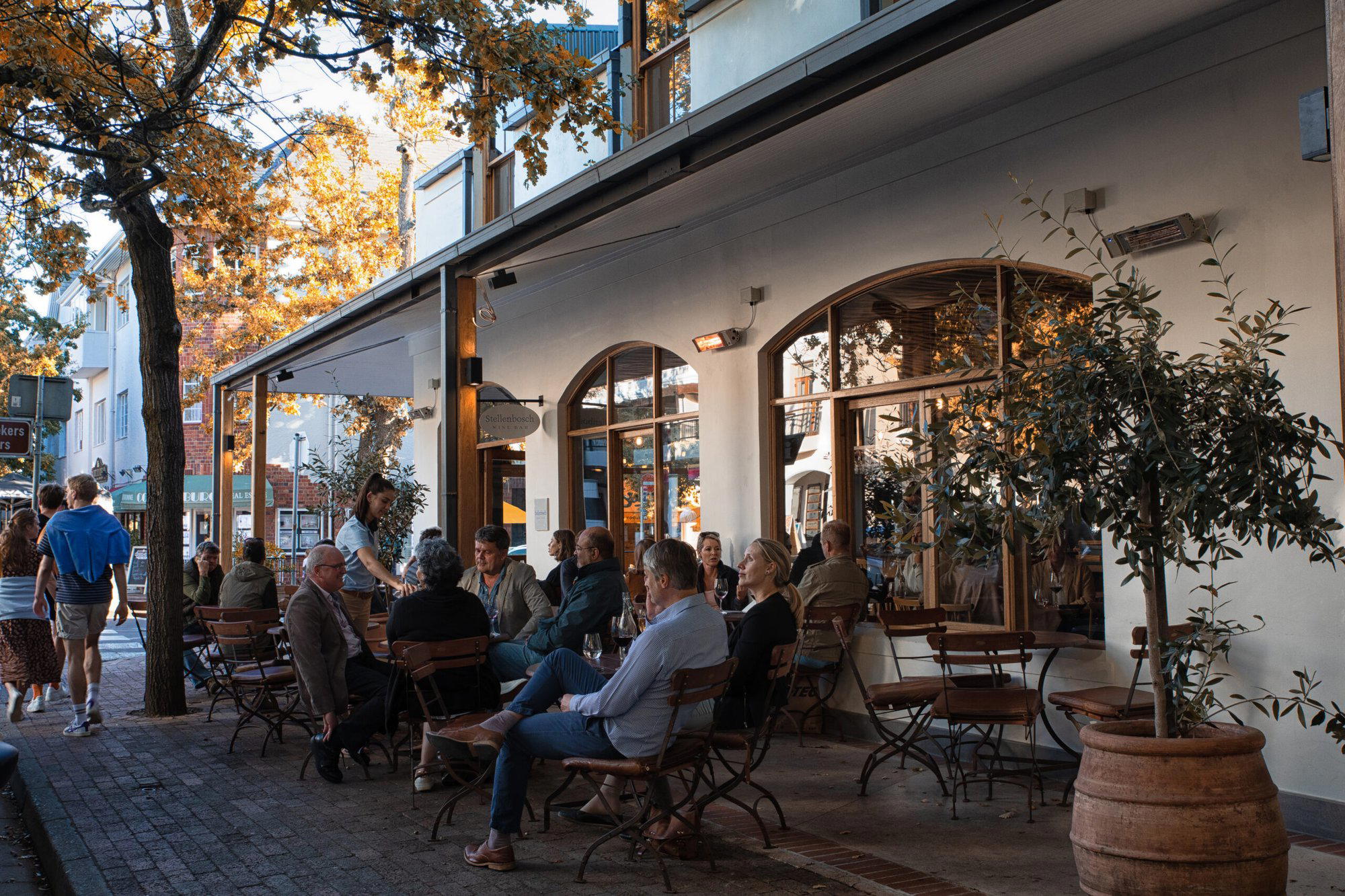
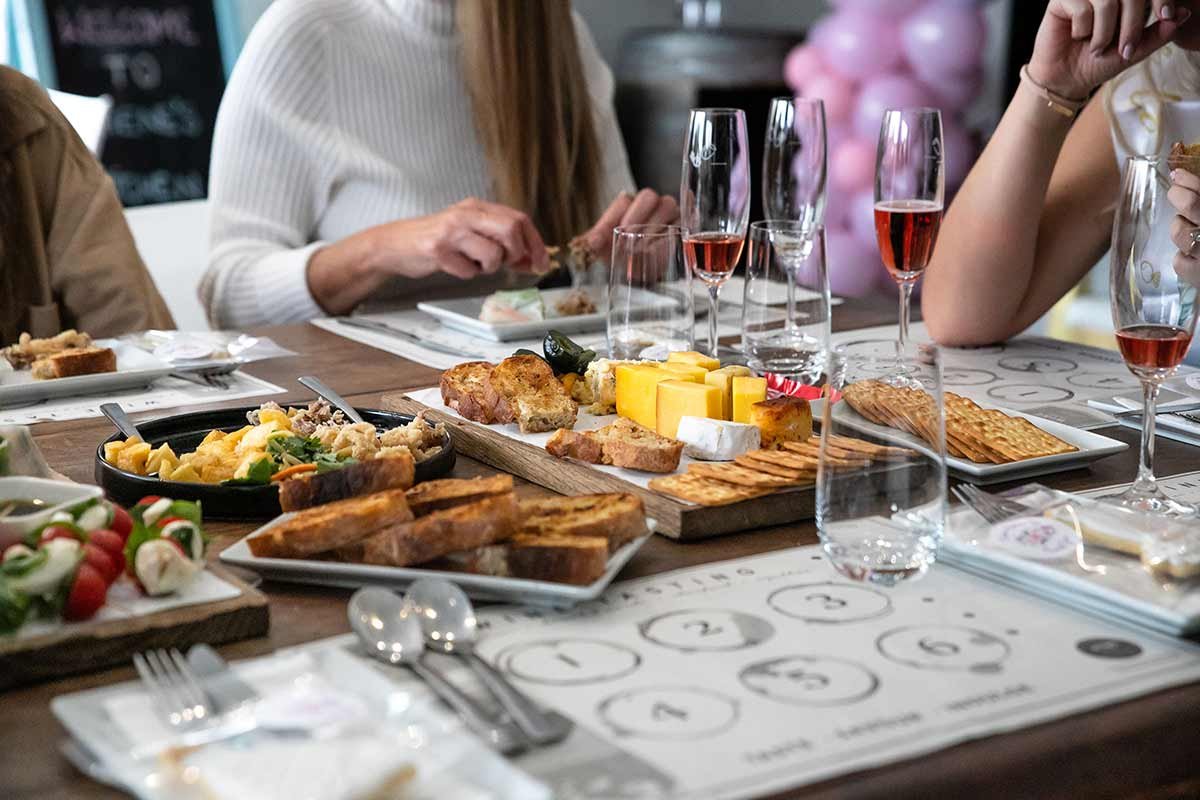
A small, low-intervention garagista producer with a focused, artisanal atmosphere centered on intimate tastings and cellar appointments rather than a large visitor center, reflecting the rugged Swartland terroir and minimal-intervention philosophy.