
Falstaff Winery - Listed
Radici Vive brings Campania’s indigenous grapes into an urban Neapolitan frame: Falanghina, Fiano, Greco, Piedirosso and Aglianico handled through a fourth-generation family operation dating to 1891. The draw is not grand estate theatre but a human-scale winery culture, with sustainable intent, a Campania IGP focus and an educational vineyard project tied to environmental recovery.

Pearl is the En Primeur Club membership app — saves, bookings, and concierge access live there. Same editors, same standards.

Radici Vive in Neapel is best understood through a concise, careful frame: a fourth-generation urban Neapolitan winery with a handmade, human-scale approach. Its identity is tied to traditional Campanian roots, modern stylistic innovation and elegant wines made from indigenous varieties. That makes it less a venue to describe through spectacle, scale or a long checklist of amenities, and more a wine address whose value sits in continuity, locality and style. The most accurate way to read it is through what is already clear: a rooted Neapel identity, a Campanian foundation and a preference for wines that feel elegant rather than showy.
Campanian roots in an urban Neapolitan setting
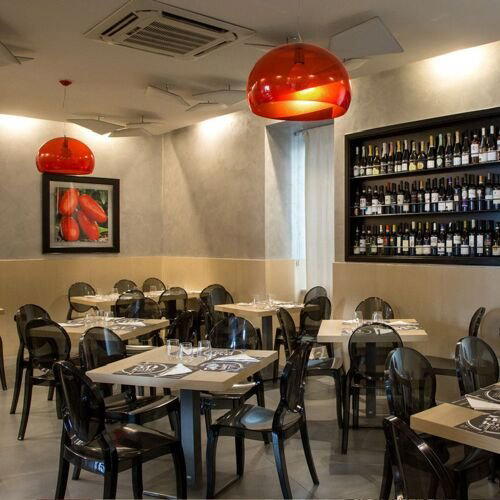
The story of Radici Vive is not built around a rural estate image or a long list of hospitality details. It is an urban winery in Neapel, with a character described as classic, elegant and rustic. That combination gives the place a grounded local identity without requiring unsupported claims about exact vineyard sites, production figures, named grapes, service formats or visitor programs. The urban setting matters because it places Campanian wine culture inside the life of the city rather than at a distance from it. In this frame, Radici Vive belongs to Neapel as a working wine presence, not merely as a destination label.
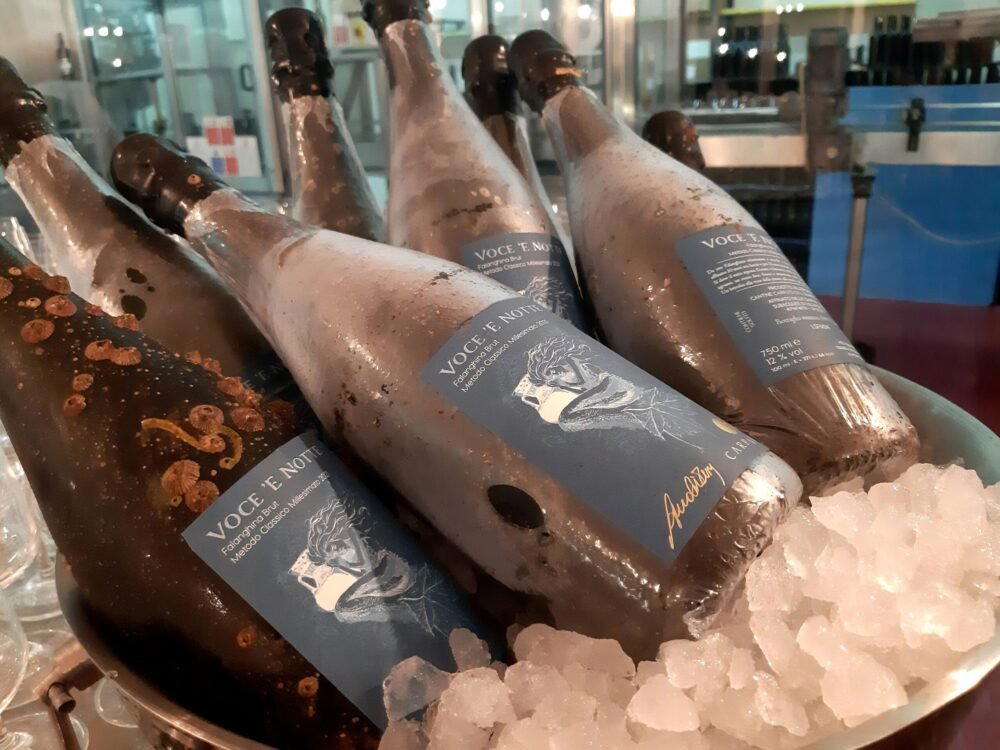
What can be stated clearly is that Radici Vive works from Campanian roots and focuses on indigenous varieties. The appeal is therefore regional and stylistic rather than based on a confirmed award, score or ranking. It is a Neapel wine address for people interested in how local tradition and a more contemporary sensibility can sit together in the glass. The emphasis on indigenous varieties also keeps the focus close to place: the wines are presented through a Campanian vocabulary, with the region’s own identity at the center rather than an imported model of taste or prestige.
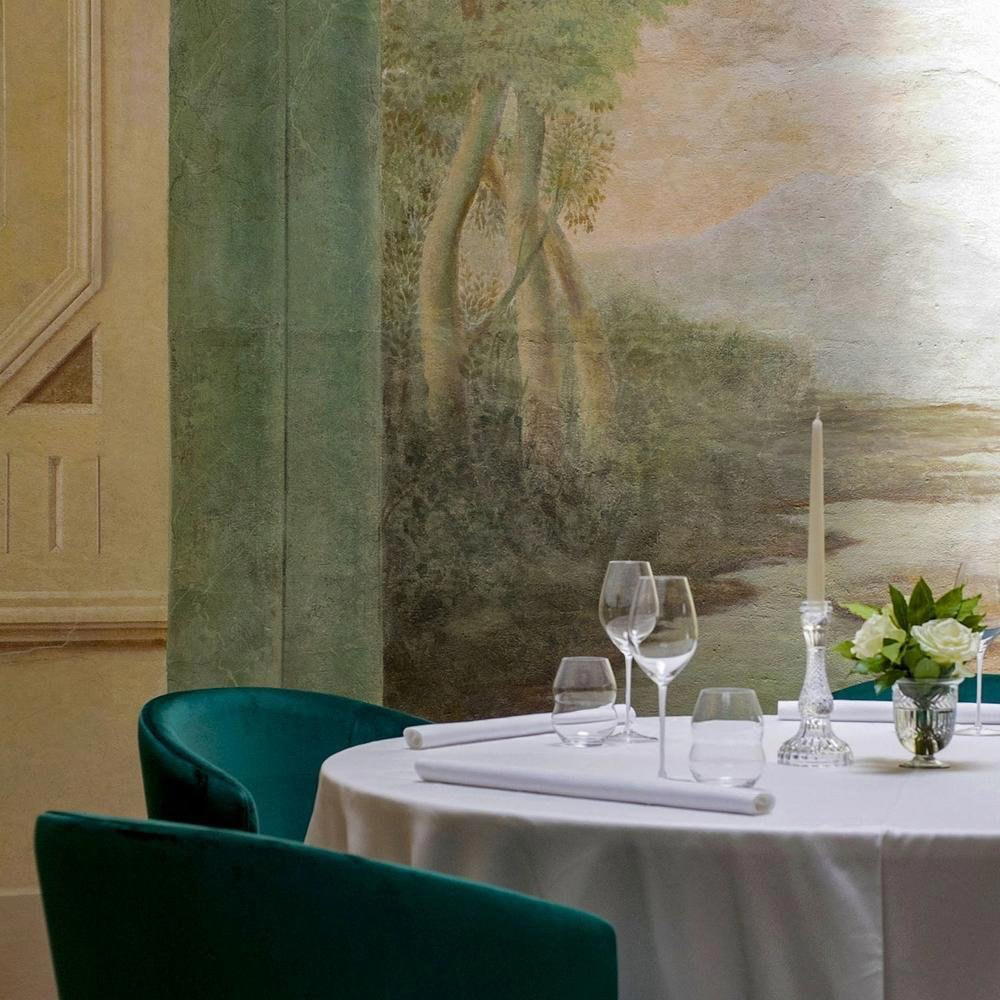
The words used around Radici Vive are deliberately modest but useful. Classic suggests a respect for continuity; elegant suggests a polished line rather than heaviness; rustic adds texture and a sense of directness. Taken together, those descriptions create a picture of a venue that is local, personal and stylistically considered. They do not need to be inflated into grand claims to be meaningful. In fact, the restraint is part of the appeal, especially for visitors looking for a wine experience connected to Neapel without turning every detail into a marketing statement.
Tradition without overstatement
Radici Vive is described as fourth-generation, which supports a sense of continuity and family-scale identity. The description also emphasizes a handmade, human-scale approach. Those are meaningful details, but they should not be stretched into claims about exact founding dates, named winemakers, bottle counts, certifications, tasting formats or reservation policies unless those details are confirmed elsewhere. The strength of the description lies in its limits: it tells us enough to understand the venue’s spirit while leaving practical specifics to be directly.
The safest reading is a restrained one: Radici Vive presents Campanian wine through an urban Neapolitan lens, combining traditional roots with modern stylistic innovation. Its style language points toward elegance rather than spectacle, and its atmosphere can be described as classic, rustic and somewhat hidden in feel. That balance is important. Tradition here does not have to mean static or old-fashioned, just as innovation does not have to mean experimental for its own sake. The available description suggests a meeting point between inherited knowledge and a present-day sense of style.
For an EP Club venue note, that distinction matters. A fourth-generation identity gives Radici Vive depth, but the editorial value is not in turning that into a romanticized backstory. The better approach is to treat the generational detail as evidence of continuity and to keep the language close to the confirmed facts. Likewise, the handmade and human-scale qualities should be understood as signals of intimacy and care, not as proof of any specific production method beyond what is stated. This keeps the profile useful, accurate and appropriately measured.
How to place it within a Neapel wine itinerary
For a Neapel wine itinerary, Radici Vive can stand as a local reference point for urban Campanian wine culture. Rather than comparing it to named venues without relevance, place it generically alongside other Neapel dining and wine experiences as part of a broader look at the city’s food-and-drink landscape. Its role is strongest as a counterpoint to more familiar ways of encountering wine: instead of presenting wine through a countryside estate narrative, it offers a city-based expression of Campanian roots and indigenous varieties.
Because the confirmed information is limited, plan with appropriate caution. The price level is $$, and the core identity is that of a fourth-generation urban Neapolitan winery focused on indigenous varieties, Campanian roots and elegant wines. Details such as specific hours, exact visit format, food service, accessibility, parking, phone numbers or tasting availability should be checked directly before making plans. That practical caution does not weaken the recommendation; it simply keeps expectations aligned with what is known. Radici Vive is best approached as a concise, locally grounded wine stop in Neapel, appealing to those who value tradition, regional character and a quiet sense of refinement.
Recognition history
Dated appearances from independent guides and award organizations, with the underlying list record or original source where available.
Falstaff Winery - Listed
Falstaff
Continue exploring
More in Neapel
Wineries in Neapel
All wineries in Neapel →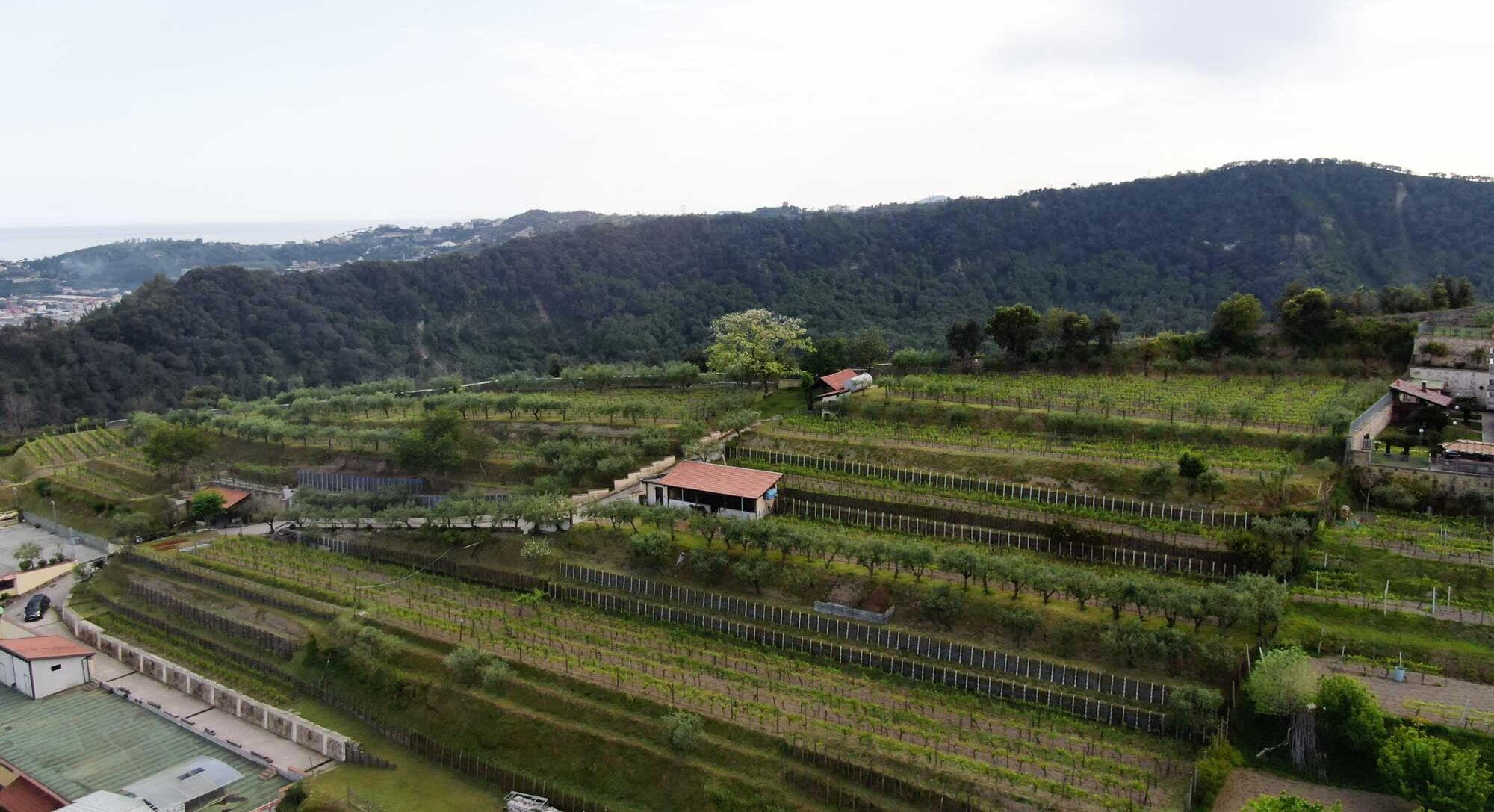
Bars in Neapel
Browse all →





Details
- Classic
- Elegant
- Rustic
- Wine Education
- Solo Exploration
- Group Outing
- Historic Building
- Sustainable
- Falanghina
- Fiano
- Greco
- Piedirosso
- Aglianico
- Still Red
- Still White
- Sparkling
- Standard Tasting
Fourth-generation urban Neapolitan winery with a handmade, human-scale approach, combining traditional Campanian roots with modern stylistic innovation to produce elegant wines from indigenous varieties.