
Falstaff Winery - 1 Stars
Quinta de la Quietud is a Toro estate for drinkers who care about old vines, dry farming, and the muscular clarity of Tinta de Toro. Its identity rests on sandy phylloxera-resistant soils, organic viticulture since 2002, spontaneous fermentation, and a compact portfolio that moves from accessible reds to long-aged La Mula and a rare Malvasia sweet wine.

Pearl is the En Primeur Club membership app, where members save venues, book tables and use the concierge.

Approaching Toro through open Castilian country, the wine story changes before the glass is poured. The region is dry, exposed, and physically demanding: hot summers, cold winters, low rainfall, and a hard brightness that pushes Tinta de Toro toward density. Quinta de la Quietud belongs to the quieter side of that tradition, where the drama is not architectural or performative but agricultural. The point is old bush vines in sandy ground, dry-farmed under pressure, then handled in the cellar with as little correction as possible.
Old-vine Toro without the glossy tourism script
Toro’s reputation has long been tied to force: deep colour, high ripeness, firm tannin, and red wines built around the local Tempranillo biotype, Tinta de Toro. The more interesting producers now have to answer a harder question: how to keep that regional power without turning the wine into weight for its own sake. Quinta de la Quietud answers through farming and restraint rather than through a large hospitality narrative.
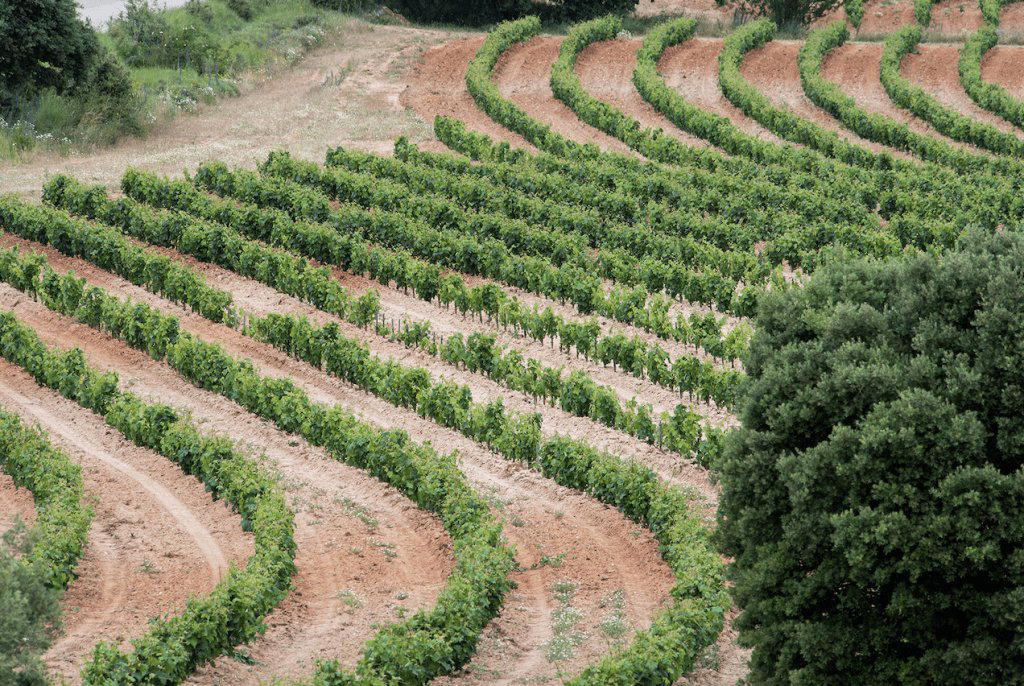
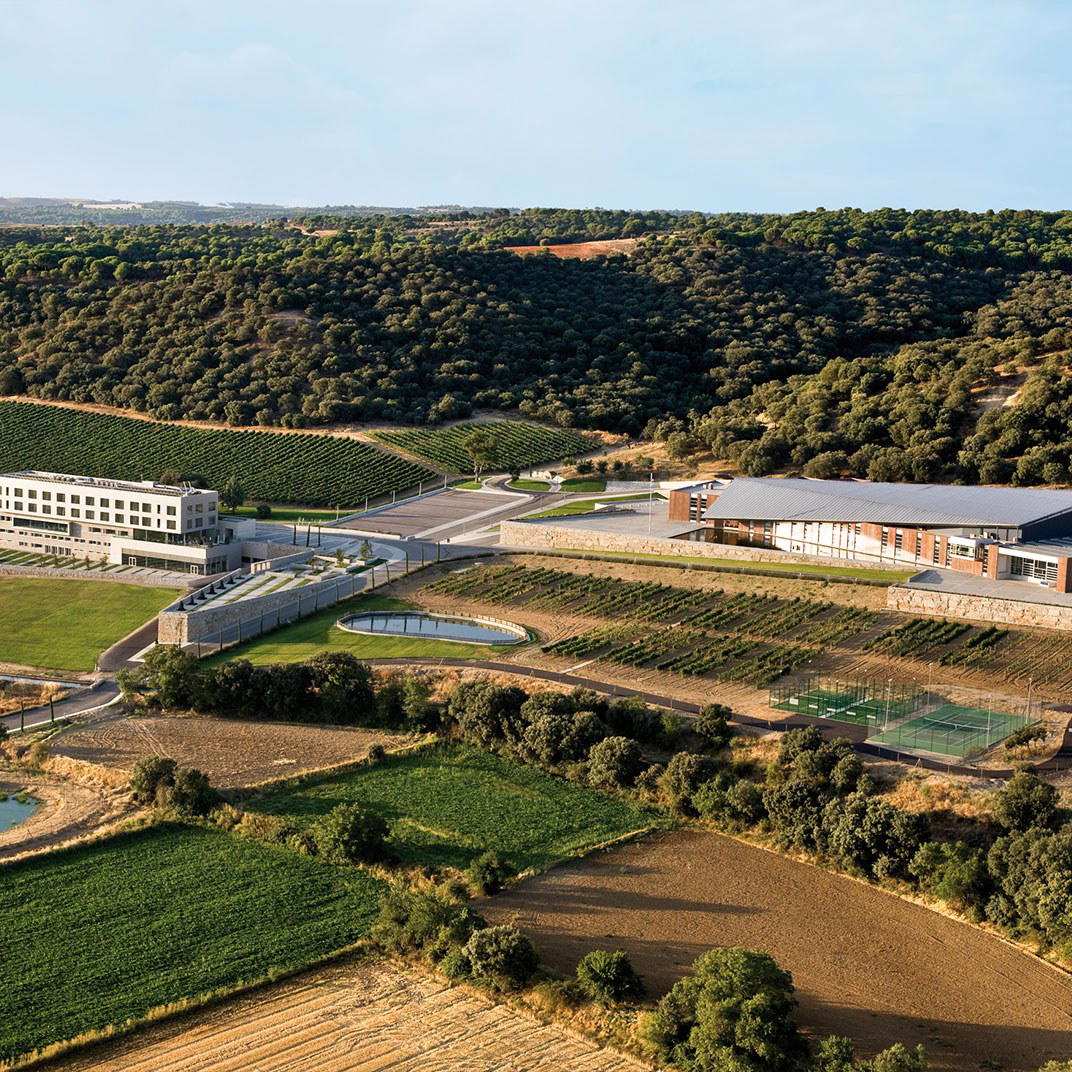
The estate works roughly 21 to 22 hectares at about 700 metres, with plantings dominated by Tinta de Toro and a small percentage of white varieties including Malvasia and Albillo. The sandy soils matter. In parts of Toro, sand helped protect vines from phylloxera, leaving old, own-rooted material in place where other European regions had to replant. Here, old bush vines are central to the estate’s argument: low yields, dry farming, and a vine architecture shaped by heat, wind, and scarcity.
That makes the wines less about varietal prettiness than about translation of site. The region’s rainfall sits around 350 to 400 millimetres a year, while summer heat can climb sharply and winter cold can be severe. In that context, organic farming is not a lifestyle flourish; it is a disciplined way of managing soils that have to retain life under stress. Certification dates to 2002, with biodynamic practices, horse work in winter and spring, and no irrigation forming the backbone of the vineyard regime.
French training, Castilian material, low-intervention cellar work
The cellar sits at an interesting crossroad between Bordeaux-trained technical control and Spanish low-intervention practice. Jean-François Hébrard’s background includes work connected to Château Haut-Brion and Château Cheval Blanc, plus Rhône consulting experience, which gives the project a more classical frame than many natural-leaning estates. That credential matters because Toro fruit can overwhelm loose winemaking. Structure, élevage, and extraction choices are not decorative here; they determine whether concentration reads as depth or heaviness.
Fermentation is spontaneous with native yeasts, and the wines are described around a no-added-sulfur approach. Maturation varies by cuvée, using stainless steel and oak rather than a single house formula. La Mula de la Quietud is the clearest technical marker in the range: a 100% Tinta de Toro bottling from older dry-farmed bush vines, aged for a long period in French oak, with references placing maturation around 24 to 30 months depending on release information. It is the estate’s power statement, but its interest lies in whether oak and old-vine density can hold Toro’s intensity in proportion.
The rest of the portfolio gives a useful map of the house style. Corral de Campanas works as the entry point, Quinta Quietud Reserva carries the more classic reserve idea, and La Dulce Quietud brings Malvasia into sweet-wine territory. That last bottle is important because it prevents the estate from being read only through red-wine mass. Toro is not primarily a white-wine conversation, yet the presence of Malvasia and Albillo in the vineyard mix shows how older Iberian estates often preserve small varietal pockets that do not fit neatly into export shorthand.
How to place it in a Toro itinerary
For travellers building a wine-focused stay, Quinta de la Quietud is better understood as a producer visit than as a broad leisure venue. The draw is education around soils, old vines, organic farming, and the way Tinta de Toro behaves in an extreme continental climate. It suits drinkers who want vineyard context and cellar choices explained with precision, rather than visitors looking for a restaurant-style program or a casual drop-in tasting circuit.
Its price signal sits in the premium bracket, which is consistent with the farming model: old vines, low yields of roughly 20 to 40 hectolitres per hectare, dry farming, and long ageing for the upper cuvées are expensive choices. The estate opened in 1999, then shifted ownership in 2001 under Spanish investors led by Eusebio Sacristán, while Hébrard remained central to the winemaking identity. The result is not a heritage château story, but a late-20th-century Toro project built around serious viticultural material.
Use it as part of a wider Toro wine itinerary rather than as a standalone city break. EP Club’s broader regional pages can help structure the rest of the trip: Our full Toro wineries guide, Our full Toro restaurants guide, Our full Toro hotels guide, Our full Toro bars guide, and Our full Toro experiences guide. Nearby winery research can also include Bodega Estancia Piedra S.L. Bodega Frutos Villar S.L. Bodega Jacques & Francois Lurton S.L. Bodega Rejadorada S.L. and Bodegas Allegro con Spirito. For a broader European wine lens, compare trip planning notes with 3 Ases Bodegas y Viñedos in Quintanilla De Arriba, 4Kilos Vinícola in Felanitx, Aalto Bodegas y Vinedos in Quintanilla De Onesimo Valladolid, »der Steiner« Hans Steiner in Podersdorf am See, and & Handwein in Mannheim.
Recognition history
Dated appearances from independent guides and award organizations, with the underlying list record or original source where available.
Falstaff Winery - 1 Stars
Falstaff
Continue exploring
More in Toro
Wineries in Toro
All wineries in Toro →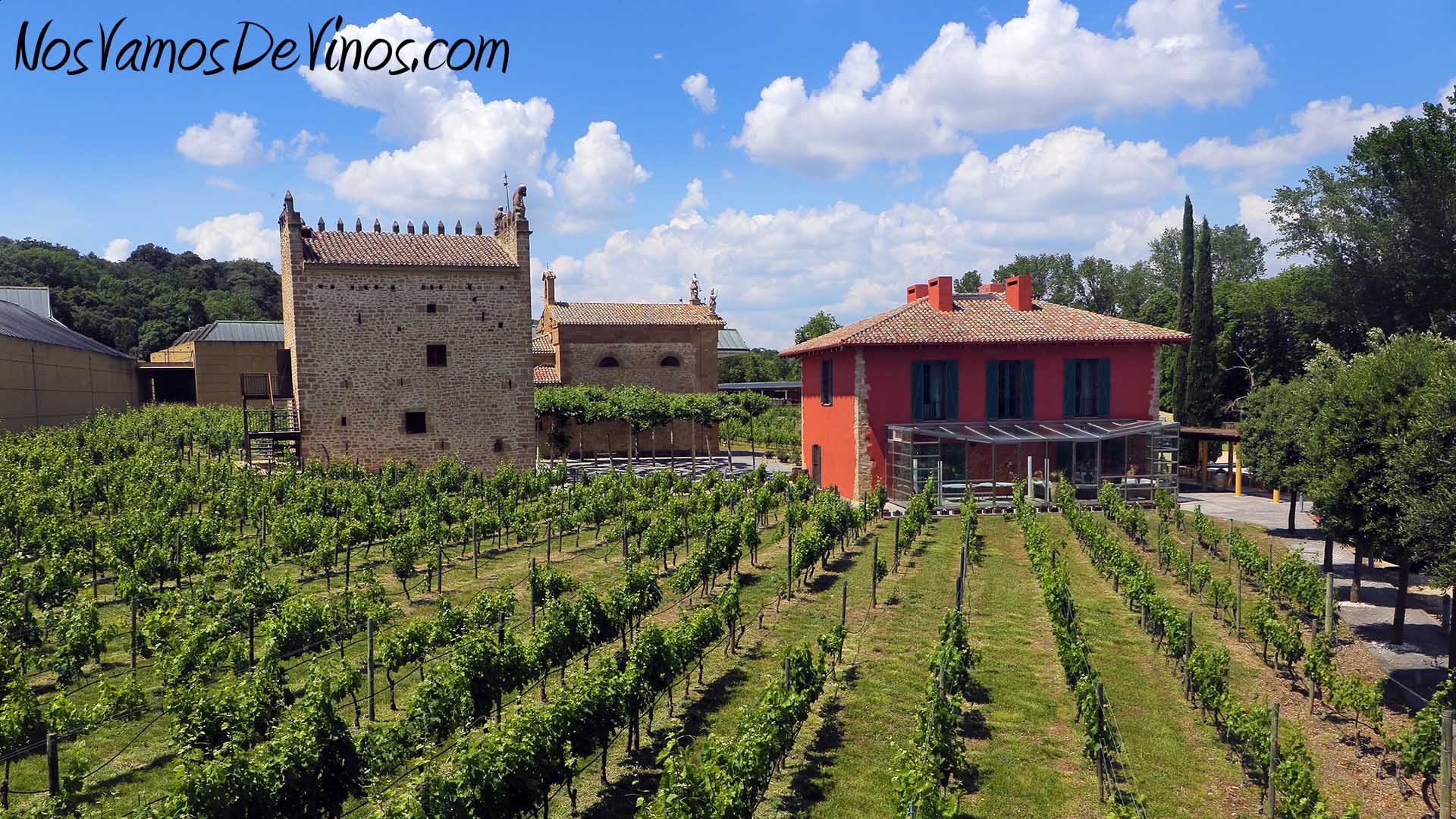
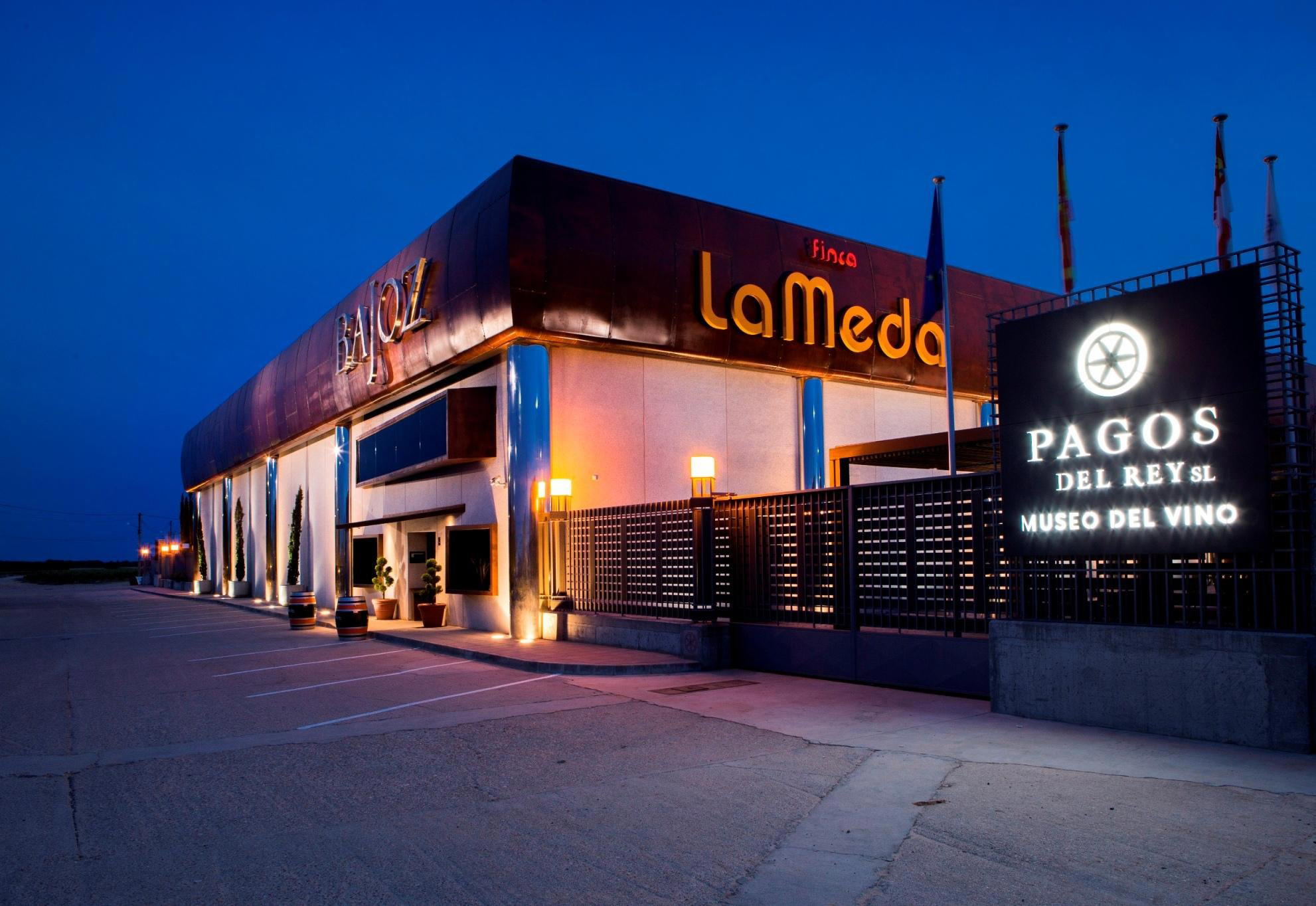
Restaurants in Toro
Browse all →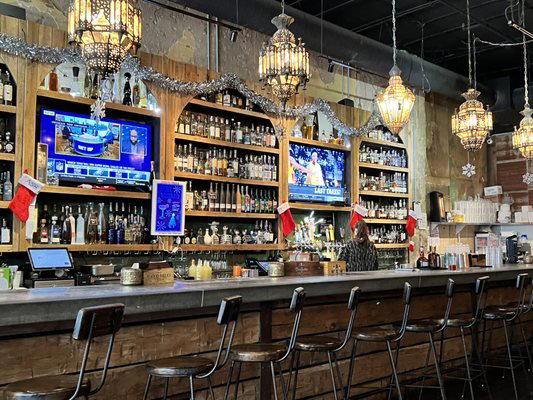

Details
- Quiet
- Rustic
- Elegant
- Classic
- Wine Education
- Solo Exploration
- Special Occasion
- Estate Grounds
- Vineyard Tour
- Historic Building
- Organic
- Dry Farmed
- Vineyard
- Tinta De Toro
- Tempranillo
- Malvasia
- Albillo
- Moscatel
- Still Red
- Dessert
- Tasting
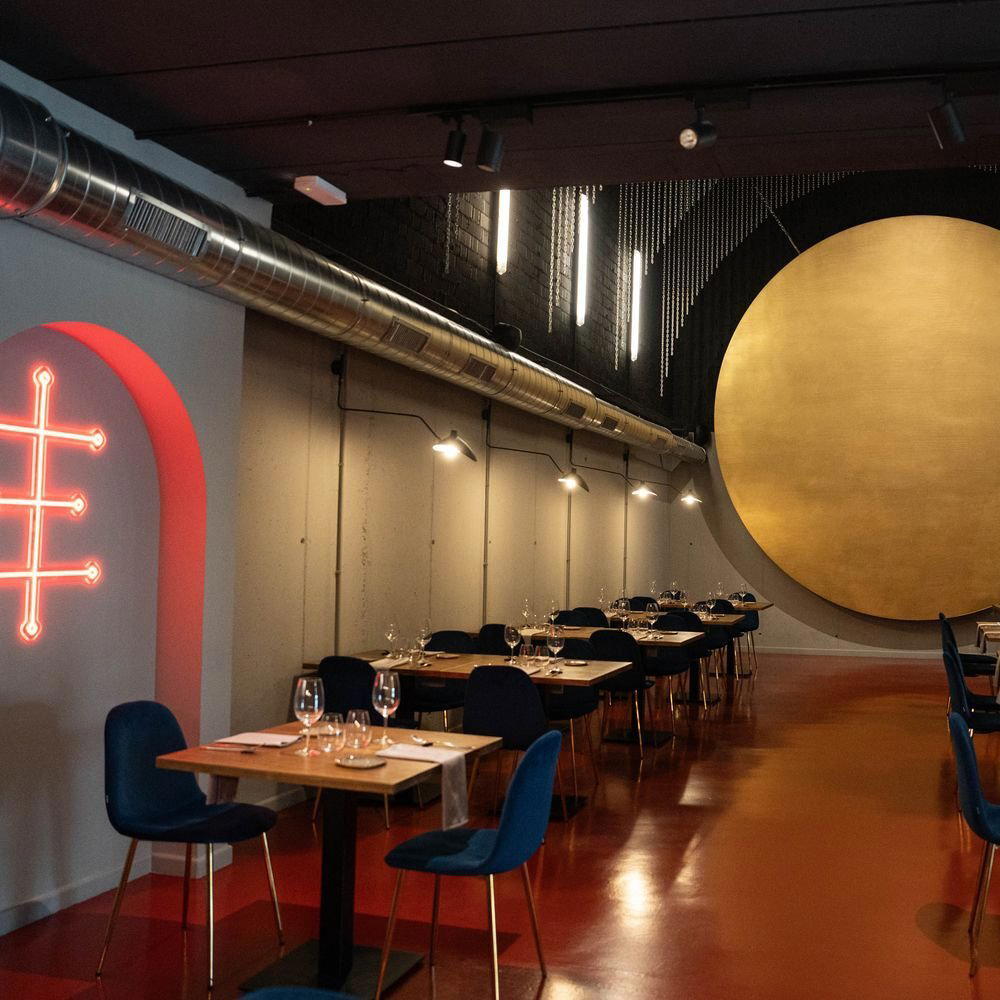
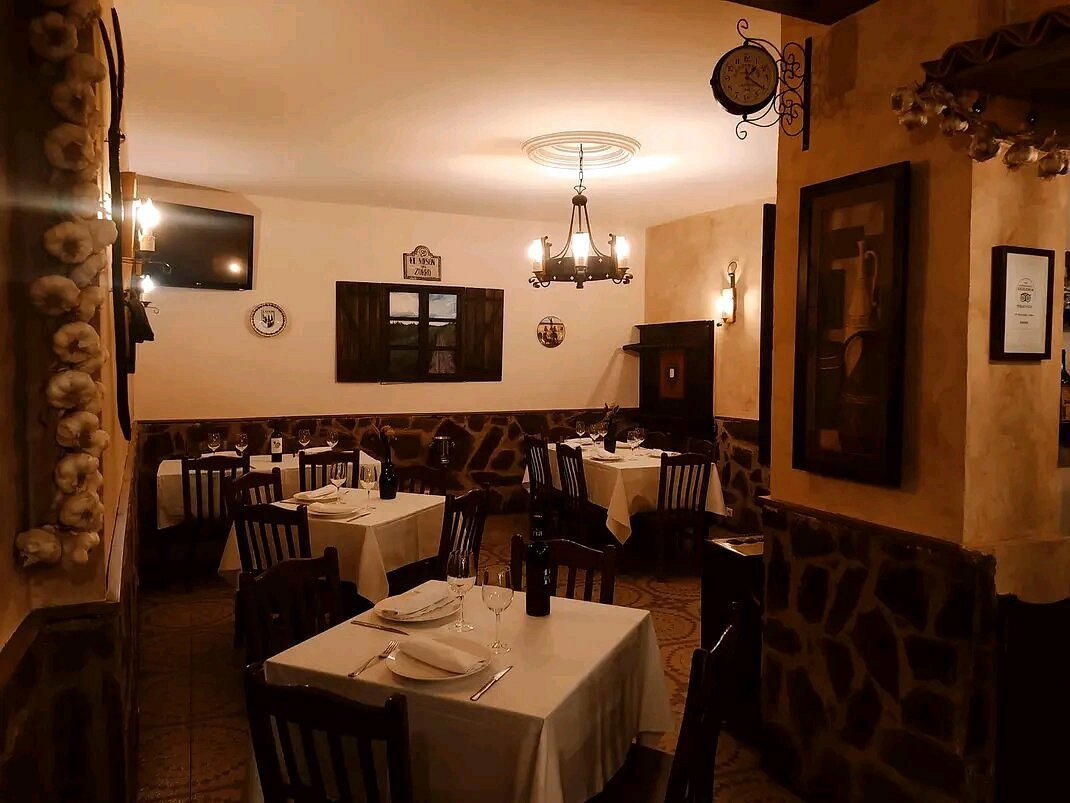
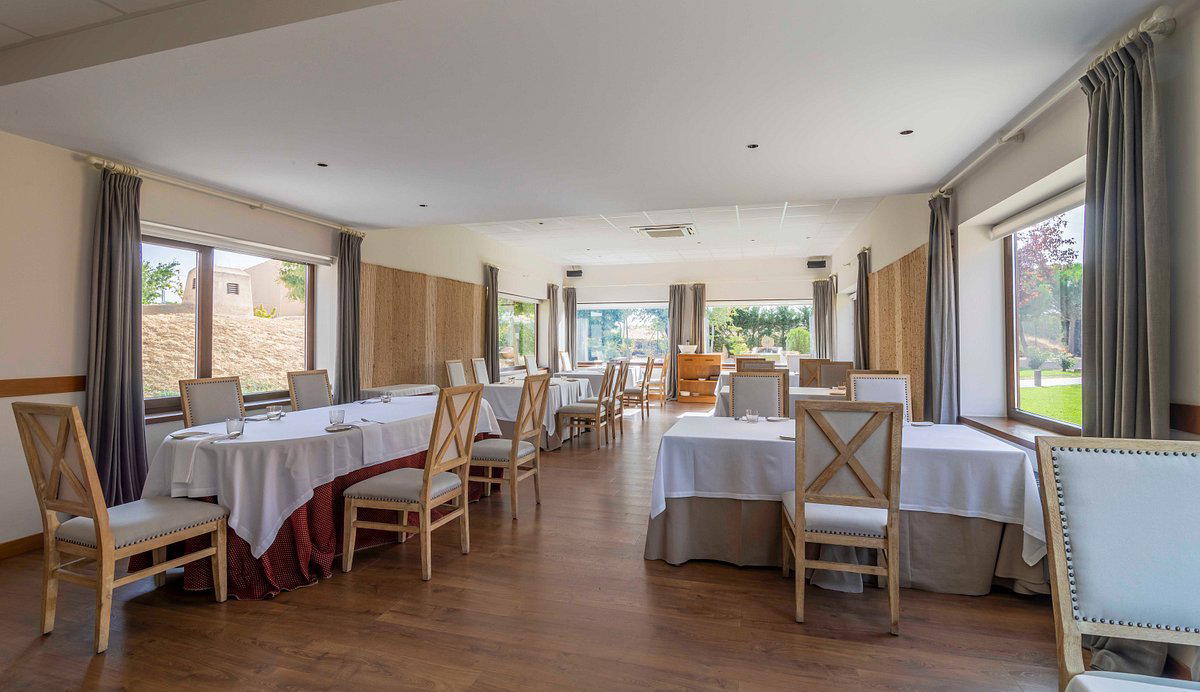
Quiet, remote, and terroir-driven, with an emphasis on purity, authenticity, and a rustic-elegant wine identity.