
Falstaff Winery - Listed
Pupillo is a Siracusa wine estate where Moscato di Siracusa, archaeological terrain and garden-led hospitality meet in a single visit. The estate dates to 1909, works around 18 hectares of vines within a larger agricultural property, and frames its tastings through local varieties, food pairings and the Feudo Targia setting.

Pearl is the En Primeur Club membership app — saves, bookings, and concierge access live there. Same editors, same standards.
- Address
- Siracusa, Sicily, Italien
- Directions
- Get directions
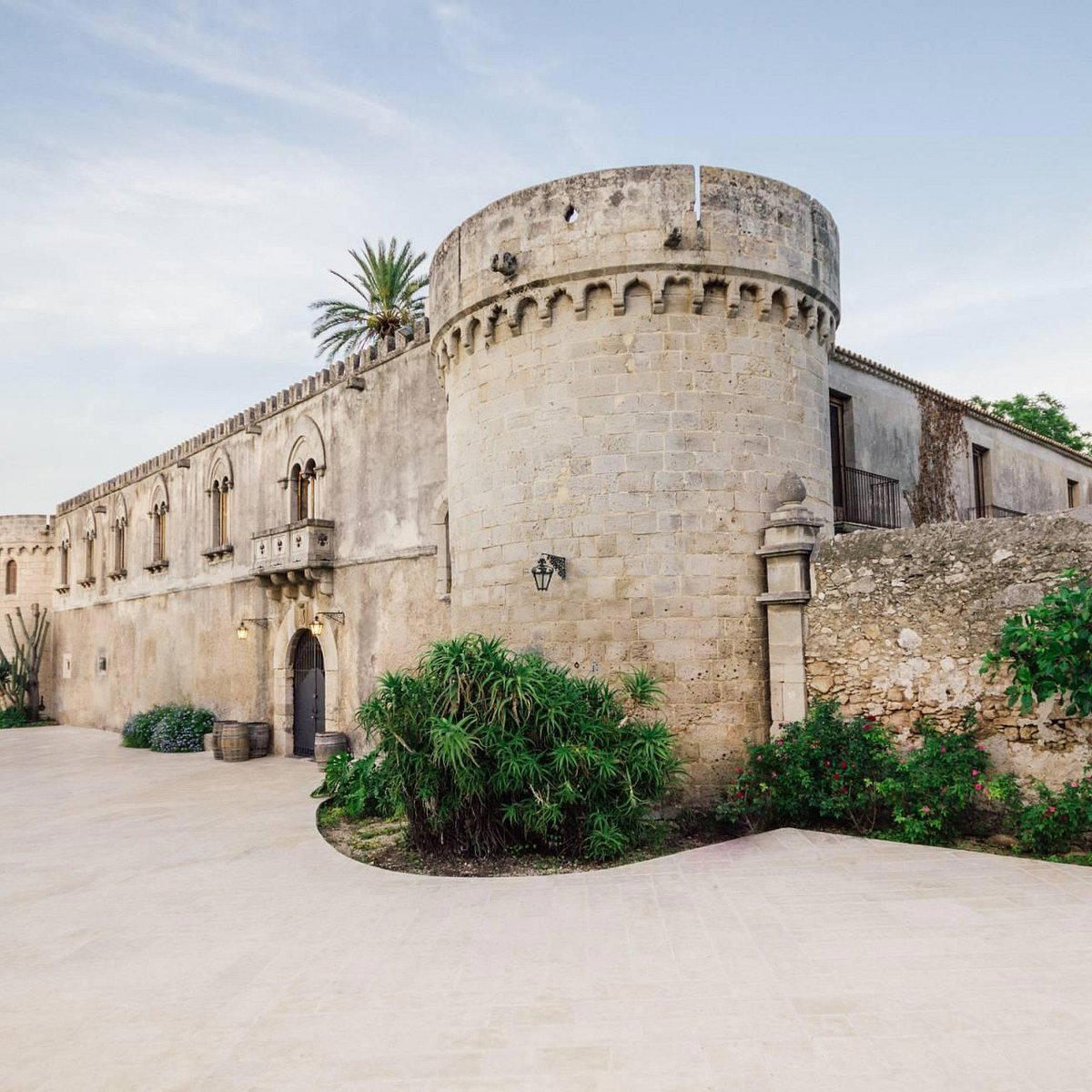
Approaching a Sicilian wine estate through courtyards, vineyards, citrus, olive groves and old stone changes the terms of the tasting before the first glass is poured. In Siracusa, the stronger wine visits are not only about cellar technique; they are about how agriculture sits beside Greek, Roman, Arab and Norman layers of the city’s past. Pupillo belongs to that tradition, with a castle estate, botanical garden and vineyards inside the Archaeological Park of the Dionysian Walls shaping the experience as much as the wine list.
Moscato di Siracusa as a territorial argument
Southeastern Sicily has a different wine grammar from the Etna conversation that now dominates much of the island’s international attention. Around Siracusa, the point is not volcanic altitude or fashionably pale reds, but the recovery of local grapes and older aromatic traditions. Pupillo’s modern identity is tied to Moscato di Siracusa DOC, with Moscato Bianco and Moscato di Siracusa at the centre of the estate’s work. That matters because Moscato here is not a decorative sweet-wine category; it is a historical claim about place.
The estate was established in 1909, and its revival narrative runs through Nino Pupillo, who spent more than twenty years restoring the Moscato tradition of Targia before releasing Solacium in the 1990s. The names attached to that revival, including Gino Veronelli, Carlo Hauner and Giacomo Tachis, give the project serious Italian wine-world context without turning it into a personality story. The point is broader: in a region where ancient agriculture and tourism can easily flatten into scenery, this is a case where a grape variety anchors the estate’s cultural argument.
The portfolio is not confined to one style. Red, white, rosé, orange, sparkling and dessert wines all sit within the range, with Nero d’Avola and Catarratto Bianco Lucido adding familiar Sicilian structure around the Moscato core. Solacium is the label with the clearest historical weight, but the more useful way to read the cellar is as a Siracusa estate trying to keep local aromatic wine in the foreground while still working across the island’s broader varietal vocabulary.
Castle grounds, gardens and the tasting-as-estate-tour format
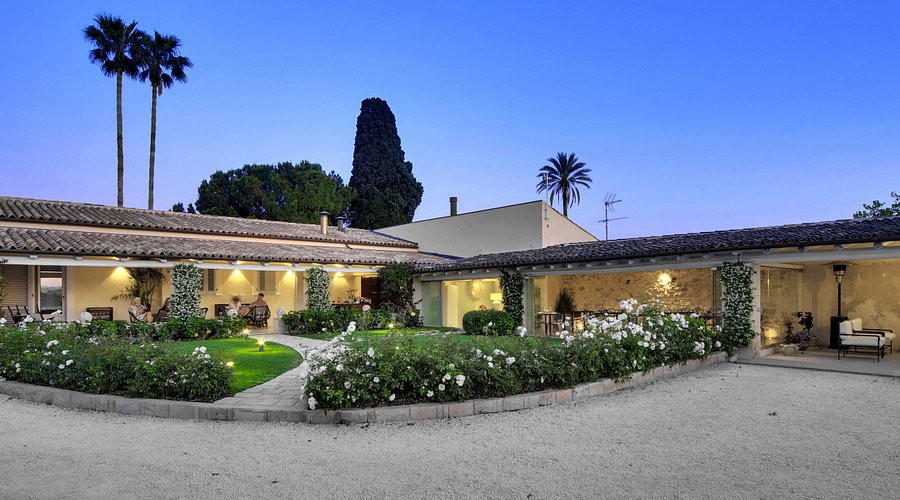
Wine tourism in Sicily often splits between quick cellar-door pours and full estate immersion. This visit sits firmly in the second category. The format includes estate tastings with tours, guided vineyard and grounds visits, and wine tastings with light lunch. The setting is doing part of the work: Castello Solacium, an old millstone, courtyards, vineyards, citrus and olive groves, and a botanical garden turn the visit into a slow reading of the property rather than a counter tasting built around speed.
Food is not an afterthought in this style of hospitality. Pairings lean on local products, with estate-grown produce part of the broader agricultural identity. That shifts the tasting away from technical analysis alone and toward the old Sicilian relationship between vines, orchards, table and family property. It also makes the experience better suited to visitors who want context around the wines rather than a rapid flight before lunch elsewhere.
The estate’s practical profile supports that slower rhythm. Visits are by reservation, tours run roughly 60 to 120 minutes, and tastings can be conducted in Italian or English. The atmosphere is quiet, outdoor seating is part of the appeal, groups and families are accommodated, dogs are allowed, and accessible parking and wheelchair access are listed. Payment can be made by cash or credit card, and shipping is available for those treating the tasting as the start of a cellar purchase rather than a single afternoon souvenir.
There is also a sustainability angle, but it should be read carefully. The estate describes a sustainable production philosophy and operates within a mixed agricultural property of around 100 hectares, including about 18 hectares of vineyards. The model is land-based and relatively integrated, with wine, produce, hospitality and events sharing the same setting. It is not a reason to project biodynamic or certified-organic claims onto the wines; the interest lies in the way the property uses agriculture as a lived hospitality system.
How to place it within a Siracusa itinerary
For travellers building a Siracusa day around wine rather than only ruins and the sea, Pupillo is a strong cultural-winery choice: a medium-capacity estate, moderate price level and a format that gives equal weight to grounds, history and tasting. It suits romantic trips, celebrations, group outings, family visits and wine education, especially when the aim is to understand why Moscato di Siracusa still deserves attention in a market often louder about other Sicilian appellations.
Use it as part of a broader Siracusa plan rather than an isolated stop. For wine-focused research, start with Our full Siracusa wineries guide, and compare the local field through Azienda Agricola Viridaria - Pupillo and Gulino. For the rest of the trip, pair the estate with Our full Siracusa restaurants guide, Our full Siracusa hotels guide, Our full Siracusa bars guide and Our full Siracusa experiences guide.
Readers following Italian wine estates more broadly can also map the contrast through 3GP SRL in Treviso, 47 Anno Domini in Trebaseleghe, A Mano Wine in Noci, a6mani in Fragagnano, Abbadia Ardenga in Torrenieri, Abbazia di Crapolla in Neapel, »der Steiner« Hans Steiner in Podersdorf am See and & Handwein in Mannheim.
Recognition history
Dated appearances from independent guides and award organizations, with the underlying list record or original source where available.
Falstaff Winery - Listed
Falstaff
Continue exploring
More in Siracusa
Wineries in Siracusa
Browse all →
Bars in Siracusa
Browse all →

Restaurants in Siracusa
Browse all →
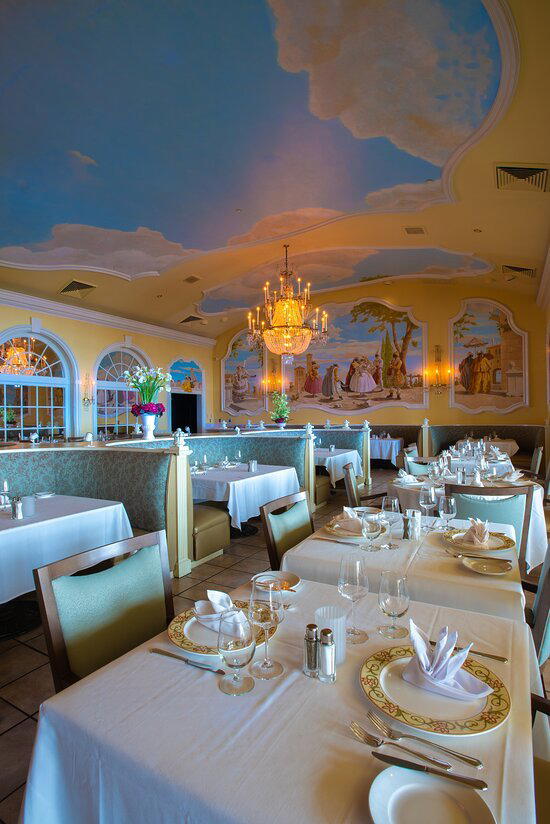
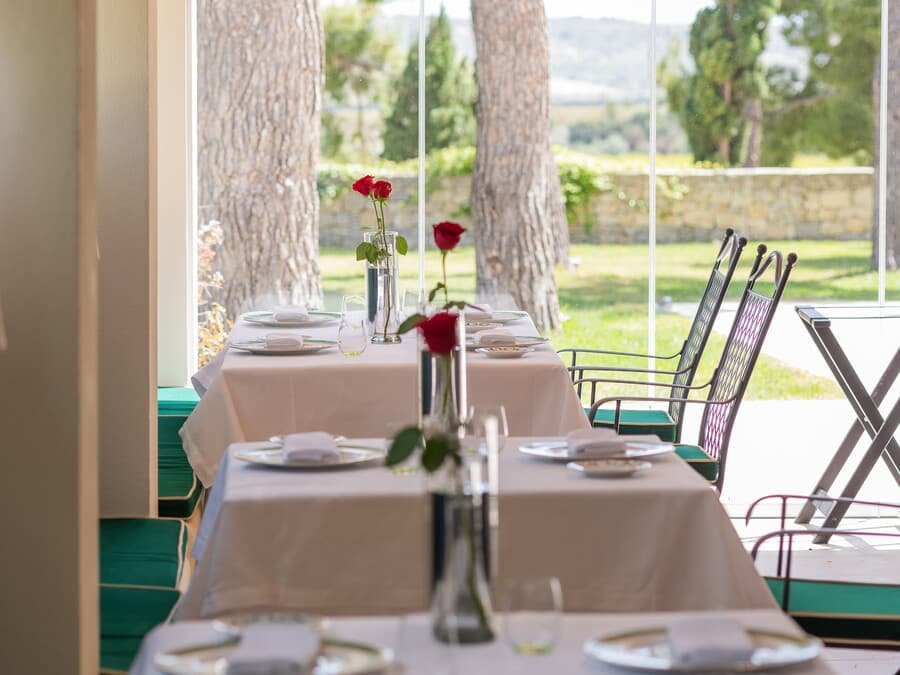
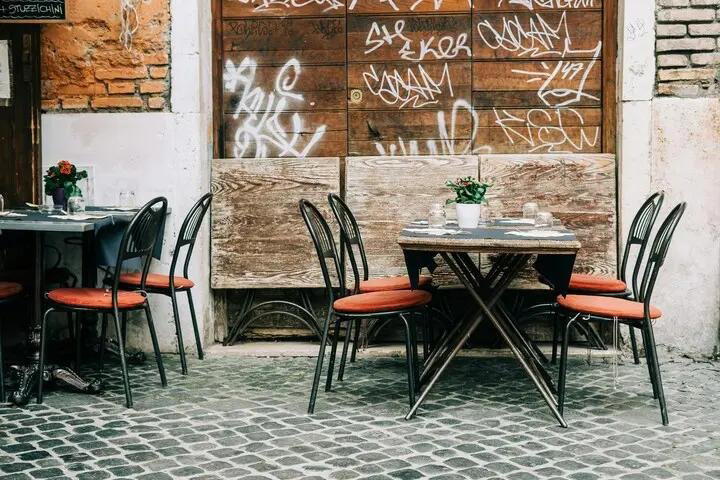
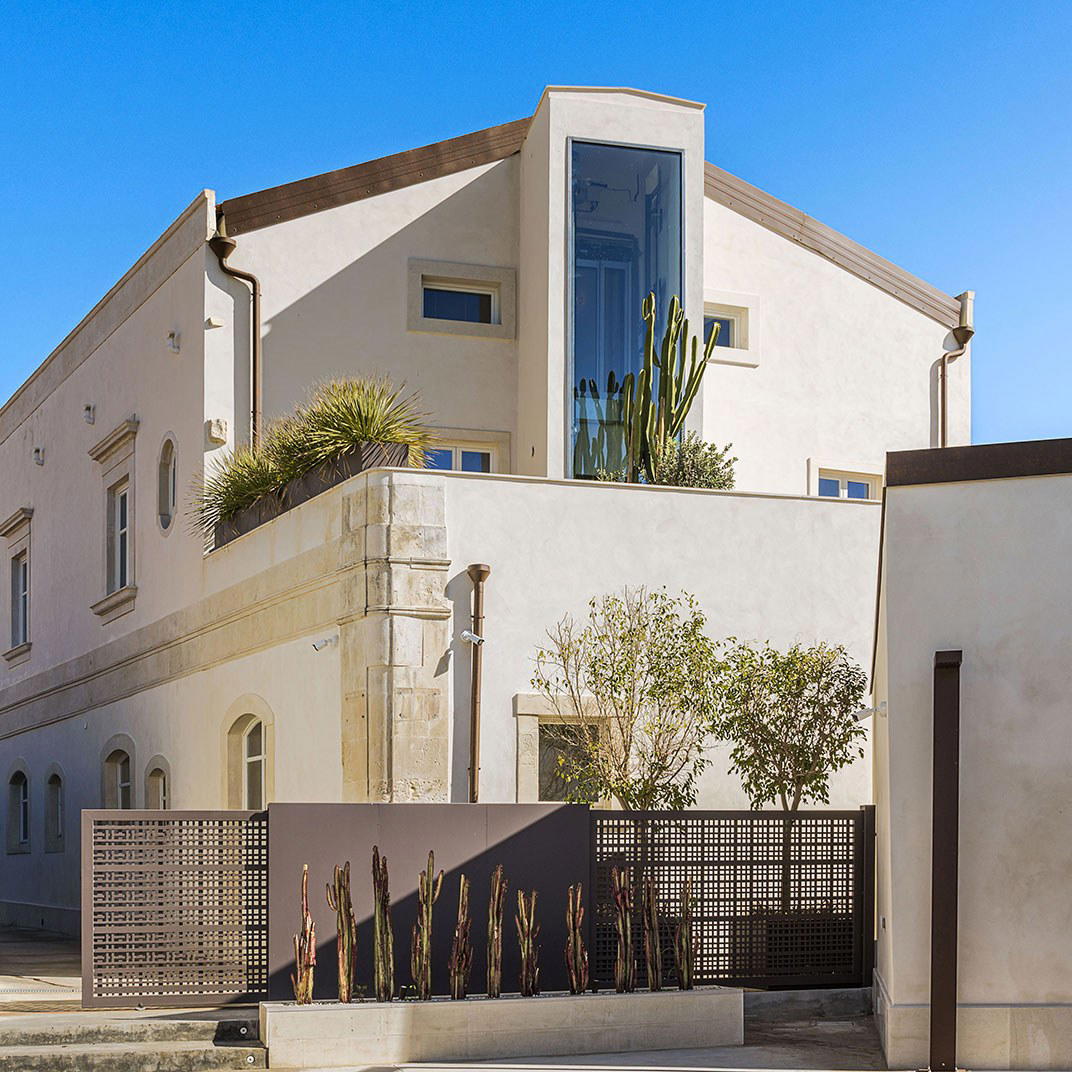
Details
- Scenic
- Romantic
- Classic
- Rustic
- Elegant
- Romantic Getaway
- Group Outing
- Celebration
- Wine Education
- Special Occasion
- Family
- Vineyard Tour
- Estate Grounds
- Garden
- Historic Building
- Private Tasting
- Sustainable
- Organic
- Garden
- Vineyard
- Moscato Bianco
- Moscato Di Siracusa
- Nero D’avola
- Catarratto Bianco Lucido
- Still White
- Still Red
- Still Rosé
- Sparkling
- Orange
- Dessert
- Estate Tasting With Tour
- Wine Tasting With Light Lunch
- Guided Vineyard And Grounds Tour
- Italian
- English
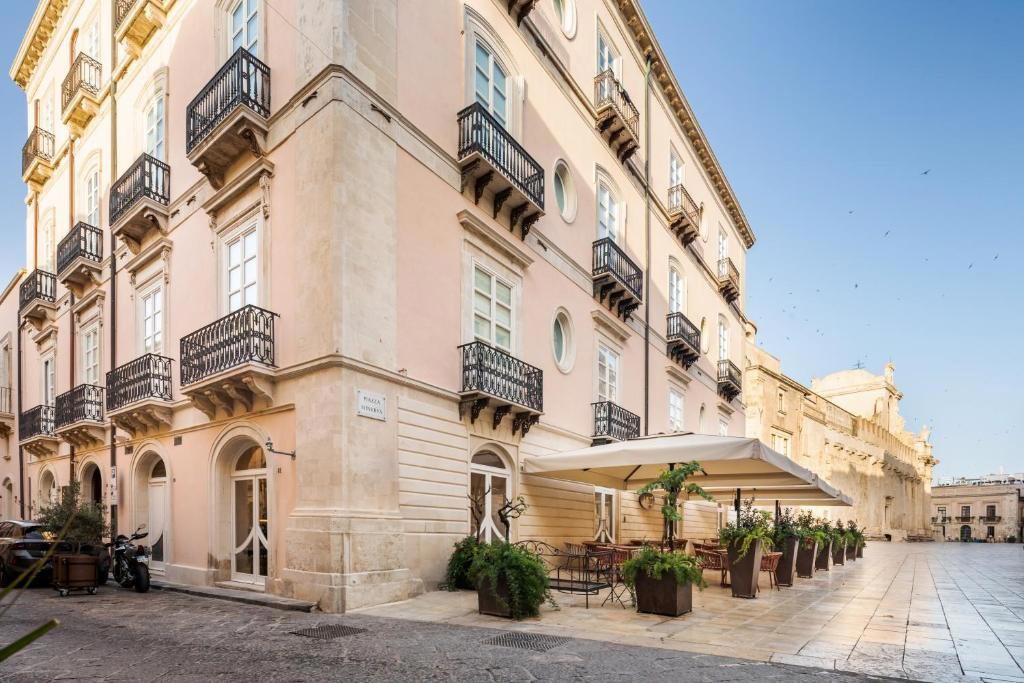
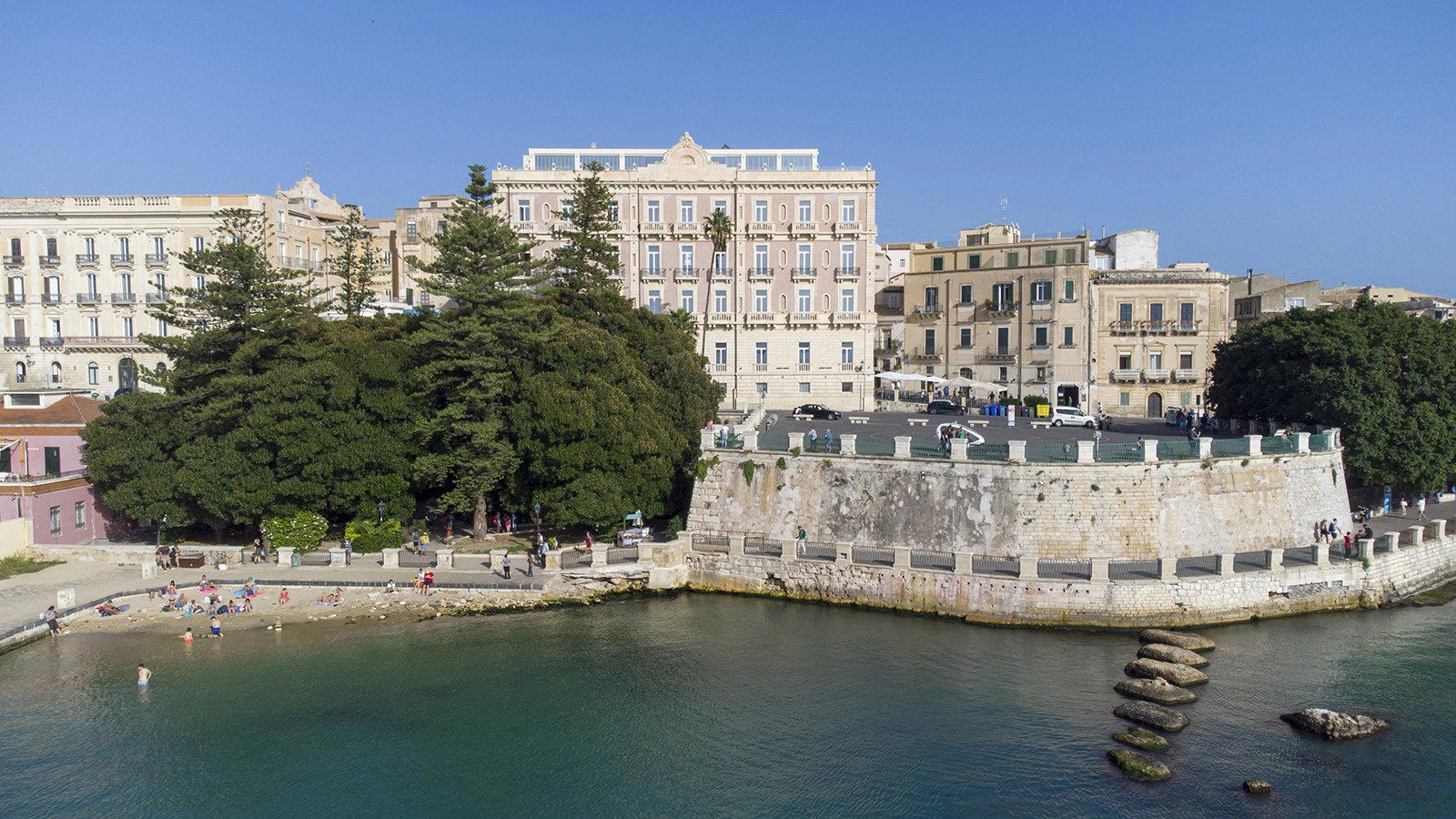
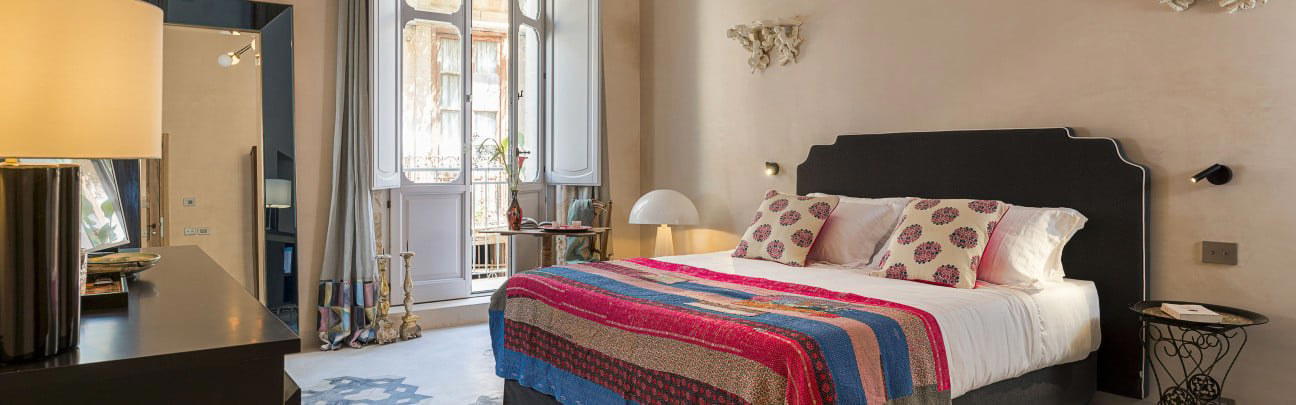
Historic Sicilian estate centered around a medieval castle and botanical garden, with elegant courtyards, lush greenery and a tranquil, scenic atmosphere that feels like a secret garden oasis just outside Siracusa.