
Falstaff Winery - Listed
Barone Sergio reads Pachino through limestone, heat and native Sicilian grapes rather than cellar theatrics. The historic baglio setting, vineyard views and art-lined whitewashed walls give the visit a strong sense of place, while the estate’s work with Nero d’Avola, Moscato, Grillo, Perricone and Lucignola keeps the focus on the far southeast of Sicily.

Pearl is the En Primeur Club membership app — saves, bookings, and concierge access live there. Same editors, same standards.
- Address
- Pachino, Sicily, Italien
- Directions
- Get directions
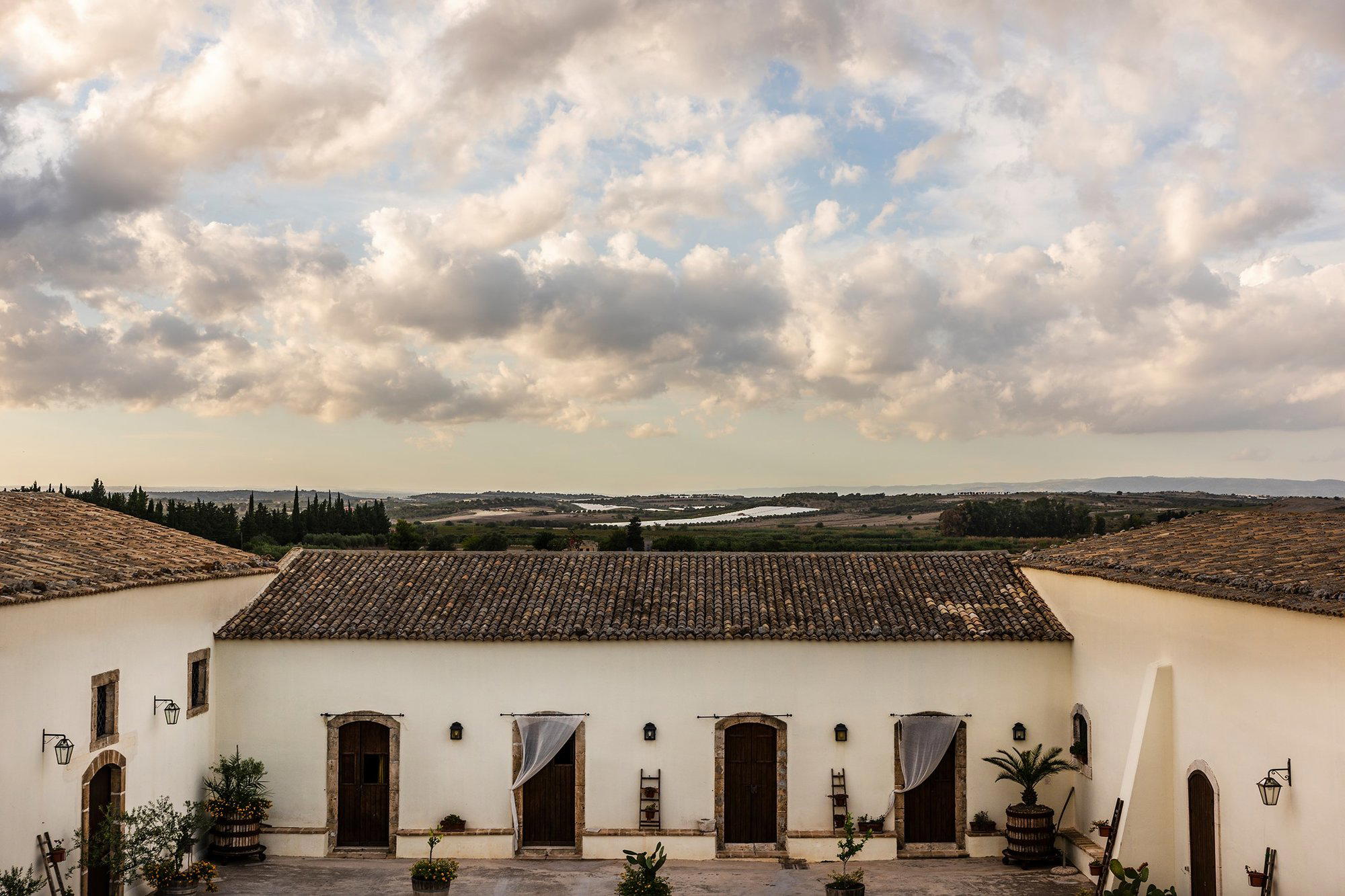
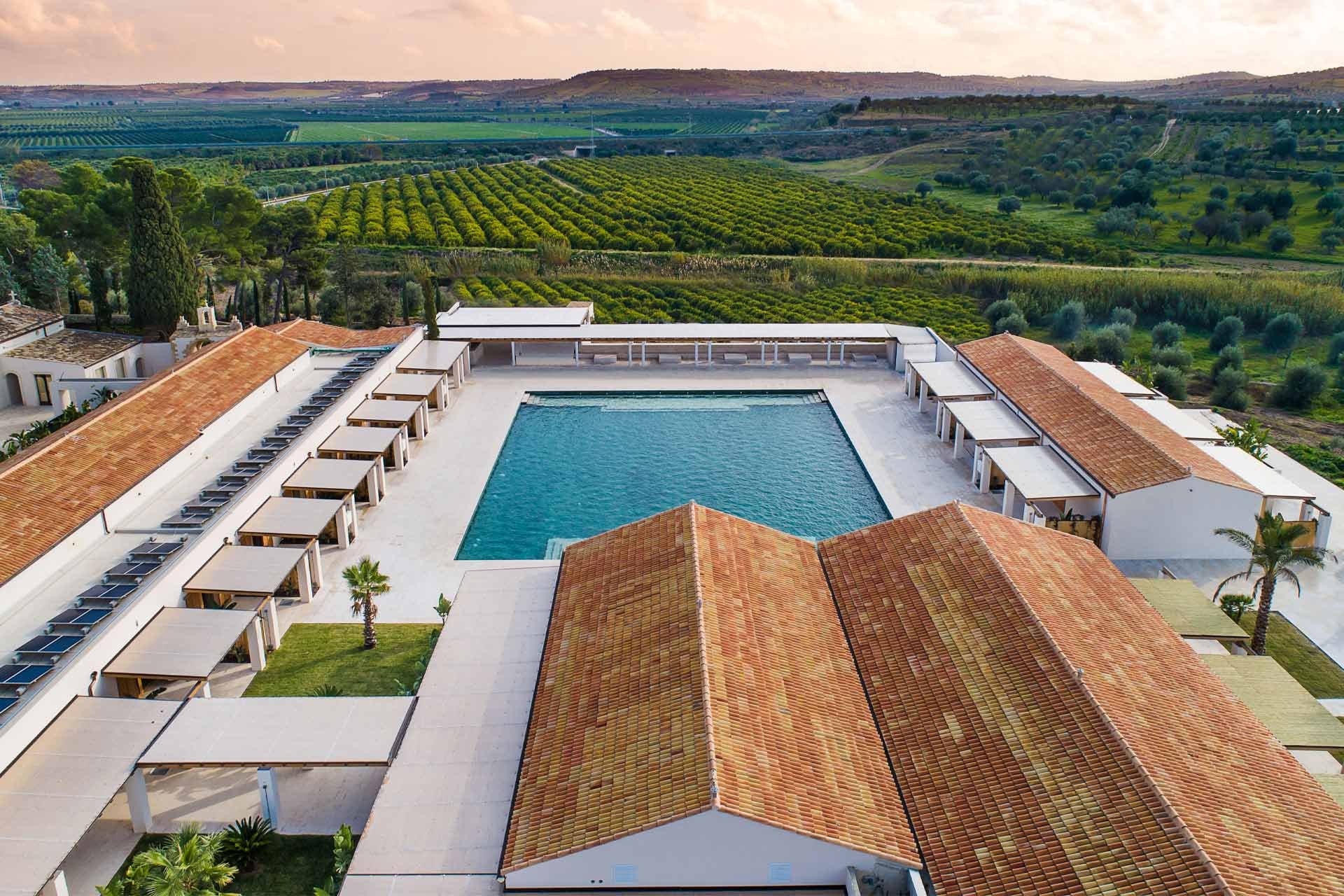
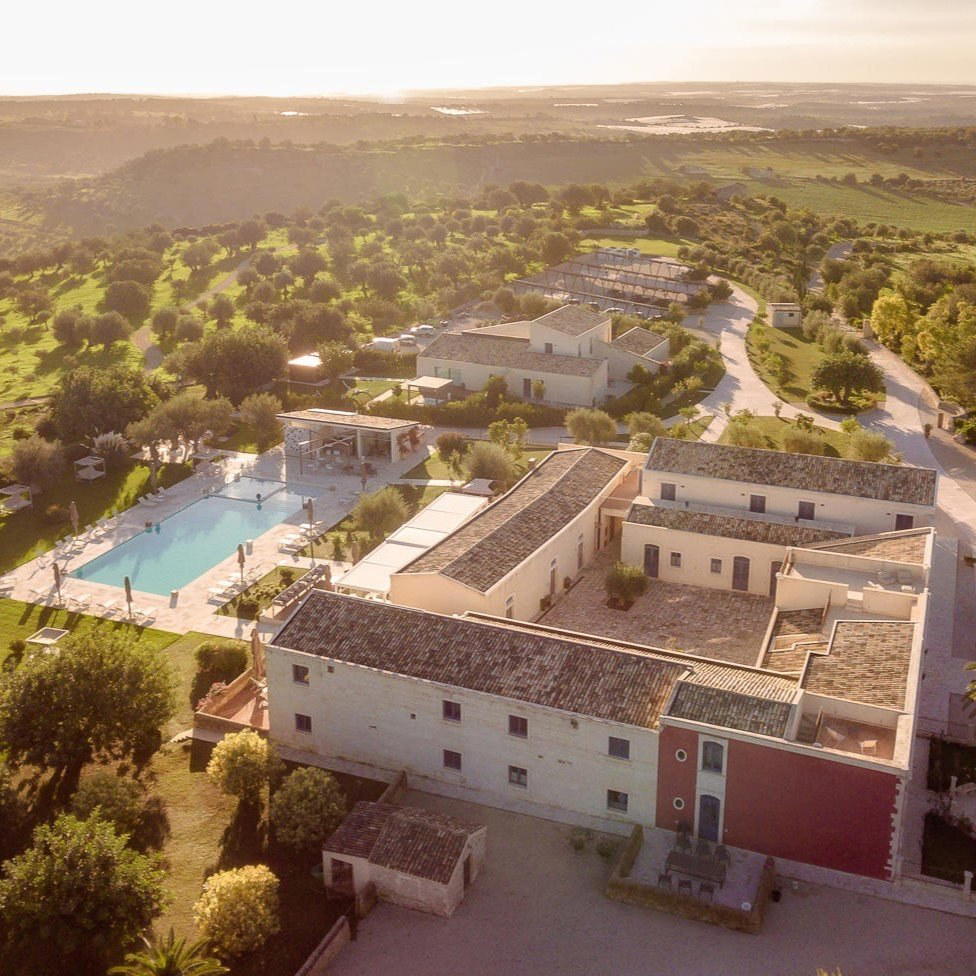
Whitewashed baglio walls, vineyard light and contemporary murals set the tone before the glass does. At the southern end of Sicily, wine tourism often works differently from the polished cellar-door model of northern Italy: the estate, the family agricultural rhythm and the evening air carry as much weight as the tasting flight. Barone Sergio belongs to that tradition, with a setting that frames Pachino not as a stopover but as a wine country of limestone, glare, sea influence and native varieties.
The estate’s appeal is strongest when read through terroir. This corner of Sicily sits close to the meeting influence of the Mediterranean and Ionian seas, where warm, dry air and long sun exposure shape grapes with generous ripeness. The vineyards sit at 70 metres above sea level on medium-textured soils with a strong limestone presence, a combination that gives the wines their regional vocabulary: Nero d’Avola with southern structure, Moscato di Noto with aromatic lift, and whites that make sense beside the coast rather than in isolation from it.
Limestone, sea air and the Pachino expression of Nero d'Avola
Sicilian wine has spent the past generation moving away from volume-led identity toward site, variety and cellar discipline. Pachino has a strong claim in that shift because Nero d’Avola has deep regional relevance here, and the Val di Noto context gives the grape a different register from cooler inland or western expressions. Barone Sergio works within the DOC Eloro Nero d’Avola and Moscato di Noto frame, a useful clue for drinkers who want Sicily in a glass without reducing the island to a single red grape stereotype.
The production scale is small to medium and estate-led, with 40 hectares of land and 15 hectares under vine. That matters because the visit is not just a tasting room attached to a label; it is an agricultural site where the growing conditions are legible. Cordon-trained and spur-pruned vines, vineyard densities of 4,500 to 5,000 vines per hectare and fermentation windows of 15 to 18 days point to a producer working with structure rather than improvisation. The grape list is also telling: Nero d’Avola, Moscato, Grillo, Perricone, Petit Verdot and Lucignola, the latter revived as a relic variety after falling out of production.
Lucignola gives the estate its sharper editorial edge. Sicily’s modern wine conversation often rewards producers who protect native material rather than chase international familiarity. Here, the grape functions as cultural evidence: a local variety with cultivation difficulty, brought back into the portfolio alongside better-known Sicilian grapes. The result is a more layered reading of Pachino, where revival, limestone and heat are not separate stories but parts of the same agricultural argument.
An art-lined baglio where tasting stays close to the land
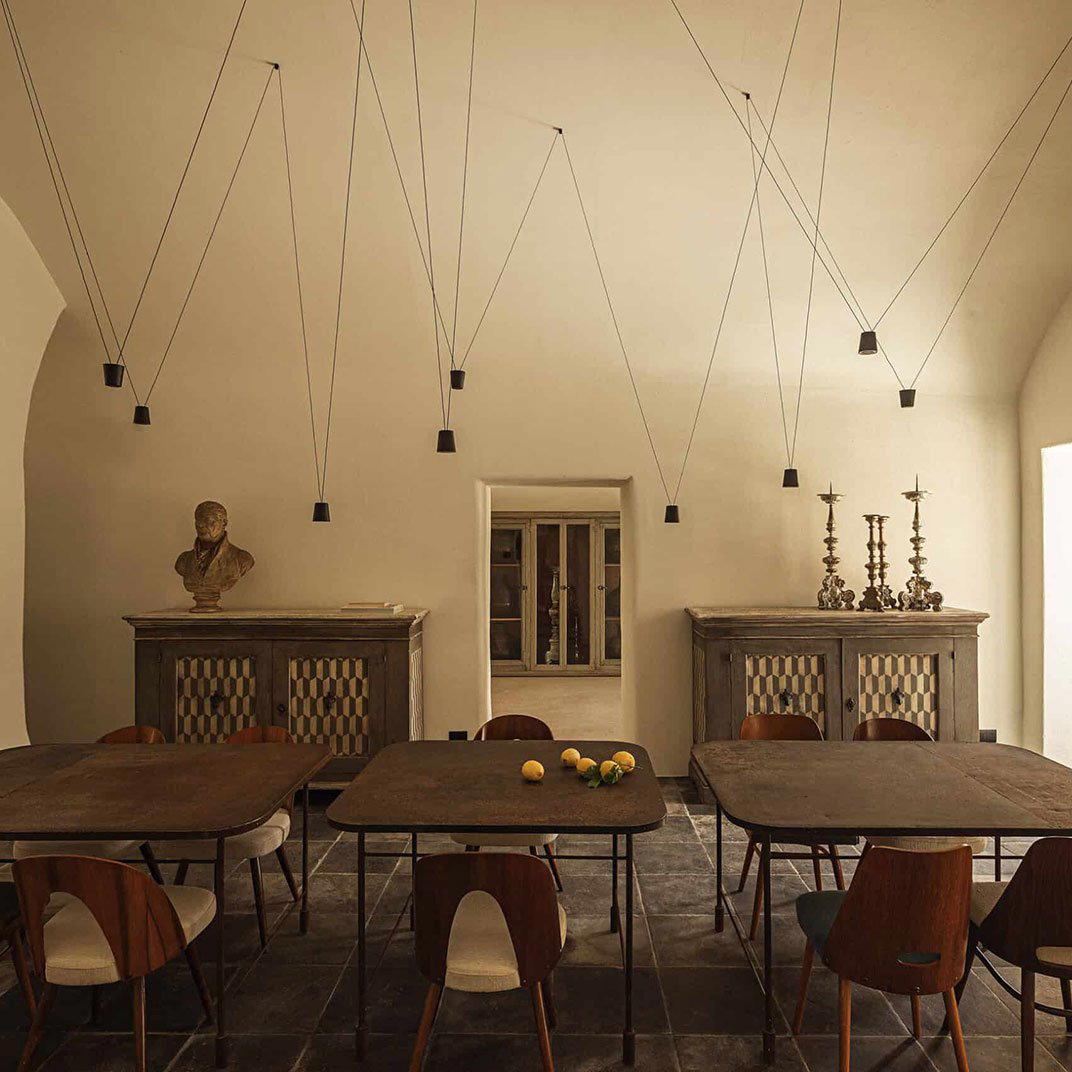
The hospitality format leans into place rather than insulation from it. The historic baglio, vineyard-view terrace, garden setting and murals by young artists turn the estate visit into a rural cultural encounter, not a neutral tasting counter. The atmosphere is relaxed and family-oriented, but the visual language is more considered than rustic shorthand: white walls, contemporary art, vines and open-air meals all work together to make the property feel rooted in the surrounding landscape.
Food is part of the structure rather than an add-on. Experiences range from seated tastings and vineyard tastings to tour-and-tasting formats with meals, buffet lunch, barbecue and dinner among the vines. The strongest reason to choose a longer format is context: native varieties from limestone soils make more sense when placed beside garden produce, local cooking and the heat of the site itself. This is not a venue to treat as a quick pour between monuments; its better register is slow, agricultural and social.
The estate’s long family history adds weight without needing romance. Founded in the second half of the 1700s and now under sixth-generation stewardship, the property carries the continuity that many newer Sicilian producers have to build through branding. Angela and Luigia Barone Sergio are associated with the estate’s recent revitalisation, while the winemaking and agronomic work has included Baron Giovanni Sergio, Giovanni Rizzo and Lucio Brancadoro. Those names matter less as biography than as evidence of a producer balancing inherited land with technical farming and cellar decisions.
Recognition gives outside confirmation without turning the visit into a trophy exercise. A 90-point Falstaff rating for the 2022 Moscà Sicilia DOC places one wine in a critic-scored frame, while inclusion in the Slow Wine Tour New York 2026 aligns the estate with sustainable and organic practice. Membership in the Strada del Vino Val di Noto also matters locally, because wine routes in Sicily help connect estates to regional identity rather than leaving them as isolated addresses.
How to place it in a wider Pachino trip
For travellers building a wine-focused itinerary around Pachino, Barone Sergio works as a place-led stop: vineyard, baglio, art, native grapes and food pairing in one format. Its fit is strongest for visitors who care about terroir expression, family estates, outdoor tastings and the agricultural side of Sicilian hospitality. It is less suited to anyone seeking a purely urban wine bar experience or a rapid technical tasting detached from setting.
Use Pachino as the anchor, then widen the trip by category. EP Club’s local planning pages include Our full Pachino wineries guide, Our full Pachino restaurants guide, Our full Pachino hotels guide, Our full Pachino bars guide and Our full Pachino experiences guide. Nearby wine research can also include Feudo Luparello Società Agricola Srl. For a broader view of Italian and European winery coverage, see 3GP SRL in Treviso, 47 Anno Domini in Trebaseleghe, A Mano Wine in Noci, a6mani in Fragagnano, Abbadia Ardenga in Torrenieri, Abbazia di Crapolla in Neapel, Abbazia Monte Oliveto in Asciano, »der Steiner« Hans Steiner in Podersdorf am See and & Handwein in Mannheim.
Recognition history
Dated appearances from independent guides and award organizations, with the underlying list record or original source where available.
Falstaff Winery - Listed
Falstaff
Continue exploring
More in Pachino
Wineries in Pachino
Browse all →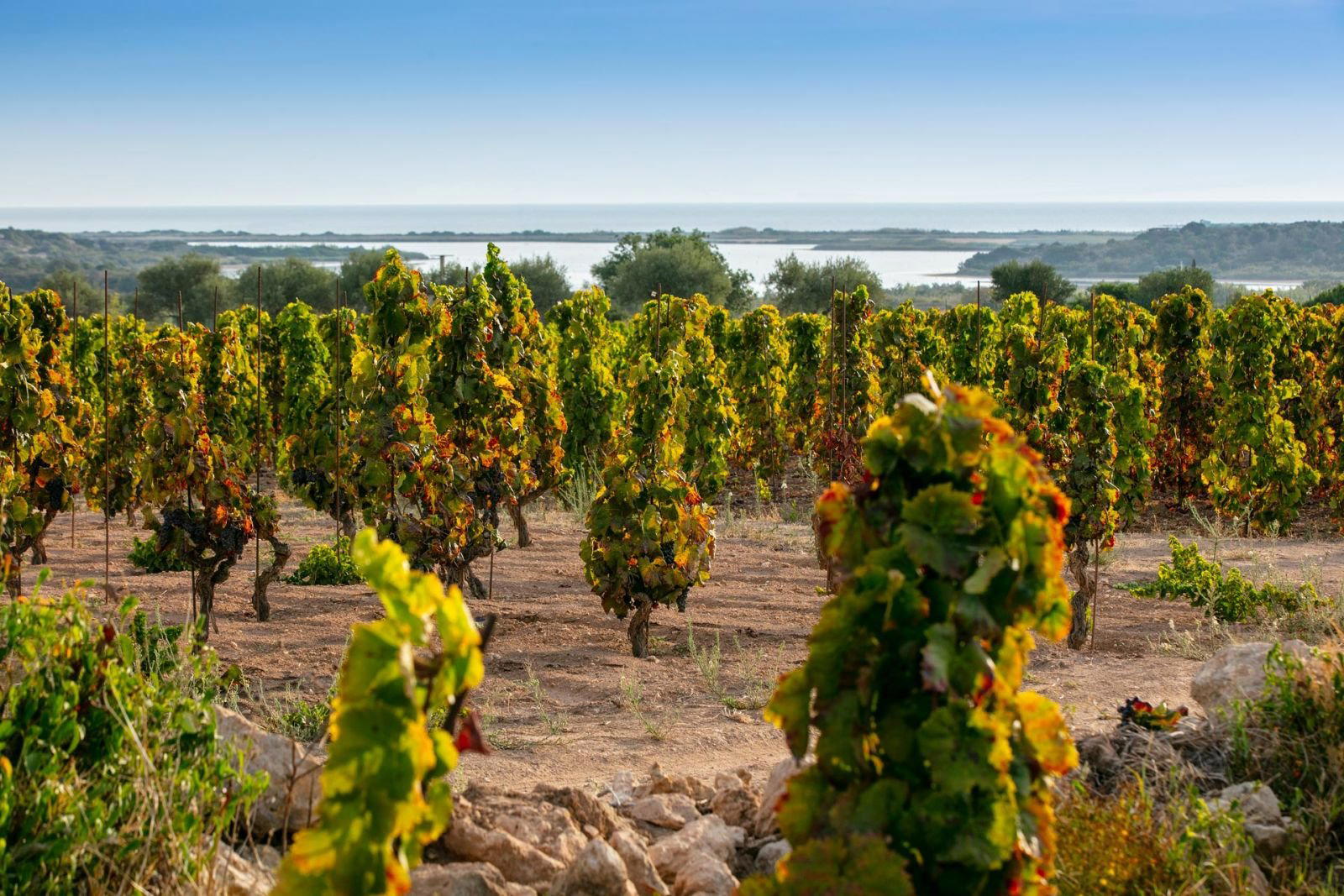

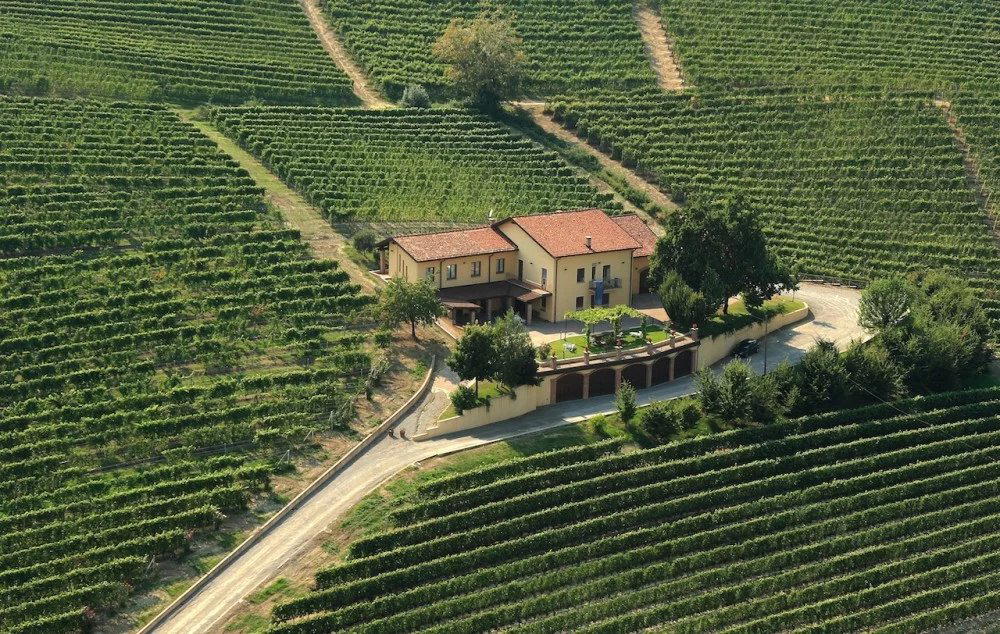
Bars in Pachino
Browse all →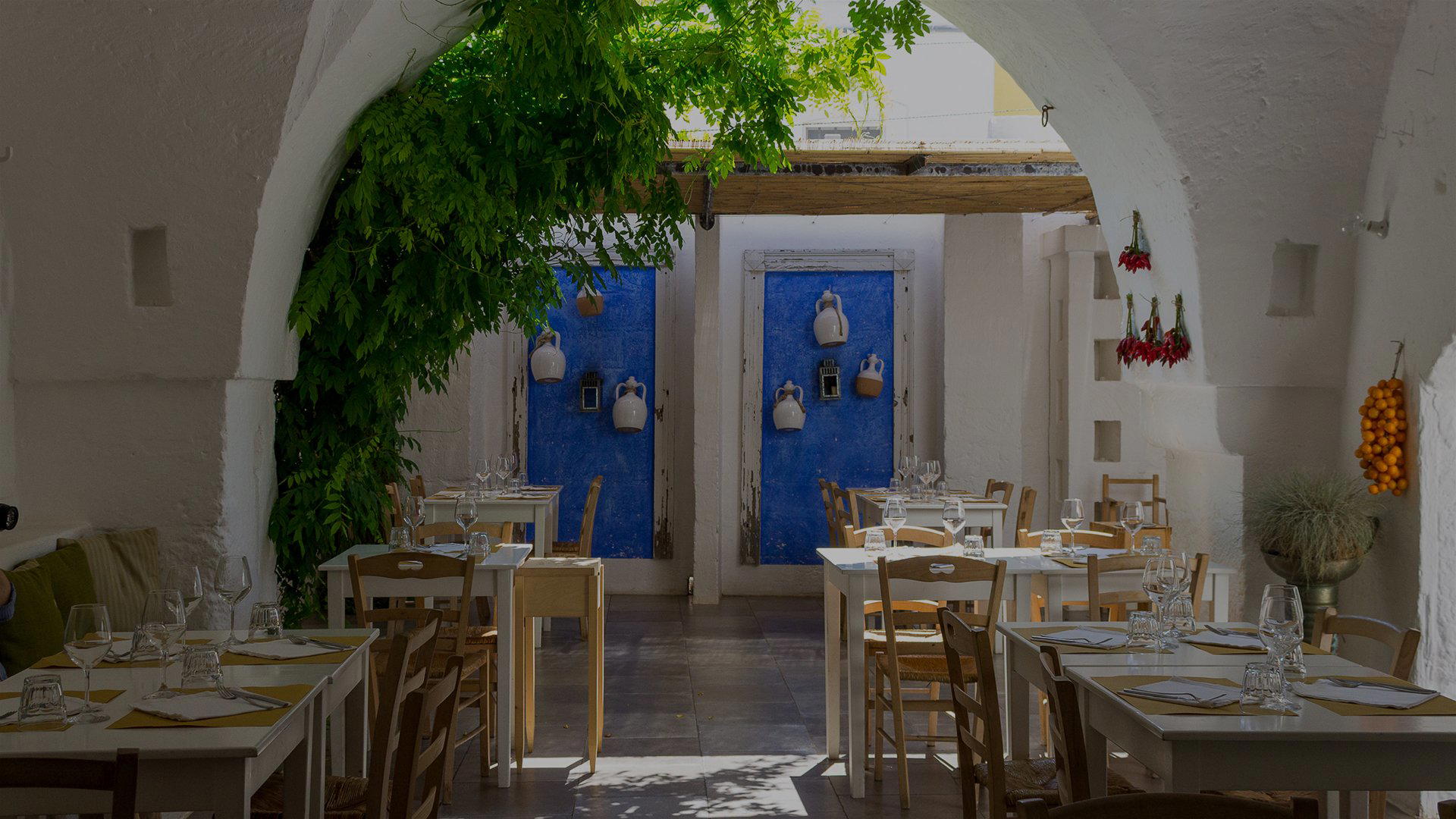
Restaurants in Pachino
Browse all →
Details
- Scenic
- Rustic
- Elegant
- Romantic
- Lively
- Group Outing
- Romantic Getaway
- Wine Education
- Special Occasion
- Family
- Corporate Event
- Vineyard Tour
- Estate Grounds
- Terrace
- Historic Building
- Design Destination
- Private Tasting
- Organic
- Sustainable
- Vineyard
- Garden
- Nero D’avola
- Moscato
- Lucignola
- Grillo
- Perricone
- Petit Verdot
- Still Red
- Still White
- Still Rosé
- Sparkling
- Dessert
- Seated Tasting
- Vineyard Tasting
- Tour And Tasting With Meal
- BBQ Feast
- Buffet Lunch
- Dinner In Vineyard
- Italian
- English
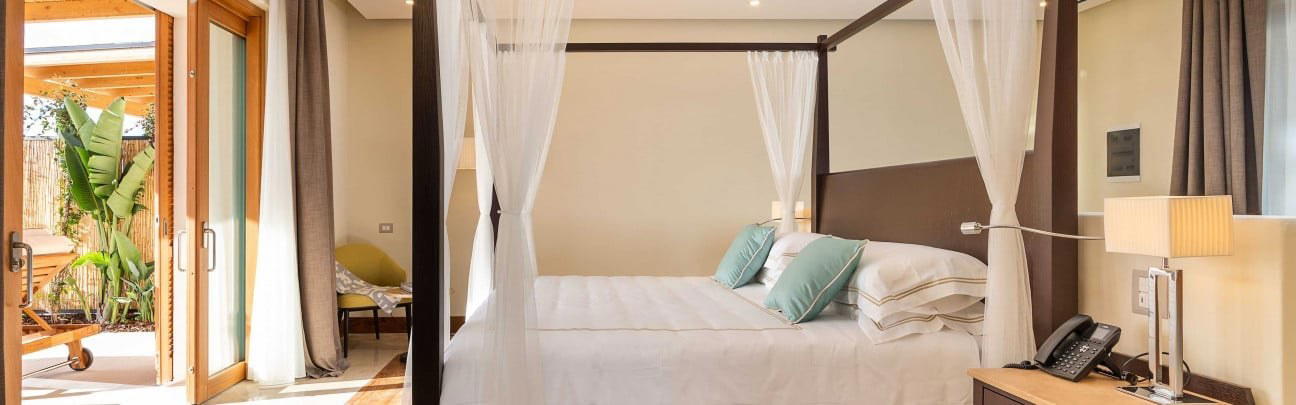
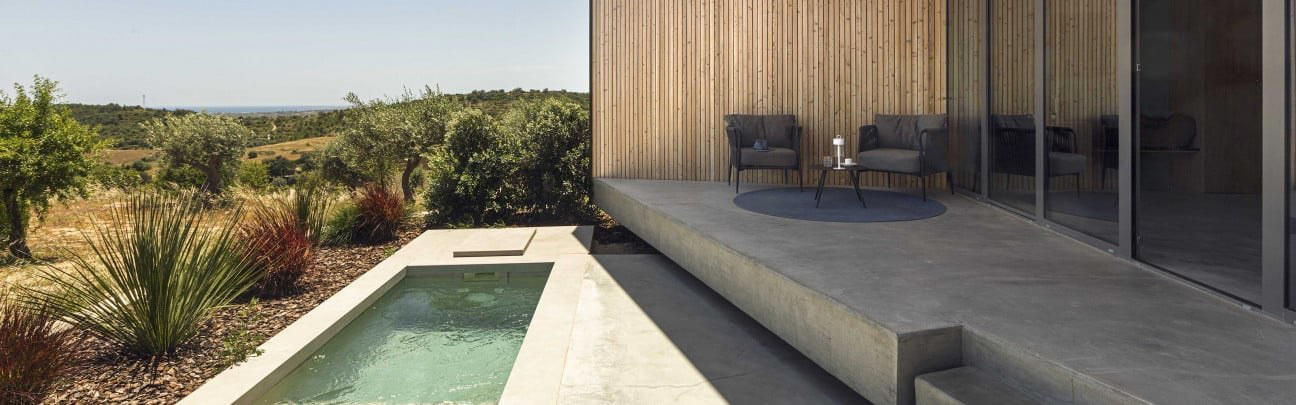
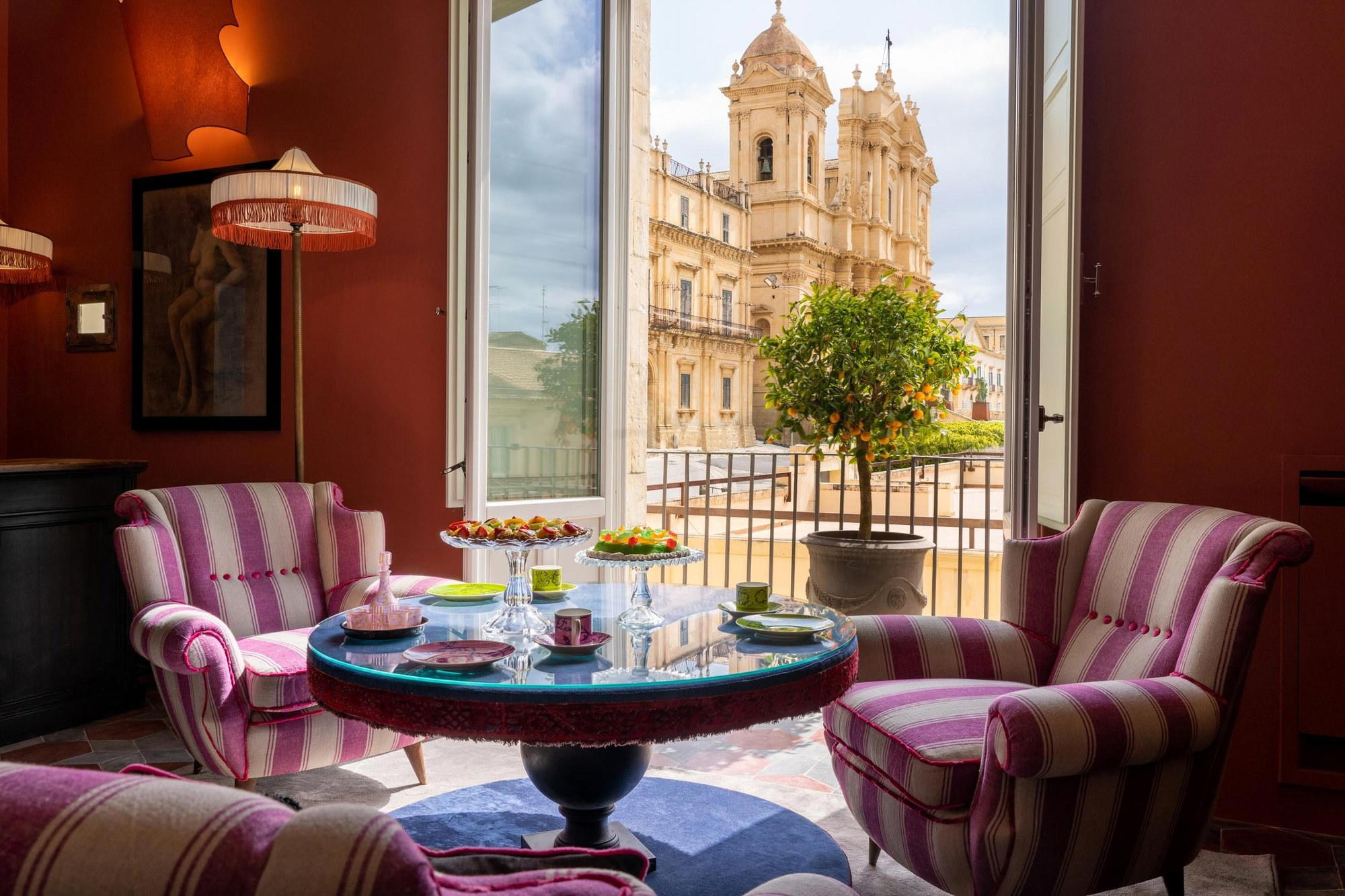
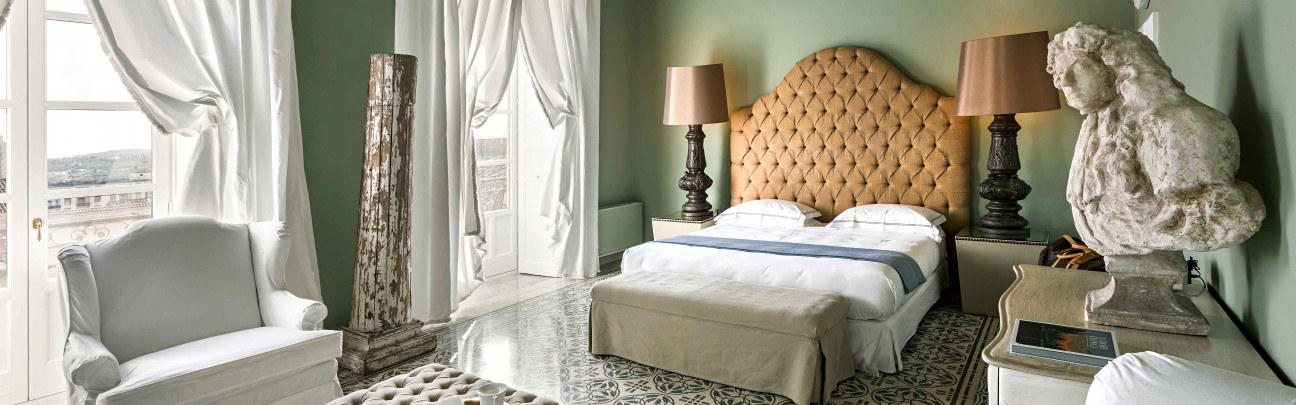
Historic Sicilian baglio and vineyard setting with murals and contemporary art on whitewashed walls, combining relaxed family hospitality, sunset vineyard views, and an elegant yet rustic atmosphere rooted in tradition and the surrounding landscape.