Lesehof Stagård

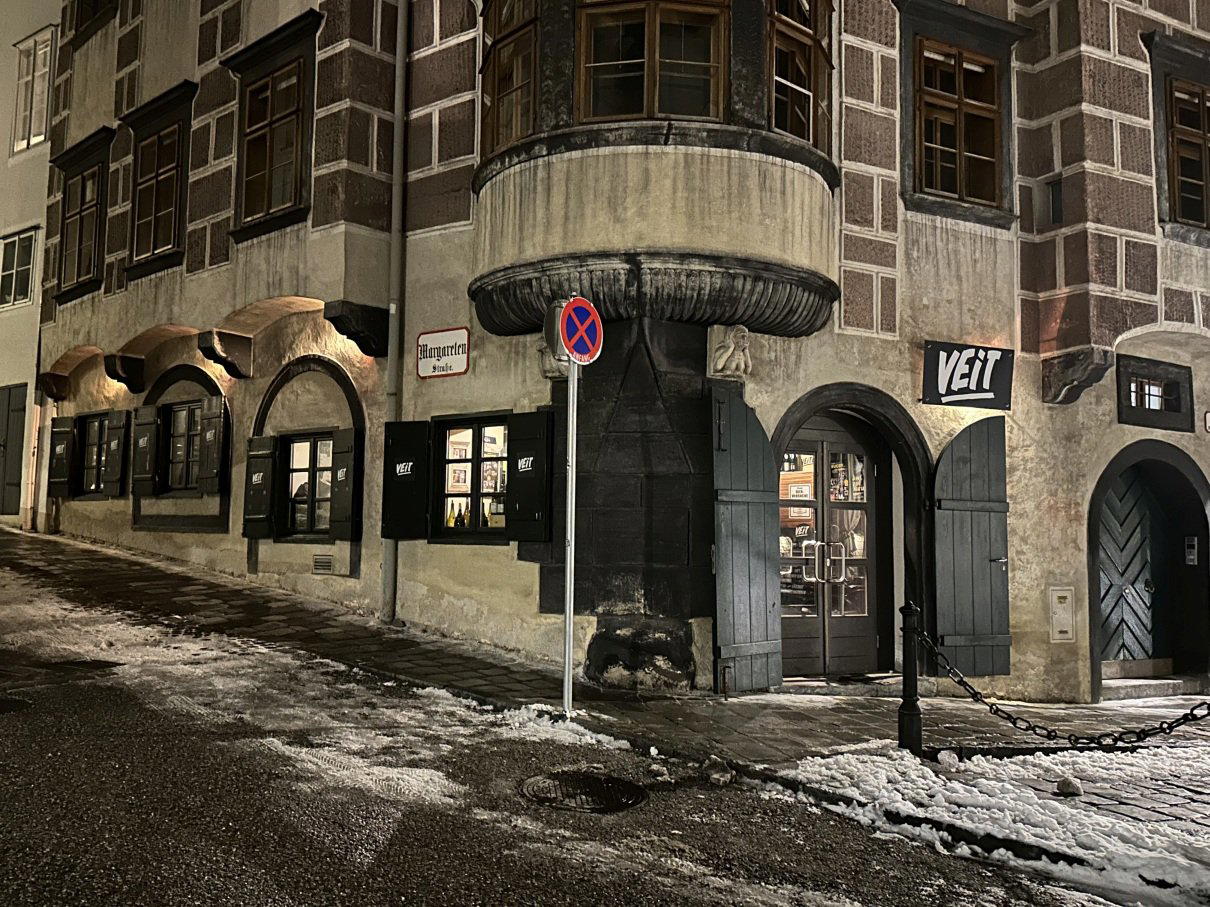
Lesehof Stagård is a family-run biodynamic winery in Krems At The Donau, framed by Kremstal DAC’s steep terraces and a historic estate-cellar setting. The draw is serious Riesling and Grüner Veltliner, guided tastings, and a quiet educational format that suits travelers more interested in terroir than tasting-room spectacle.
Pearl is the En Primeur Club membership app — saves, bookings, and concierge access live there. Same editors, same standards.
- Address
- Krems at the Donau, Kremstal, Lower Austria, Österreich
 Saves & bookings on Pearl
Lesehof Stagård in Krems At The Donau is best understood as a quiet wine-estate experience rather than a glossy hospitality stop. The picture is focused and restrained: a historic, quietly understated estate atmosphere, serious terroir-driven Riesling and Grüner Veltliner, and tastings that are intimate and educational rather than touristy.
The useful frame for the visit is not spectacle, luxury signaling, or a long list of amenities. What can be stated with confidence is that Lesehof Stagård presents itself around biodynamic, low-intervention thinking and around two white-wine varieties that invite close attention to place. For travelers who care about Austrian wine, that makes the estate most appealing as a setting for listening, tasting carefully, and asking informed questions rather than rushing through a broad entertainment format.
Primary rock, terraces, and a white-wine vocabulary built around place
The editorial center of Lesehof Stagård is Riesling and Grüner Veltliner. Those grapes are often discussed through questions of origin, structure, farming, and restraint, and that is a reliable way to approach the estate here. Rather than treating the visit as a checklist of specific cuvées, scores, or awards, it is better to read it as a focused encounter with terroir-driven Austrian white wine.
Riesling and Grüner Veltliner also give the experience a clear vocabulary. Riesling can make a wine’s line, tension, and site character especially apparent, while Grüner Veltliner often invites attention to texture, weight, and savory detail. The grounded point is simpler: the winery is positioned around serious, place-minded expressions of these two varieties.
That focus shapes the mood of a visit. The estate is described as historic and quietly understated, with tastings that are intimate and educational rather than touristy. For a wider Krems At The Donau itinerary, this places the winery at the contemplative end of the day: less about rapid sampling or entertainment, more about understanding how farming philosophy and terroir-driven winemaking are meant to meet in the glass.
A biodynamic estate format rather than a spectacle tasting
The winery’s strongest identity is philosophical as much as stylistic. The estate is associated with a biodynamic, low-intervention approach. It is enough to say that the venue’s public character is built around a serious, low-intervention reading of Riesling and Grüner Veltliner.
This matters because biodynamic and low-intervention language can be overused in wine travel. At the winery, the more cautious and useful interpretation is that the philosophy supports an educational tasting context: visitors should expect the conversation to turn toward farming, site expression, and how the wines communicate origin. The experience is therefore well suited to guests who want depth and quiet attention rather than a loud, casual tasting-room atmosphere.
The price level is $$, which gives a broad sense of accessibility without implying a specific tasting fee, bottle price, menu, or package. No confirmed details are provided here for opening hours, appointment requirements, seating, parking, shipping, payment methods, cellar access, or outdoor areas, so those should be checked directly with the venue before planning around them. The grounded reason to go remains the same: a historic estate atmosphere and a focused encounter with terroir-driven Austrian white wine.
How to place it in a Krems wine day
A good Krems At The Donau wine day benefits from contrast, and the winery fits best as the quiet, reflective stop. It is not the right page to promise lunch service, a particular tour format, a set capacity, a named host, or a specific hospitality schedule. What is is more limited but still meaningful: the setting is understated and historic, the tastings are intimate and educational in tone, and the wines are centered on Riesling and Grüner Veltliner through a biodynamic, low-intervention lens.
That makes it especially relevant for travelers who already enjoy discussing how wines express place. If your ideal visit is built around conversation, careful tasting, and an estate atmosphere that does not feel overly staged, the winery belongs on the shortlist.
For a broader regional map, compare the winery with other Krems At The Donau dining and wine-related options generically, rather than assuming that every nearby venue offers the same format or focus. The editorial read is clear: this is a terroir-first estate experience for travelers who take Riesling, Grüner Veltliner, biodynamic thinking, and quiet wine education seriously. Treat it as a lesson in place, not a generic tasting stop.
Recognition history
Dated appearances from independent guides and award organizations, with the underlying list record or original source where available.
Falstaff Winery - 4 Stars
Falstaff
Continue exploring
More in Krems At The Donau
Wineries in Krems At The Donau
Browse all →



At a Glance
- Classic
- Scenic
- Rustic
- Intimate
- Wine Education
- Solo Exploration
- Group Outing
- Special Occasion
- Romantic Getaway
- Estate Grounds
- Historic Building
- Private Tasting
- Vineyard Tour
- Organic
- Biodynamic
- Sustainable
- Vineyard
- Kremstal DAC
- Riesling
- Grüner Veltliner
- Zweigelt
- Weissburgunder
- Pinot Blanc
- Still White
- Sparkling
- Still Red
- Guided Tasting
- Appointment Only Tasting
- Estate Cellar Tasting
Historic, quietly understated estate atmosphere with a focus on serious, terroir-driven Riesling and Grüner Veltliner; tastings are intimate and educational rather than touristy, reflecting a biodynamic, low-intervention philosophy and centuries-old cellar setting.