Le Sode di Sant‘Angelo

Falstaff Winery - Listed
Le Sode di Sant‘Angelo is a small Maremma estate outside Massa Marittima, shaped by maritime air, mineral soils, and a compact vineyard footprint within a broader 40-hectare rural property. The draw is not trophy-label theatre but a focused encounter with coastal Tuscany: Vermentino, Sangiovese, Alicante, Merlot, and guided tastings framed by hills, vines, olive groves, and cellar craft.

Pearl is the En Primeur Club membership app — saves, bookings, and concierge access live there. Same editors, same standards.
- Address
- Massa Marittima, Tuscany, Italien
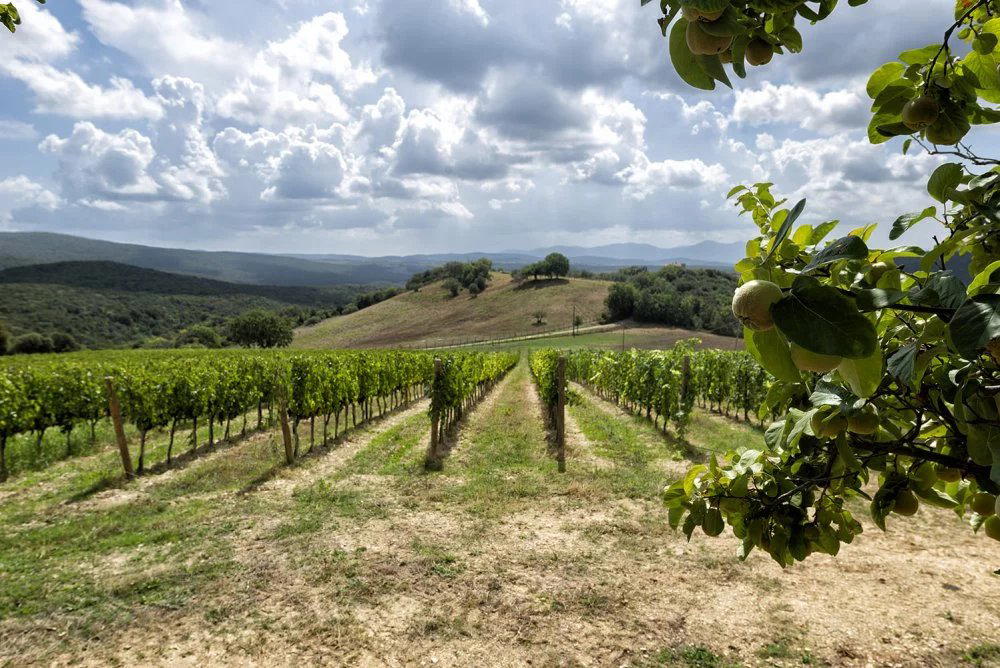
Approaching the hills around Massa Marittima, the wine story changes from postcard Tuscany to something more geological. The Maremma here is a meeting point of sea air, metalliferous hills, olive groves, pasture, and small vineyard parcels; the point is not scale, but the way a coastal climate presses itself into the glass. Le Sode di Sant‘Angelo belongs to that quieter register: a rural estate in Montebamboli where the vineyard is part of a wider agricultural setting rather than a monocultural statement.
That distinction matters in Tuscany. Much of the region’s wine prestige is built around long-established appellations and cellars with heavily codified reputations. Maremma has a different rhythm: younger projects, coastal influence, more room for blends, and a hospitality culture that often speaks directly to the traveler rather than only to collectors. Here, the serious cue is the estate’s small production base: roughly 30,000 bottles a year from a 40-hectare property, with only 6 hectares planted to vines. That ratio says more about the place than any adjective could.
Sea air, mineral hills, and a compact Maremma vineyard
The strongest argument for this estate is terroir, not decoration. Montebamboli sits in a part of Maremma shaped by mineral deposits historically associated with iron, copper, lead, zinc, and gypsum. The soils are described around silica, clay, and mineral content, while the constant presence of sea breezes and low spring rainfall shape ripening. In practical wine terms, that places the estate in the maritime-mineral camp of coastal Tuscany, where freshness and aromatic definition matter as much as density.
The grape mix follows that logic. Vermentino and Sangiovese form the clearest Tuscan anchors, while Alicante, Merlot, and Viognier widen the palette. The portfolio includes named bottlings such as Suggestione Bianco Vermentino IGT, Le Gessaie Vermentino DOC, Sassi d’Autore Sangiovese DOC Maremma Toscana, Sotto la Quercia Merlot IGT Costa Toscana, and Dautore IGT Toscana Rosso, a Sangiovese, Merlot, and Alicante blend whose composition can move with the vintage. The editorial point is not variety for its own sake; it is Maremma’s flexibility, where native and adapted grapes can be used to translate coastal conditions without being locked into a single historical formula.
Le Gessaie gives the white-wine program a clear center of gravity. Vermentino in this part of Tuscany often works when it carries more than simple seaside refreshment: salinity, structure, and enough aromatic lift to hold attention beyond the first glass. The estate’s broader positioning of its whites as fresh, age-capable wines places them in that more serious lane. On the red side, Sassi d’Autore’s Sangiovese-led composition and the variable blend of Dautore show a cellar more interested in site and vintage response than in a rigid house template.
A tasting format built around place rather than spectacle
The visit model is concise and structured. Experiences run around 90 minutes and include guided tasting formats, vineyard walk and cellar tour elements, with Italian and English available. One tasting is framed around “Wine, sea and hills,” while another uses “Amphora and Chalk” as its theme. The latter is capped at 8 guests, which signals a more intimate format than the high-throughput tasting rooms found in busier wine corridors.
Amphora, skin-contact styles, still whites, and still reds all appear within the estate’s stated wine focus. The useful way to read that is as a contemporary Maremma vocabulary: ancient-vessel references, coastal white wine, Sangiovese structure, and small-cellar experimentation sitting inside a rural Tuscan setting. Luca Purgatorio, identified with the estate since 2001, functions here as a credential for a relatively modern project rather than the center of a family-dynasty narrative. The more interesting story remains the land: a compact vineyard inside a mixed estate of vines, olive groves, woodland, and pasture.
The atmosphere is correspondingly restrained. Expect quiet countryside, vineyard and mountain views, outdoor seating, and an informal dress code rather than grand-château choreography. The estate is independent, group-friendly, and better suited to wine education or a slow countryside stop than to a restaurant-style day built around food pairings. There is on-site parking, payment by cash or credit card, and visits are by reservation. The tone is rural and personal, but the format is organized enough to justify planning rather than treating it as a casual drop-in.
How to place it within a Massa Marittima wine day
For travelers building a Massa Marittima itinerary, Le Sode di Sant‘Angelo works as a terroir-focused stop: compact production, coastal influence, Maremma Toscana DOC context, and a tasting length that leaves room for a second winery or a long lunch elsewhere. The price point sits in an accessible premium band rather than a trophy-wine category, which makes the estate especially useful for travelers who want to understand the area without turning the day into a label-hunting exercise.
Use the wider Massa Marittima planning pages to build the rest of the day: Our full Massa Marittima wineries guide, Our full Massa Marittima restaurants guide, Our full Massa Marittima hotels guide, Our full Massa Marittima bars guide, and Our full Massa Marittima experiences guide. For a broader Italian winery map, continue with Giovanni Valentini, Morisfarms, 3GP SRL in Treviso, 47 Anno Domini in Trebaseleghe, A Mano Wine in Noci, a6mani in Fragagnano, Abbadia Ardenga in Torrenieri, Abbazia di Crapolla in Neapel, »der Steiner« Hans Steiner in Podersdorf am See, and & Handwein in Mannheim.
Recognition history
Dated appearances from independent guides and award organizations, with the underlying list record or original source where available.
Falstaff Winery - Listed
Falstaff
Continue exploring
More in Massa Marittima
Wineries in Massa Marittima
Browse all →
Hotels in Massa Marittima
Browse all →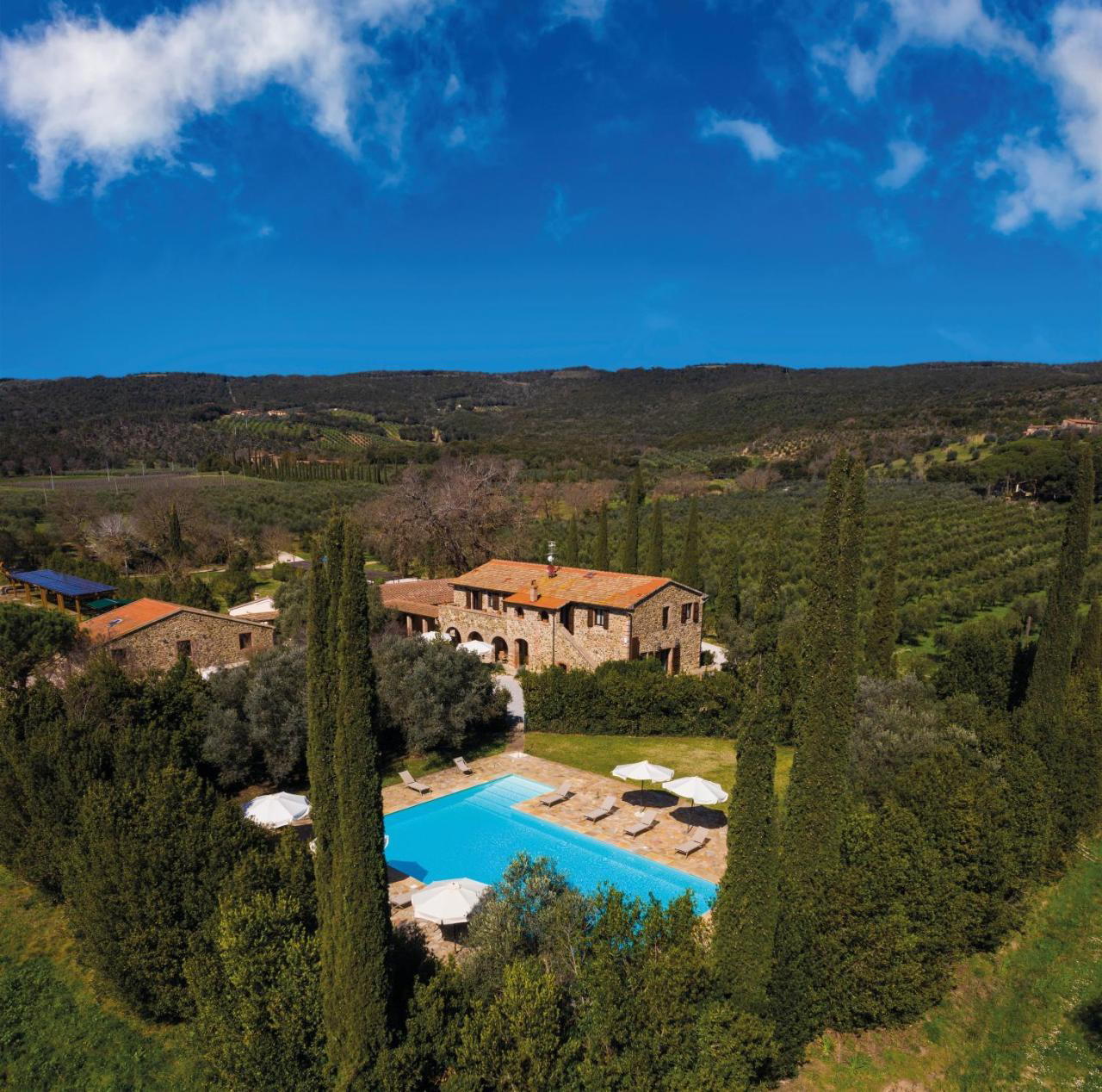
Details
- Scenic
- Rustic
- Romantic
- Intimate
- Romantic Getaway
- Group Outing
- Solo Exploration
- Wine Education
- Special Occasion
- Vineyard Tour
- Estate Grounds
- Panoramic View
- Sustainable
- Vineyard
- Mountain
- Sangiovese
- Vermentino
- Alicante
- Merlot
- Viognier
- Still Red
- Still White
- Amphora
- Skin Contact
- Guided Tasting
- Vineyard Walk
- Cellar Tour
- Italian
- English
Rural Tuscan estate in the hills of Montebamboli, combining traditional vineyard and olive grove landscapes with a small, quality-focused cellar; the atmosphere is quiet, scenic, and intimate, emphasizing a close connection between land, sea breezes, and craftsmanship.