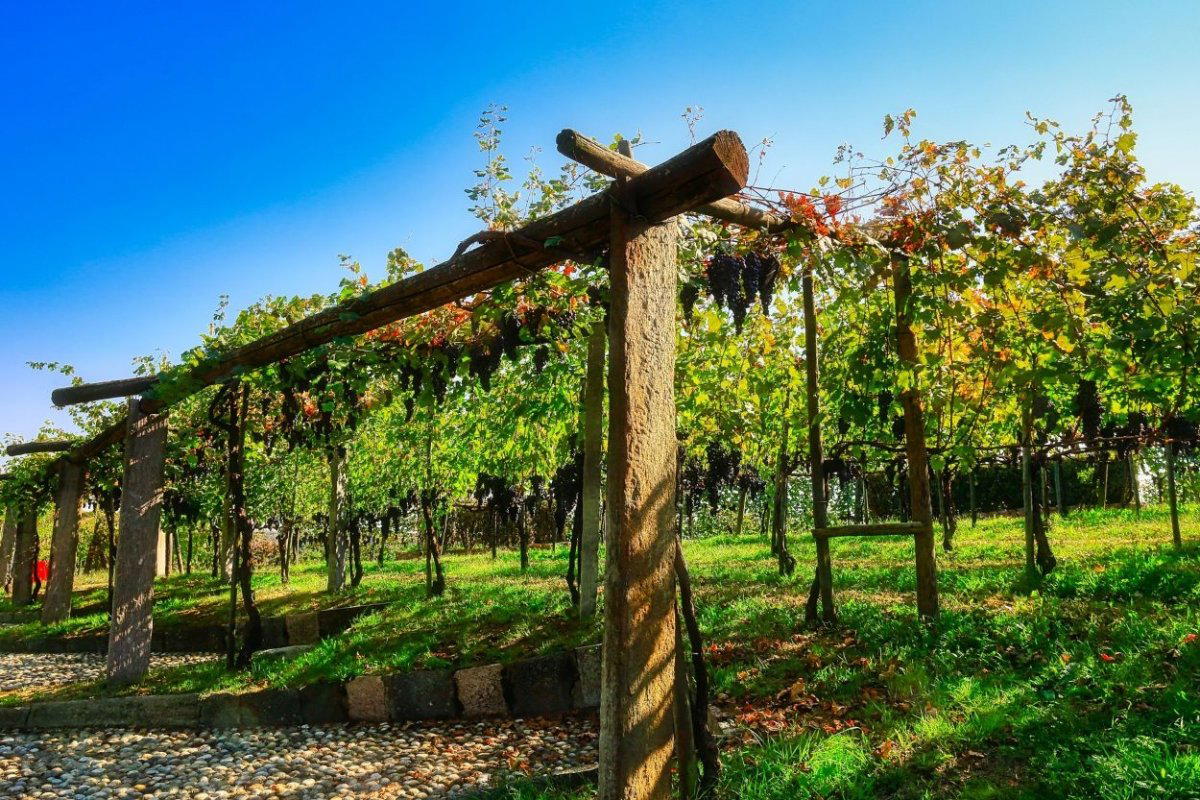
Le Piane belongs to the serious, terroir-led side of northern Piedmont: old vines, Boca DOC, volcanic porphyritic gravel and a revival story that matters beyond one estate. The draw is not polished wine tourism but a small village tasting-room format tied to Nebbiolo-based wines from south-facing pre-Alpine vineyards at 400–500 metres.

Pearl is the En Primeur Club membership app — saves, bookings, and concierge access live there. Same editors, same standards.
- Address
- Boca, Italy

Arriving in Boca means entering a quieter register of Piedmont, where the appeal sits in rustic setting, traditional estate character and a strong sense of local wine culture rather than in a grand hospitality set piece. Le Piane is a small, traditional Piedmont estate and village tasting room in Boca, with a classic, rustic feel and a focus on serious, ageworthy Boca DOC wines made with minimal intervention and respect for old vines and volcanic terroir. The tone is deliberately grounded: this is the kind of visit where atmosphere comes from the village context, the estate’s traditional profile and the wines themselves, rather than from layers of added production around the tasting.
The reason to pay attention is the appellation itself. Le Piane is best approached as a focused Boca wine visit: compact, traditional and centered on the character of the place. The picture is not one of elaborate amenities or a broad hospitality program, but of a village tasting room where the wines and the terroir carry the experience. That makes the venue especially useful for drinkers who want a clearer sense of Boca on its own terms, without needing the visit to behave like a resort-style winery stop.
Volcanic Boca, old vines and ageworthy Boca DOC wines
Boca gives Le Piane its frame. The estate’s identity is tied to volcanic terroir, old vines and serious Boca DOC wines that are intended to age. Rather than presenting itself as a glossy destination, Le Piane reads as a classic, rustic Piedmont stop where the emphasis stays on the wines and the landscape behind them. The value of that restraint is that it leaves the core subject unobscured: Boca as a place, and Boca DOC as the language through which the estate is understood.
The available details support a restrained description: this is a small, traditional estate and tasting room in Boca, not a venue defined by an invented service format, chef-led dining program or luxury set of extras. Its appeal is the traditional setting and the seriousness of the wines. In practical editorial terms, that means the experience should be framed around expectation rather than embellishment: a focused encounter with an estate rooted in its appellation, not a checklist of amenities.
Minimal intervention and respect for old vines are central to the way Le Piane is described. Those ideas matter because they keep the focus on continuity, site and ageworthy Boca DOC expression rather than on trend-driven hospitality language. They also give the visit a useful interpretive key: the wines are presented as products of place, age and restraint, so the setting should be read with the same patience and attention.
A concise identity built around Boca DOC and regional character
Le Piane’s identity is focused rather than sprawling: a traditional Piedmont estate and village tasting room in Boca, centered on serious Boca DOC wines. The guide should be read with that narrow focus in mind, because specific claims about individual cuvées, production figures, vineyard measurements, service formats or booking rules are not confirmed here. That narrowness is not a weakness; it is part of the clarity of the listing, which points visitors toward what is known and relevant.
For drinkers who understand Piedmont through better-known zones first, the useful comparison is conceptual rather than statistical. Le Piane offers a Boca perspective: volcanic terroir, old vines, minimal intervention and a rustic tasting-room atmosphere. The point is not to force Boca into another regional template, but to let its quieter, more specific identity come through. On that basis, Le Piane functions as a direct introduction to a more local and less theatrical side of Piedmont wine culture.
Hospitality should be expected in that same modest register. The details support a classic, scenic and rustic estate setting, with a price level listed as $$. Beyond that, practical specifics such as hours, tour length, payment methods, parking, seating, food service or reservation rules should be confirmed directly before planning a visit. This keeps expectations properly calibrated: go for the setting, the estate character and the Boca DOC focus, while treating all logistical details as something to verify before arrival.
How to read Le Piane in the wider Boca circuit
Within Boca, Le Piane’s significance rests on its focused identity: a small, traditional Piedmont estate and village tasting room devoted to serious, ageworthy Boca DOC wines. It is a specialist stop for drinkers interested in Boca’s volcanic terroir and old-vine character. Its role is strongest when understood as a concentrated expression of the appellation rather than as a broad leisure venue.
For planning a wider day in Boca, use Le Piane as the anchor and compare it with other dining and wine experiences in Boca generically. The strongest reason to visit remains simple: the venue offers a classic, rustic way to encounter Boca DOC through a producer closely associated with the place. In that sense, it gives structure to a Boca itinerary without needing to carry every part of the day itself.
Le Piane belongs in a broader European wine conversation because it makes a clear case for place. Boca’s volcanic terroir, old vines and ageworthy DOC wines are the subject, and the estate is the lens. For visitors who value specificity over spectacle, that is the essential appeal: a modest, traditional setting that keeps returning attention to the appellation.
Continue exploring
More in Boca
Details
- Scenic
- Rustic
- Classic
- Romantic
- Well Known
- Wine Education
- Solo Exploration
- Group Outing
- Special Occasion
- Romantic Getaway
- Estate Grounds
- Vineyard Tour
- Historic Building
- Private Tasting
- Organic
- Vineyard
- Mountain
- Nebbiolo
- Vespolina
- Croatina
- Erbaluce
- Bonarda
- Still Red
- Still White
- Cellar Tasting
- Shop Tasting
- Vineyard Visit
- Italian
- English
Small, traditional Piedmont estate and village tasting room with a classic, rustic feel, focused on serious, ageworthy Boca DOC wines made with minimal intervention and respect for old vines and volcanic terroir.