La Crema

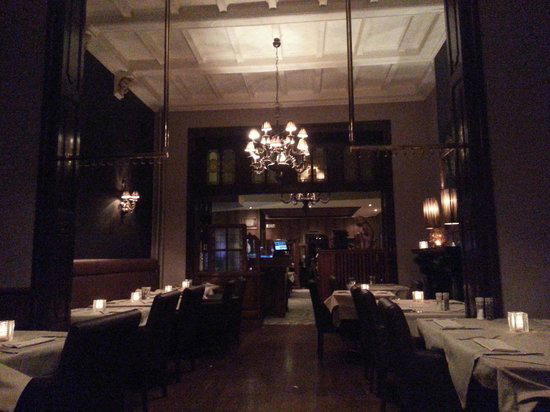
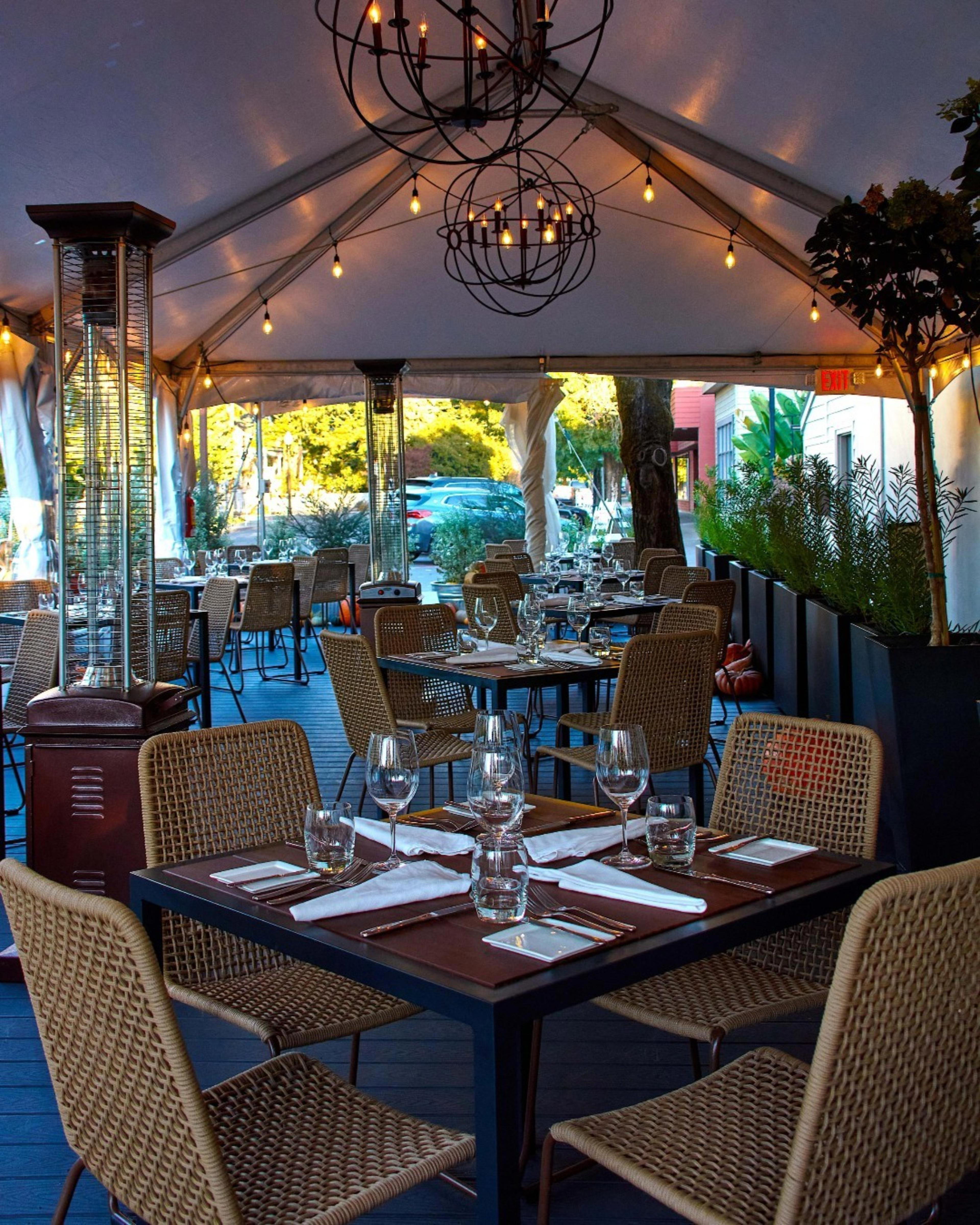
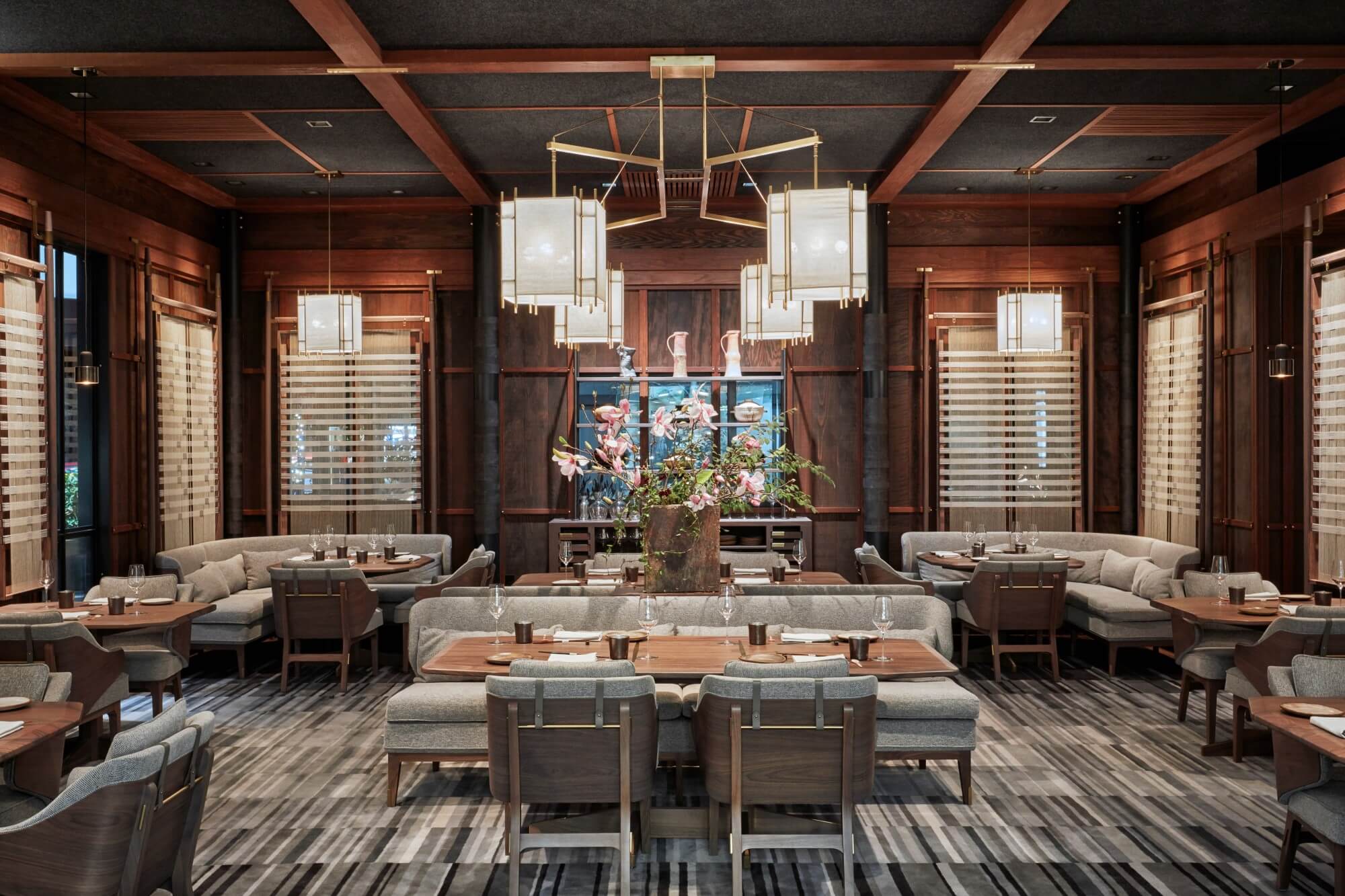
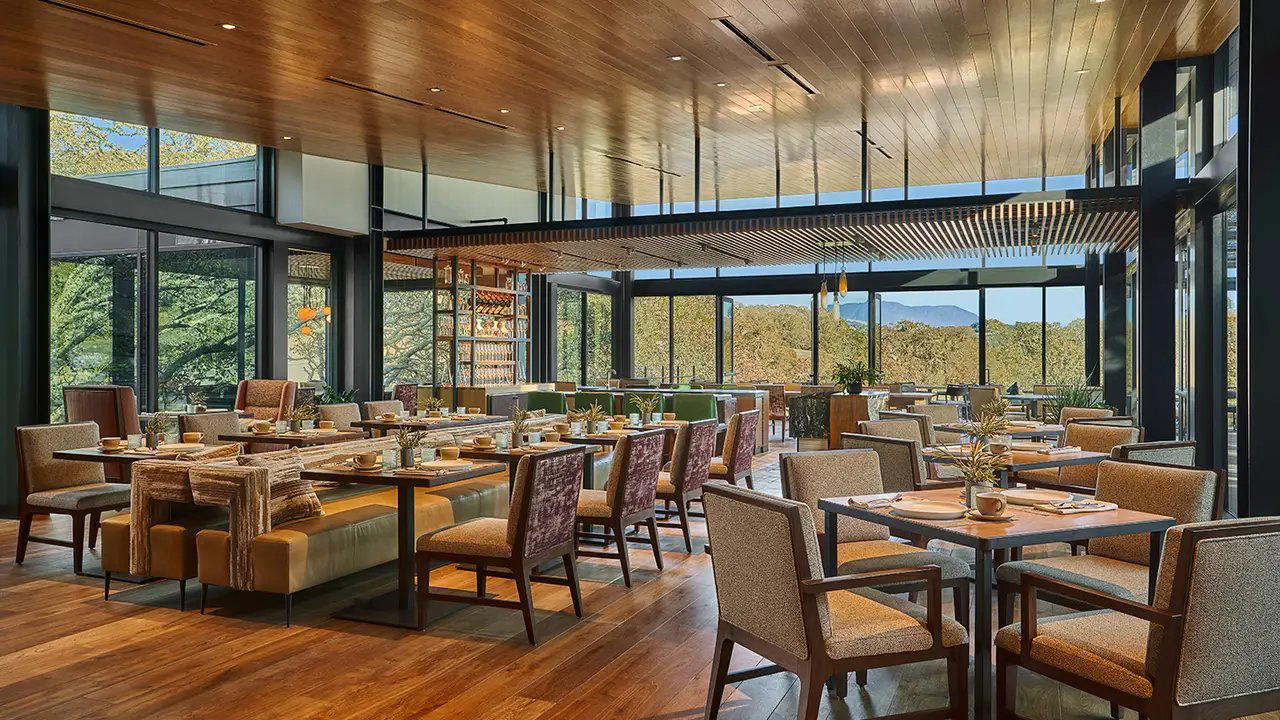
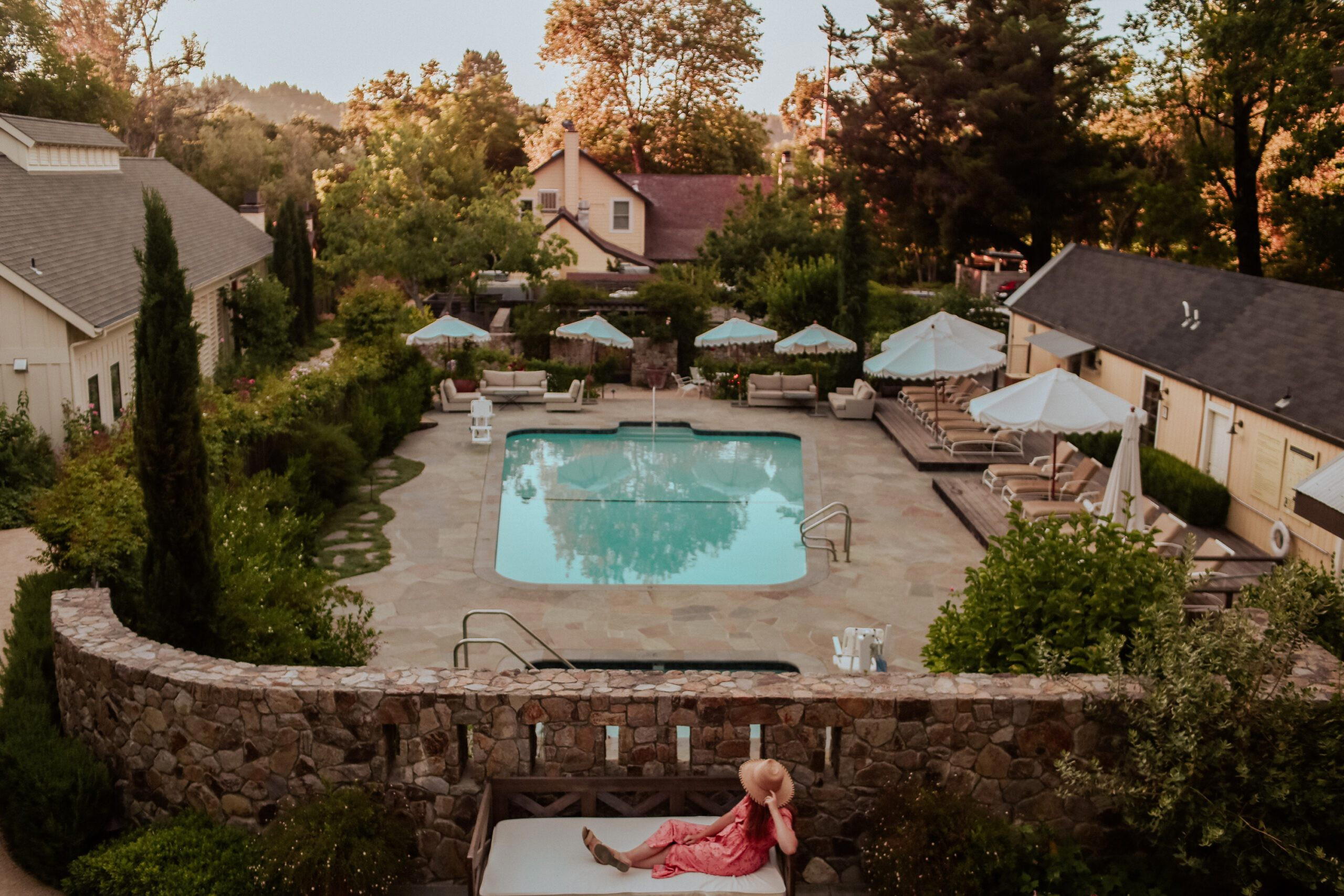
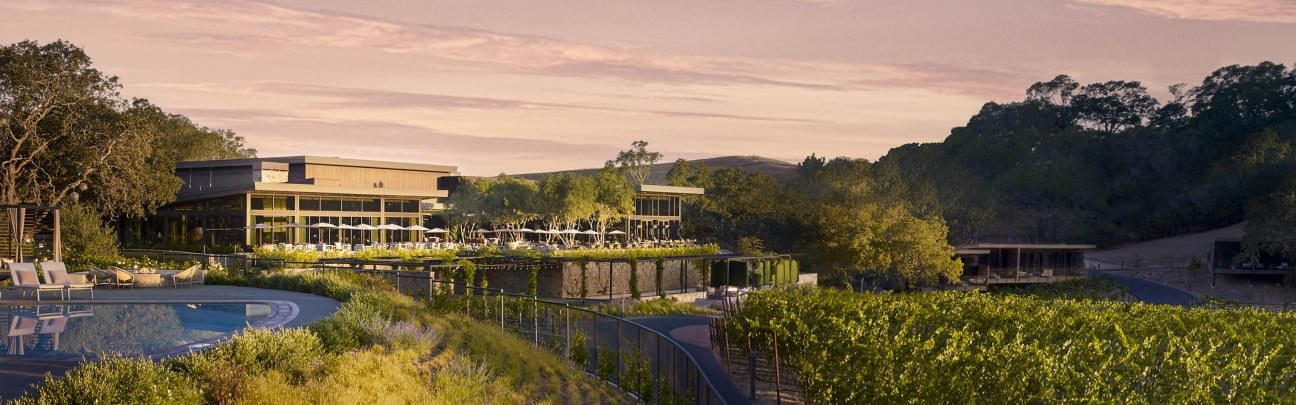
La Crema’s Windsor estate frames Russian River Valley wine through cool-climate varietals, Saralee’s Vineyard, and a hospitality format built around seated tastings, estate tours, and vineyard-facing patios. The appeal is not trophy hunting; it is a clear, accessible read on Sonoma’s Burgundian-leaning side, with Pinot Noir, Chardonnay, Pinot Gris, rosé, and sparkling wine presented through an estate setting rather than a downtown tasting room.
Pearl is the En Primeur Club membership app — saves, bookings, and concierge access live there. Same editors, same standards.
- Address
- 3575 Slusser Rd, Windsor, CA 95492
- Phone
- (707) 525-6200
- Website
- lacrema.com
- Directions
- Get directions
 Saves & bookings on Pearl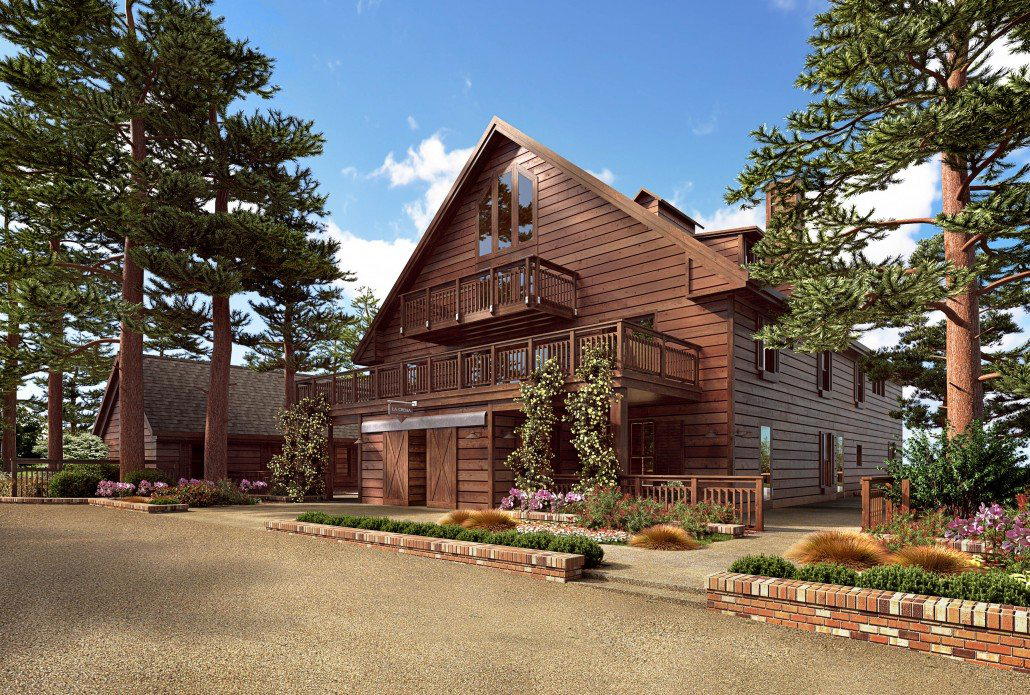
La Crema is a venue in Windsor with a price point of $35 per person and a casual dress code. Those are the two firm details to build around: the setting is identified as Windsor, the spend is stated per person, and the dress expectation is informal rather than formal.
For planning purposes, the clearest confirmed takeaway is simple: La Crema sits in the accessible midrange for a Windsor visit, and the dress expectation is casual. That combination can be useful when you are trying to decide whether a venue belongs in a relaxed plan rather than a more polished or occasion-led one.
What is about La Crema
The confirmed price is $35 per person. That makes the winery direct to place in a Windsor itinerary when budgeting for a visit, because it gives you a starting point for comparing it with other possible stops. A per-person figure is helpful, but it is not the same as a complete explanation of the visit. Any additional costs, optional experiences, or inclusions should be checked with the venue directly before you rely on that number as your full expected spend.
The confirmed dress code is casual. In practical terms, that means the winery should be approached as a venue where guests do not need to plan around a formal dress requirement based on the information currently available. It is still worth checking directly if you are visiting for a particular occasion, arranging a group plan, or trying to avoid any uncertainty about what the venue considers appropriate.
Those details should not be assumed from third-party descriptions. The safest reading is intentionally narrow: the winery is in Windsor, the stated price point is $35 per person, and the dress code is casual. Anything beyond that needs to come from the winery’s current information rather than from inference, older references, or assumptions based on the name or location.
How to think about a visit
The winery is best described cautiously as a Windsor venue with a known per-person price and casual dress code. If you are comparing options in Windsor, use those facts as the foundation, then confirm the rest directly before committing to a time or plan. That approach keeps the decision useful without overstating what is known.
Because the information is thin, one practical approach is to contact the winery or check its current official materials for anything time-sensitive: opening hours, booking requirements, what the $35 per person covers, and whether any services or formats are available on the date you intend to visit. Those questions matter because a price point alone does not explain availability, pace, format, or the level of advance planning required.
Treat any such details as unconfirmed unless the winery provides them directly. That restraint is important for a venue page with limited confirmed data: it prevents the planning note from turning into a description of features that may not be current, may not apply, or may never have been verified.
If you are deciding whether the winery suits your plans, start with the practical match. A casual dress code can make the venue easier to fold into a day where you do not want to change clothes or plan around formality. A $35 per person price point can also make the decision clearer when you are weighing several Windsor options and need a simple budget marker. The missing details, however, are still meaningful, so the final decision should wait until you have confirmed the basics directly.
How to place it in a Windsor itinerary
For a Windsor itinerary, the winery can be considered when you want a casual venue with a verified $35 per person price point. It may fit before or after other dining or leisure plans in Windsor, but timing and logistics should be confirmed through current venue information. Without hours, exact location details, or a confirmed service format, it is better to treat the winery as a possible anchor or supporting stop only after those details are checked.
For further Windsor planning, EP Club’s local coverage can be used alongside direct confirmation from the winery. When comparing it with other Windsor dining or venue options, keep the comparison grounded in the confirmed basics: Windsor location, $35 per person pricing, and casual dress. That keeps the venue in the right planning category without adding unsupported claims about atmosphere, menu, neighborhood, or occasion fit.
The winery is identifiable enough to consider for a Windsor plan, and the known price and casual dress code make it easy to place in a preliminary shortlist. Before you finalize, confirm the current details with the venue, especially if your visit depends on a reservation, a specific date, or a clear understanding of what the per-person price includes.
Recognition history
Dated appearances from independent guides and award organizations, with the underlying list record or original source where available.
Falstaff Winery - Listed
Falstaff
Continue exploring
More in Windsor
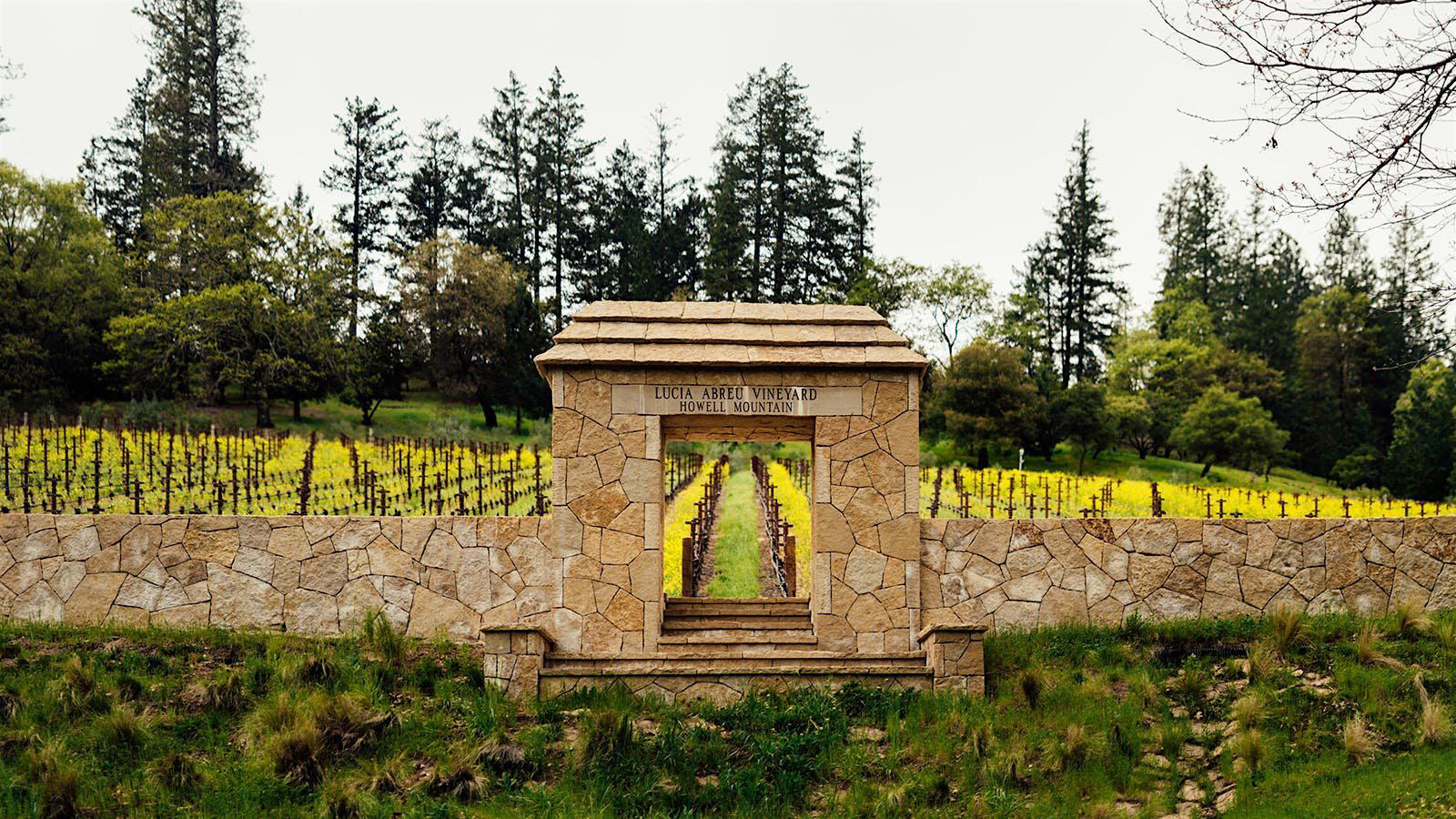
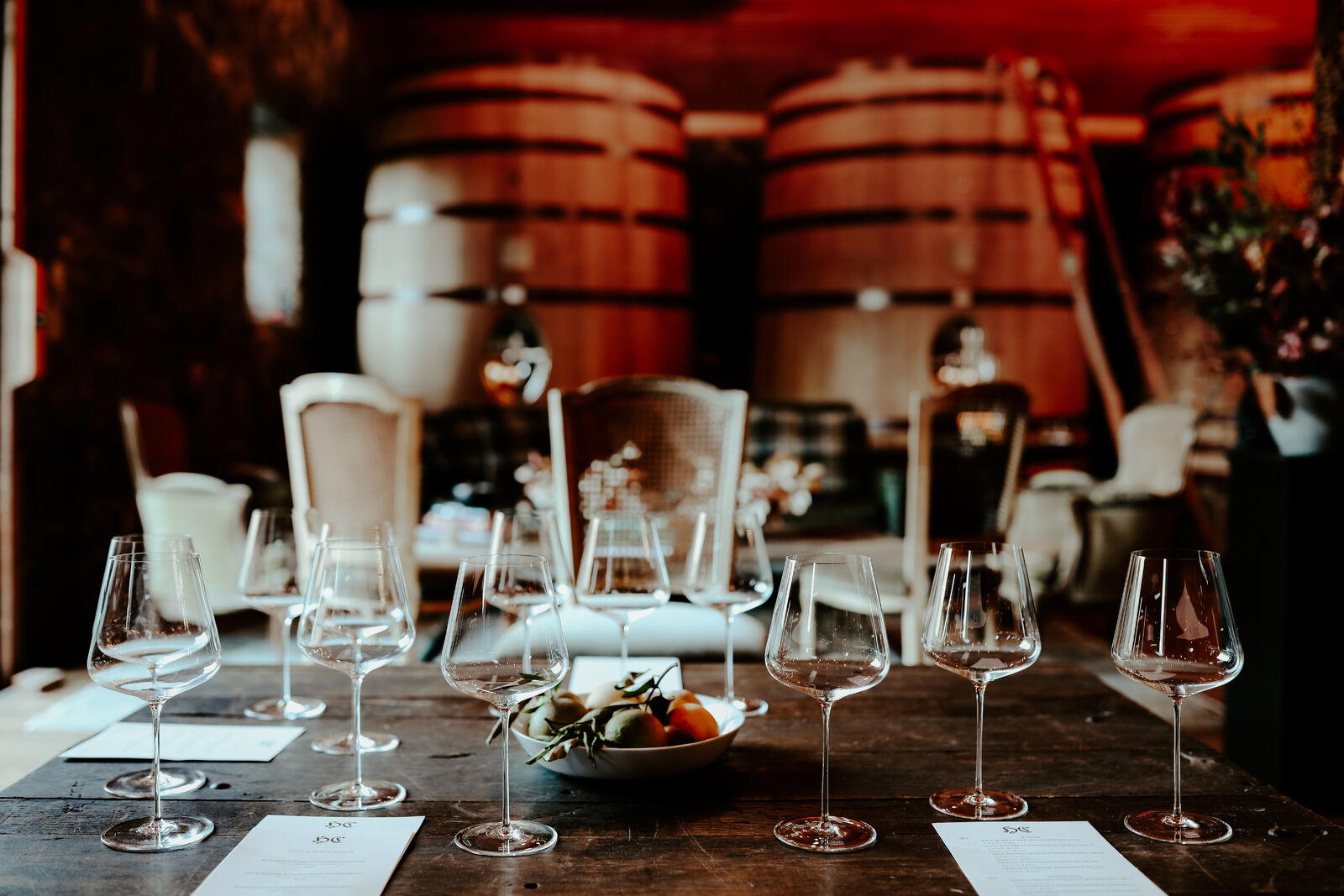
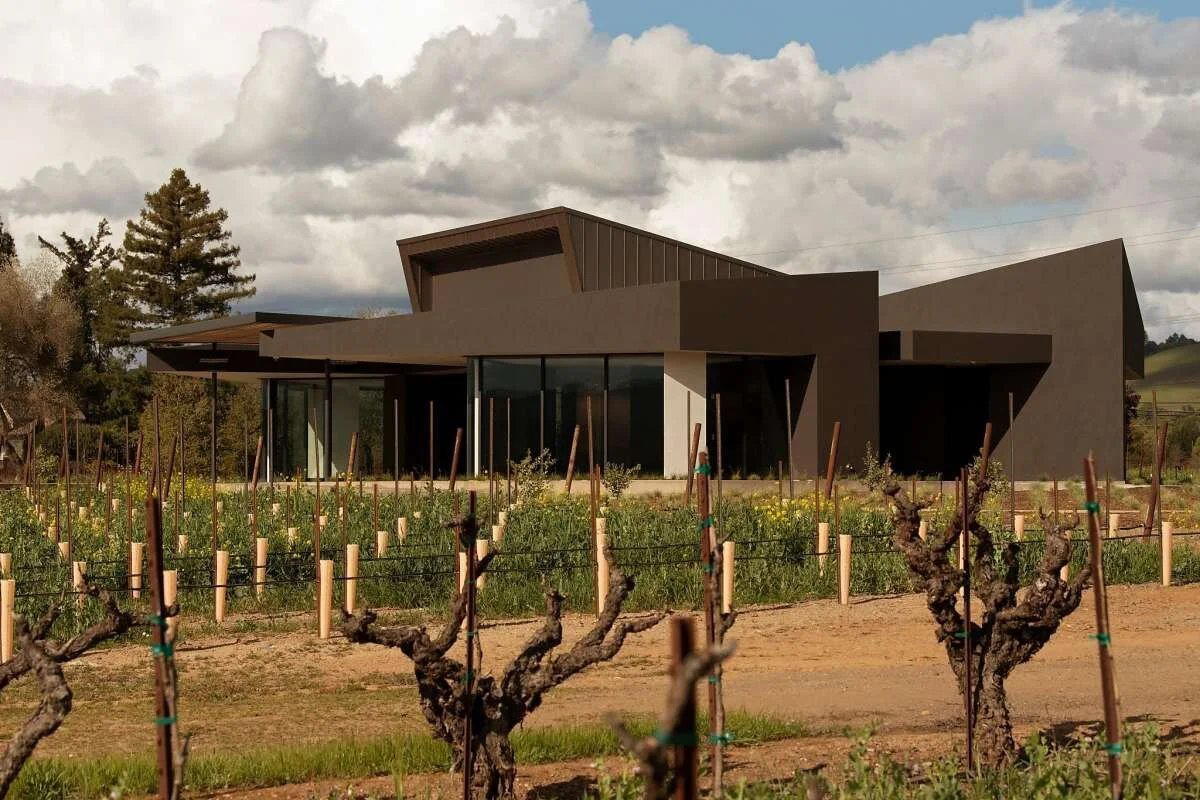
Wineries in Windsor
Browse all →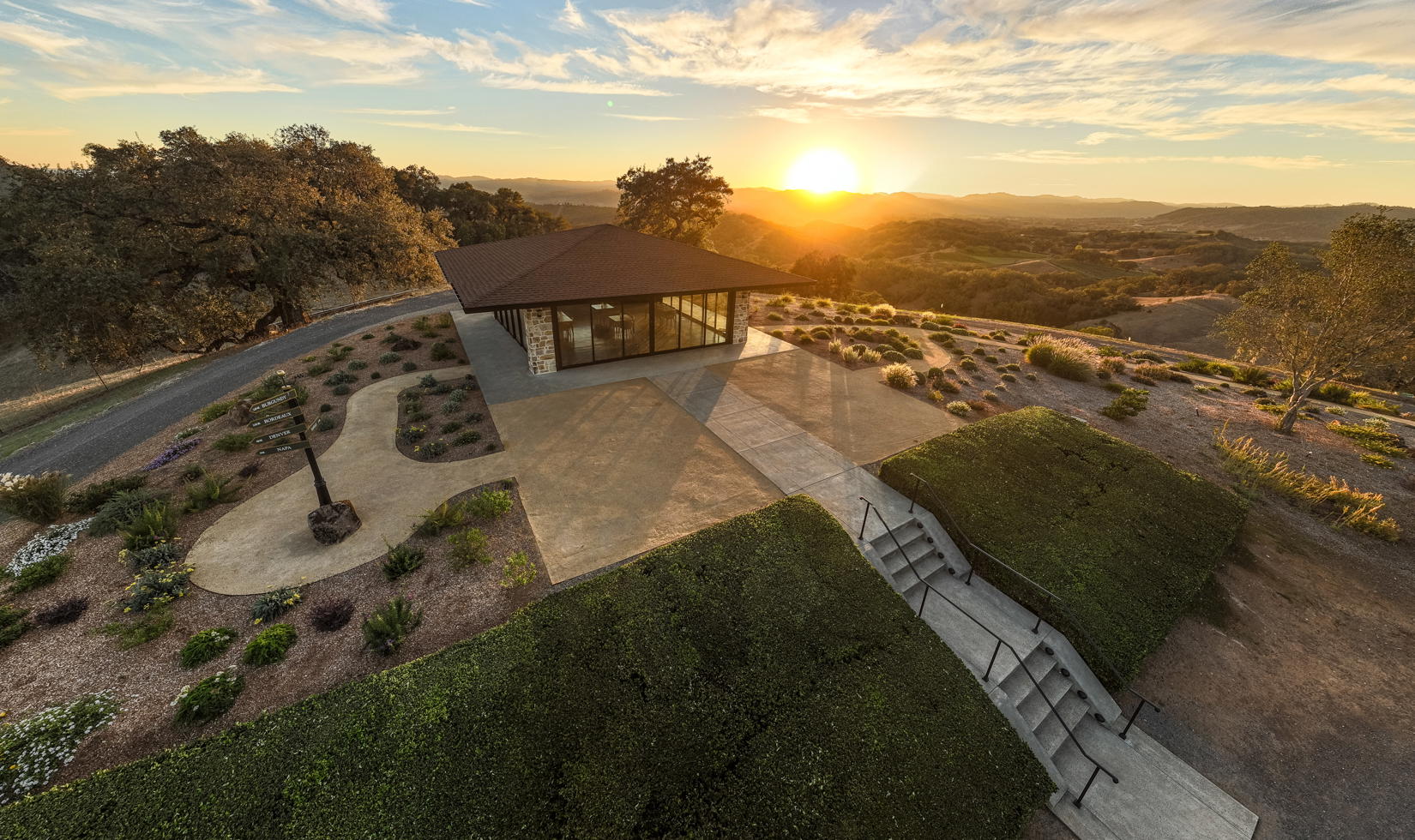
Bars in Windsor
Browse all →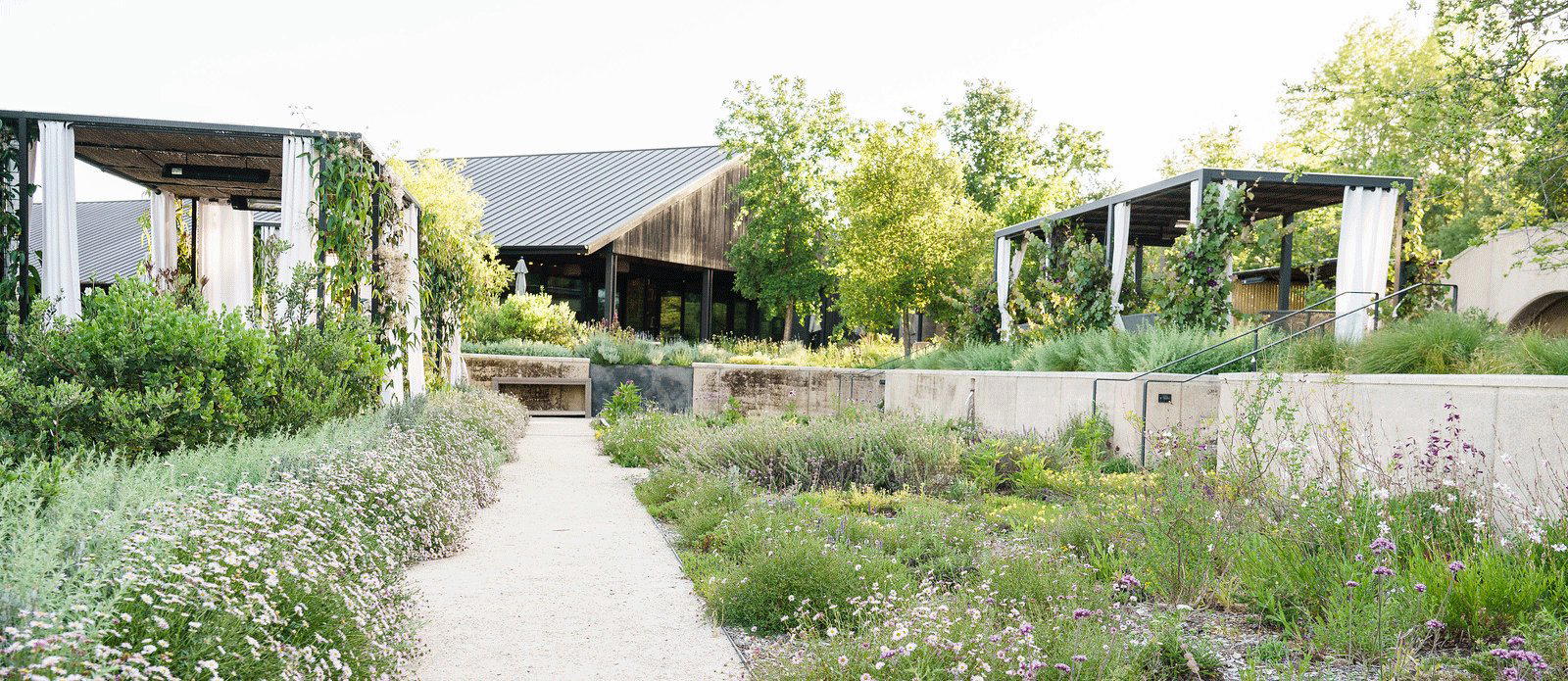
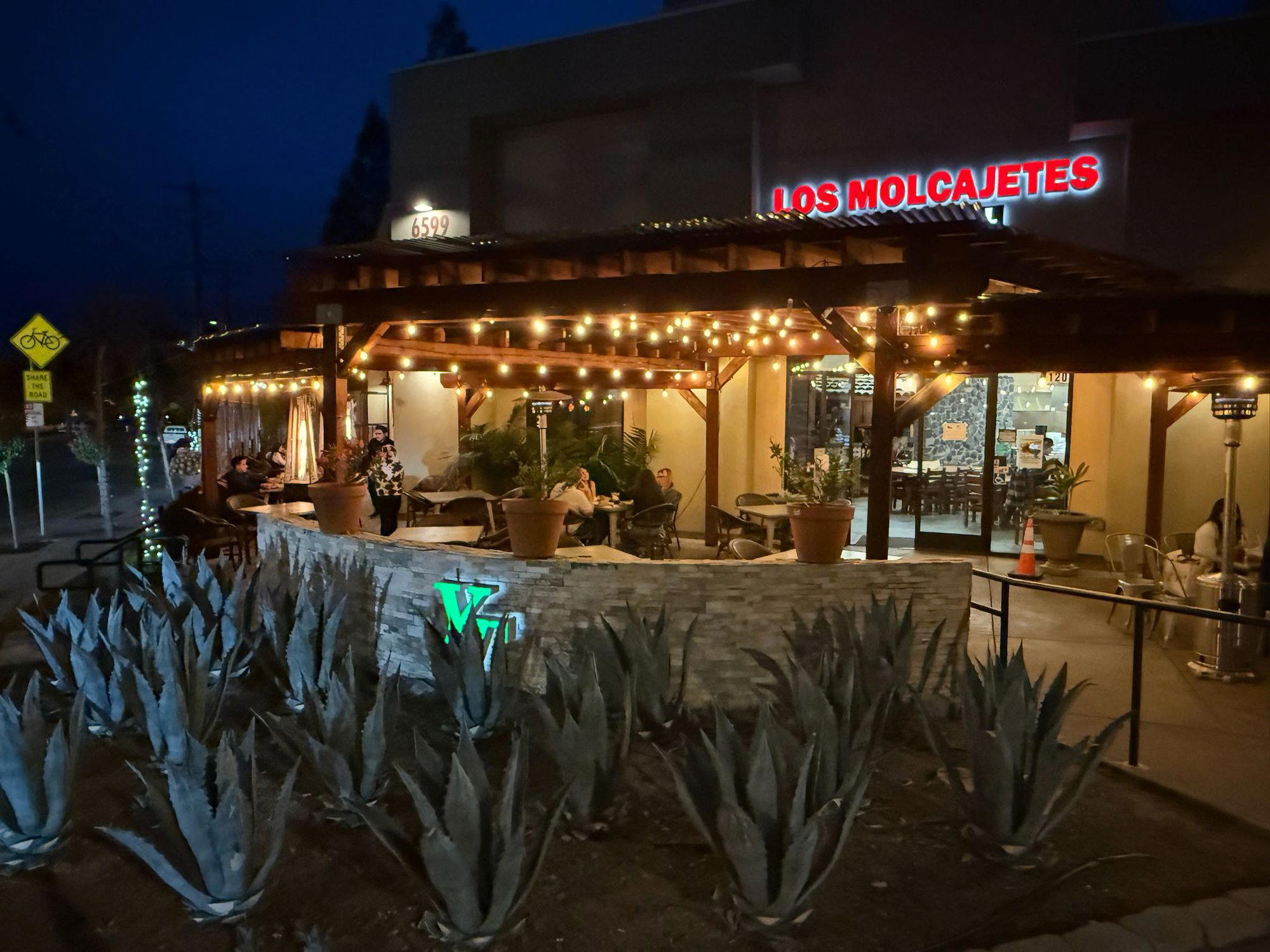
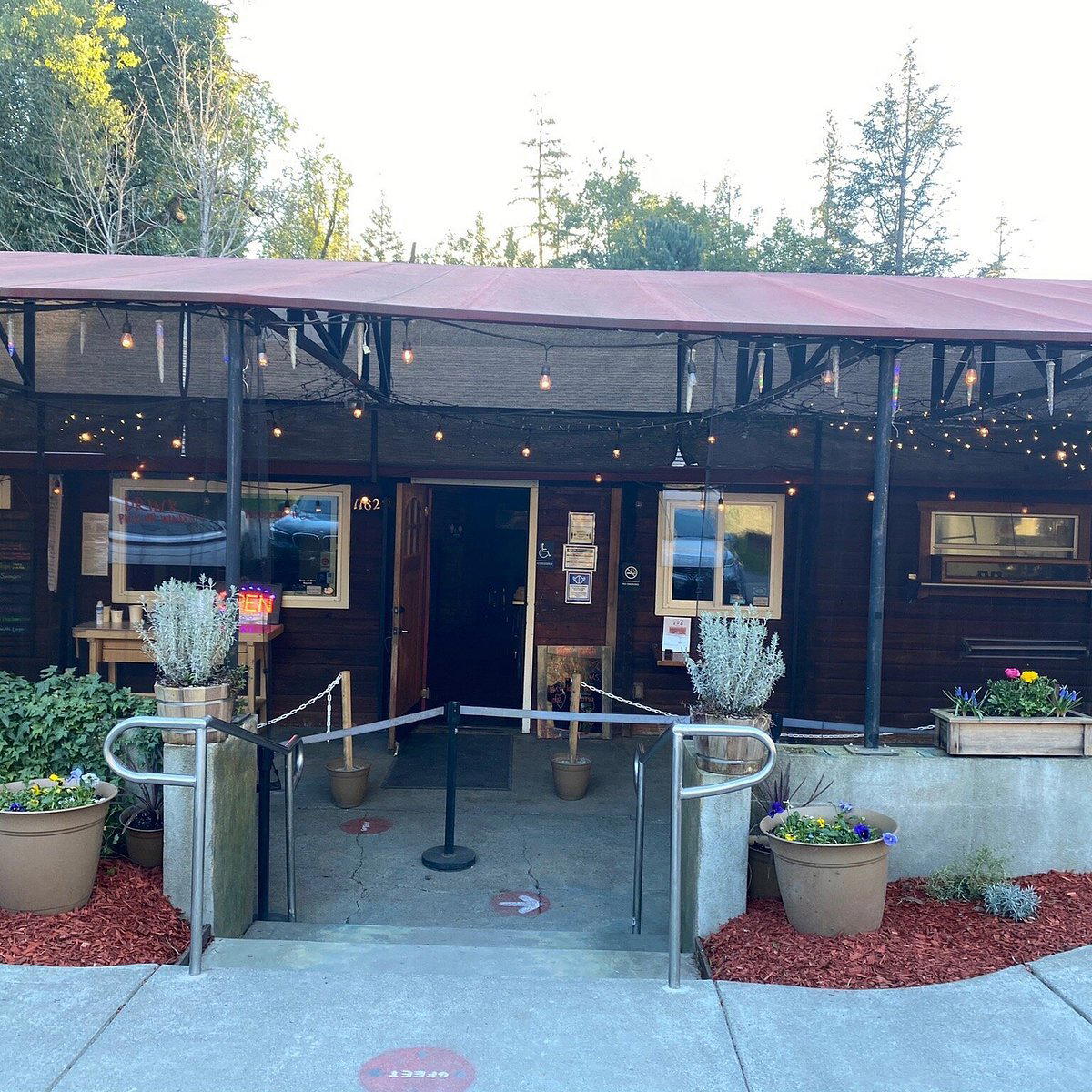
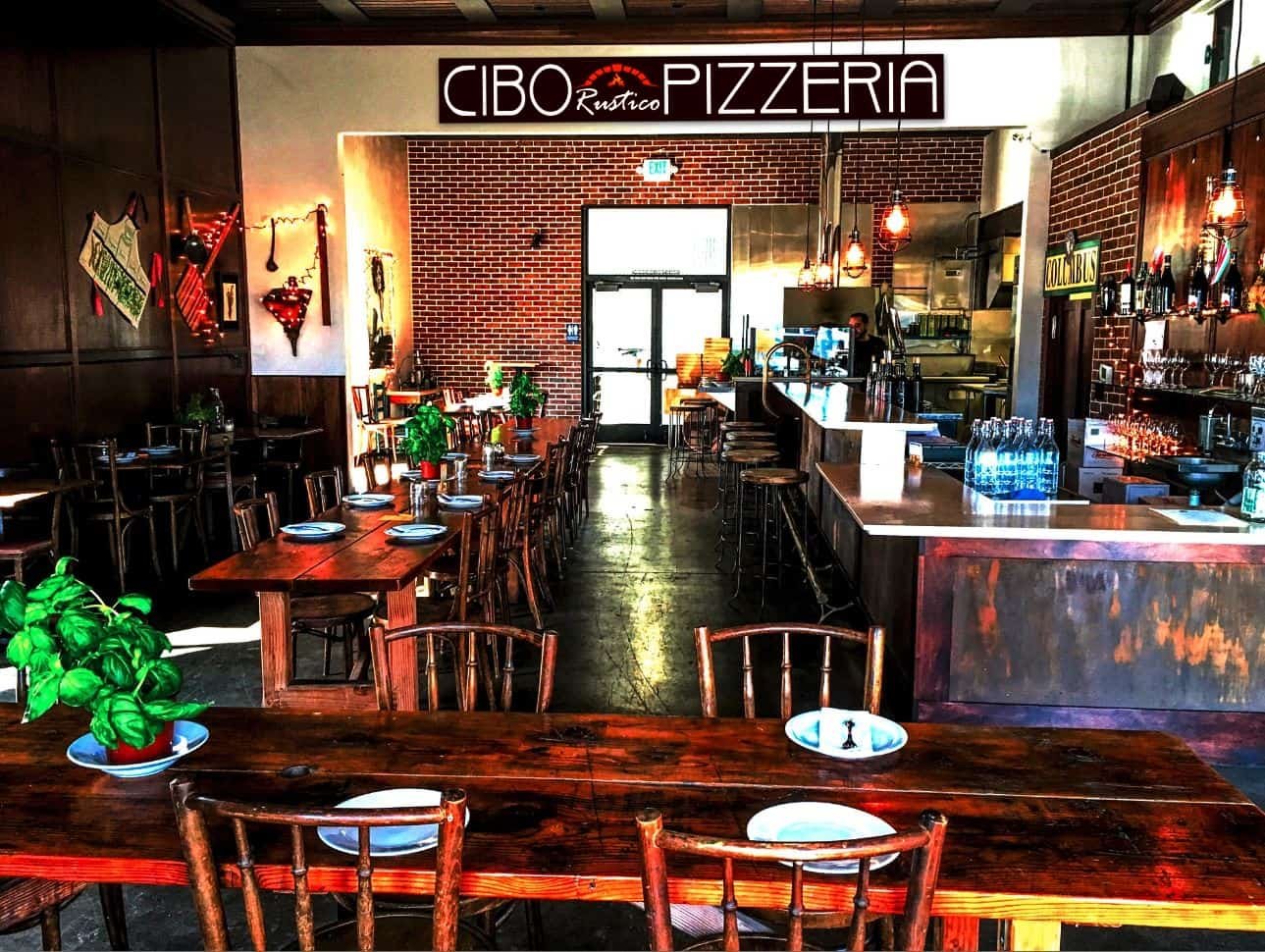
Restaurants in Windsor
Browse all →
At a Glance
- Scenic
- Elegant
- Rustic
- Romantic
- Intimate
- Well Known
- Group Outing
- Romantic Getaway
- Wine Education
- Special Occasion
- Solo Exploration
- Corporate Event
- Estate Grounds
- Vineyard Tour
- Picnic Area
- Terrace
- Panoramic View
- Private Tasting
- Sustainable
- Vineyard
- Garden
- Russian River Valley AVA
- Pinot Noir
- Chardonnay
- Pinot Gris
- Rosé
- Sparkling Wine
- Still Red
- Still White
- Still Rosé
- Sparkling
- Dessert
- Seated Tasting
- Estate Tour
- Barrel Focused Tasting
- Picnic With Bottle Service
- Guided Pairing Experience
Current opening hours
- Monday
- 10 AM–5 PM
- Tuesday
- 10 AM–5 PM
- Wednesday
- 10 AM–5 PM
- Thursday
- 10 AM–5 PM
- Friday
- 10 AM–5 PM
- Saturday
- 10 AM–5 PM
- Sunday
- 10 AM–5 PM
Hours can change for holidays and private events. Last verified .
Charming, relaxing, and picturesque estate setting with outdoor patios overlooking terraced vineyards, historic barn architecture, and attentive, knowledgeable hosts creating an intimate yet social tasting atmosphere.