Jacques Frelin Vignobles

Jacques Frelin Vignobles belongs to the Languedoc’s earlier organic movement, with roots in 1983 and a portfolio built around certified organic wines, biodiversity, agroforestry and selective Demeter and Vin Méthode Nature bottlings. In Montpellier, the useful lens is not cellar-door spectacle but terroir expression: clay-limestone soils, stony terraces and Gard-grown fruit translated into a trade-facing range for restaurants, cafés, hotels and specialist organic retail.
Pearl is the En Primeur Club membership app — saves, bookings, and concierge access live there. Same editors, same standards.
- Address
- Montpellier, Occitanie, Frankreich
- Directions
- Get directions
 Saves & bookings on Pearl
Approach this as a Montpellier wine address with a quieter rhythm than regional tasting-room theatre. The story starts in the land: Gard vineyards, clay-limestone soils, stony terraces, rounded pebbles and a southern French climate that has made the Languedoc one of France’s great laboratories for scale, value and reinvention. Jacques Frelin Vignobles matters because it entered organic wine in 1983, before sustainability became a default back-label claim, and because its current identity ties pleasure to ecological practice rather than separating them.
That distinction matters in the Languedoc, a region long moving beyond bulk-wine shorthand as producers use appellation, grape variety, farming method and export positioning to define their lane. Here, the lane is certified organic wine with a biodiversity-first vocabulary: all wines are certified organic by Ecocert, some cuvées carry Demeter biodynamic certification, and others sit under Vin Méthode Nature. These labels are not decorative; they place the producer in a trade category where buyers need clarity across organic, biodynamic and natural-wine shelves without assembling a dozen suppliers.
For broader city planning, place this alongside our full Montpellier wineries guide, then cross-check the drinking and dining context through our full Montpellier restaurants guide, our full Montpellier bars guide, our full Montpellier hotels guide and our full Montpellier experiences guide.
Organic Languedoc seen through soil, pebbles and resistant grapes
The clearest way to read the wines is through the region’s practical intelligence. Clay-limestone soils and stony terraces shape drainage, heat retention and vine stress in a Mediterranean setting. Rounded pebbles add another southern marker, familiar across parts of the Rhône and Languedoc, where stone and sun can influence ripening. Jacques Frelin Vignobles links that base to grape material including Souvignier gris, a resistant variety, alongside Languedoc grapes. The combination says much about contemporary regional wine: heritage varieties remain central, but disease resistance and farming resilience now belong in the same discussion as appellation and taste.
The estate’s stated use of agroforestry pushes terroir beyond soil chemistry. Trees, biodiversity and vine rows become one agricultural system, a more serious claim than a generic green posture. Partnerships with Agroof and Mille Pieds sur Terre reinforce the point: the vineyard is presented as an ecosystem, not just a production unit. In a warm region where organic farming can be commercially attractive yet agronomically demanding, that matters.
Portfolio structure follows useful French logic. Vins de France carry the freer, more flexible end of the range; PGI and grape-variety wines foreground varietal identity; PDO bottlings return the language to regional origin and blending. Named current selections include Terres de Bramefin La Rouge, La Délicate, Les créatrices, L’Insouciante, La Rayonnante, Hérisson Le P’tit Rosé and Hérisson Le P’tit Rouge. The sharper quality signal is La Marouette Sauvignon 2023 receiving one star in the Hachette Guide 2025, a concrete third-party marker attached to a specific vintage rather than a loose reputation claim.
A wine house built for hospitality channels, not cellar-door performance
Premium wine experiences now often split between destination hospitality and trade distribution. Jacques Frelin Vignobles belongs more to the second camp. The producer sells B2B, with wines positioned for organic specialist stores, cafés, hotels and restaurants. That does not make it less relevant to travelers; it changes where the encounter happens. The bottle may appear on a restaurant list, as a hotel pour, in a café by-the-glass program or at an organic retailer rather than through a staged estate visit.
This is why the producer’s “cocktails and wines” positioning is worth attention. Wine houses rarely speak directly to mixology unless they are thinking about on-premise service, margin, aromatics and versatility. Here, some Vin de France wines are framed for cocktails as well as conventional pouring, placing the range in a more flexible hospitality category than classic bottle-service alone. For sommeliers and bar managers, that can be more useful than another formal tasting script.
Carole Frelin is named with the family project, but the key editorial point is model continuity: family-led, organic since 1983, and designed around sharing rather than luxury signalling. The environmental frame extends beyond the vineyard through patronage of The SeaCleaners, while production remains anchored in organic certification, biodiversity promotion, agroforestry and selective biodynamic and natural-wine labels. Together, these give the brand a clear position in a crowded sustainability market.
Readers comparing wine routes beyond Montpellier can use the wider EP Club winery map for contrast: Champagne addresses such as A. Margaine in Villers-Marmery and Agrapart & Fils in Avize show a different grammar of region and bottle pressure; southern French producers such as Abbaye de Fontfroide in Narbonne, Abbotts & Delaunay in Marseillette and Advini in Saint Felix De Lodez sit closer to the regional conversation; while Alain Brumont in Castelnau Riviere Basse, Alain Gras in Saint-Romain, Albert Boxler in Niedermorschwihr, »der Steiner« Hans Steiner in Podersdorf am See and & Handwein in Mannheim underline how farming identity shifts across European regions.
Why it matters in Montpellier's wine conversation
Montpellier’s wine appeal is not only proximity to estates; it is the city’s role as a southern French base for bottles moving between vineyards, restaurant tables, hotel programs and export channels. The winery fits that urban-commercial reality. It is not primarily a grand visitor attraction, and that restraint is part of the read. The value is understanding a Languedoc organic producer that has made certification, biodiversity and hospitality distribution its central language.
The editorial takeaway is clear: use this name to understand the region’s organic mainstream as much as its artisan fringe. The combination of 1983 origins, Ecocert certification across the range, selective Demeter and Vin Méthode Nature bottlings, agroforestry, Gard-grown fruit and Hachette recognition for La Marouette Sauvignon 2023 gives the producer substance beyond a casual label scan. In a region where sustainability language can be broad, those specifics separate a coherent wine program from generic eco-branding.
Recognition history
Dated appearances from independent guides and award organizations, with the underlying list record or original source where available.
Falstaff Winery - Listed
Falstaff
Continue exploring
More in Montpellier
Wineries in Montpellier
Browse all →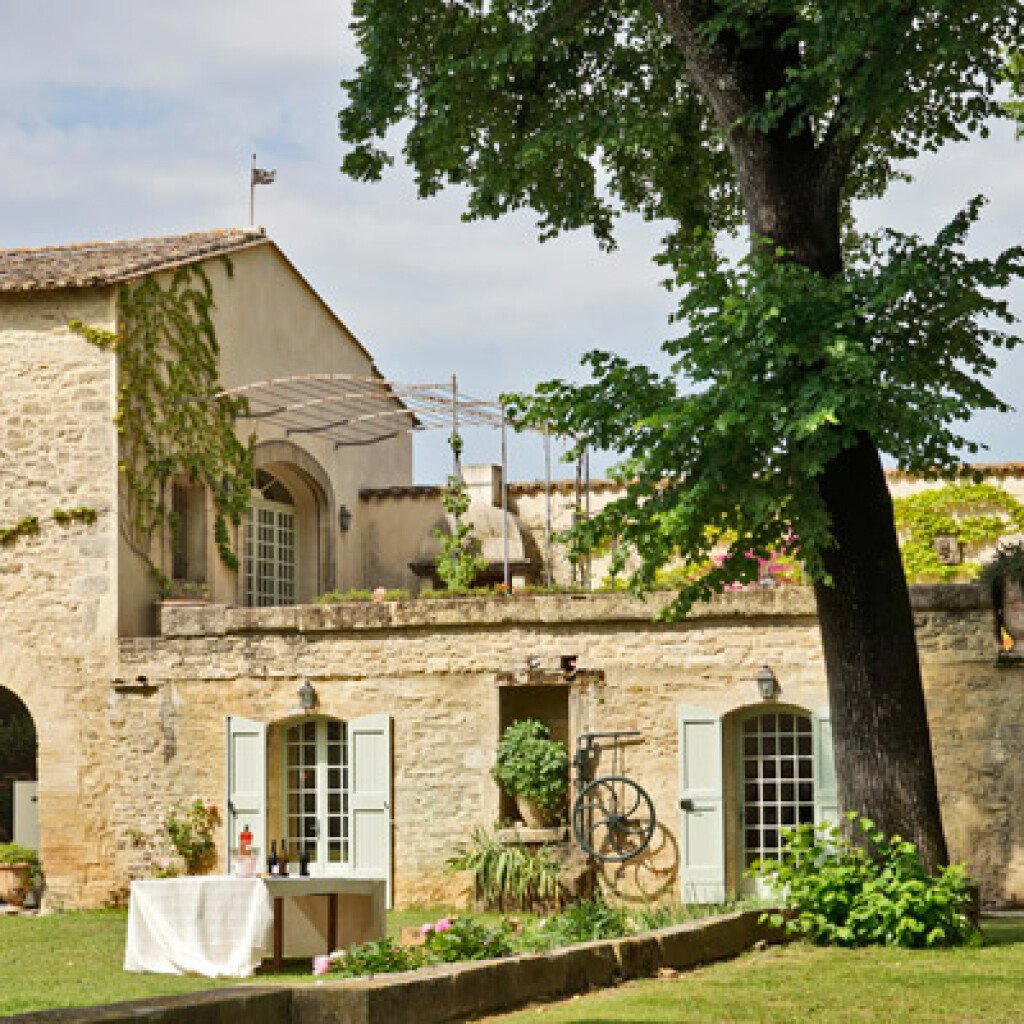
Bars in Montpellier
Browse all →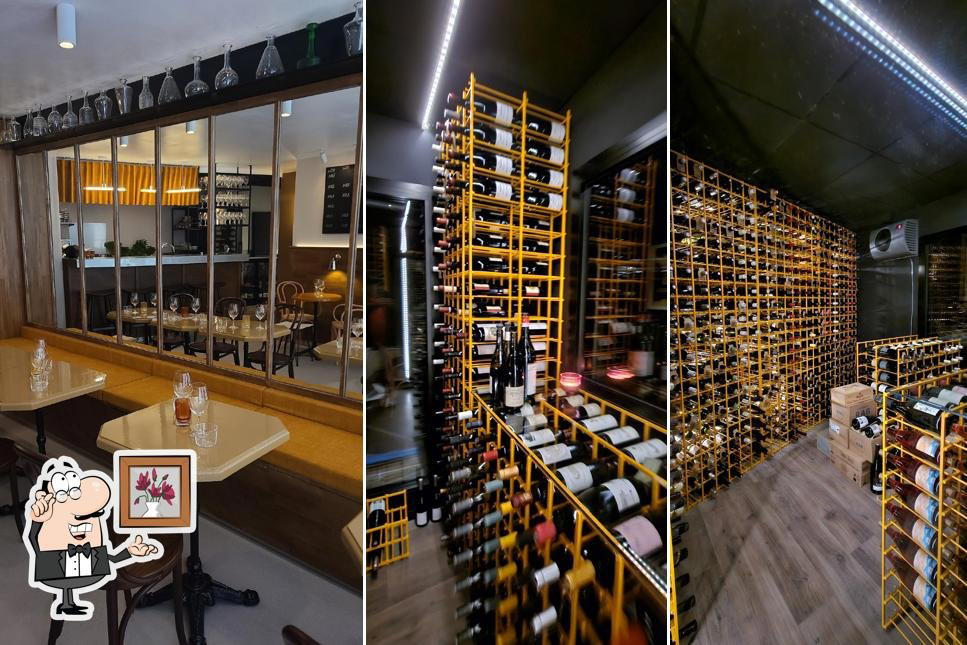
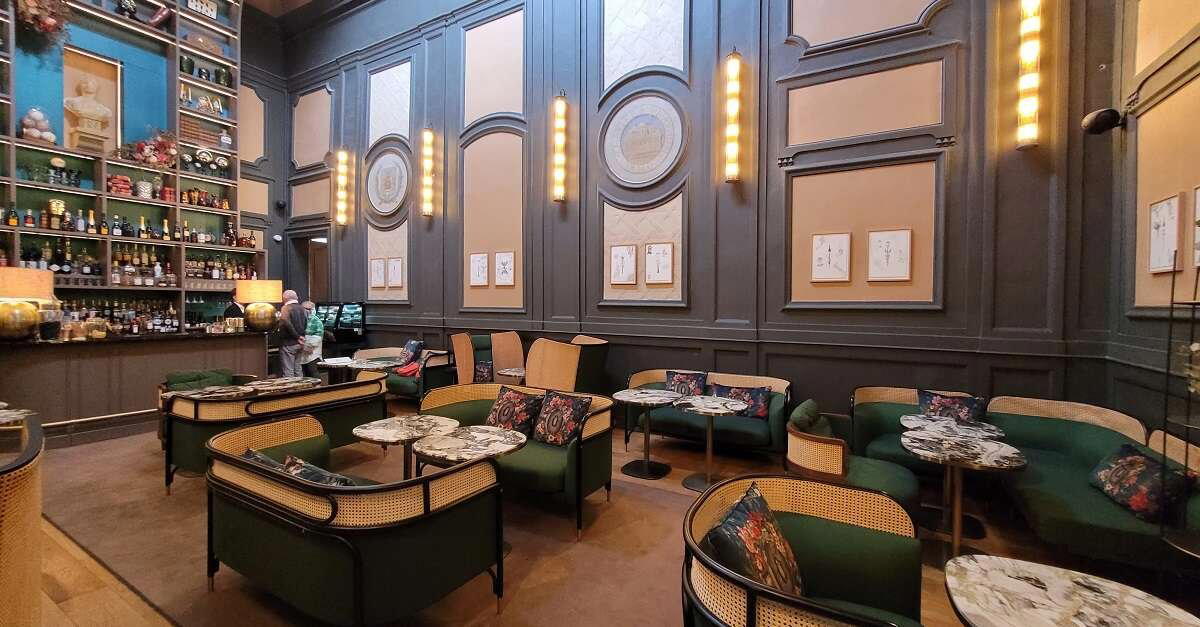
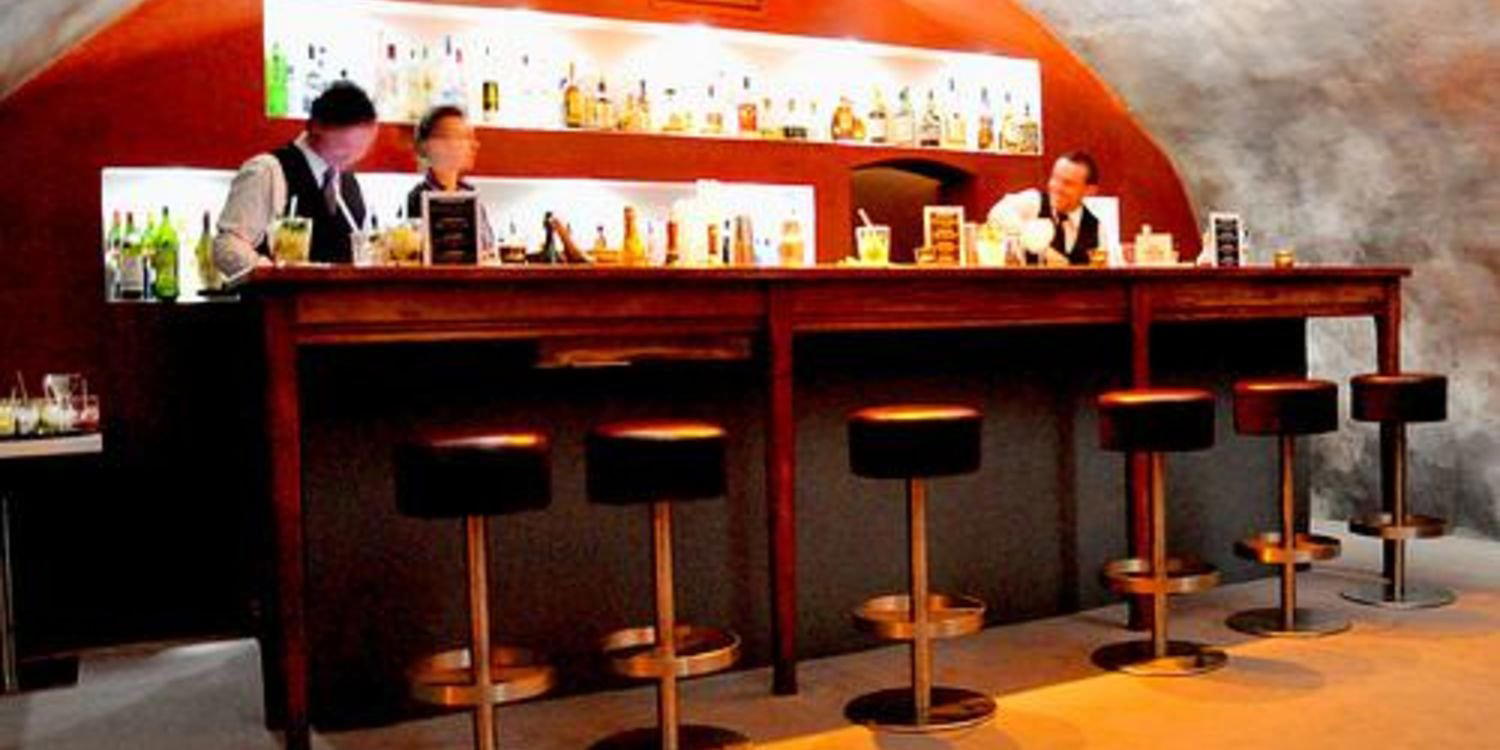
Restaurants in Montpellier
Browse all →

At a Glance
- Quiet
- Rustic
- Wine Education
- Group Outing
- Special Occasion
- Estate Grounds
- Organic
- Souvignier Gris
- Languedoc Grape Varieties
- Still Red
- Still White
- Still Rosé
- Walkaround Tasting
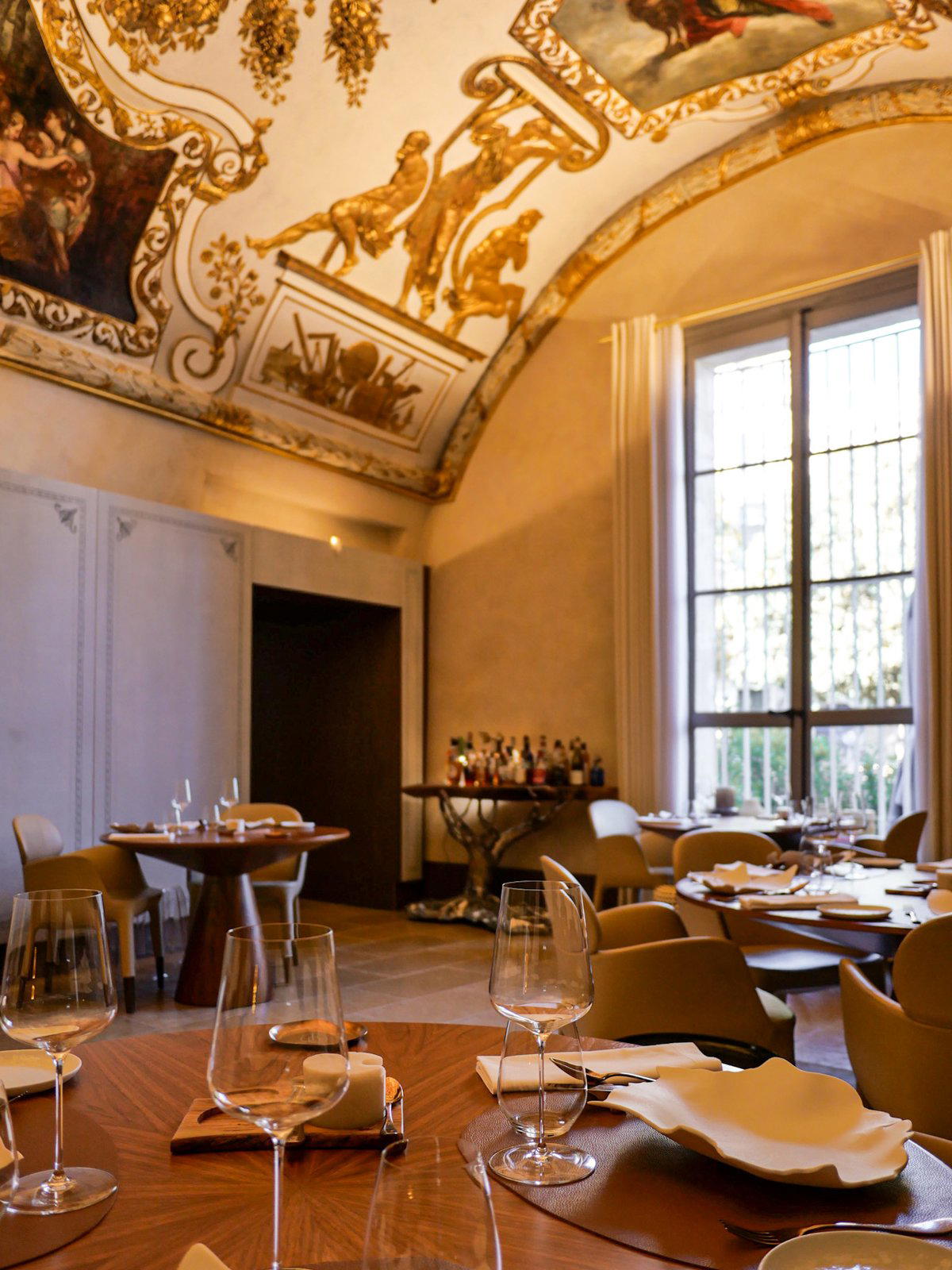
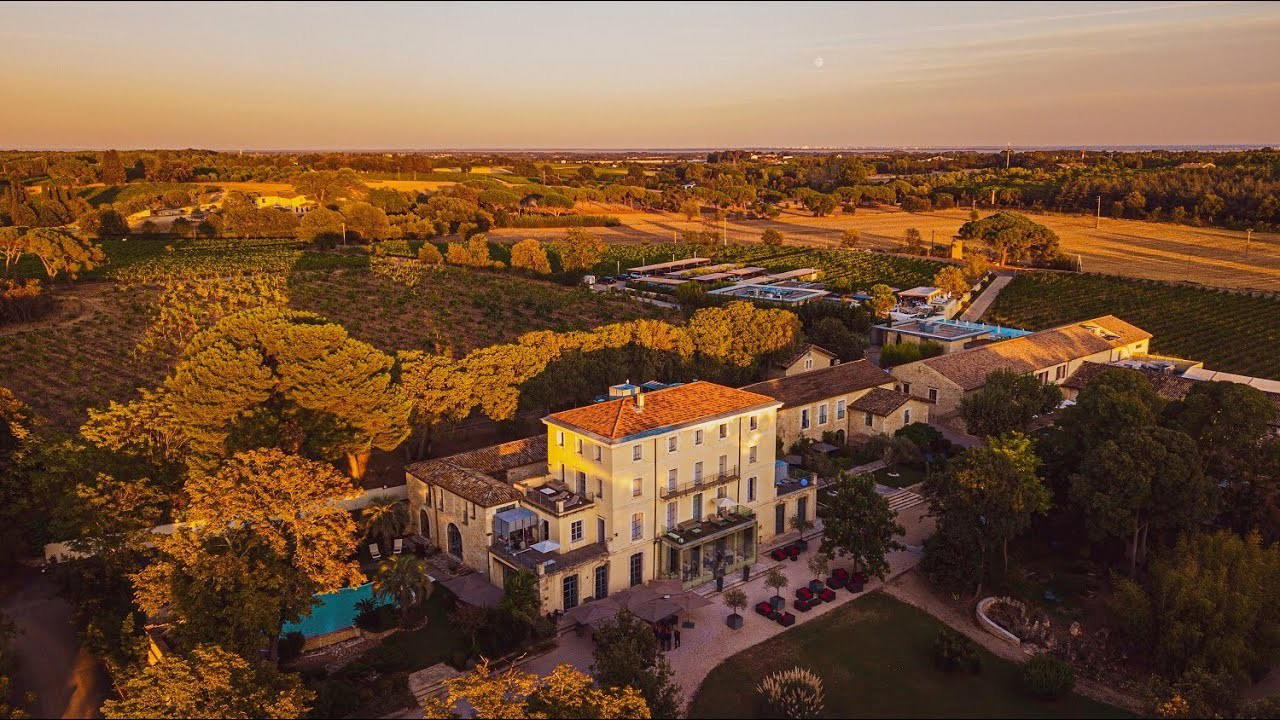
Creative, committed, eco-responsible winery with a holistic approach to viticulture and a focus on biodiversity; positioned as a pleasurable, shared wine experience rather than a formal visitor attraction.