
Falstaff Winery - 3 Stars
Guerrieri Rizzardi gives Bardolino a serious Veneto lens: family continuity since the 1913 union of Valpolicella and Bardolino estates, a solar-powered winery opened in 2011, and a portfolio that reaches from Bardolino and Valpolicella to Soave, Ripasso and Amarone. The appeal is less spectacle than context, with vineyard, cellar and tasting formats built around how the Verona wine zones speak differently under one family house.

Pearl is the En Primeur Club membership app — saves, bookings, and concierge access live there. Same editors, same standards.
- Address
- Bardolino, Veneto, Italien
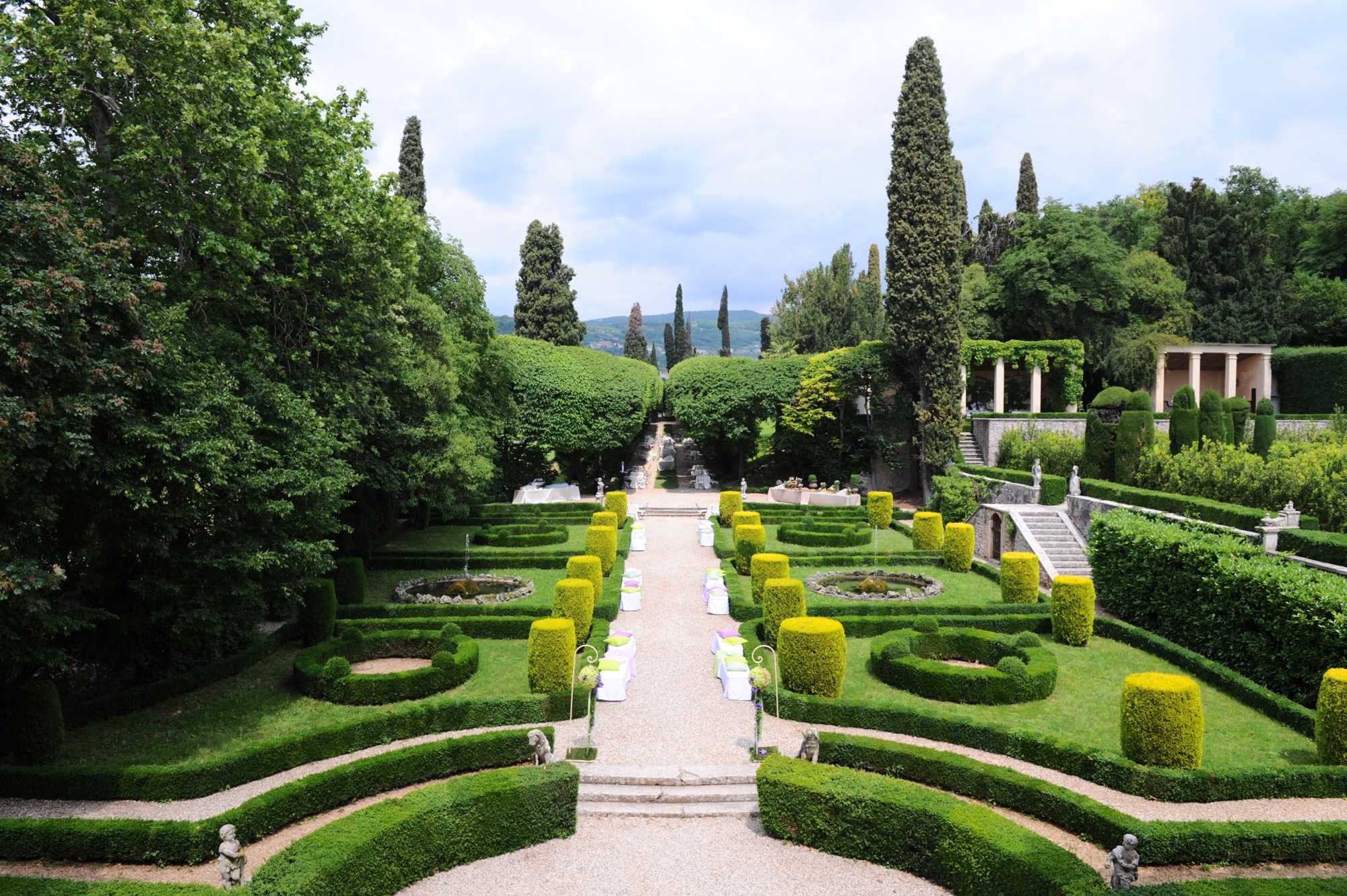
Guerrieri Rizzardi in Bardolino is best understood as a winery visit rather than a conventional restaurant or bar listing. The profile is concise but useful: it is a historic yet modern family winery on the Bardolino hills, with a professional but relaxed tasting atmosphere. For travellers using Bardolino as a Lake Garda wine base, that makes the estate a focused stop for learning how wine is made and tasted on site, rather than simply a place to drop in for an unspecified meal or drinks service.
The strongest confirmed reason to visit is the structure of the experience. Visits highlight the full winemaking process and typically end with guided tastings of estate wines, extra virgin olive oil, and related local products. That gives the visit a clear educational arc: see the production context, understand the winery setting, and then taste what the estate presents.
Veneto in cross-section: Bardolino, Valpolicella, Soave and Amarone under one roof
The page should not overstate the estate’s scope beyond what is known. Guerrieri Rizzardi is confirmed here as a family winery in the Bardolino hills, not as a dining room with a documented cuisine, a restaurant tasting menu, or a published list of specific wines and appellations for every visit. Travellers interested in the wider wine geography of Veneto may naturally use Bardolino as a starting point for learning about the region, but the grounded claim is simpler: the visit is built around the winemaking process and finishes with guided tastings of estate wines.
That narrower description is still meaningful. A winery that frames the visit around production gives guests context before the glass arrives. Instead of treating tasting as a stand-alone pour, the experience is positioned around how the estate works, what visitors can observe, and how the final tasting connects back to the place. For guests who are not specialists, that can make the visit easier to follow; for wine-focused travellers, it creates a practical way to ask more precise questions during the tasting.
The setting also matters. The atmosphere is professional but relaxed, which is a useful distinction for visitors deciding whether the stop will feel formal, technical, casual, or family-oriented. Here, the emphasis is on a working family winery that balances heritage and modern presentation without the page needing to invent infrastructure, sustainability claims, or production statistics.
A tasting format built for learning rather than performance
Guerrieri Rizzardi’s confirmed format is well suited to visitors who want a guided introduction rather than an improvised counter tasting. The typical visit highlights the full winemaking process and ends with guided tastings of estate wines, extra virgin olive oil, and local products. That sequence gives the experience a beginning, middle, and end: first the context, then the explanation, then the tasting.
The professional but relaxed atmosphere is also important for mixed groups. Some guests may arrive with detailed wine questions; others may simply want an accessible Bardolino hills experience. The description supports both without promising unconfirmed services such as a fixed lunch offer, private event format, exact tour duration, language availability, children’s programming, transport service, take-out, delivery, or allergy accommodation.
For planning, the safest editorial guidance is to treat Guerrieri Rizzardi as a winery visit to confirm in advance.
How to place it in a Bardolino itinerary
In a Bardolino itinerary, Guerrieri Rizzardi works well as a dedicated wine stop on the hills rather than as a substitute for a fully documented restaurant meal. Plan it around the tasting experience itself: the family-winery setting, the guided explanation of the winemaking process, and the concluding tasting of estate wines with extra virgin olive oil and local products.
Those details may appear elsewhere, but they are not part of the confirmed data here. The more reliable way to position Guerrieri Rizzardi is as a historic yet modern family winery in Bardolino with a relaxed professional tasting style.
For comparison, keep the focus on Guerrieri Rizzardi itself and on other dining or winery options in Bardolino only in general terms. The value of this stop is not that it competes with a named restaurant or hotel, but that it offers a clear wine-oriented experience in the Bardolino hills. Travellers who want a grounded, low-pressure introduction to a family winery can treat it as a concise and practical anchor for a wine-focused part of the day.
Recognition history
Dated appearances from independent guides and award organizations, with the underlying list record or original source where available.
Falstaff Winery - 3 Stars
Falstaff
Continue exploring
More in Bardolino
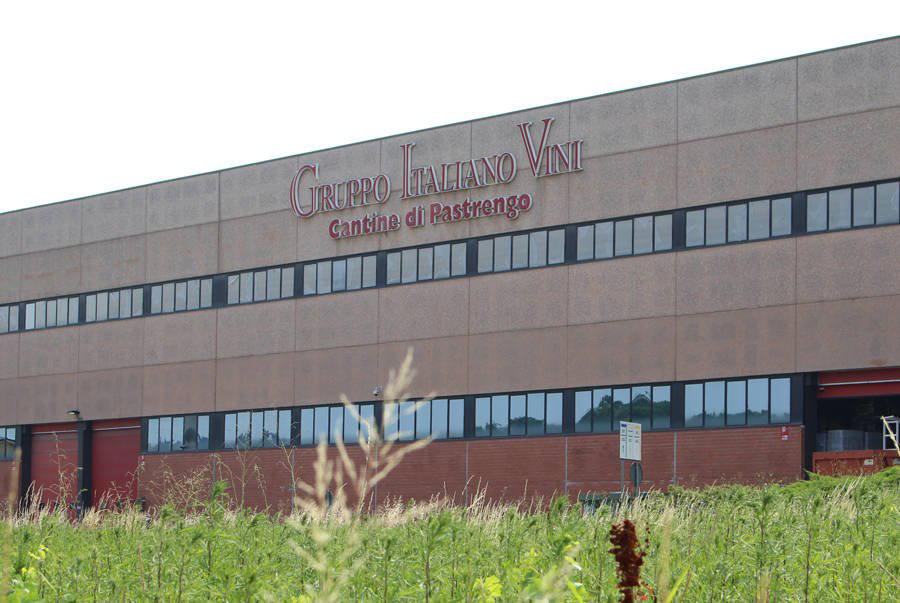
Wineries in Bardolino
Browse all →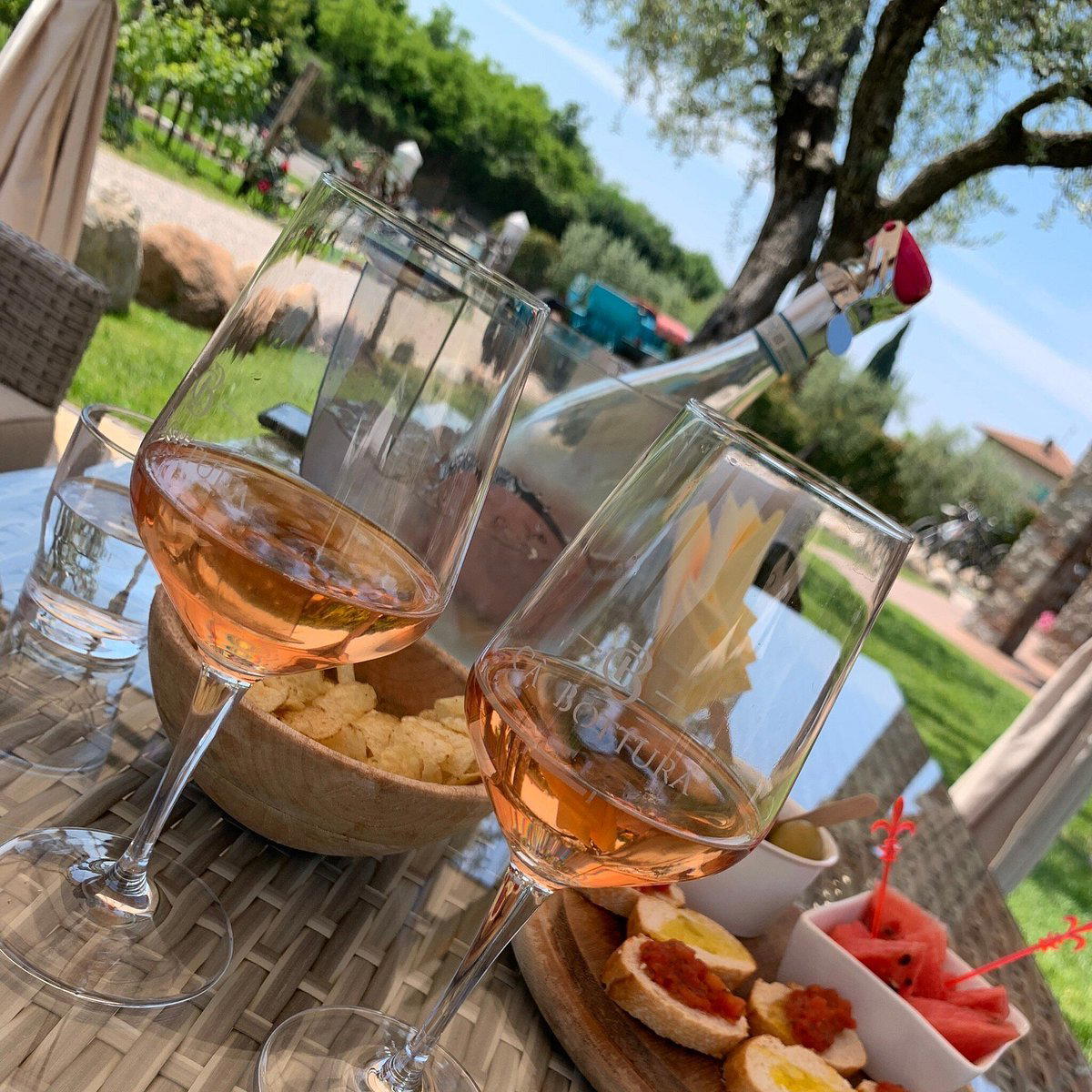

Restaurants in Bardolino
Browse all →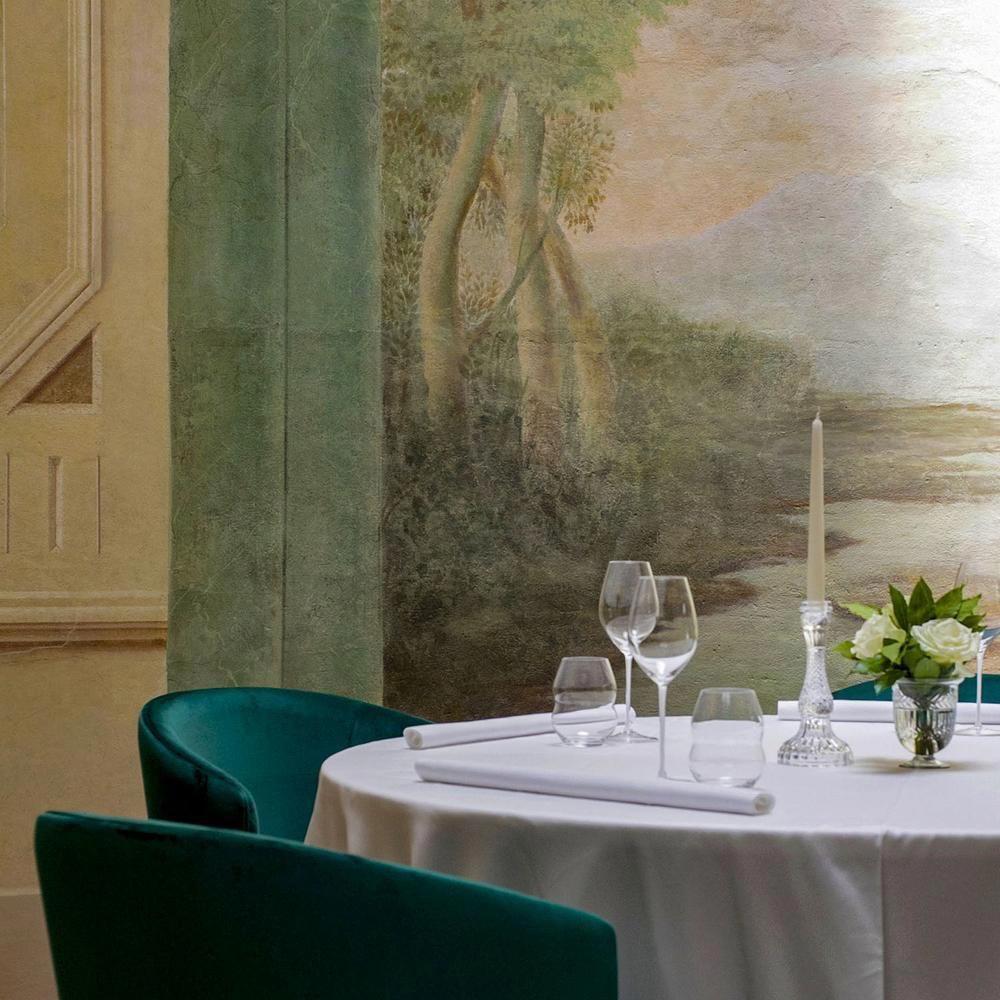
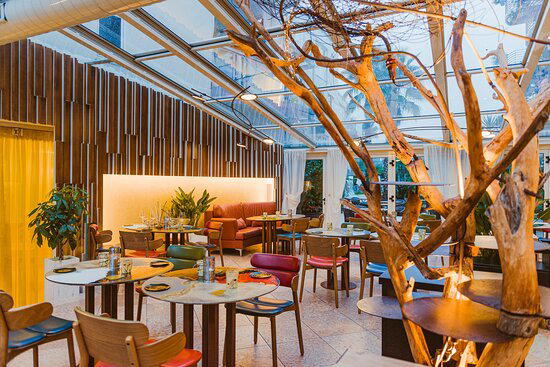
Details
- Classic
- Scenic
- Rustic
- Well Known
- Romantic
- Sophisticated
- Group Outing
- Romantic Getaway
- Family
- Wine Education
- Special Occasion
- Solo Exploration
- Vineyard Tour
- Estate Grounds
- Historic Building
- Private Tasting
- Sustainable
- Vineyard
- Italian
- English
- German
Historic yet modern family winery on the Bardolino hills with a professional but relaxed tasting atmosphere; visits highlight the full winemaking process and typically end with guided tastings of estate wines, extra virgin olive oil, and local products, creating an educational but welcoming environment.