Generazione Alessandro

Generazione Alessandro is a small Etna estate in Linguaglossa shaped around Carricante, Catarratto, terraced bush vines, and a restored 19th-century winery. Its appeal is the link between volcanic slope and glass: guided vineyard walks, set tastings, and a white-wine profile backed by repeated 90-plus scores from Vinous, Wine Advocate, Falstaff, James Suckling, and Wine Enthusiast.
Pearl is the En Primeur Club membership app — saves, bookings, and concierge access live there. Same editors, same standards.
- Address
- Linguaglossa, Sicily, Italien
- Directions
- Get directions
 Saves & bookings on Pearl
On Etna’s northeastern slope, wine tourism works when the mountain is not treated as scenery but as the organizing force. The better visits in Linguaglossa begin with the logic of the land: dry-stone terraces, bush vines, a cellar built for mountain agriculture, and wines that make sense only when the volcanic setting is part of the conversation. Generazione Alessandro fits that format, using a restored 19th-century winery and vineyard-led tastings to connect Etna DOC identity with a small-estate hospitality model.
Etna whites take the lead, with Carricante doing the serious work
Etna’s modern reputation often pulls attention toward Nerello-based reds, but the white wines can be the sharper lens for the volcano’s character. Carricante, particularly on the eastern and northeastern slopes, is prized for acidity, saline drive, and a mineral register that suits steel-raised, lees-aged winemaking. Here, the clearest technical marker is Trainara Etna Bianco, built from 90% Carricante and 10% Catarratto, fermented in steel for about 20 days at 15°C, then aged for 10 months in steel on fine lees before further temperature-controlled holding.
That cellar protocol matters because it keeps the emphasis away from oak weight and toward line, texture, and mountain freshness. The published profile for Trainara points to a pale straw color, herbal citrus aromatics including lemongrass, thyme, sage, and catmint, flint-like mineral notes, a savory opening, lively freshness, and a pink-grapefruit finish. Those are not ornamental details; they describe the contemporary Etna Bianco grammar, where aromatic lift and volcanic tension carry more authority than richness.
Recognition has followed that style across several vintages. Trainara Etna Bianco has received 90 from Vinous for 2023 and 2022, 90 from James Suckling for 2021, 93 from Wine Advocate, 93 from Falstaff, and 91 from Vinous for 2020, plus 93 from Wine Advocate and 92 from Wine Enthusiast for 2019. For a small Etna estate, that run of scores is a meaningful trade signal: the wine is not only narratively tied to place, it has been repeatedly assessed by international critics at a serious level.
A restored winery turns the vineyard walk into the main argument
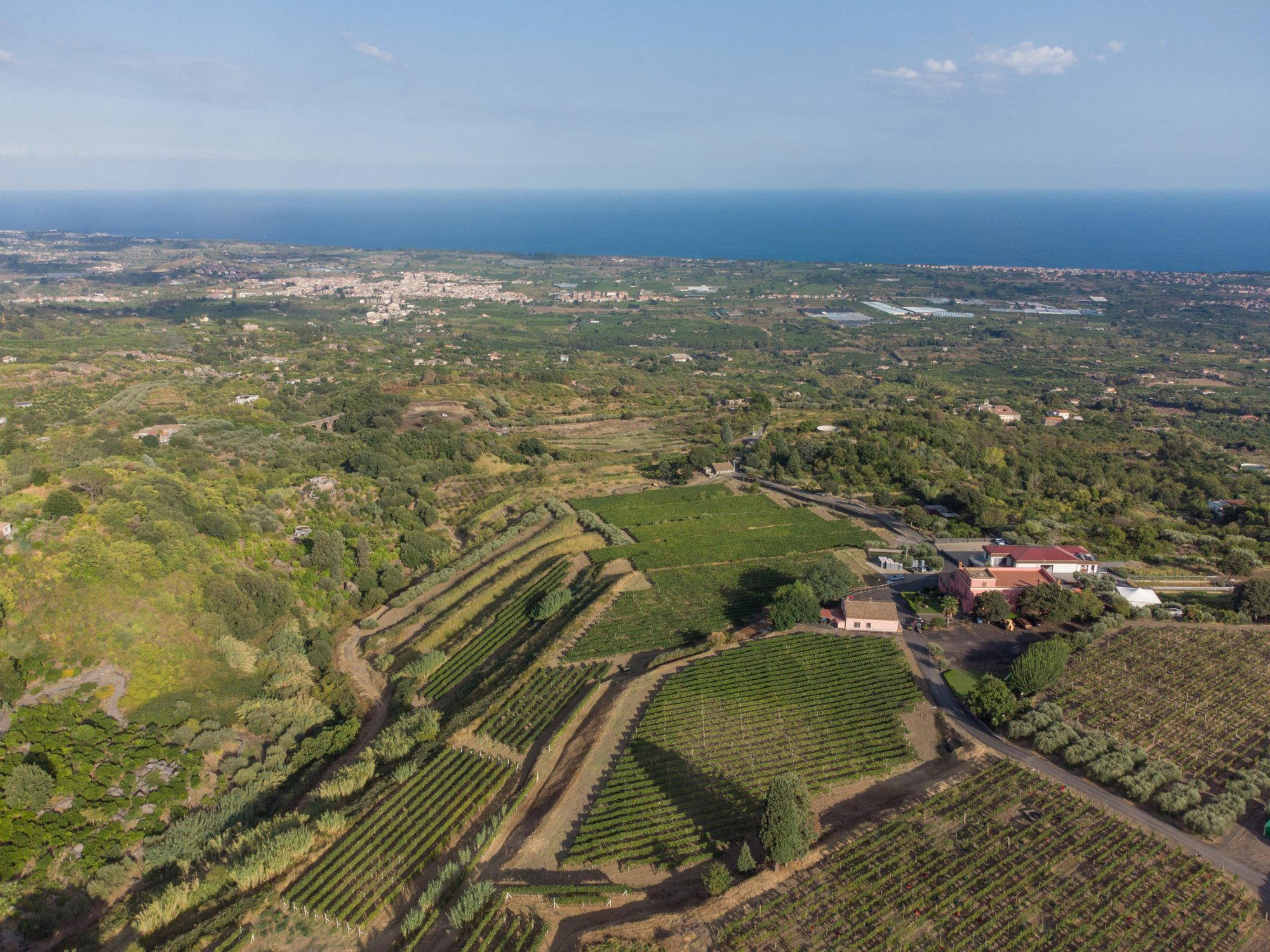
The stronger Etna visits avoid reducing a tasting to pours at a counter. The land is too particular for that. Generazione Alessandro’s format begins in the vineyard, among bush vines on dry-stone wall terraces with the volcano in view, before moving into a tasting structure. That sequence is not incidental. Terracing explains labor. Bush vines explain farming choices. The mountain explains why Carricante from this side of Sicily can feel taut, herbal, and saline rather than broadly Mediterranean.
The estate extends across about ten hectares of vineyards in the Etna area, with holdings associated with Linguaglossa and Castiglione di Sicilia. That scale places the project closer to focused estate agriculture than high-volume cellar-door tourism. Manual harvesting is specified for Trainara, and the vineyard setting reinforces why hand work remains central on this terrain. On steep, terraced volcanic slopes, mechanization is not the default assumption; the physical structure of the place shapes both farming and hospitality.
Family context adds weight without needing to become the whole story. The Alessandro line is a fourth-generation Sicilian wine family, and this Etna project is led by cousins Benedetto, Anna, and Benedetto Alessandro after a family history tied to winemaking since the early 1900s. The point is not biography for its own sake. In a region crowded with new Etna labels, multigenerational farming and hospitality experience gives the visit a more grounded frame, especially when paired with the adaptive reuse of a 19th-century winery.
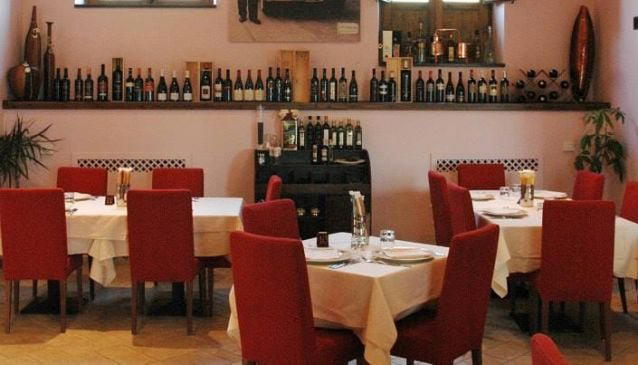
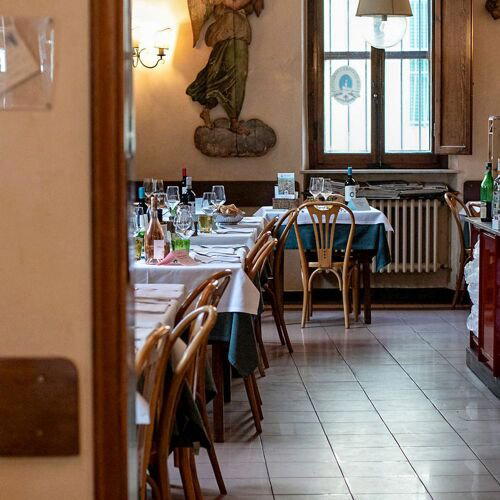
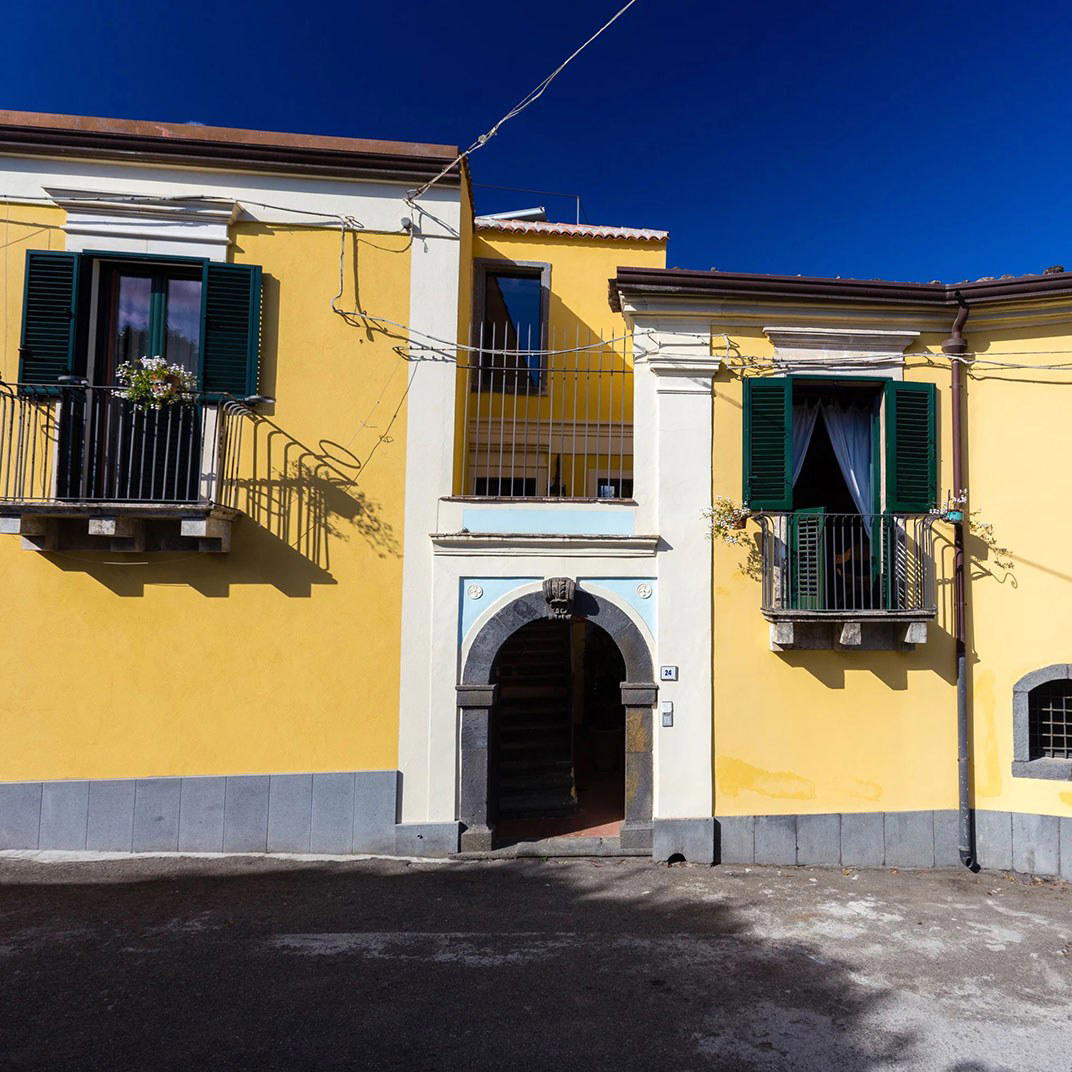
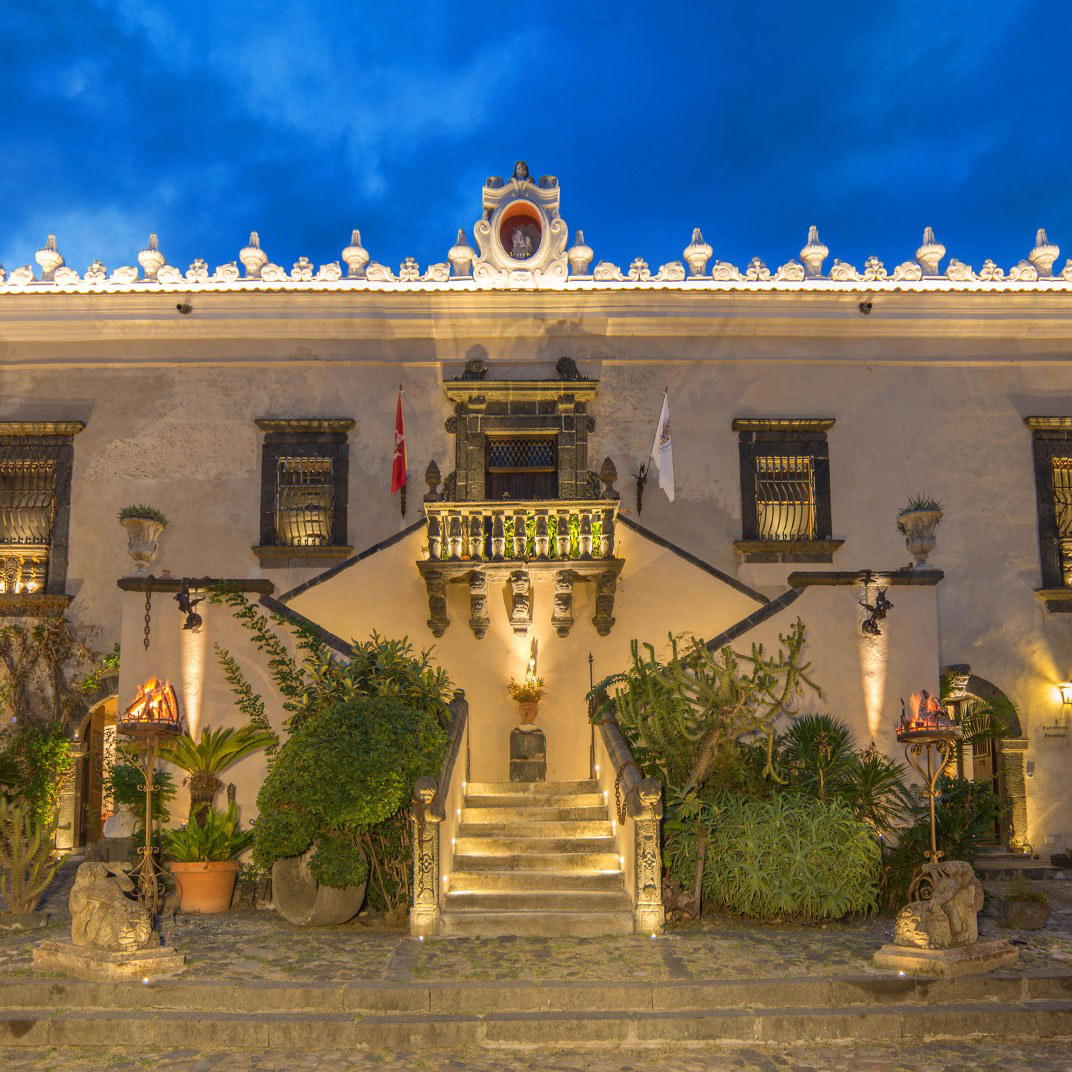
Restored building gives the experience a classic, rustic register rather than a glossy resort tone. The useful distinction is between a winery designed for spectacle and one designed to make landscape legible. This is the latter: an intimate setting, conversational pace, and a tasting-room format that supports education rather than performance. The house style sits comfortably with visitors who want vineyard context, Etna DOC detail, and a calm tasting rather than a high-energy social room.
How to place it within a Linguaglossa wine itinerary
Linguaglossa rewards travelers who treat wineries as part of a wider Etna day rather than isolated stops. The town sits in a strong position for exploring the volcano’s northeastern wine culture, and Generazione Alessandro is especially relevant for visitors interested in white-wine structure, family estates, and historic cellar architecture. It is less suited to anyone looking for a restaurant-led winery lunch, since the documented format centers on guided tastings and vineyard interpretation rather than a full dining program.
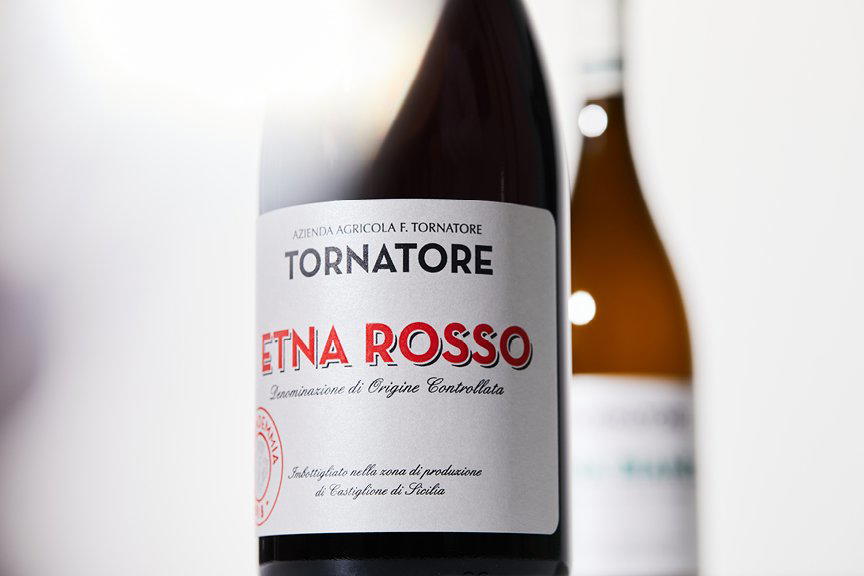
For nearby wine planning, EP Club’s local winery coverage includes Ammura, Neri, and Vivera, along with Our full Linguaglossa wineries guide. Build the rest of the stay through Our full Linguaglossa restaurants guide, Our full Linguaglossa hotels guide, Our full Linguaglossa bars guide, and Our full Linguaglossa experiences guide. For a broader Italian and European wine map, continue with 3GP SRL in Treviso, 47 Anno Domini in Trebaseleghe, A Mano Wine in Noci, a6mani in Fragagnano, Abbadia Ardenga in Torrenieri, »der Steiner« Hans Steiner in Podersdorf am See, and & Handwein in Mannheim.
The editorial case is clear: choose Generazione Alessandro when the aim is to understand Etna through a focused estate visit rather than through a generic tasting-room stop. The combination of Carricante-led production, terraced vineyard context, a renovated 19th-century cellar, and repeated critic recognition gives the experience enough substance for serious wine travelers while remaining accessible to guests who simply want the volcano explained through the glass.
Recognition history
Dated appearances from independent guides and award organizations, with the underlying list record or original source where available.
Falstaff Winery - Listed
Falstaff
Continue exploring
More in Linguaglossa
Wineries in Linguaglossa
Browse all →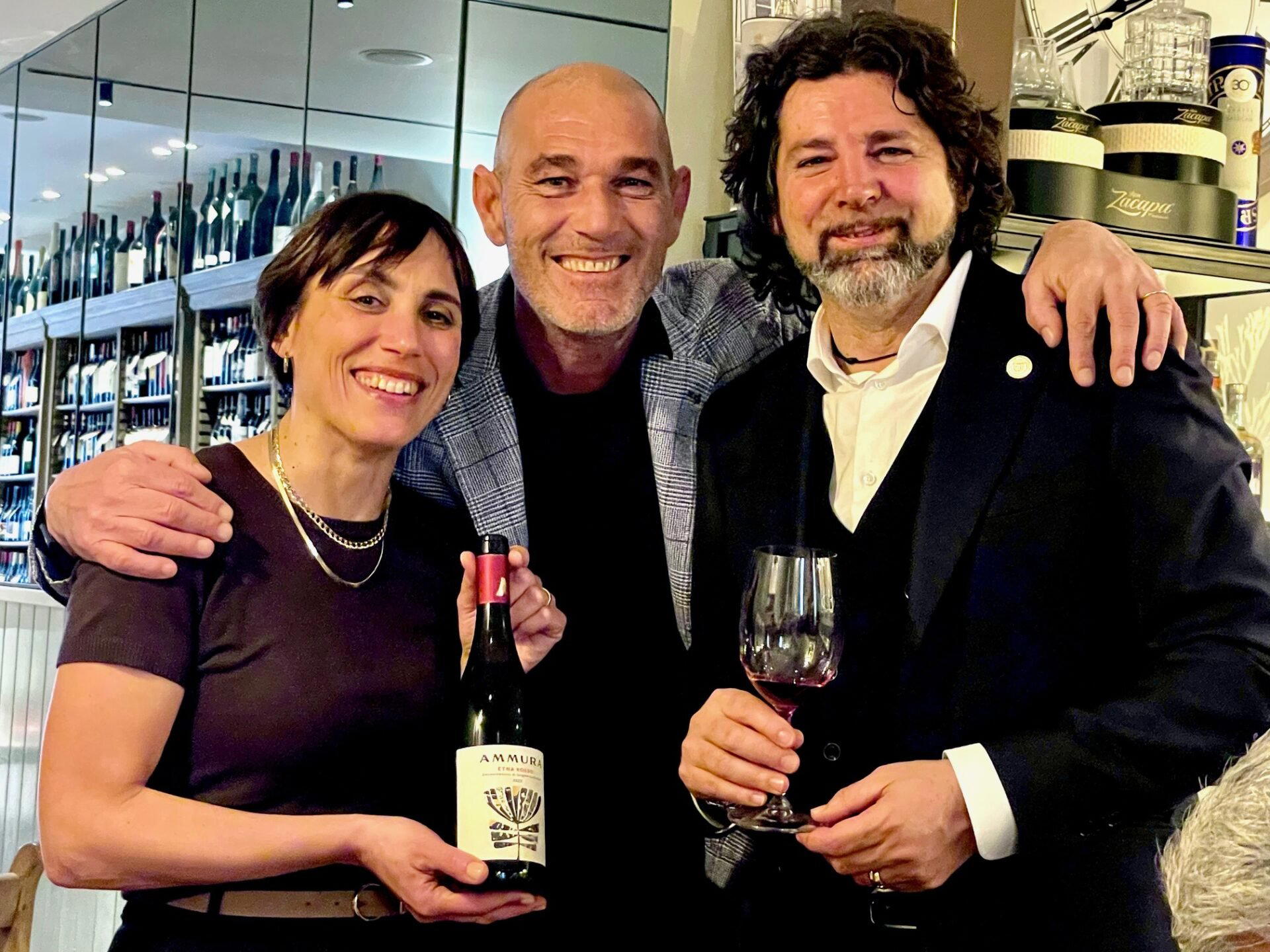
Bars in Linguaglossa
Browse all →
Restaurants in Linguaglossa
Browse all →
At a Glance
- Scenic
- Romantic
- Rustic
- Classic
- Intimate
- Romantic Getaway
- Group Outing
- Wine Education
- Special Occasion
- Corporate Event
- Solo Exploration
- Vineyard Tour
- Historic Building
- Private Tasting
- Panoramic View
- Estate Grounds
- Vineyard
- Mountain
- Etna DOC
- Carricante
- Catarratto
- Still White
- Still Red
- Guided Tasting
- Vineyard Walk + Tasting
- Set Flight
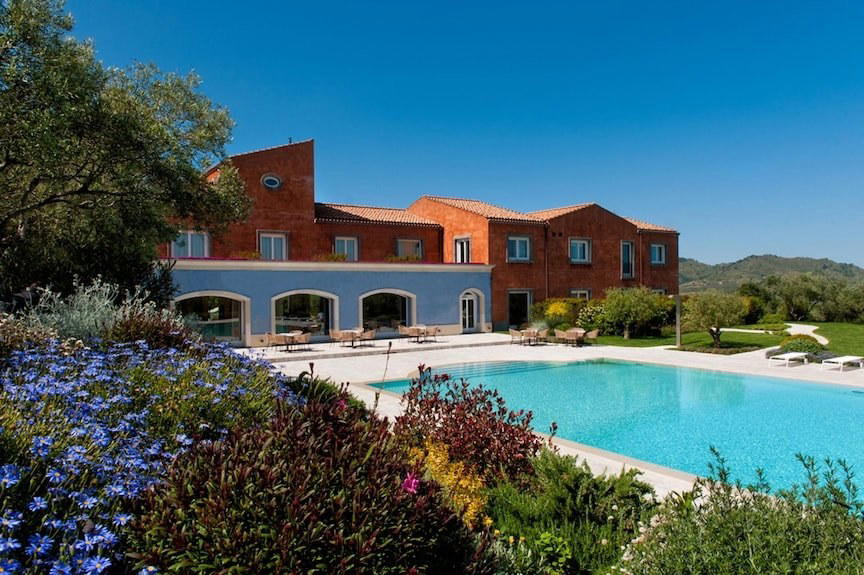
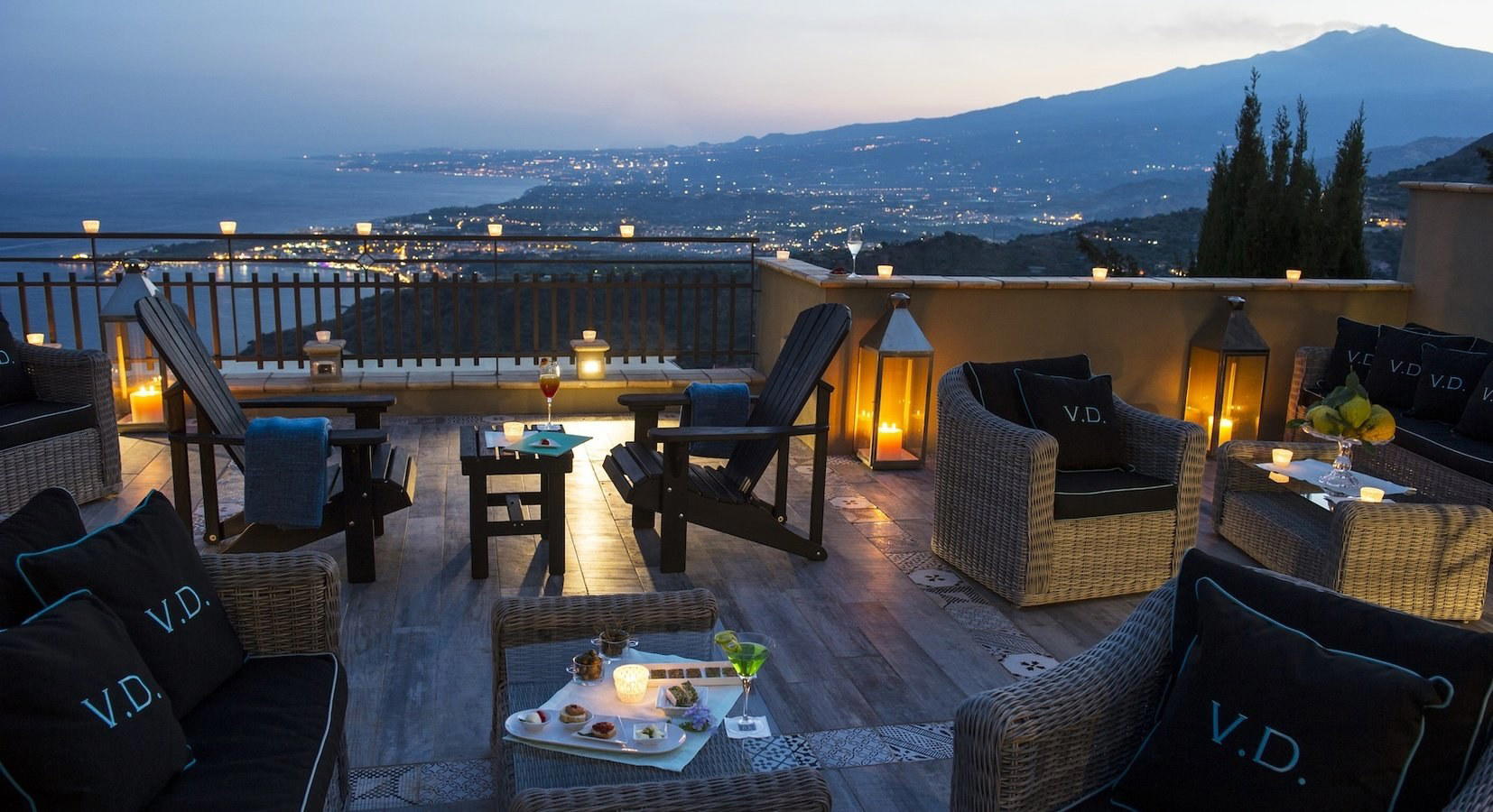
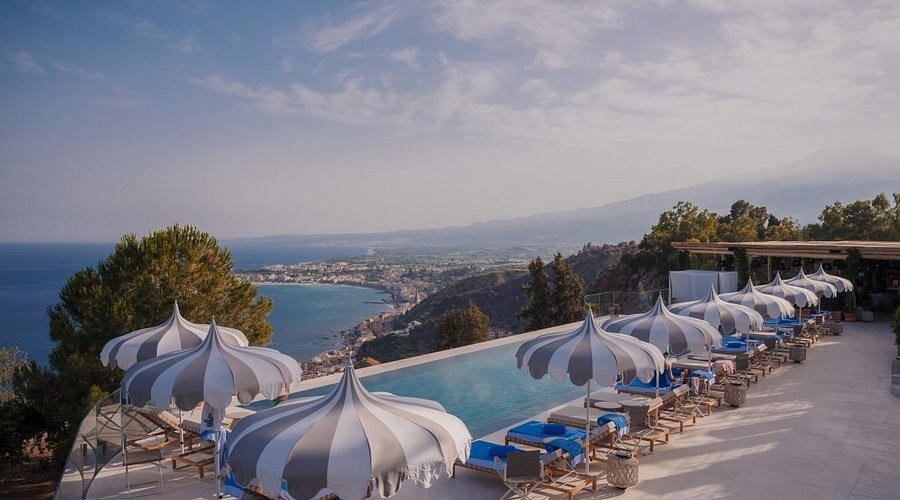
Restored 19th-century Etna winery with a classic, rustic feel and scenic vineyard views, offering an intimate yet welcoming atmosphere focused on thoughtful tours and tastings.
Know Before You Go
- Reservations
- Appointment only
- Dress code
- Casual
- Getting there
- Linguaglossa, Sicily, Italien