
Falstaff Winery - Listed
Cantine Colosi is a Sicilian winery rooted in Salina’s volcanic viticulture, with family production dating to 1987 and bottling near Messina. The interest here is terroir rather than polish: terraced island vineyards, native grapes such as Malvasia delle Lipari, Nero d’Avola and Grillo, and a portfolio that reads as a practical lesson in Aeolian wine culture.

Pearl is the En Primeur Club membership app — saves, bookings, and concierge access live there. Same editors, same standards.
- Address
- Messina, Italien
- Directions
- Get directions
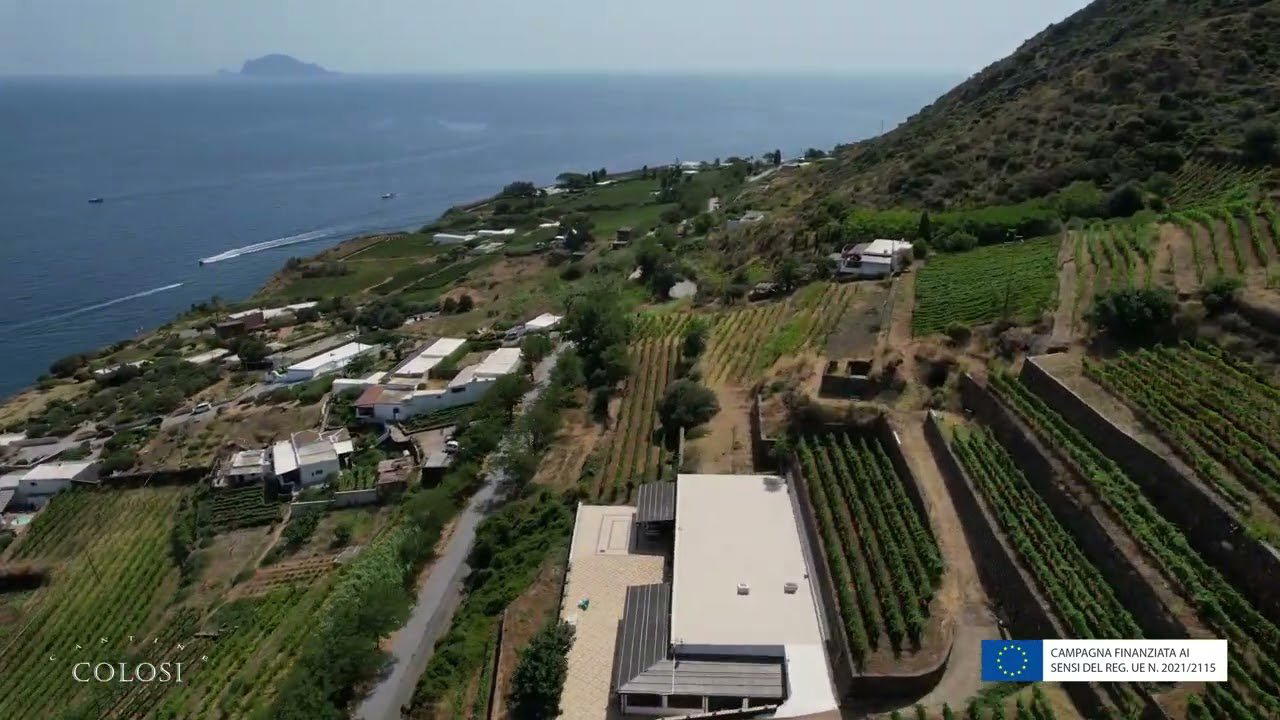
Cantine Colosi is best understood as a Sicilian winery entry for Messina rather than as a restaurant or bar listing. The picture is concise: a family-run producer with a traditional, rustic feel, tied to volcanic island vineyards on Salina and supported by a more practical bottling side near Messina. That split gives the place its character. The guest-facing story is not built around luxury staging or a dining format; it is built around authenticity, organic vineyards and a clear connection between island agriculture and Sicilian wine identity.
The listing supports a $$ price level and a rustic, family-run winery profile. It does not verify a restaurant menu, chef, seat count, tasting schedule, walk-in policy, lunch service, delivery, dietary accommodation, exact opening hours or award history. For travellers, that means the useful hook is simple: Cantine Colosi represents a Messina-linked Sicilian winery with Salina vineyard roots and an emphasis on organic, place-led production.
Volcanic Salina, organic vineyards and a Sicilian argument in the glass
Salina is central to how Cantine Colosi is presented. The facts point to volcanic island vineyards rather than to an urban tasting-room concept. That matters because the winery’s identity is connected to place: island terrain, Sicilian tradition and a family-run approach. The page should not overstate grape varieties, individual bottles, vineyard measurements or technical production details, but it can safely say that the Colosi story is framed around Salina’s volcanic vineyard setting and organic cultivation.
The traditional, rustic feel is also part of the confirmed profile. This is not a listing that should be dressed up as a design-led wine resort, a fine-dining destination or a structured restaurant experience. Its appeal is quieter and more agricultural: a Sicilian producer whose public identity rests on authenticity, family continuity and vineyard origin. That makes it especially relevant for readers who want wine context in Messina without assuming that every winery visit includes a meal, a formal tasting menu or a luxury hospitality program.
The $$ price marker gives a broad expectation, but it should not be treated as a promise of specific tasting fees, bottle prices or package costs. Use the price level as a general guide only, and confirm any practical plans directly before making a trip. The strongest takeaway is not a number; it is the combination of family-run Sicilian production, Salina vineyards and a practical Messina connection.
A rustic winery profile rather than a restaurant-style venue
Cantine Colosi’s confirmed identity is winery-first. For that reason, the venue should be positioned carefully: it may interest wine-focused travellers, but it should not be described as a dining room or as a place to plan a full meal unless directly confirmed elsewhere by the venue.
The rustic language is useful because it sets expectations without inventing amenities. A family-run Sicilian winery with a traditional feel suggests a grounded, agricultural atmosphere rather than a polished hospitality complex. The link to Salina adds the island dimension; the bottling side near Messina adds the practical production dimension. Together, those facts create a compact but credible profile: Cantine Colosi sits at the intersection of vineyard origin and working winery infrastructure.
That restraint is important for a premium guide. It is tempting to fill a winery page with grape lists, vineyard elevations, founding dates, critics’ scores, named winemakers and detailed tour formats. Leaving them out makes the page more useful, not less, because readers can separate confirmed identity from assumptions. What remains is still meaningful: a Messina-linked, family-run Sicilian winery associated with Salina’s volcanic vineyards and organic farming language.
How to place it within a Messina itinerary
For a Messina itinerary, Cantine Colosi works as a wine-oriented counterpoint to other city plans. It is not necessary to frame it against named restaurants, bars or hotels. The better comparison is generic: if the rest of the trip is built around dining, coastal movement or city sightseeing, this listing adds a Sicilian wine angle with an island-vineyard story. That is the reason to keep it on a shortlist.
Before going, check directly with Cantine Colosi for current access, timing and any available hospitality options. The page can confidently say that the venue is in Messina and that its identity combines Salina vineyards, a practical bottling operation near Messina, a family-run Sicilian character, rustic traditional atmosphere, organic vineyards and a $$ price level. Beyond that, specifics should come from current venue confirmation.
Recognition history
Dated appearances from independent guides and award organizations, with the underlying list record or original source where available.
Falstaff Winery - Listed
Falstaff
Continue exploring
More in Messina
Wineries in Messina
Browse all →

Bars in Messina
Browse all →
Restaurants in Messina
Browse all →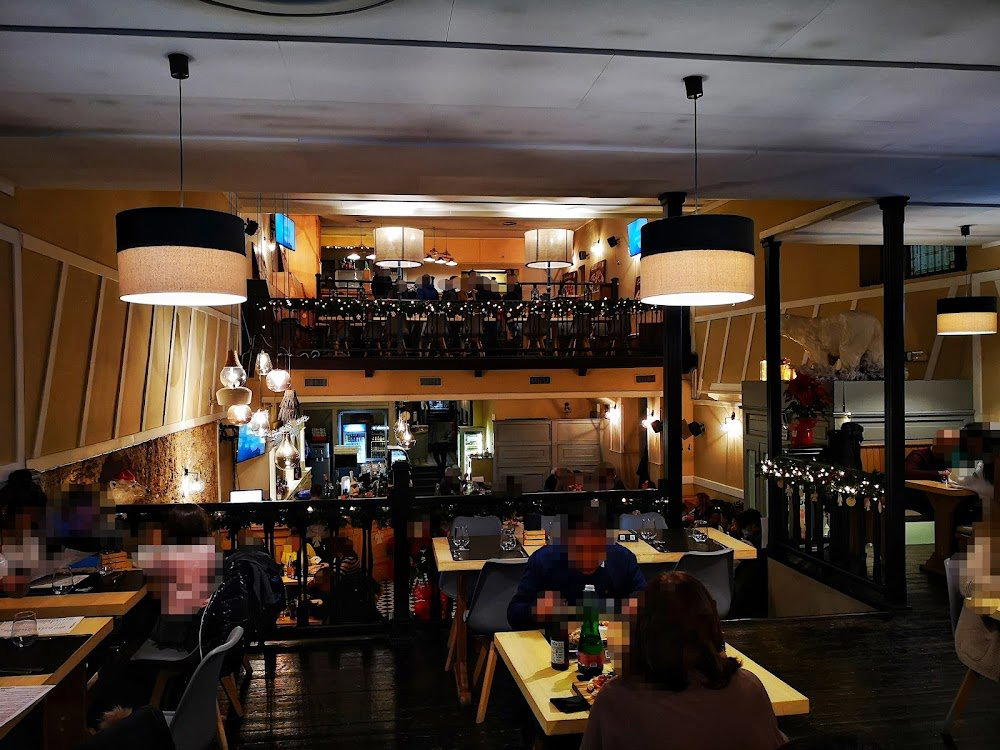
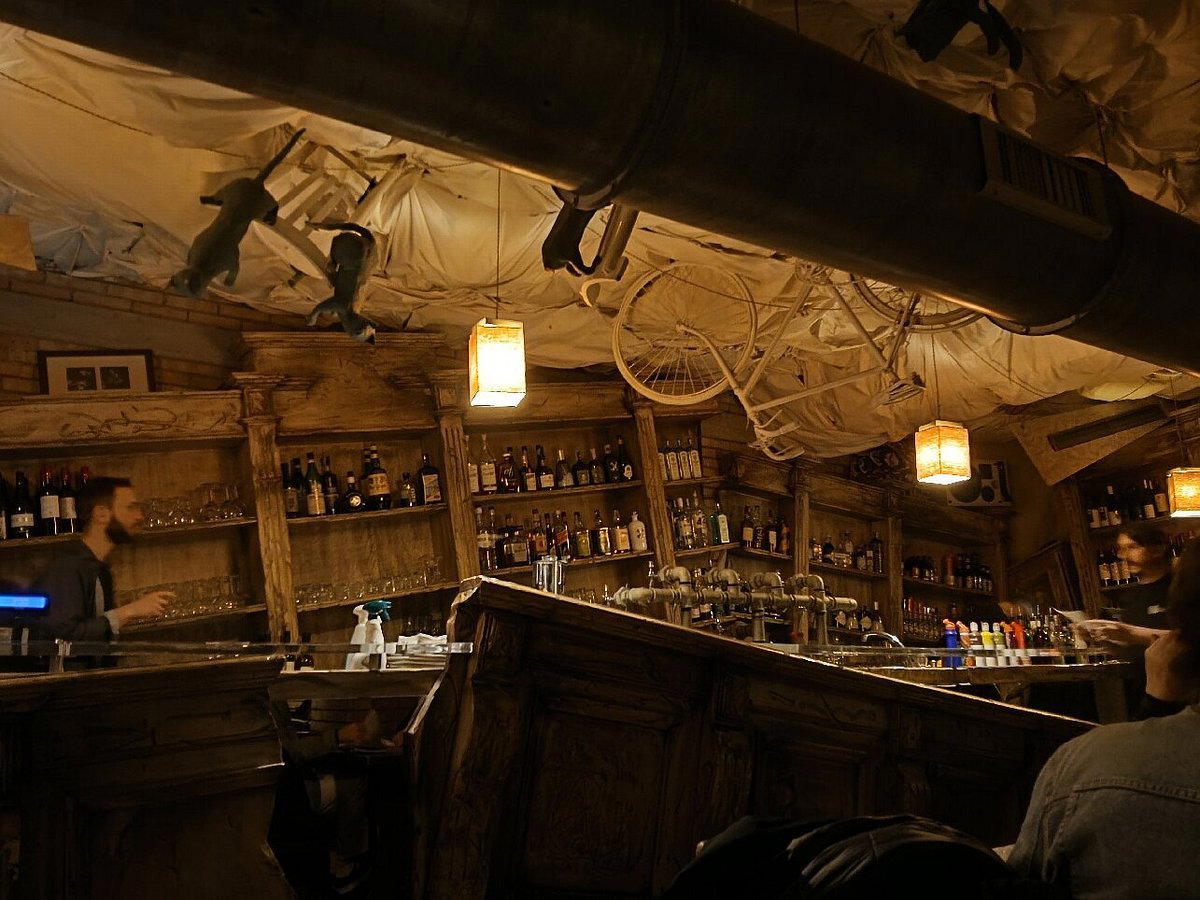
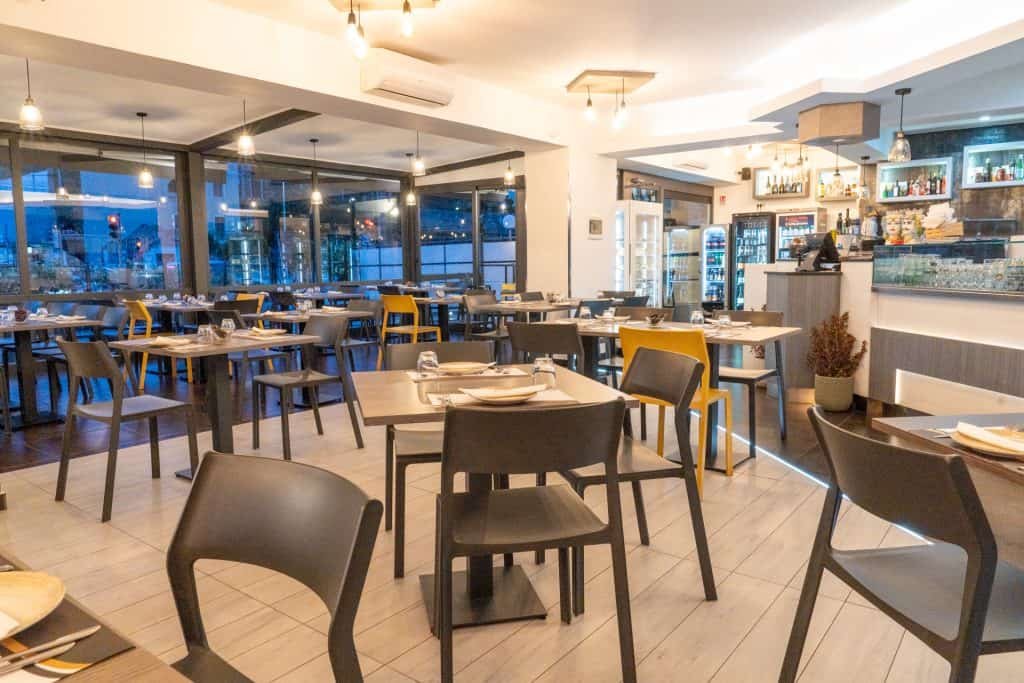
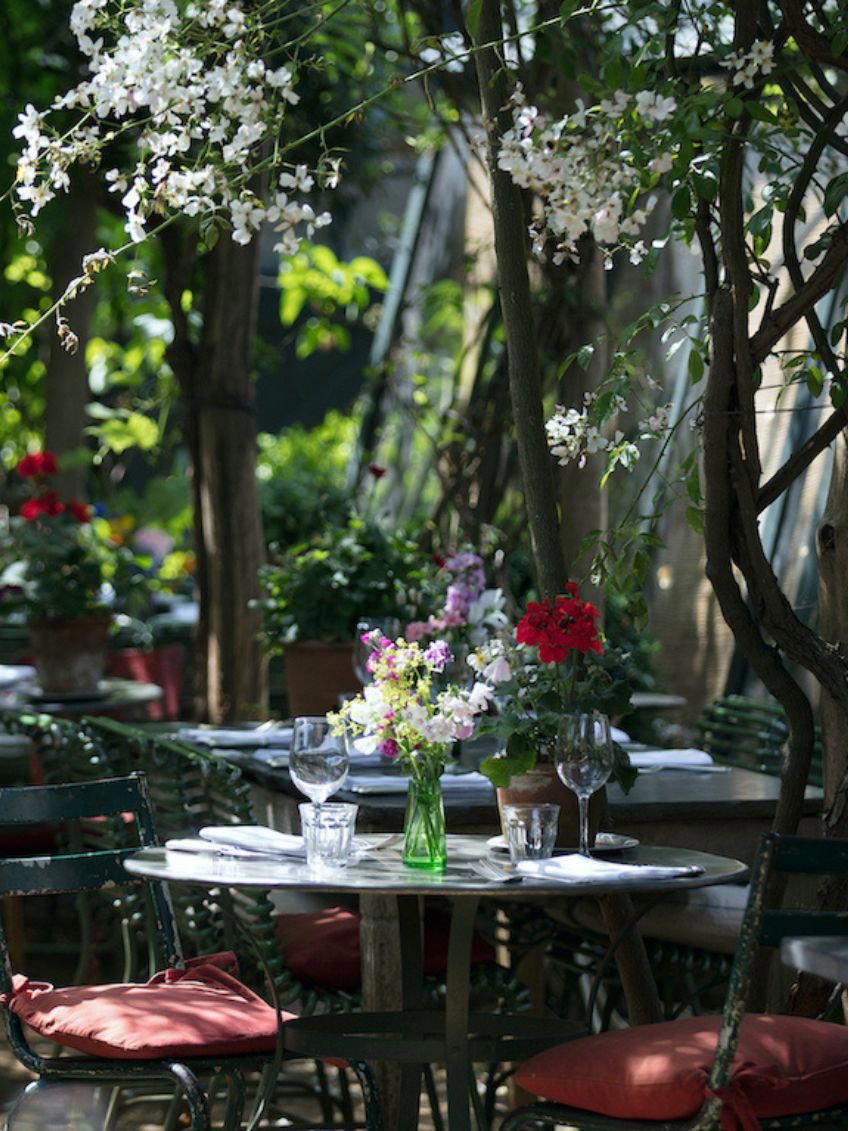
Details
- Rustic
- Scenic
- Classic
- Intimate
- Romantic Getaway
- Group Outing
- Solo Exploration
- Wine Education
- Special Occasion
- Vineyard Tour
- Estate Grounds
- Panoramic View
- Historic Building
- Organic
- Sustainable
- Vineyard
- Waterfront
- Mountain
- Nero D’avola
- Nerello Mascalese
- Malvasia Delle Lipari
- Corinto Nero
- Grillo
- Still Red
- Still White
- Still Rosé
- Dessert
- Fortified
- Vineyard Tasting
- Cellar Tasting
- Guided Tasting
- Italian
- English
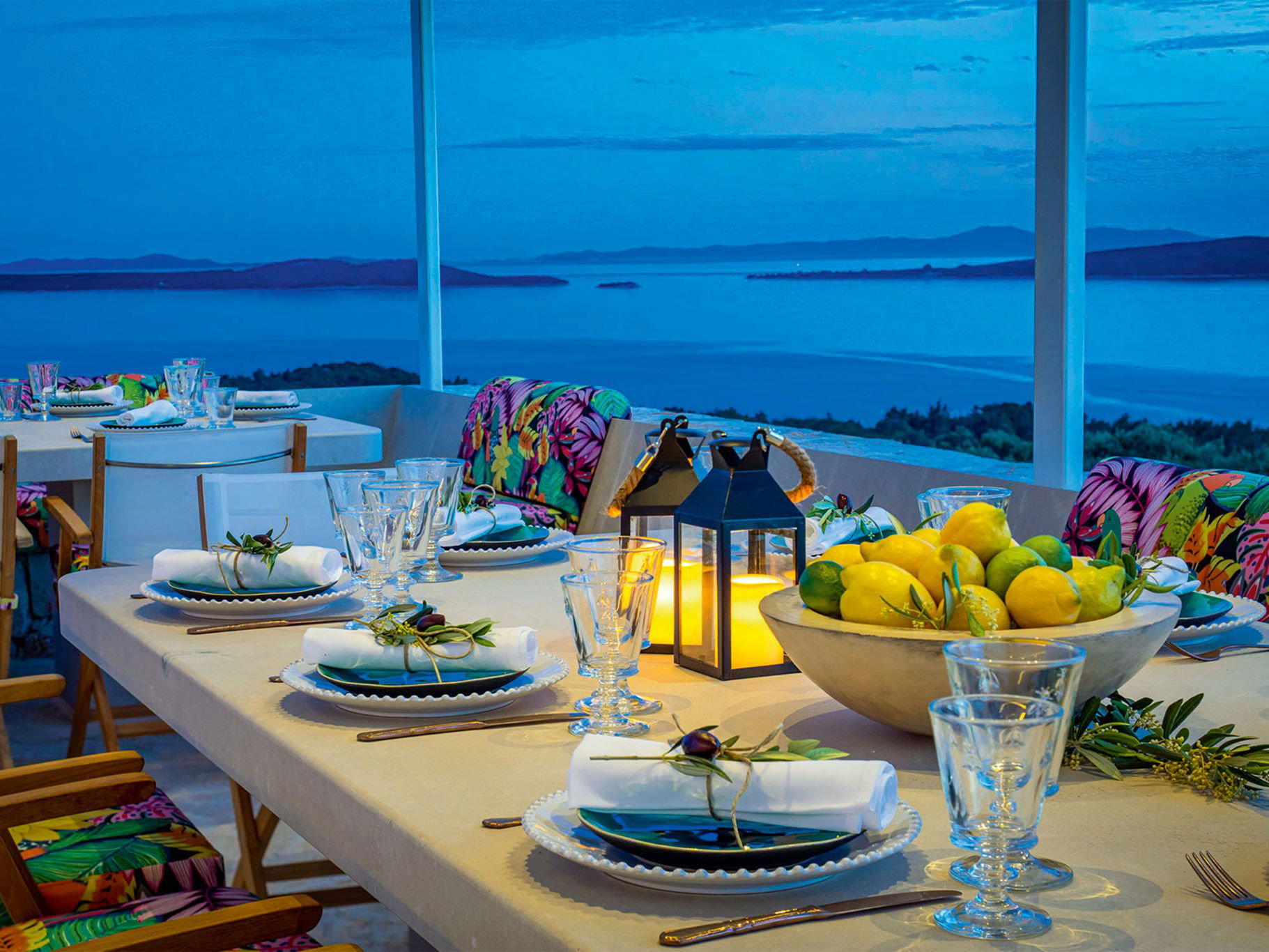
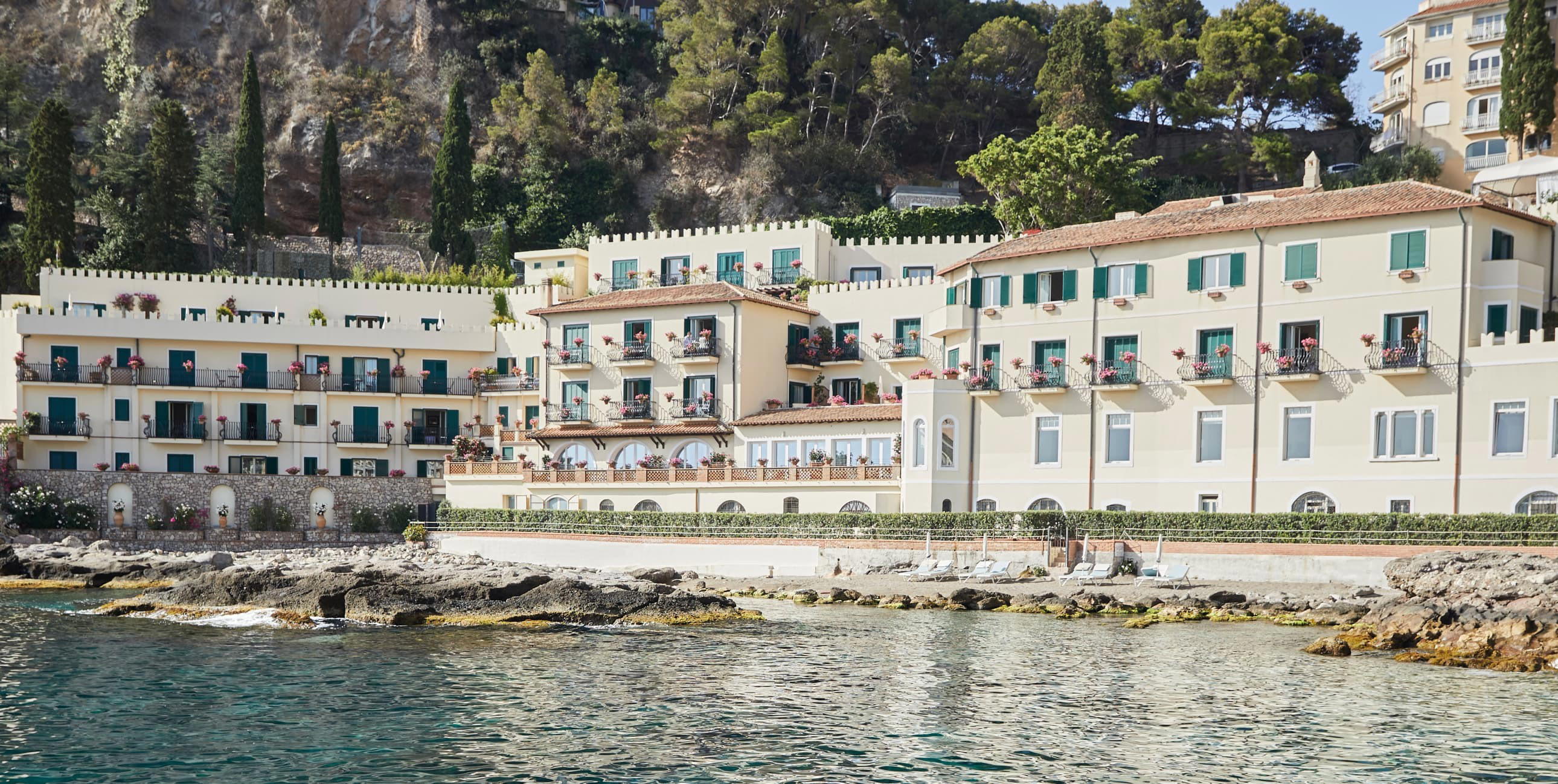
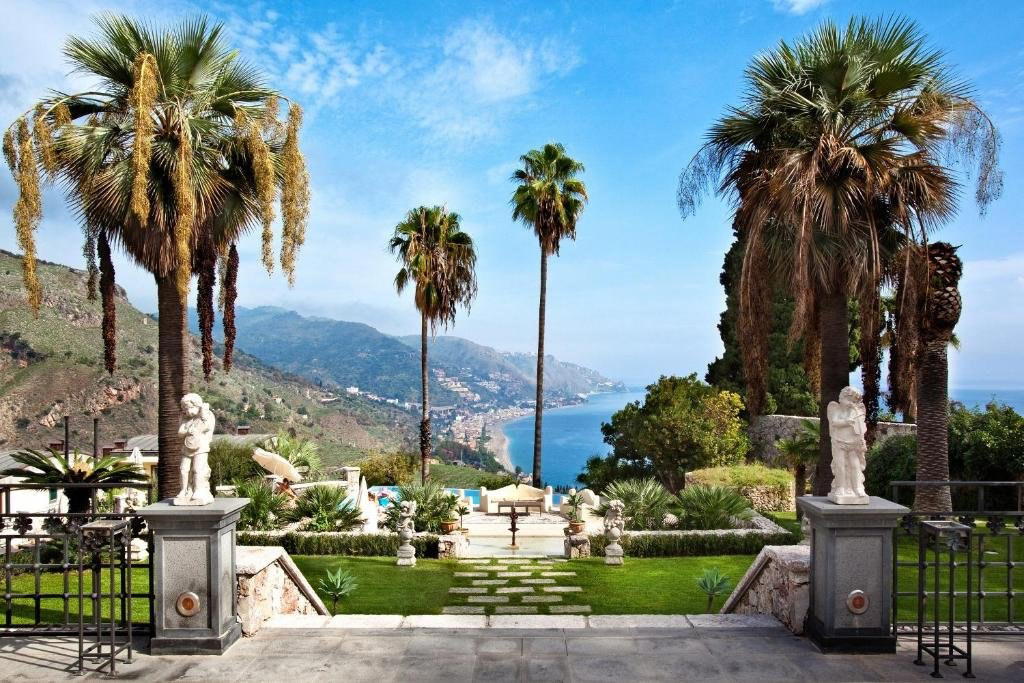
Family-run Sicilian winery with a traditional, rustic feel, combining volcanic island vineyards on Salina with a more practical bottling facility in Giammoro near Messina; guest-facing materials emphasize authenticity, organic vineyards, and the natural landscape rather than sleek modern design.