Forster Winzerverein

Falstaff Winery - 1 Stars
Forster Winzerverein is a Pfalz cooperative winery in Forst an der Weinstraße, built around Riesling, named vineyard bottlings, and the practical hospitality culture of the German Wine Route. Founded in 1918 and drawing on over 100 member growers, it reads less like a boutique estate and more like a village-scale interpreter of Forst’s limestone-and-sandstone Riesling country.

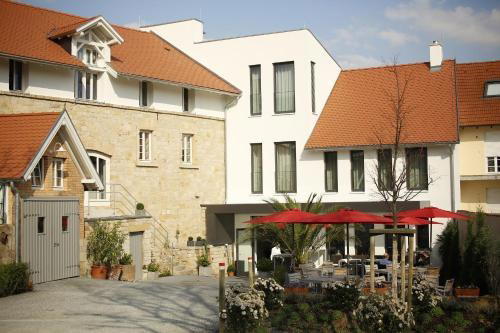
The first impression is practical rather than theatrical: Forster Winzerverein is a traditional Pfalz cooperative winery in Forst an der Weinstraße, with a working cellar and a tasting and shop area. The picture is not one of a high-design destination, but of a welcoming local wine stop with a friendly, familial tone. It feels rooted in use and continuity, the kind of place where the cellar, the counter, and the act of buying wine are all part of the same direct experience rather than separate pieces of hospitality theatre.
That matters because the appeal here is grounded in everyday Pfalz wine culture rather than luxury staging. Forster Winzerverein is best understood as a cooperative winery focused on quality everyday wines, serving locals, regular customers, and visitors looking for a direct introduction to the place. Its value is not in trying to make the visit feel exclusive, but in making the setting legible: a cooperative, a cellar, a shop, and a tasting context that together communicate how wine functions as part of local life in Forst an der Weinstraße.
Forst wine through a cooperative lens
Forster Winzerverein belongs to the cooperative side of German wine culture: practical, communal, and oriented toward wines that can be bought and enjoyed without ceremony. That cooperative lens is important, because it frames the visit less as a single-estate pilgrimage and more as an encounter with a shared local wine structure. The mood is collective rather than individualistic, and that shapes the way the place reads: functional, familiar, and close to the everyday rhythms of the region.
The price level is listed as $$, which fits the broader impression of a useful, approachable stop rather than a rarefied trophy address. In editorial terms, that price signal reinforces the idea that Forster Winzerverein is not primarily about conspicuous occasion-making. It is better understood as a sensible, accessible wine stop where the emphasis falls on quality everyday wines and on the convenience of encountering them close to their source. The appeal is therefore as much about proportion as it is about the wine itself: the setting, the cooperative format, and the price level all point in the same direction.
A practical Pfalz tasting culture, not a design-led cellar door
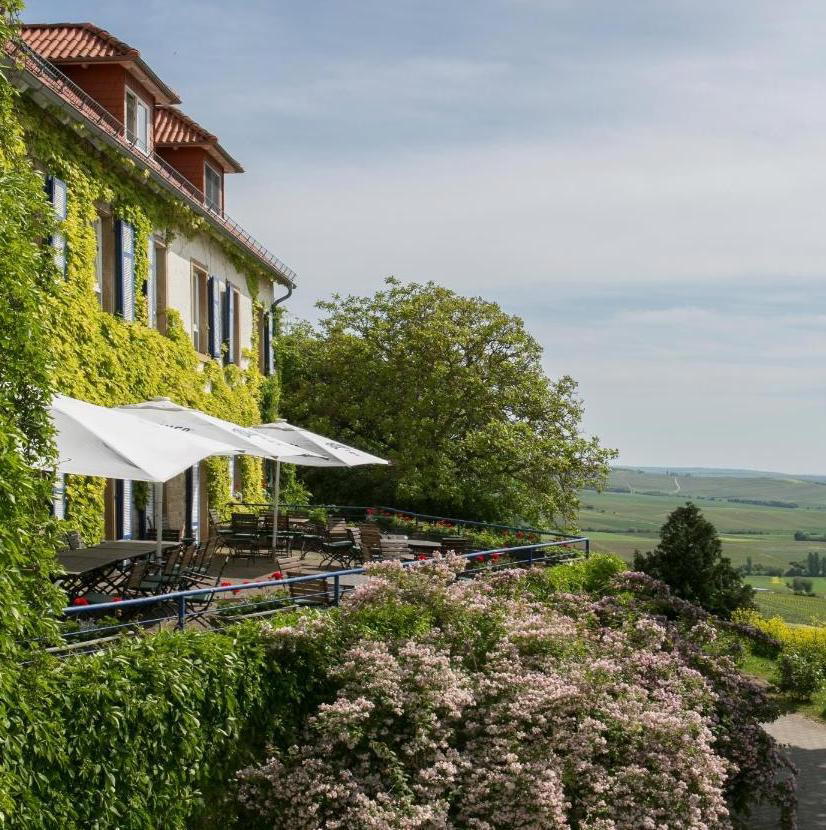
The atmosphere is part of the editorial value. Forster Winzerverein reads as friendly, familial, practical, and welcoming. Its character is tied to the cooperative format and to a local customer base, not to a highly stylized hospitality concept. That distinction is central to understanding the venue. The experience is not built around visual drama or a carefully choreographed design statement; it is built around a working cellar context, a tasting and shop area, and the plain usefulness of being able to engage with wine in a local, direct way.
That makes it a strong fit for travelers who want a grounded sense of everyday wine buying in Forst an der Weinstraße. It gives visitors a way to step into the practical side of Pfalz wine culture without needing the encounter to feel refined or formal. For anyone trying to understand the area beyond its more polished or destination-led possibilities, a cooperative winery like this can be especially clarifying. It shows wine as something purchased, tasted, discussed, and taken home in a setting that remains close to local habits.
The useful contrast is between the seriousness implied by a quality-focused cooperative winery and the lack of preciousness in the setting. Forster Winzerverein is not presented as a luxury cellar door; it is a practical Pfalz cooperative with a welcoming tone and a shop-and-tasting environment. That lack of preciousness should not be mistaken for a lack of purpose. Instead, it is part of the point. The venue’s strength lies in being direct and unforced, offering a clear sense of place through ordinary mechanisms: the working cellar, the accessible shop area, and the friendly, familial register that defines the visit.
How to place it in a Forst wine itinerary
Forster Winzerverein is best used as a direct orientation point for Forst an der Weinstraße. It offers a grounded cooperative-winery perspective, a $$ price level, and a practical atmosphere that suits visitors who prefer local context over spectacle. As part of a wine itinerary, it works especially well as a way to calibrate the area: not as a grand statement, but as a baseline encounter with the cooperative tradition, everyday buying culture, and the approachable side of Pfalz wine.
For a wider Forst an der Weinstraße plan, pair it with other dining or wine-related stops in the area generically, and confirm current hours, tasting availability, and visit details directly with the venue before going. The main reason to include it is not that it transforms the day into something elaborate, but that it keeps the itinerary honest and locally grounded. It gives the route a practical anchor, balancing any more polished stops with a cooperative setting that reflects how wine is encountered by locals, regular customers, and visitors who want a direct introduction to the place.
Frequently asked questions
Is Forster Winzerverein more low-key or high-energy?
It reads as low-key and practical rather than high-energy. The description points to a friendly, familial Pfalz cooperative winery with a welcoming working-cellar and tasting-shop atmosphere.
What's the cost level for Forster Winzerverein?
Pricing at Forster Winzerverein is listed as $$.
Where can I find Forster Winzerverein?
Forster Winzerverein is in Forst an der Weinstraße.
What's the main draw of Forster Winzerverein?
The main draw is its role as a traditional Pfalz cooperative winery focused on quality everyday wines, with a practical and welcoming atmosphere.
How far ahead should I plan for Forster Winzerverein?
Check directly with Forster Winzerverein before planning a visit to Forst an der Weinstraße.
Is Forster Winzerverein better for first-timers or repeat visitors?
It can work for both. First-timers get a grounded introduction to a traditional Pfalz cooperative winery, while regular visitors may appreciate the friendly, practical setting and everyday-wine focus.
Recognition history
Dated appearances from independent guides and award organizations, with the underlying list record or original source where available.
Falstaff Winery - 1 Stars
Falstaff
Request a visit to Forster Winzerverein
Tell us when you would like to go and how many people, and we put the request to the estate and reply to you by email.
Continue exploring
More in Forst an der Weinstraße
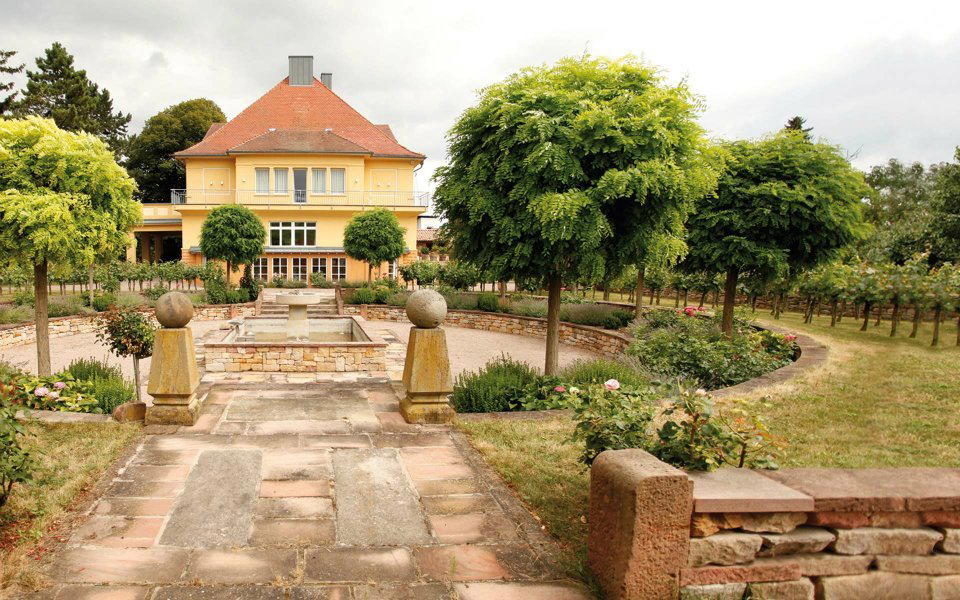
Wineries in Forst an der Weinstraße
All wineries in Forst an der Weinstraße →
Bars in Forst an der Weinstraße
Browse all →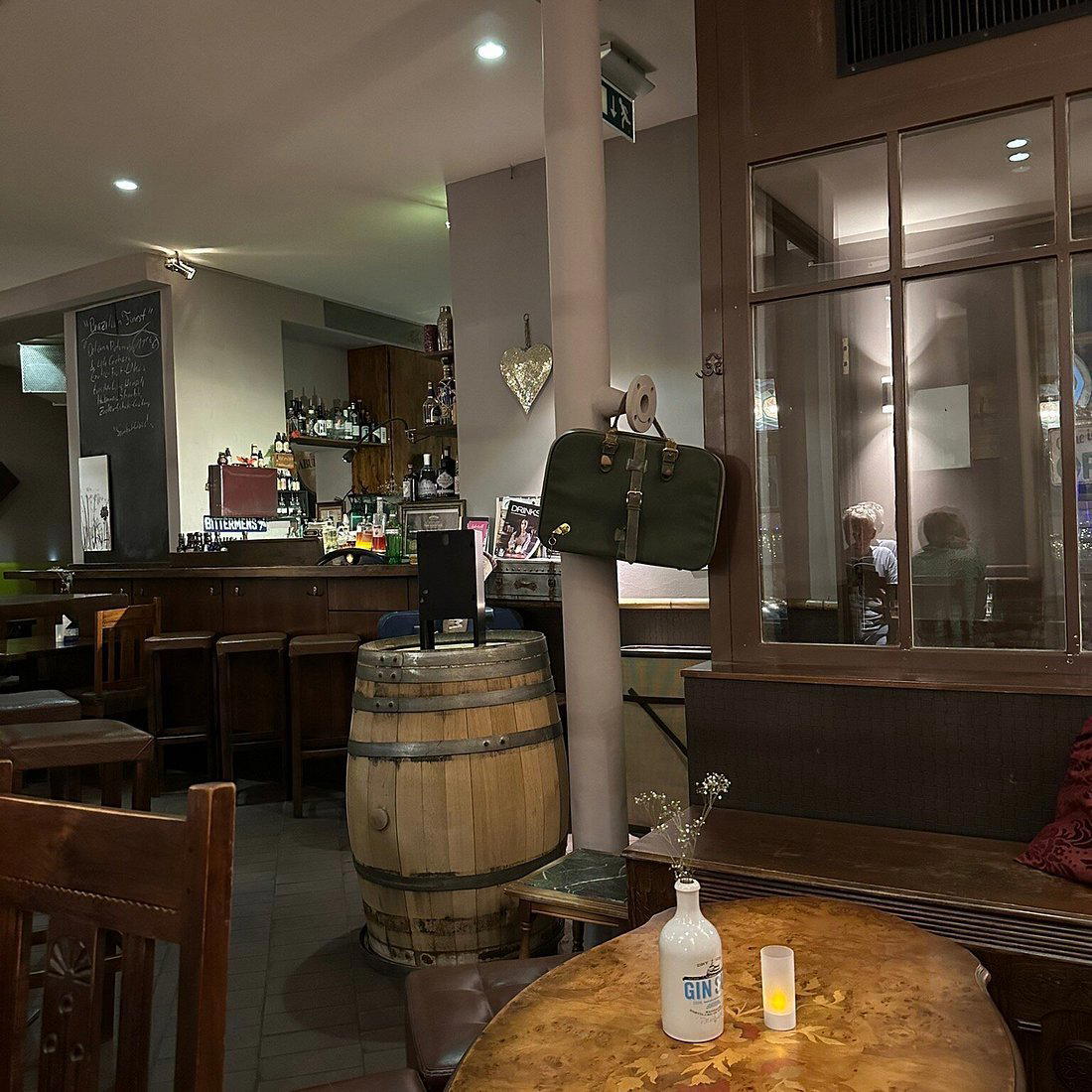
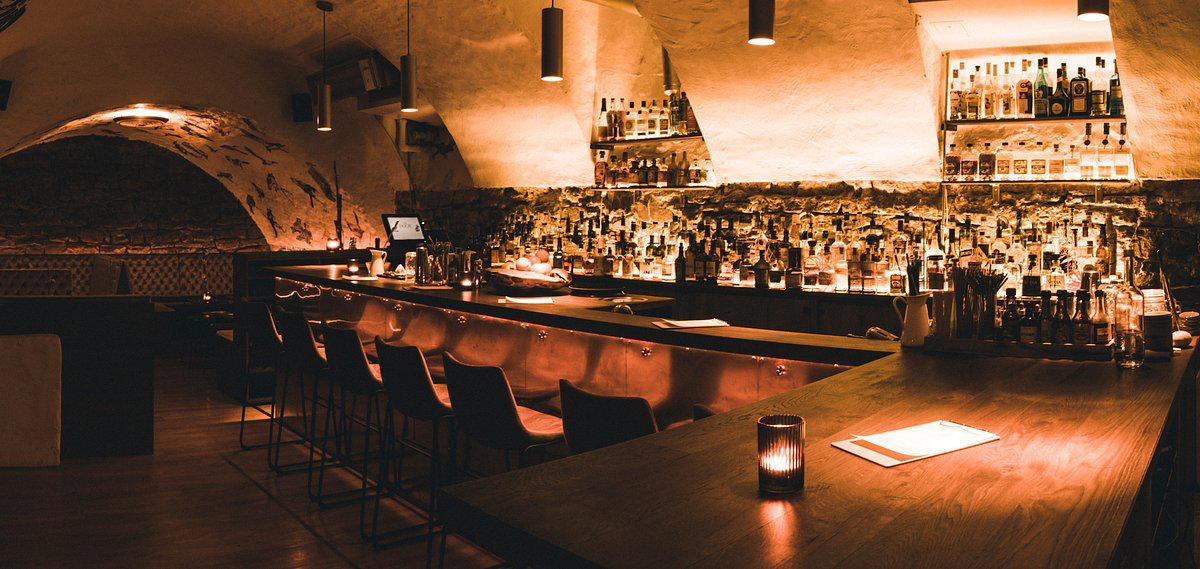
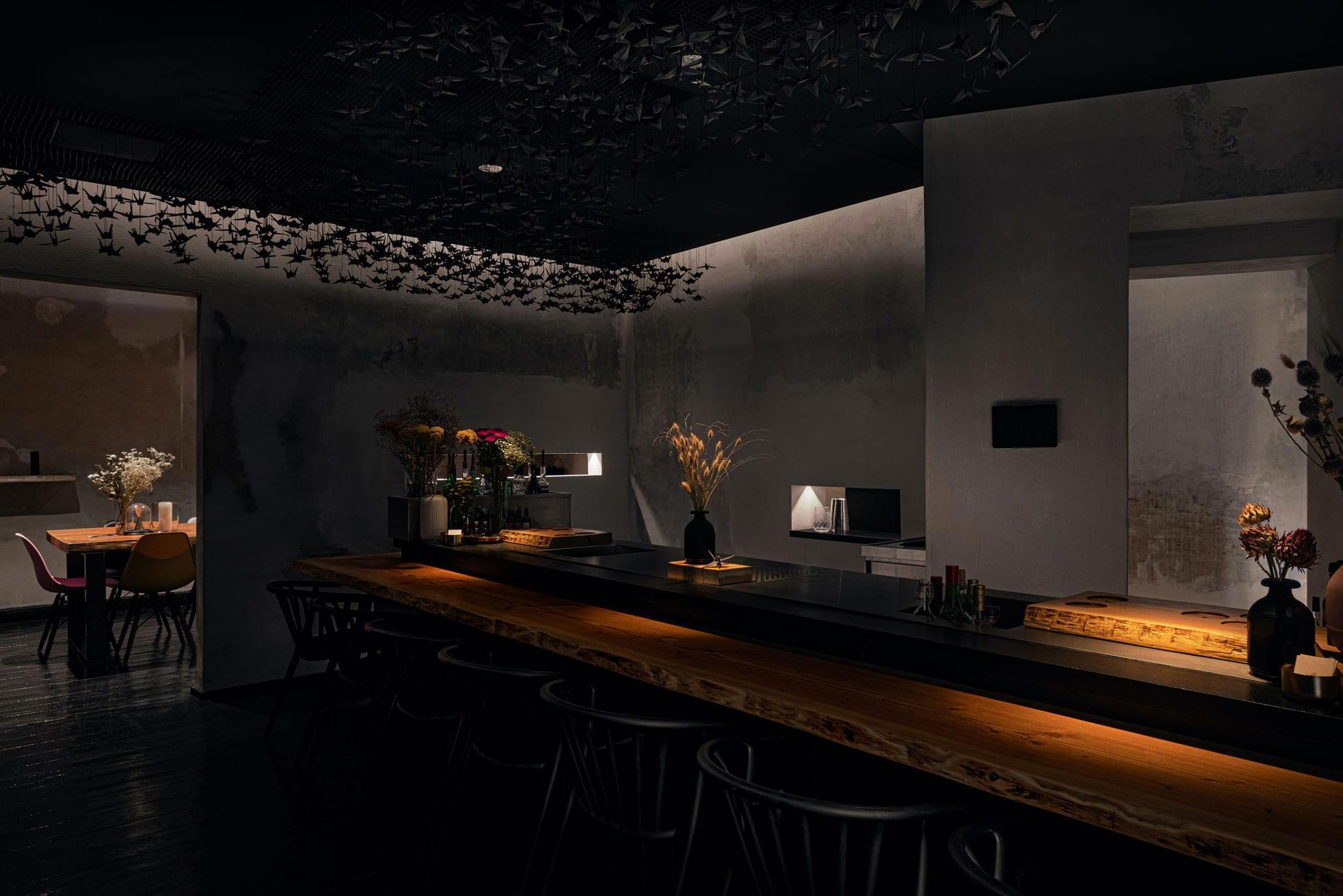
Restaurants in Forst an der Weinstraße
Browse all →
Details
- Classic
- Rustic
- Scenic
- Cozy
- Well Known
- Group Outing
- Wine Education
- Solo Exploration
- Family
- Vineyard Tour
- Estate Grounds
- Historic Building
- Picnic Area
- Vineyard
- Riesling
- Grauburgunder
- Weißburgunder
- Sauvignon Blanc
- Müller Thurgau
- Portugieser
- Still White
- Still Red
- Still Rosé
- Sparkling
- Dessert
- Bar Tasting
- Cellar Tour
- Vineyard Walk
- Picnic Experience