Fetzer Winery

Fetzer Winery gives Hopland a sustainability-led reference point rather than a trophy-driven tasting stop. Founded in 1968, it is tied to Mendocino County viticulture, broad California varietal production, and a long public identity around organic farming, wind and solar energy, water conservation, and vineyard character.
Pearl is the En Primeur Club membership app — saves, bookings, and concierge access live there. Same editors, same standards.
- Address
- Hopland, California, Vereinigte Staaten
 Saves & bookings on Pearl
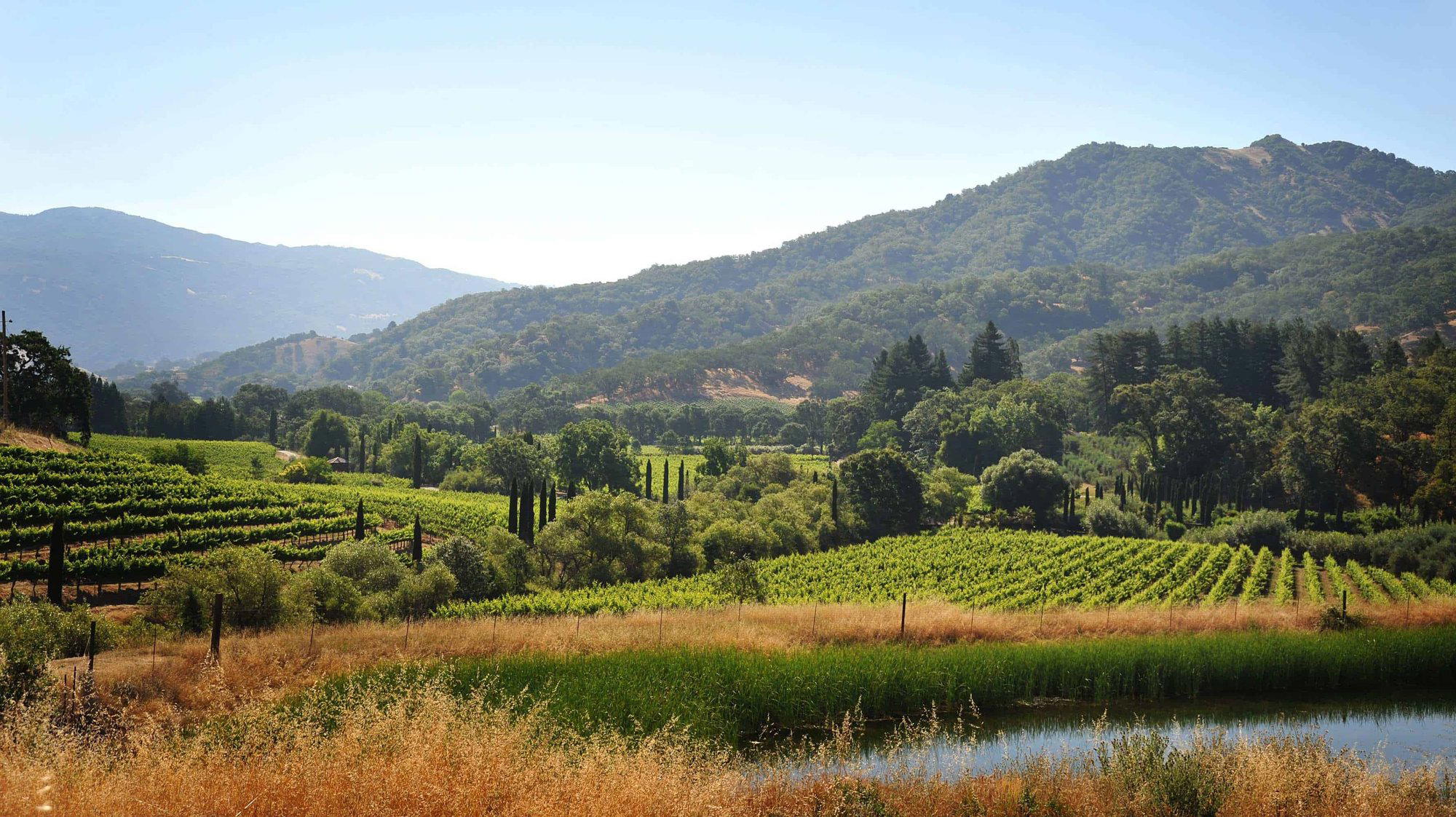
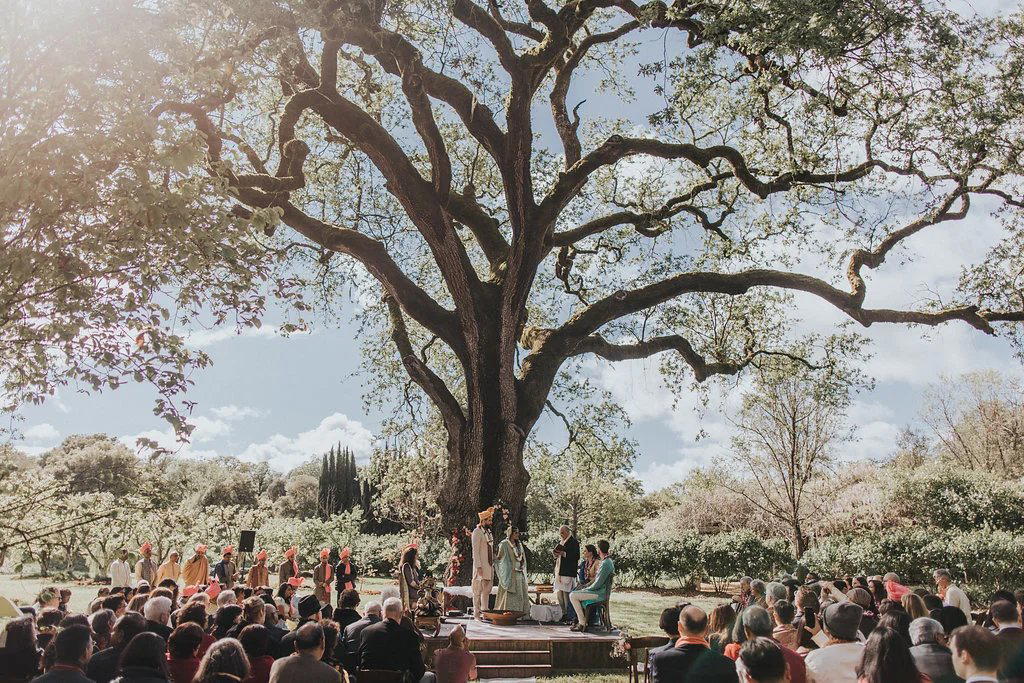
Hopland’s wine-country setting reads at a quieter volume: fewer grand entrances, more plainspokenness, and a strong sense that vineyard character matters. It is the kind of place where the surrounding landscape does much of the interpretive work, and where a visit can feel less like a performance and more like a conversation with the valley. Fetzer Winery fits that register. The visitor experience is best framed as relaxed and educational, with an earth-friendly, nature-forward tone rooted in Hopland and Mendocino Valley. Rather than positioning the winery as a highly polished luxury stop, the available venue description points toward a grounded wine-country experience shaped by place, agriculture, and a slower sense of arrival.
Mendocino Valley roots through a sustainability lens
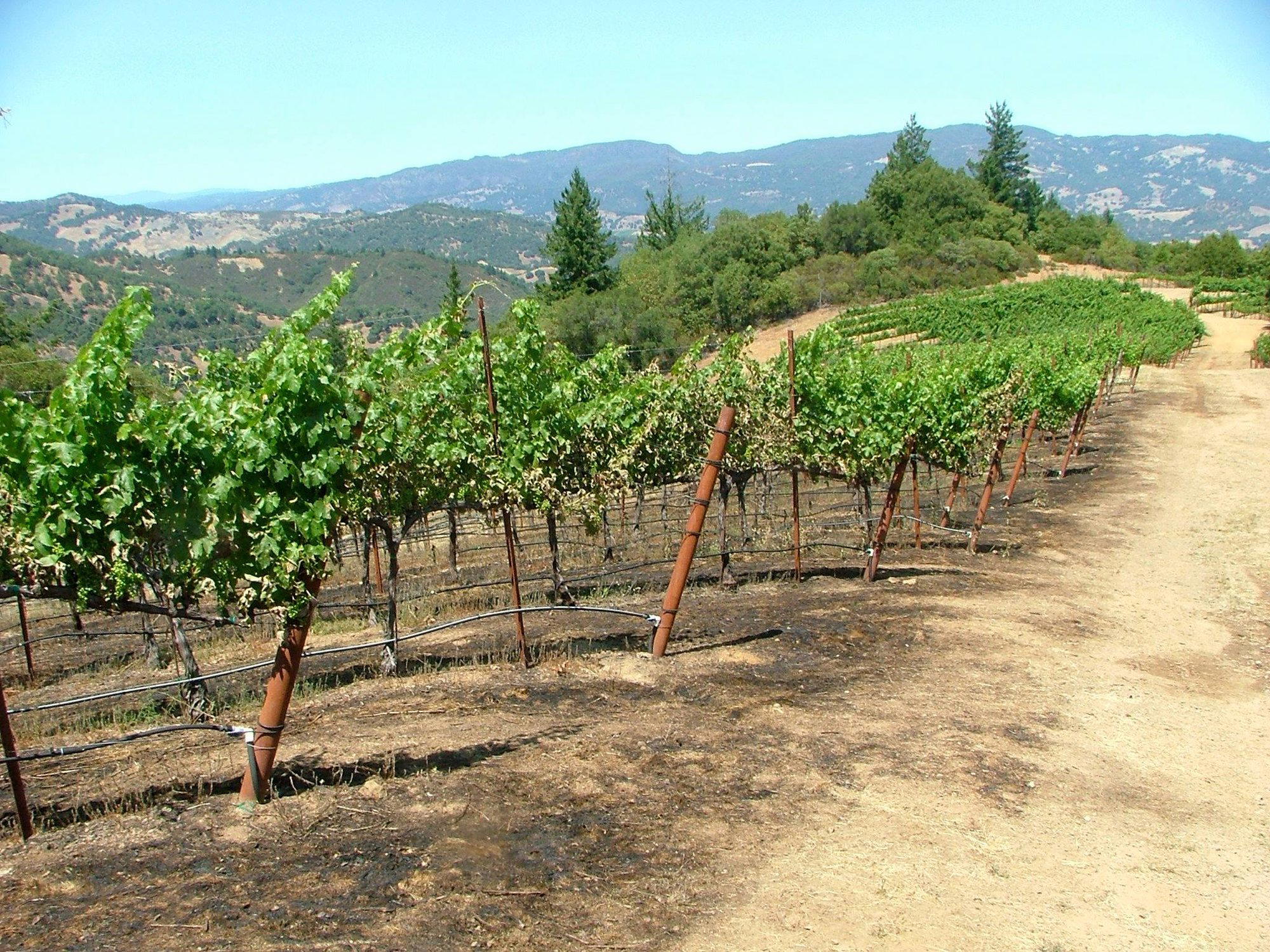
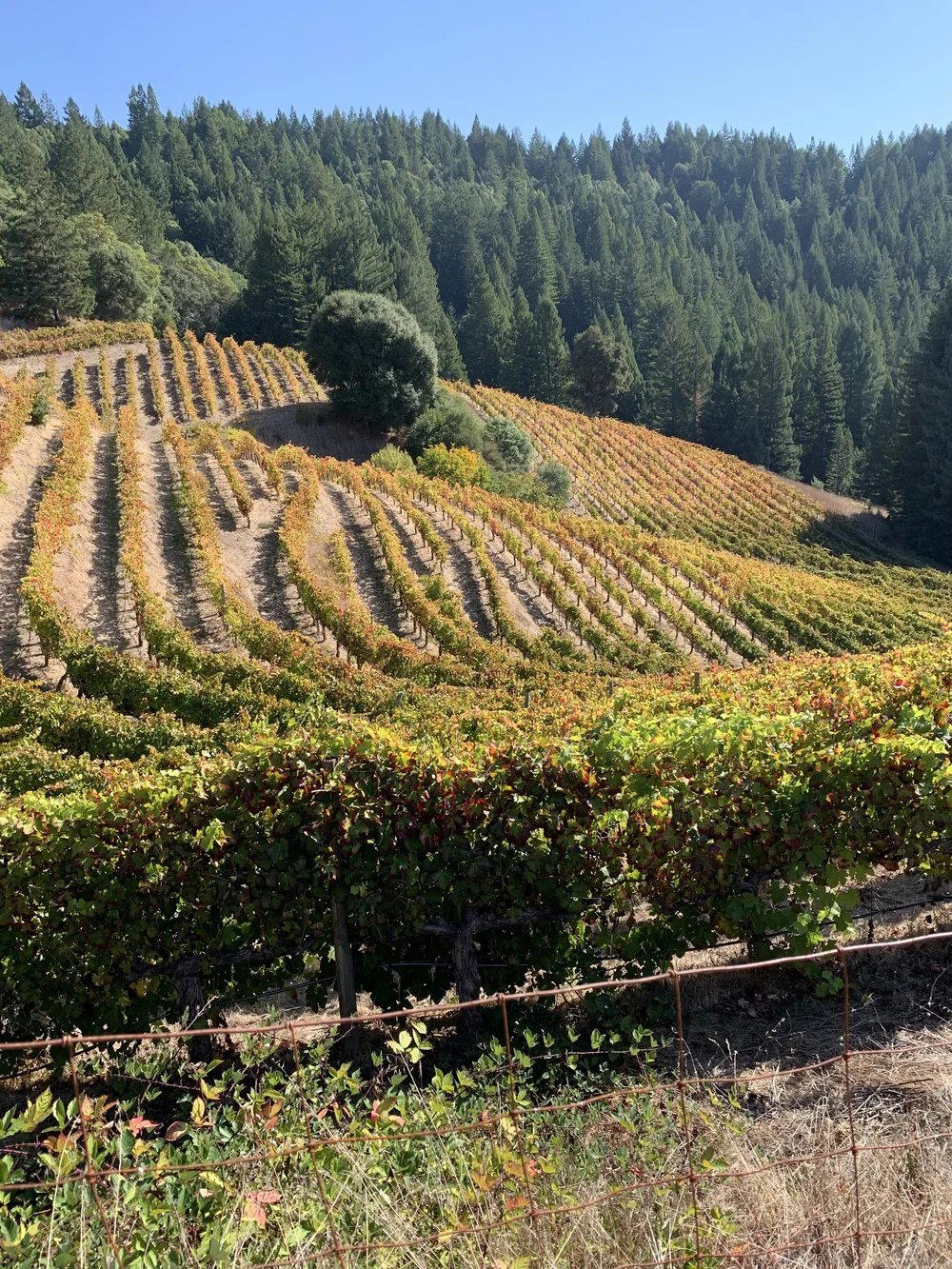
Fetzer Winery is presented around vineyard character, Mendocino Valley roots, and a sustainable sensibility rather than a formal or luxury-driven style. For EP Club readers, the useful way to understand it is as a Hopland winery where the atmosphere is scenic, rustic, classic, quiet, and grounded in the landscape. Those descriptors matter because they set expectations clearly: this is not a venue best approached through spectacle, maximal design, or a checklist of status signals. Its appeal is more understated, tied to the surrounding vineyard setting and to the idea that wine-country hospitality can be informative without becoming rigid.
The price level is $$, which places the visit in a moderate range. That makes it easier to think of Fetzer Winery as part of a day built around accessible wine-country exploration rather than a splurge-only destination. Beyond that, specific menu formats, tasting formats, varietals, production details, bottle names, founding dates, and service logistics should be checked directly with the winery before planning around them. The available information supports the general character of the visit, but it does not provide enough detail to responsibly promise a particular tasting structure, lineup, or on-site routine.
What can be said with confidence is simpler: the winery is a Hopland stop for visitors who want a relaxed, educational wine-country experience shaped by sustainability language and vineyard character. It is not best described through seat counts, critic scores, awards, or a fixed list of wines. The stronger read is experiential: a place to slow down, take in the valley setting, and engage with a winery identity that emphasizes nature and agricultural context over ceremony. For travelers who prefer clarity and calm to high-gloss presentation, that distinction is the main planning value.
Why the sustainability story matters here
The winery’s positioning is specifically earth-friendly, sustainable, and nature-forward. That identity is central to how the venue is presented and to why it may appeal to travelers seeking a wine visit with an agricultural rather than formal emphasis. In a region where the landscape is part of the draw, sustainability language does more than decorate the description; it helps explain the mood of the place. The emphasis suggests a visit oriented toward the relationship between vineyards, setting, and stewardship, rather than one focused only on the finished glass.
Particularly grounded description is atmospheric rather than technical: scenic, rustic, classic, quiet, and connected to Hopland’s vineyard setting. Those words should be read as a guide to expectation. Scenic points to the importance of the surrounding valley; rustic and classic suggest a less aggressively modern mood; quiet indicates that the visit is framed around ease rather than noise or rush. The sustainability theme is important, but the precise mechanics behind it should be with the winery if they matter to a visitor’s decision.
That context also explains the tone of the visit. The winery is presented as relaxed and educational rather than formal. Educational, in this sense, should be understood broadly: the venue’s framing invites guests to think about vineyard character, place, and sustainability as part of the wine-country experience. Relaxed means the page does not point toward a highly structured or white-tablecloth style of visit. Travelers should confirm current hours, reservation expectations, tasting options, and on-site services directly with the venue before arriving. Doing so is especially important because the available description intentionally avoids locking in operational details that may change.
How to place it in a Hopland wine day
Hopland rewards a slower itinerary built around small-town pacing and vineyard-focused stops. The winery works as a sustainability-minded anchor in that kind of day, especially for visitors who want a quiet, nature-forward setting rather than a highly formal wine experience. It is easy to imagine placing it at the center of a plan that leaves room for unhurried transitions, simple scenery, and the kind of conversation that benefits from not being over-scheduled. The key is to treat the visit as part of the valley’s broader rhythm, not as a rushed box to check between louder destinations.
For broader local planning, use the winery as the confirmed reference point and compare it with other Hopland dining, lodging, bars, wineries, and experiences generically. The practical approach is to build around the qualities that are actually supported here: a moderate price level, a relaxed and educational tone, a sustainability-minded identity, and a scenic, rustic, classic, quiet atmosphere. From there, visitors can decide whether to pair it with similarly low-key stops or use it as a calm counterweight to other parts of a Hopland day. Either way, particularly accurate expectation is a grounded Mendocino Valley wine-country visit shaped by landscape and sustainability rather than flash.
Recognition history
Dated appearances from independent guides and award organizations, with the underlying list record or original source where available.
Falstaff Winery - Listed
Falstaff
Continue exploring
More in Hopland
At a Glance
- Scenic
- Rustic
- Classic
- Quiet
- Wine Education
- Group Outing
- Solo Exploration
- Estate Grounds
- Sustainable
- Vineyard
- Mendocino County
- Chardonnay
- Zinfandel
- Cabernet Sauvignon
- Syrah
- Merlot
- Still White
- Still Red
- Tasting Room
- Visitor Center Tasting
Earth-friendly, sustainable, and nature-forward, with an emphasis on vineyard character and Mendocino Valley roots; the visitor experience is presented as relaxed and educational rather than formal.