Ferdinand Abel

Ferdinand Abel is a traditional Rheingau winery in Oestrich-Winkel, built around Riesling, Spätburgunder and Weißburgunder rather than design-led cellar-door theatre. Its appeal sits in the region’s older hospitality grammar: local sites, loess-loam soils, house wines with food, and a calm village-winery atmosphere that keeps the focus on craft.
Pearl is the En Primeur Club membership app — saves, bookings, and concierge access live there. Same editors, same standards.
- Address
- Oestrich-Winkel, Rheingau, Hesse, Deutschland
 Saves & bookings on Pearl
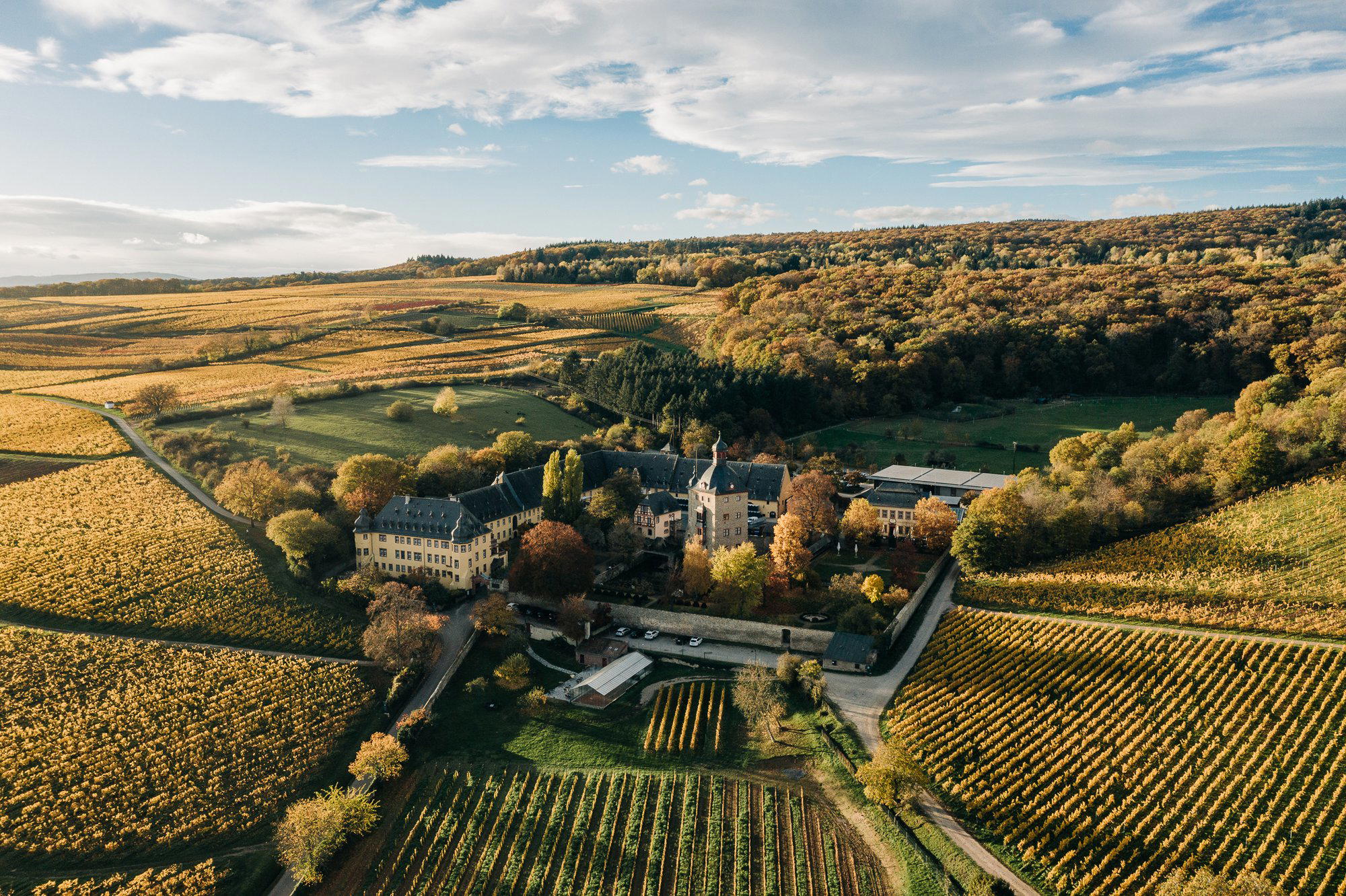
Oestrich-Winkel does not need stagecraft to make its wine culture legible. Ferdinand Abel fits a traditional Rheingau family-winery profile: practical, classic, cozy and rustic rather than design-driven. The appeal is less about spectacle than about a down-to-earth atmosphere focused on craftsmanship, the kind of setting where the value is in the directness of the experience rather than in a carefully staged hospitality narrative.
For visitors, the safest way to understand Ferdinand Abel is as a direct local stop in Oestrich-Winkel. The picture is intentionally simple: a hidden-gem feel, an intimate scale of experience, and a setting that reads as traditional rather than theatrical. That does not require embellishment to be useful. In a region where wine tourism can easily be described in sweeping terms, Ferdinand Abel is better kept close to what is actually evident: a modest, classic winery mood with an emphasis on local character.
Rheingau context without overclaiming the details
The winery is best framed through its character rather than through unconfirmed specifics about grapes, vineyards, bottle counts, ownership, awards or formal service. What is clear is the editorial profile: a traditional Rheingau family winery in Oestrich-Winkel with a classic, rustic and craft-focused mood. That framing matters because it keeps expectations realistic. The Rheingau context gives the venue its broader sense of place, but the individual recommendation rests on atmosphere and type of experience, not on unsupported technical detail.
That makes it useful for travellers who want a grounded local stop rather than a luxury destination. The venue’s price level is listed as $$, which places it in an approachable bracket without implying a specific menu, tasting format or bottle price. In practical terms, that means visitors should think of the winery as a candidate for an accessible wine-country pause, while still checking current arrangements directly before building a day around any exact service or offering.
The important confirmed point is the atmosphere: cozy, intimate and direct, with the emphasis on craftsmanship rather than visual drama. That restraint is deliberate. It is more useful to describe the venue accurately as traditional and down-to-earth than to stretch the profile into claims about production, prestige or a fixed visitor format that may not be confirmed.
A traditional, down-to-earth winery feel
The strongest reason to consider the winery is its sense of place. It represents the kind of Rheingau visit where the traditional, practical winery character matters more than a polished performance. Expect a classic and rustic mood, not a high-design hospitality concept. For many travellers, that is exactly the appeal: a place that feels rooted in the everyday fabric of Oestrich-Winkel rather than shaped primarily for display.
That simplicity is the point. The winery should be understood as a traditional Oestrich-Winkel winery with an intimate, hidden-gem character. The experience is best read in modest terms: cozy rather than grand, craft-focused rather than theatrical, and local rather than glossy. Approached this way, the venue’s strengths become clearer, because the expectation is not for spectacle but for a direct encounter with a classic Rheingau winery atmosphere.
Travellers comparing options in town can keep the winery in mind alongside other dining and winery stops in Oestrich-Winkel generically, without assuming that every venue offers the same format or level of service. That comparison should be made carefully. Some places may present themselves with more visible hospitality structure, while the winery’s profile is better suited to visitors who are comfortable with a quieter, more traditional register. The key is to match the stop to the desired mood rather than to expect a universal wine-tourism template.
How to fold it into an Oestrich-Winkel wine day
The winery is better approached as a grounded Rheingau stop than as a luxury destination. The practical appeal lies in its traditional family-winery character, its classic and cozy atmosphere, and its focus on craftsmanship over design theatrics. In an Oestrich-Winkel wine day, it works well when treated as part of the local texture: a place to consider for its down-to-earth identity, not as a venue that needs to anchor the itinerary with grandeur or elaborate claims.
For a fuller local plan, use Our full Oestrich-Winkel wineries guide as the main spine, then add meals, stays and evening drinking through Our full Oestrich-Winkel restaurants guide, Our full Oestrich-Winkel hotels guide, Our full Oestrich-Winkel bars guide and Our full Oestrich-Winkel experiences guide. When comparing beyond the winery, refer to other Oestrich-Winkel options generically and confirm current details directly before planning around a specific service. That final step is especially important here, because the reliable reading of the winery is not built on a long list of fixed particulars, but on a consistent editorial impression: traditional, rustic, intimate and craft-led.
Recognition history
Dated appearances from independent guides and award organizations, with the underlying list record or original source where available.
Falstaff Winery - Listed
Falstaff
Continue exploring
More in Oestrich-Winkel
At a Glance
- Classic
- Cozy
- Rustic
- Intimate
- Group Outing
- Family
- Wine Education
- Celebration
- Solo Exploration
- Rheingau
- Riesling
- Spätburgunder
- Weißburgunder
- Still White
- Still Red
- Sparkling
Traditional Rheingau family winery with a direct, down‑to‑earth atmosphere focused on craftsmanship rather than design theatrics.