
Fabiani is a small family estate in Cinigiano, shaped by Montecucco DOC soils, old vines, manual vineyard work and natural cellar practice. The draw is not polished wine tourism but a quieter Southern Tuscan format: Sangiovese, Ciliegiolo, Trebbiano and Malvasia interpreted through a low-intervention lens, with estate hospitality kept close to the farming rhythm.

Pearl is the En Primeur Club membership app — saves, bookings, and concierge access live there. Same editors, same standards.

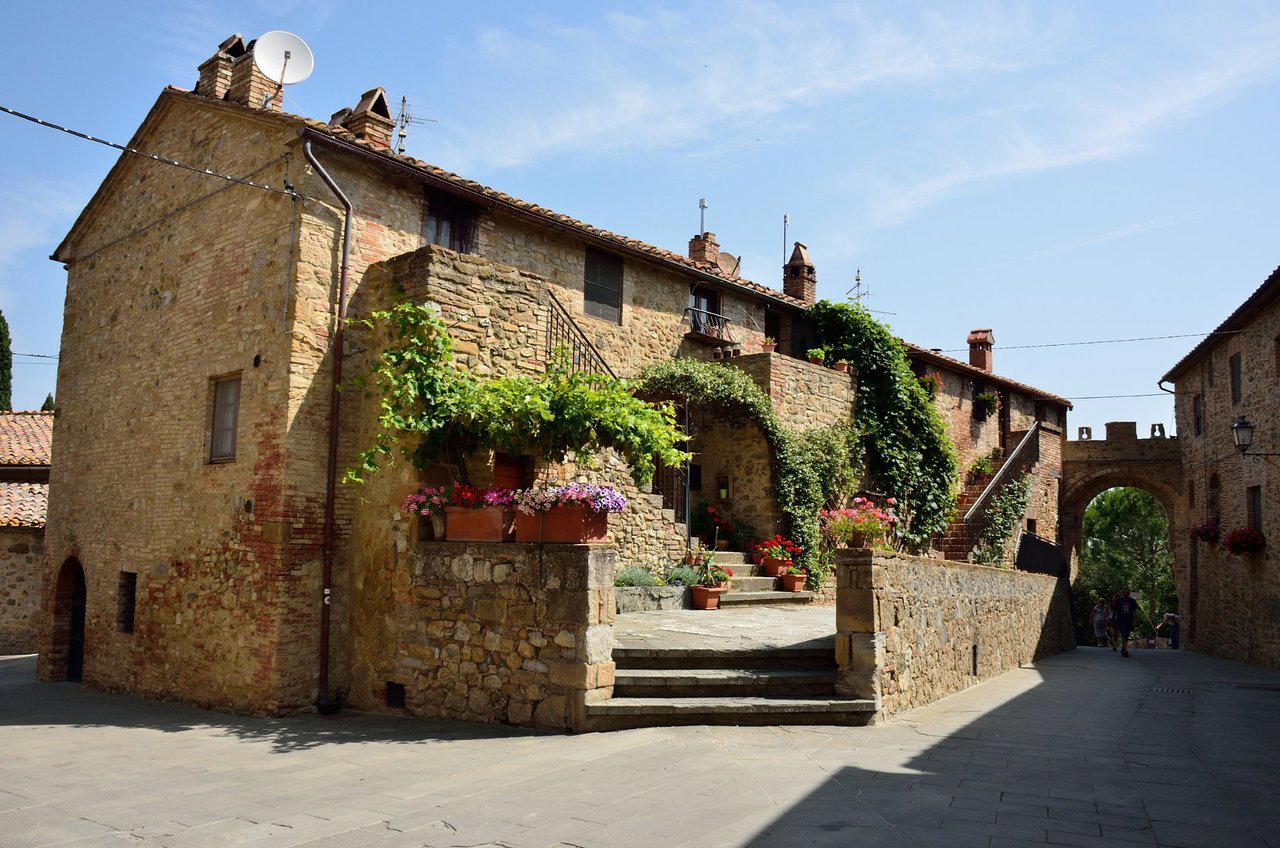
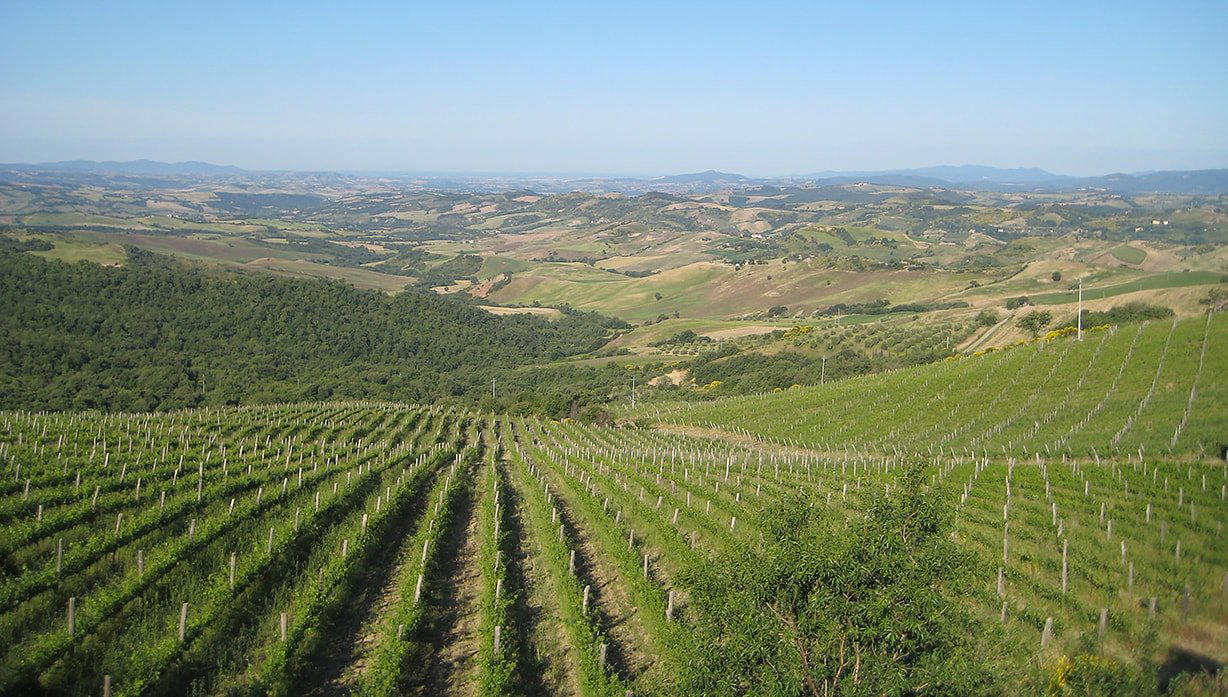
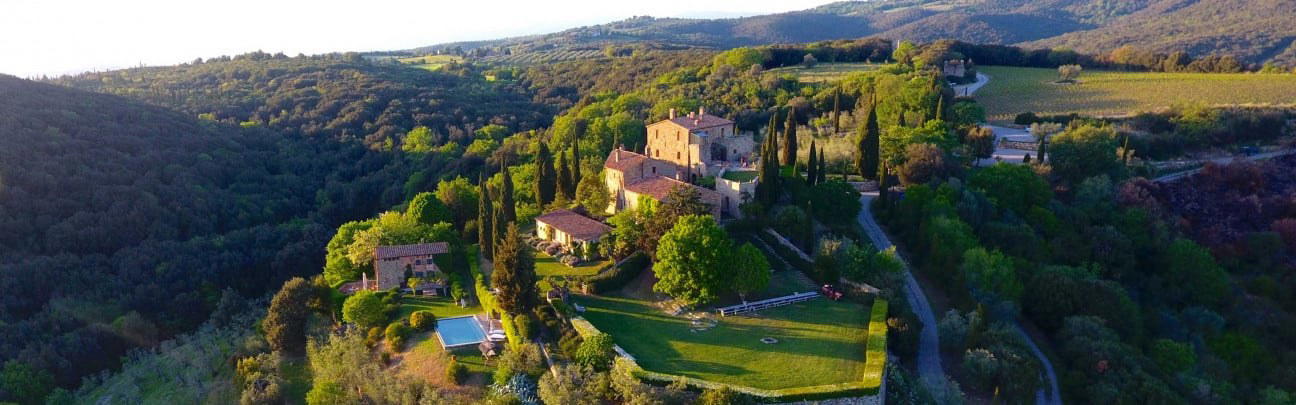
Fabiani in Cinigiano is best understood as a small, family-run Tuscan estate rather than a polished destination built around spectacle. The picture is intentionally modest: a rustic, traditional farming feel, a setting among hills and old vineyards, and an intimate, down-to-earth atmosphere shaped by natural winemaking and convivial hospitality. For travellers comparing places in and around Cinigiano, that is the reliable frame to use.
What can be said with confidence is that Fabiani presents itself as a rural Tuscan estate with a scenic, family-run character and a focus on natural winemaking. The appeal is not a formal restaurant experience or a luxury tasting-room narrative, but a quieter agricultural setting where the landscape and hospitality are central to the visit.
A rustic Tuscan estate atmosphere in Cinigiano
The strongest detail about Fabiani is its atmosphere. It is described as small and family-run, with a traditional farming feel that fits the hills and old vineyards around Cinigiano. That matters for visitors who are choosing between different kinds of Tuscan stops. Some travellers want a highly produced hospitality experience; Fabiani is better framed as a more intimate and grounded estate, where the setting is part of the draw.
The rustic tone should not be read as a lack of care. In this context, it points to a simpler and more personal kind of hospitality: scenic surroundings, an old-vineyard backdrop, and a convivial mood rather than a heavily staged presentation. It signals the estate’s identity, not a license to assume particular farming certifications, cellar methods, grape varieties, or production choices.
Fabiani’s price level is listed as $$, placing it in a moderate bracket. That is useful for planning, but it should be treated as a general guide rather than a detailed menu or tasting-fee schedule.
What, and what should be confirmed directly
The facts support a concise but clear profile: Fabiani is in Cinigiano; it is a small, family-run Tuscan estate; the atmosphere is rustic, scenic, intimate and down-to-earth; it is set among hills and old vineyards; it focuses on natural winemaking and convivial hospitality; and the price category is $$. Those points are enough to position the venue honestly without inventing a fuller estate dossier.
Several details sometimes used in wine guides are not confirmed here and should not be assumed. If any of those details matter for your visit, treat them as questions to ask Fabiani directly rather than as settled facts.
This is especially important in rural wine areas, where small estates can operate differently by season, by appointment, or according to family and agricultural rhythms. A short confirmation message before travelling is the safest way to avoid relying on outdated or unsupported information. Ask about availability, current tasting options, access, payment, and anything related to dietary needs or mobility requirements if those are relevant to your group.
How to place Fabiani in a Cinigiano itinerary
Fabiani fits best into a Cinigiano itinerary for travellers who want a quieter, more intimate Tuscan stop. The setting among hills and old vineyards suggests a visit shaped by landscape as much as by the glass. It is a good candidate for people who value rustic atmosphere, family-run hospitality, and a down-to-earth sense of place over a highly formal or urban experience.
When comparing Fabiani with other dining or wine-related options in Cinigiano, keep the comparison general unless you have current, confirmed details. The useful distinction is not a claimed ranking, score, or award, but the kind of experience Fabiani offer: small-scale, scenic, traditional in feel, and rooted in natural winemaking. That makes it more suitable for a relaxed rural itinerary than for travellers seeking guaranteed restaurant-style service or a precisely scheduled tasting program without prior confirmation.
For planning, anchor the day around Cinigiano itself and leave room for local travel time. Rural Tuscan routes can reward a slower pace, especially when the point of the visit is the setting and the hospitality rather than checking off multiple venues. Fabiani’s strengths are its intimate estate character, hill-and-vineyard surroundings, rustic mood and moderate price category. Build around those, confirm the practical details directly, and avoid assuming more than the available information supports.
Recognition history
Dated appearances from independent guides and award organizations, with the underlying list record or original source where available.
Falstaff Winery - Listed
Falstaff
At a Glance
- Rustic
- Scenic
- Intimate
- Classic
- Romantic Getaway
- Group Outing
- Solo Exploration
- Wine Education
- Special Occasion
- Estate Grounds
- Vineyard Tour
- Panoramic View
- Biodynamic
- Sustainable
- Vineyard
- Mountain
- Garden
- Montecucco DOC
- Sangiovese
- Ciliegiolo
- Trebbiano
- Malvasia
- Still Red
- Still White
- Estate Tasting
- Vineyard Focused Tasting
Small, family-run Tuscan estate with a rustic, traditional farming feel, set among hills and old vineyards, offering an intimate, down‑to‑earth atmosphere focused on natural winemaking and convivial hospitality.