Domaine Viticole Häremillen

Falstaff Winery - Listed
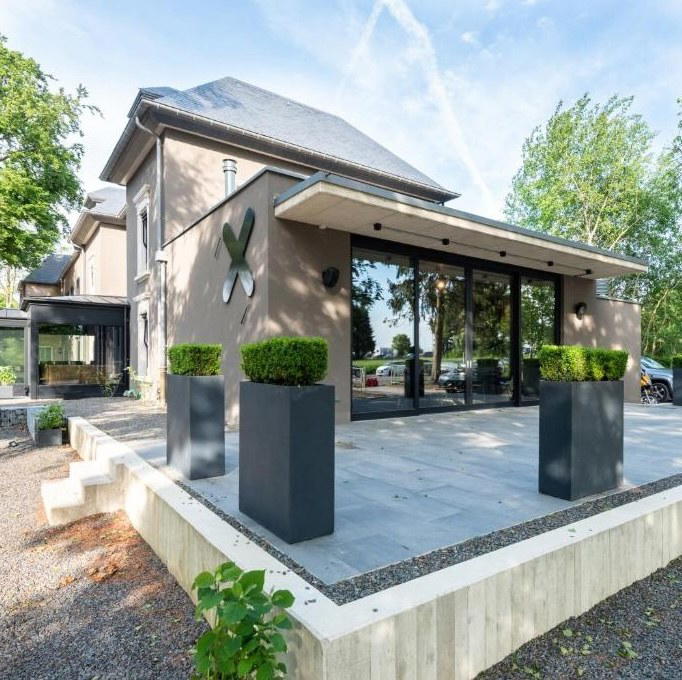
Domaine Viticole Häremillen gives Luxembourg Moselle wine a distinctly architectural frame: a family-owned Ehnen estate built around a restored 16th-century watermill, vaulted rock cellar, and modern crémant facility. The interest is not scale for its own sake, but how 15 hectares across Ehnen, Wormeldingen, Ahn, Machtum, and Mertert translate traditional grapes into still whites, rosé, and sparkling wine.

Pearl is the En Primeur Club membership app — saves, bookings, and concierge access live there. Same editors, same standards.
- Address
- 3 Op Der Borreg, 5419 Ehnen Wormeldange, Luxembourg
- Phone
- +352 76 84 36
- Hours
- Mon–Fri 8 AM–12 PM, 1–5 PMSat–Sun Closed
- Website
- haeremillen.lu
- Directions
- Get directions
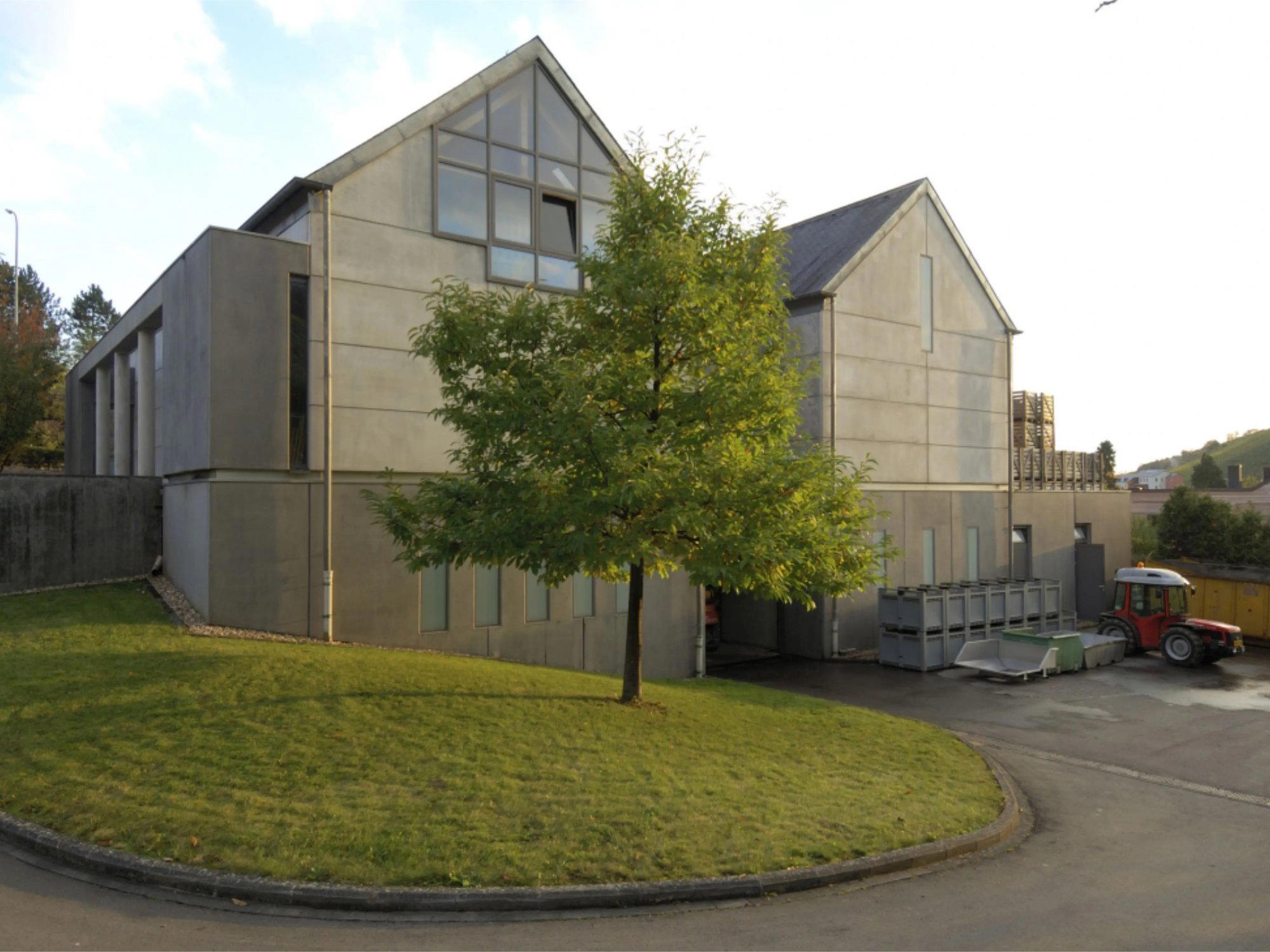
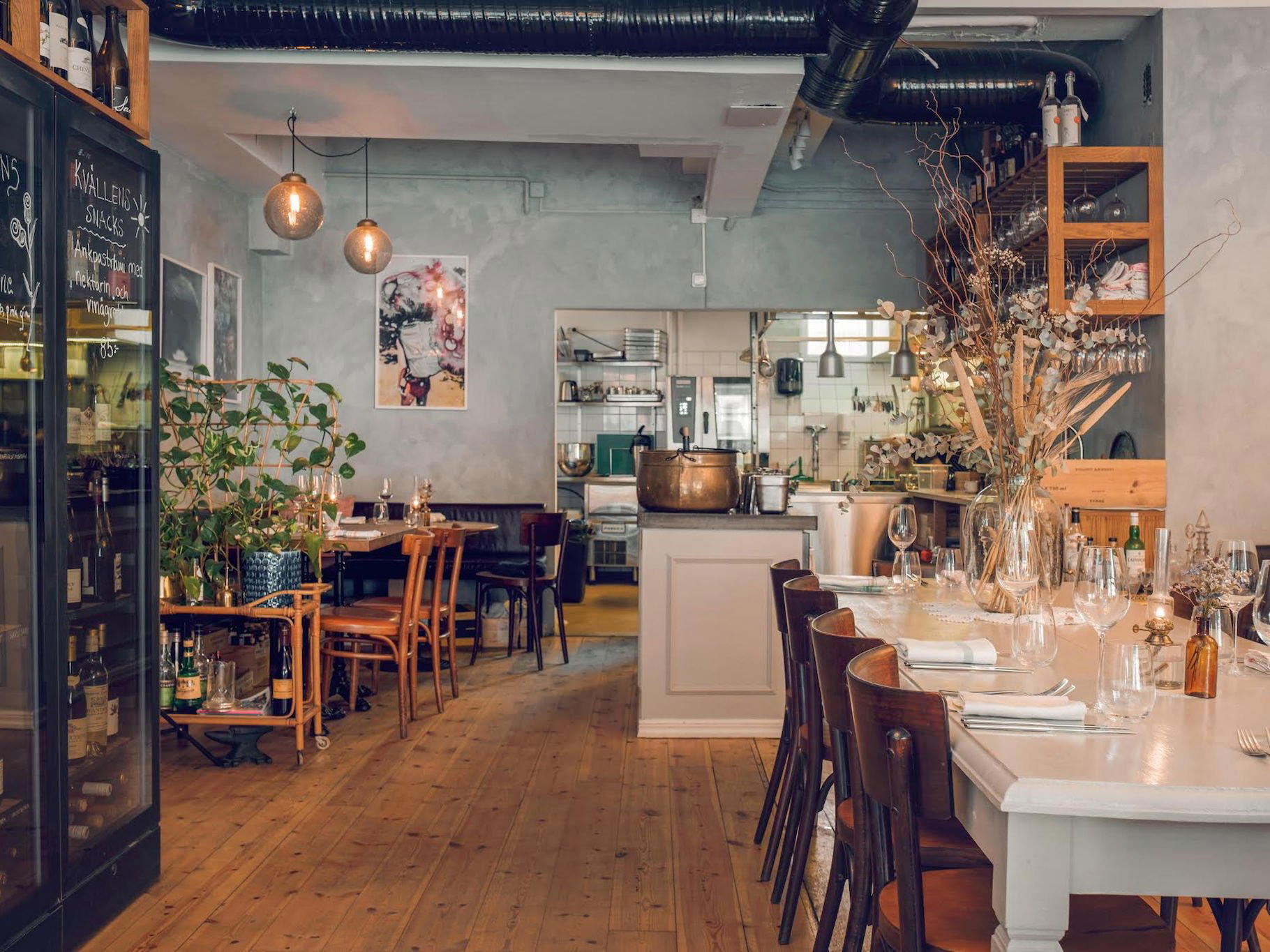
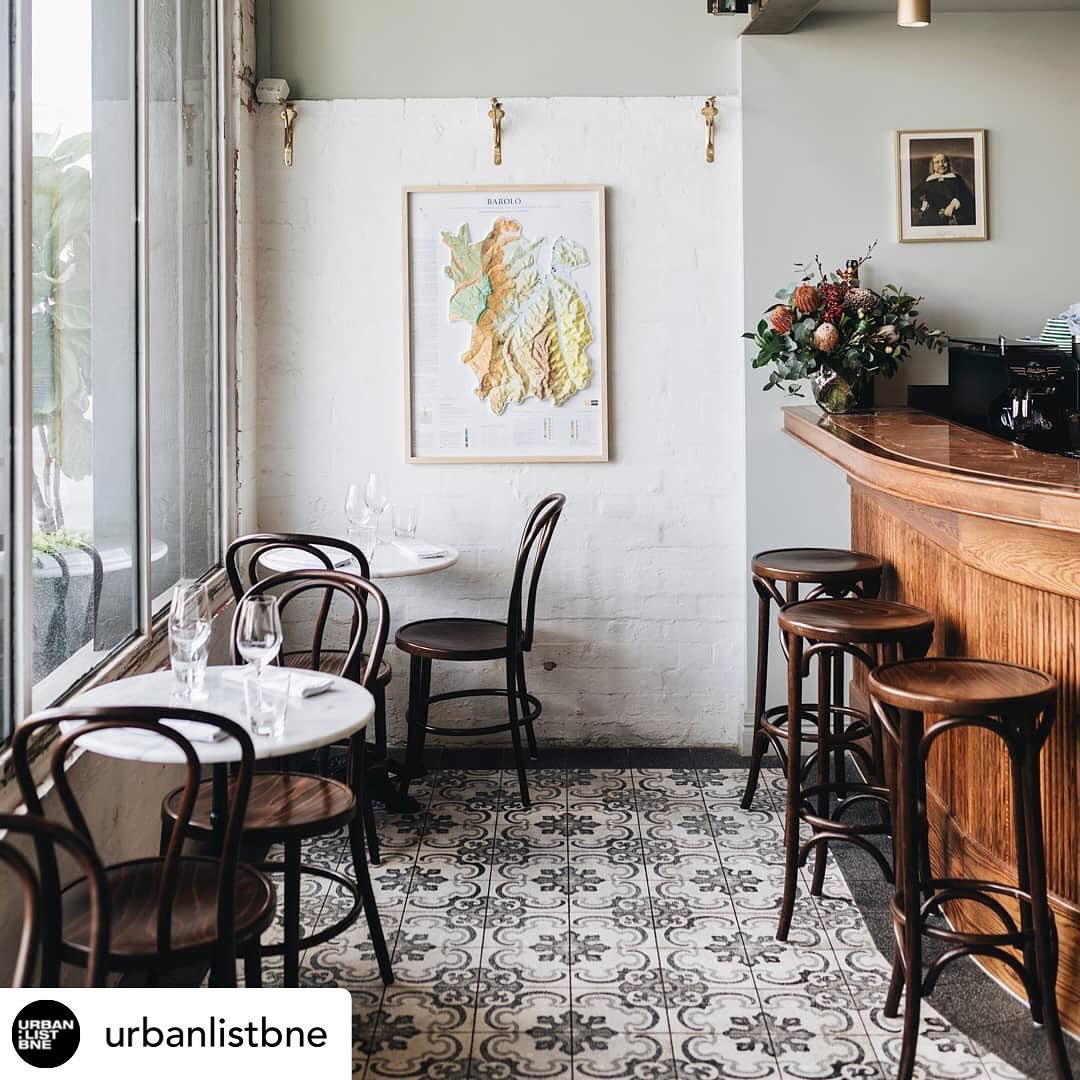
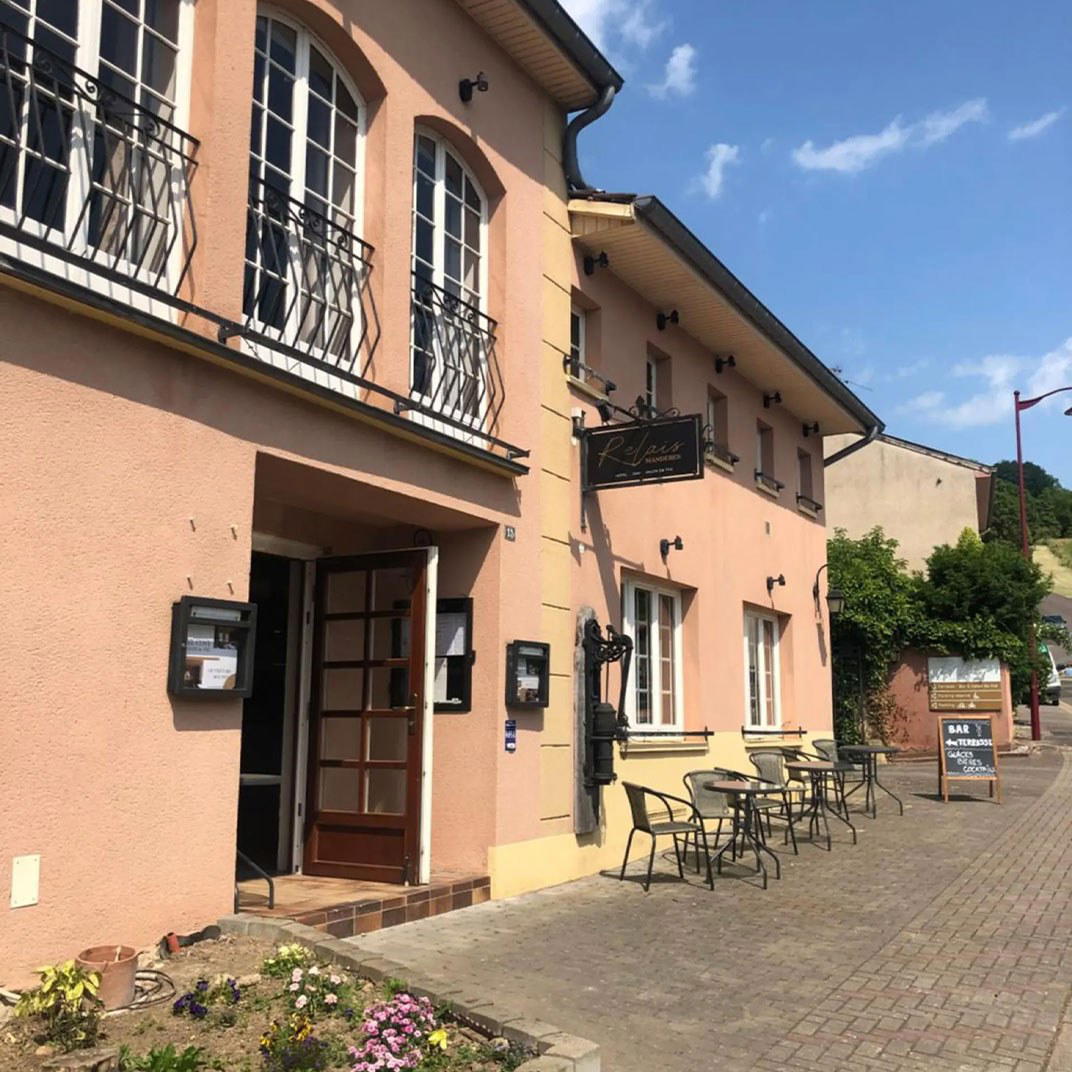
Domaine Viticole Häremillen is a wine venue in Ehnen with a setting that is more specific than a standard tasting room. The picture is architectural and atmospheric: tastings take place in a restored 16th-century mill, with a vaulted rock cellar and a modern cellar setting that connects heritage with contemporary winemaking. For travelers comparing wine stops in Ehnen, that combination is the reliable starting point. The draw is not a documented ranking, a named chef, a detailed menu, or a published production story; it is the intimacy of the place and the contrast between historic fabric and a working cellar environment.
The tone is quiet, rustic, classic, and tucked-away rather than showy. Domaine Viticole Häremillen is best described as a hidden-gem style stop in Ehnen, especially for visitors who value atmosphere and a sense of place. The information supports a restrained reading: this is a historic and intimate setting where the old mill and cellar spaces help frame the experience. Beyond that, specifics such as grape varieties, awards, bottle counts, founding dates, ownership details, detailed tasting formats, opening hours, and reservation rules should not be assumed unless confirmed directly by the venue.
What the Ehnen mill setting tells you
The strongest confirmed feature of Domaine Viticole Häremillen is the setting itself. A restored 16th-century mill gives the venue a distinctive sense of age and texture, while the vaulted rock cellar adds a more enclosed, traditional cellar atmosphere. The modern cellar setting introduces the other side of the experience: a contemporary winemaking context alongside the historic structure. That contrast is the central reason to pay attention to the venue. It is not simply a generic wine stop in Ehnen; it is a place where the built environment helps define the visit.
Page can fairly describe the venue as intimate, quiet, rustic, classic, and heritage-led. It should not claim a specific production scale, farming method, award history, grape list, tasting sequence, lunch service, delivery option, or named comparison with other venues unless those details are separately confirmed.
Sustainability here is practical, not decorative
Rather than inventing one, the honest editorial approach is to keep this section focused on the atmosphere that is confirmed. The restored mill and cellar setting suggest a venue shaped by continuity and reuse, but any claim about vineyard work, herbicide use, grazing, organic methods, or cellar technology would go beyond the facts.
Visitors interested in sustainability should ask the estate directly about its current vineyard and cellar practices. The confirmed guide-level information is limited to the historic and intimate character of the place, the restored 16th-century mill, the vaulted rock cellar, and the modern cellar setting. Those details still provide a meaningful reason to visit: Domaine Viticole Häremillen offers a grounded Ehnen wine experience where heritage is part of the hospitality, not just a decorative backdrop.
How to read Häremillen against a wider Ehnen itinerary
Within Ehnen, Domaine Viticole Häremillen is best understood as a focused wine stop with a strong sense of atmosphere. Visitors should treat the price marker as a broad indicator only and confirm current options before planning around a particular budget.
The venue’s mood is intimate and quiet, so it is likely to appeal most to travelers who prefer a calmer, more personal setting. It can fit a wine-focused day in Ehnen, a small-group visit, or a slower itinerary built around local character. The old mill, vaulted rock cellar, and modern cellar setting give the stop enough identity to stand on its own without needing claims about awards, rankings, or exclusive formats.
For broader planning, compare Domaine Viticole Häremillen with other dining and wine options in Ehnen in general terms, but avoid assuming that all local venues offer the same style of visit. Häremillen’s distinction is its historic mill setting and intimate cellar atmosphere. If exact hours, booking requirements, accessibility, languages, tasting contents, or dietary accommodations matter, those details should be checked directly with the venue before going.
The critical reason to place Domaine Viticole Häremillen on an Ehnen schedule is its clear, sense of place. It combines a restored 16th-century mill, a vaulted rock cellar, and a modern cellar setting in a quiet, rustic, classic environment. That is enough to make the venue useful for travelers who want a wine experience shaped by architecture, atmosphere, and local presence rather than spectacle or prestige.
Recognition history
Dated appearances from independent guides and award organizations, with the underlying list record or original source where available.
Falstaff Winery - Listed
Falstaff
Continue exploring
More in Ehnen
Wineries in Ehnen
Browse all →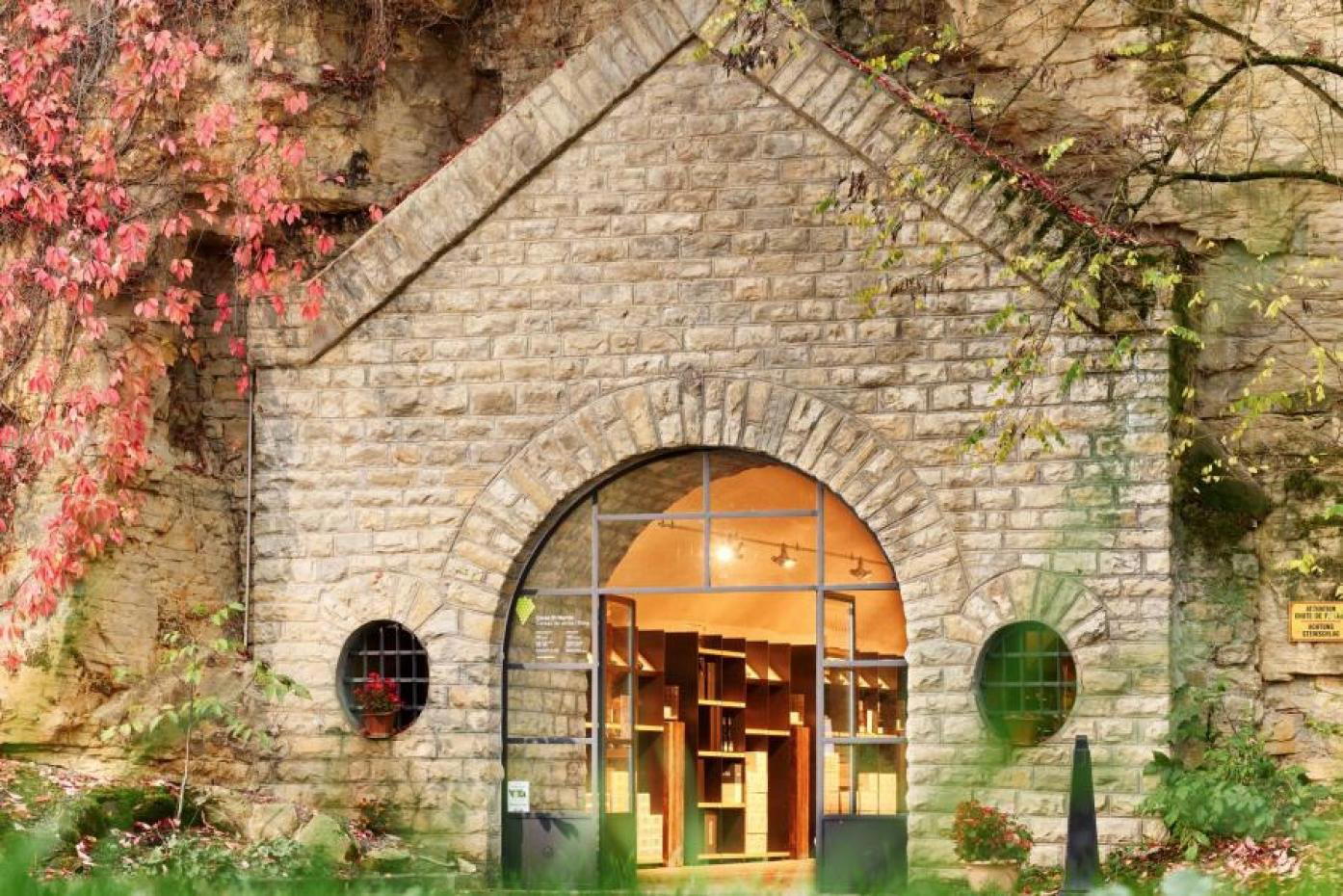

Bars in Ehnen
Browse all →
Restaurants in Ehnen
Browse all →
Details
- Intimate
- Quiet
- Rustic
- Classic
- Solo Exploration
- Special Occasion
- Wine Education
- Group Outing
- Historic Building
- Cave Tasting
- Private Tasting
- Estate Grounds
- Sustainable
- Vineyard
- Elbling
- Rivaner
- Auxerrois
- Pinot Blanc
- Pinot Gris
- Riesling
- Still White
- Sparkling
- Still Rosé
- Guided Tasting
- Appointment Tasting
Current opening hours
- Monday
- 8 AM–12 PM, 1–5 PM
- Tuesday
- 8 AM–12 PM, 1–5 PM
- Wednesday
- 8 AM–12 PM, 1–5 PM
- Thursday
- 8 AM–12 PM, 1–5 PM
- Friday
- 8 AM–12 PM, 1–5 PM
- Saturday
- Closed
- Sunday
- Closed
Hours can change for holidays and private events. Last verified .
Historic and intimate, with tastings in a restored 16th-century mill, a vaulted rock cellar, and a modern cellar setting that blends heritage with contemporary winemaking.