Domaine Maurice Ecard

Domaine Maurice Ecard is a historic Savigny-lès-Beaune domaine rooted in Premier Cru Pinot Noir and Chardonnay from the northern Côte de Beaune. The interest here is terroir rather than spectacle: limestone, clay, marl, long family tenure, and a cellar style built around classic Burgundian structure.
Pearl is the En Primeur Club membership app — saves, bookings, and concierge access live there. Same editors, same standards.
- Address
- Savigny-lès-Beaune, Cote de Beaune, Bourgogne-Franche-Comté, Frankreich
 Saves & bookings on Pearl
Domaine Maurice Ecard is a Savigny-lès-Beaune estate best understood through the village and its vineyards rather than through contemporary design cues or a high-production tasting-room style. The picture is direct: a historic Côte de Beaune estate focused on classic Savigny-lès-Beaune terroir wines, with an atmosphere that is traditional, rustic, well-known, and vineyard-driven. In practical terms, the domaine reads as a place where the identity of the site comes before any attempt to create a separate hospitality concept. The name is most useful to travelers when it is placed in its local frame: Savigny-lès-Beaune, the Côte de Beaune, and a style of wine culture that is rooted in place.
For travelers, that means the appeal is less about spectacle and more about context. Domaine Maurice Ecard fits a Côte de Beaune itinerary for visitors who want a practical, pre-arranged tasting basis and a direct sense of a classic Savigny-lès-Beaune wine estate. It is not the kind of address to read primarily as a lifestyle stop or a design-led destination. Its value is in the more grounded experience of meeting a traditional estate profile on its own terms, with the vineyard and village identity kept at the center of the visit.
Savigny-lès-Beaune through classic terroir wines
Savigny-lès-Beaune is the essential frame for Domaine Maurice Ecard. The estate is presented as focused on classic local terroir wines, so a reliable way to approach it is through the village identity rather than through claims about specific cuvées, scores, vineyard holdings, or cellar details. That matters because this is not a profile that needs to be inflated with unsupported specifics. The useful reading is broader and more precise: the winery belongs in the conversation around Savigny-lès-Beaune as a place where terroir is not an abstract idea but the organizing principle of the wines and the visit.
What can be said with confidence is that winery belongs to the traditional, vineyard-led side of Savigny-lès-Beaune wine culture. The emphasis is on continuity, locality, and the steady language of classic Côte de Beaune wine rather than on novelty. For visitors trying to understand the village, that kind of estate can be especially clarifying. It gives the stop a defined purpose: not to chase a headline or a single famous bottle, but to understand how a Savigny-lès-Beaune domaine can express itself through a traditional terroir-focused lens.
A traditional estate profile keeps the vineyard in front
The description points to a classic and rustic estate where the vineyard setting matters more than design-forward hospitality. Visitors should expect the tone of the experience to be practical and wine-focused, not built around a polished lounge format or a broad public tasting-room model. That does not make the visit less meaningful; it simply means the expectations should be aligned with the estate’s character. The pleasure is in the directness of the setting, the sense of a domaine connected to its village, and the lack of distraction from the wines’ local context.
Price is listed as $$$, which places the winery in a higher planning bracket. For travelers building a Burgundy day around several tastings, that is a useful practical signal. It suggests that the visit should be considered deliberately within the rhythm of the itinerary, rather than treated as a casual add-on. The price marker does not need to imply anything beyond planning weight, but it does help set expectations for those comparing Savigny-lès-Beaune options and deciding where a traditional, vineyard-driven estate best fits.
For EP Club readers, the important distinction is style: the winery is best framed as a historic Côte de Beaune estate in Savigny-lès-Beaune, with a classic, rustic, vineyard-driven atmosphere. The draw is the estate’s alignment with the village and with a more traditional sense of Burgundy hospitality. It is a place to approach with attention, patience, and an interest in context, rather than with a checklist of modern amenities or a search for a highly staged experience.
How to read this domaine within a Savigny itinerary
The winery is a traditional Côte de Beaune address for travelers who want the practical mechanics of a pre-arranged tasting rather than a designed hospitality performance. The visit context is pre-arranged and tasting-based, which suits a classic estate profile. That structure also helps frame the stop properly: this is not about wandering into a large public tasting setup, but about treating the domaine as a planned appointment within a wine-focused day. The emphasis remains on the estate, the village, and the wines’ connection to place.
In a Savigny-lès-Beaune plan, the winery can be treated as part of a broader look at the village’s wine identity. For dining, lodging, bars, and other trip planning, compare it with other Savigny-lès-Beaune options generically rather than assuming any specific shared format or service style. This is especially important in Burgundy, where addresses that may sit near one another can feel different in rhythm, scale, and visitor experience. The winery should be read according to its own profile: traditional, rustic, and vineyard-led.
Its role is clear and restrained, which is part of the appeal. For the traveler looking beyond surface-level Burgundy and toward a more grounded understanding of Savigny-lès-Beaune, it offers a practical way to place the village, the vineyard, and the estate tradition in the same frame.
Recognition history
Dated appearances from independent guides and award organizations, with the underlying list record or original source where available.
Falstaff Winery - Listed
Falstaff
Continue exploring
More in Savigny-lès-Beaune
Wineries in Savigny-lès-Beaune
Browse all →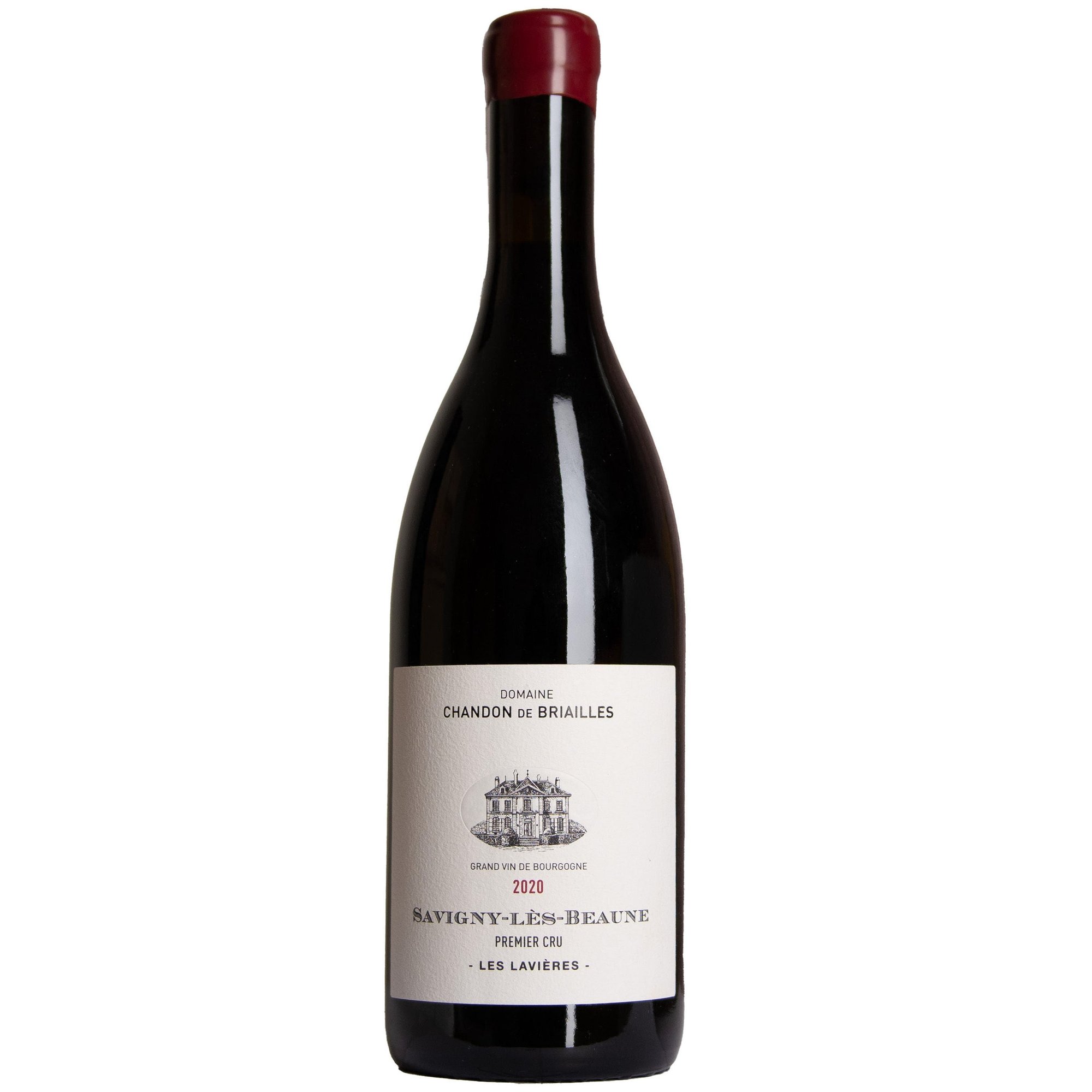
Restaurants in Savigny-lès-Beaune
Browse all →
At a Glance
- Classic
- Rustic
- Well Known
- Historic
- Quiet
- Solo Exploration
- Wine Education
- Group Outing
- Special Occasion
- Estate Grounds
- Historic Building
- Vineyard
- Savigny Lès Beaune Premier Cru AOC
- Pinot Noir
- Chardonnay
- Still Red
- Still White
- Classic Seated Tasting
- Educational Terroir Focused Tasting
Historic Côte de Beaune estate focused on classic Savigny-lès-Beaune terroir wines; atmosphere is traditional and vineyard-driven rather than design-forward, with visits on a pre-arranged, practical tasting basis.