Domaine Desom

Domaine Desom gives Remich a polished expression of Luxembourg’s Moselle tradition: estate whites, Crémants de Luxembourg, and food-pairing hospitality shaped by river country rather than cellar theatrics. The family-run estate dates to 1925 and works 40 hectares across named vineyard localities, making it a useful stop for understanding how Pinot Gris, Riesling, Elbling, and sparkling wine define this stretch of Luxembourg.
Pearl is the En Primeur Club membership app — saves, bookings, and concierge access live there. Same editors, same standards.
- Address
- Remich, Moselle Luxembourgeoise, Luxembourg, Luxembourg
 Saves & bookings on Pearl
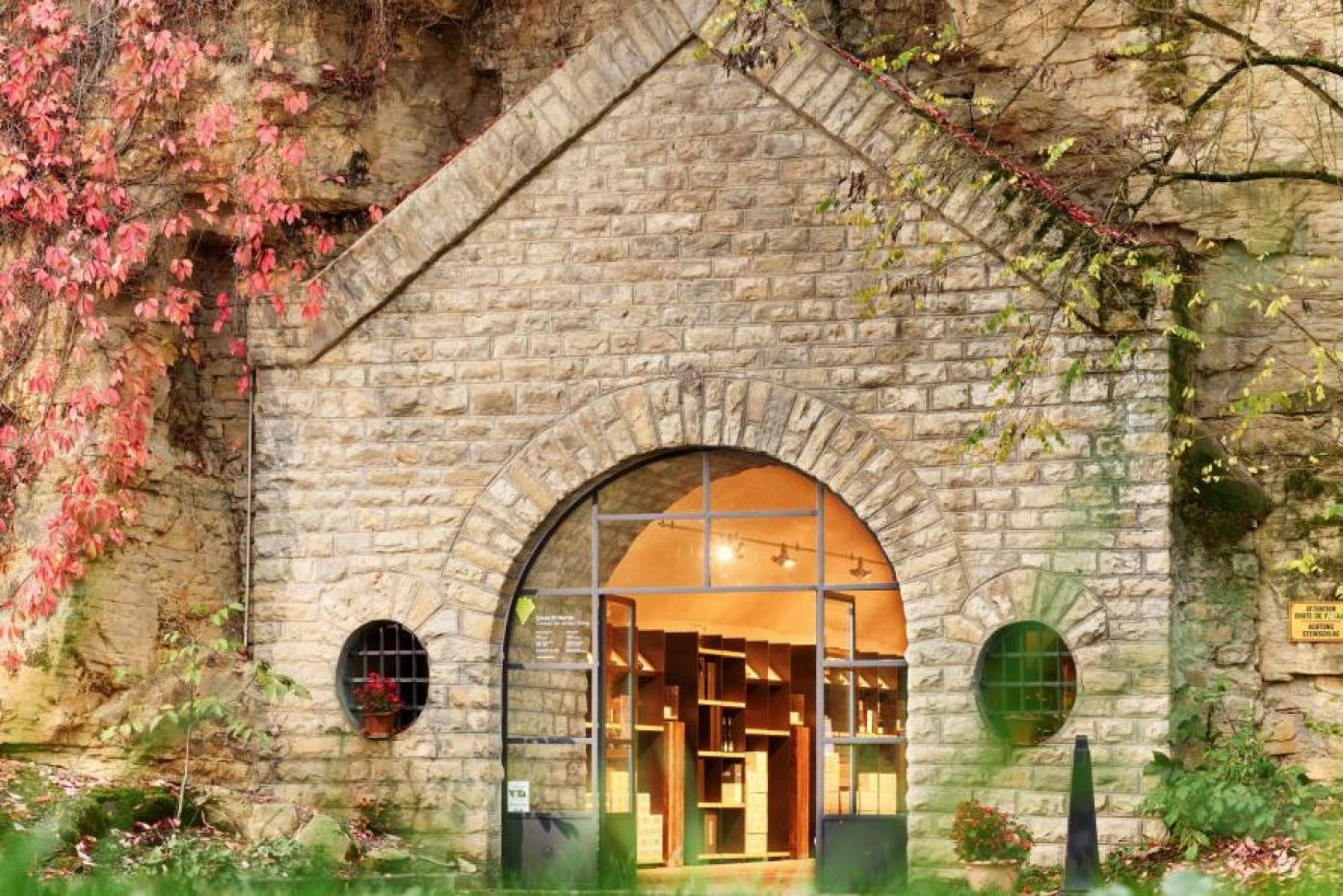
Approaching wine in Remich means reading the river first. The Moselle softens the climate, reflects light into the slopes, and gives Luxembourg’s wine culture its compact but serious identity. Domaine Desom belongs to that tradition: not a showpiece built around novelty, but a family estate where still whites, Crémant, and dining sit inside the same regional argument. The setting is part of the point, with a cellar-and-pavilion format that keeps the visitor close to the water and to the wines that come from the surrounding valley.
Luxembourg’s Moselle is not a region of grand distances. Its strength lies in compression: small towns, steep exposures, river influence, and grape varieties that reward precision over weight. In that context, Domaine Desom’s 40 hectares give it enough scale to work across several sites while retaining an estate identity. The vineyard localities named in its orbit, including Naumberg, Primerberg, Markusberg, Kolteschberg, Diefert, Foulschette, and Kurschels, point to a producer thinking in parcels rather than generic regional wine.
River-climate whites and Crémant define the estate's Moselle argument
The useful way to read this estate is through grape variety and texture. Pinot Gris, Riesling, Pinot Blanc, Elbling, Auxerrois, Rivaner, and Pinot Noir form the backbone, with Pinot Gris carrying particular weight in the portfolio. The listed Pinot Gris GPC Remich Hopertsbour vintages from 2023 and 2024 show the estate working with a recognizable white-wine lane: aromatic, food-friendly, and structured enough for short to medium cellaring. The 2023 bottling carries a stated conservation window of three to five years, a practical signal that these wines are not designed only for immediate holiday drinking.
Crémant de Luxembourg is the second axis. The estate makes Rosé, Elegance, Millésimé, and Tradition expressions, with a Brut Millésimé 2022 named within the sparkling range. That matters because vintage-dated Crémant requires a different level of selection than simple sparkling volume. In Luxembourg, Crémant has become a national calling card, and serious producers use it to show acidity, lees texture, and vineyard discipline without borrowing Champagne’s cultural costume. Domaine Desom’s emphasis on both still wines and Crémant makes it a strong lens on the region’s dual personality: table-ready whites on one side, traditional-method sparkling on the other.
The more specialist end of the portfolio extends into vendanges tardives, vin de glace, vin de paille, and barrique-aged wines. Those categories are not everyday cellar fillers; they signal technical range and the willingness to work at the edges of ripeness, sweetness, and texture. For visitors trying to understand Luxembourg beyond a single glass of Riesling, that spread is useful. It shows how the Moselle can move from brisk white varieties to dessert-wine concentration and sparkling-wine precision without leaving the regional frame.
Four generations give the tasting room a long memory
Family continuity can be an empty claim in wine writing, but here the date matters. The winery traces its lineage to 1925 and has passed through four generations, with Marc Desom named as winemaker and cellar master. That is a trust signal in a region where reputation often builds through consistency rather than international spectacle. The estate’s position is not based on trophy language; it is based on longevity, vineyard holdings, and the ability to keep a recognizable Moselle style across still, sparkling, and specialty wines.
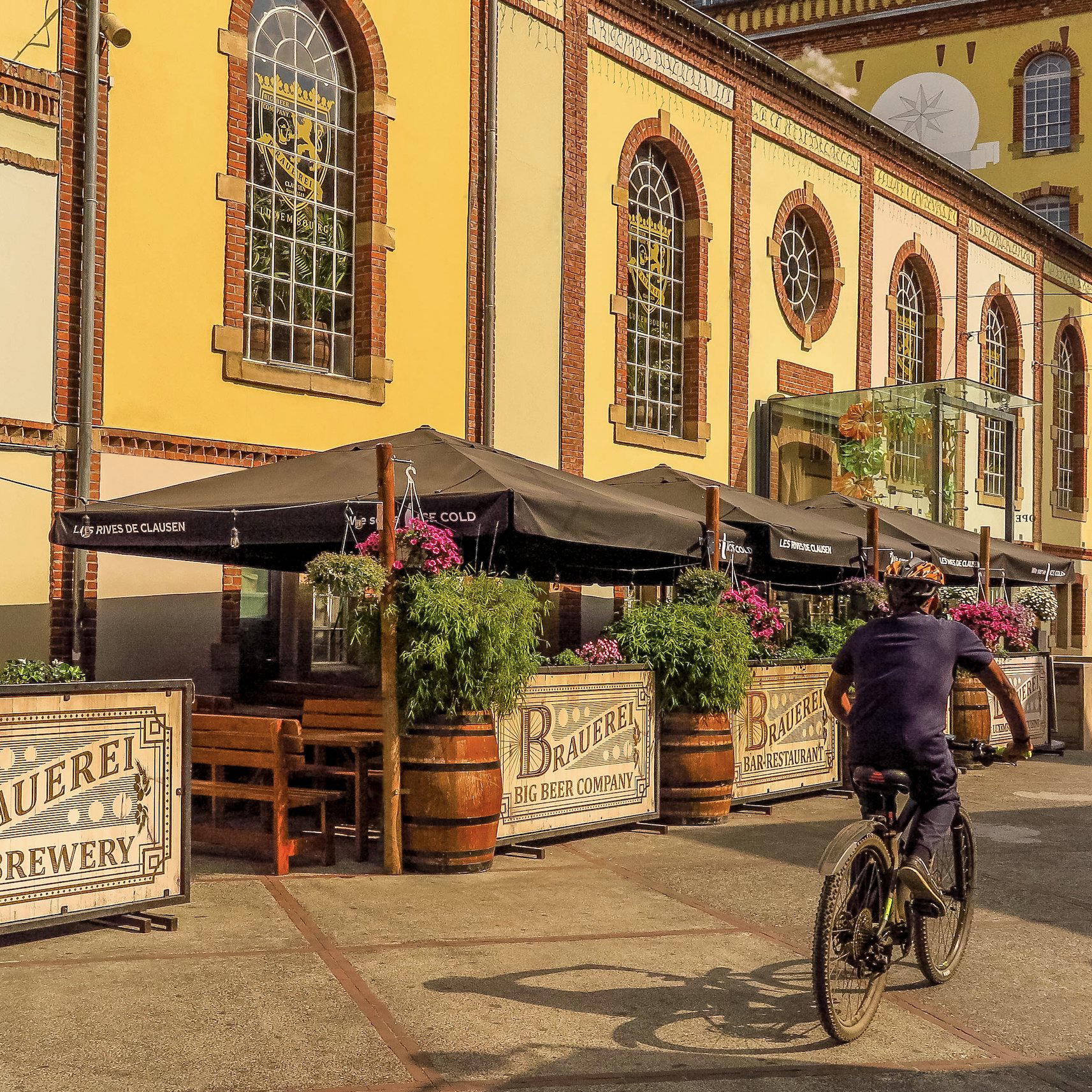
The hospitality model also reflects a regional pattern: wine estates in the Moselle increasingly need to explain themselves through food, not just tasting pours. The pavilion and restaurant side gives the wines a dining context, while shop and tasting formats keep the estate grounded in producer culture. A medium-capacity setup suits groups, wine education, and occasion dining without turning the experience into a crowd-management exercise. The overall tone is polished and traditional, with conversation-level energy rather than bar-room noise.
This is not a place to approach as a chef-led restaurant profile or a destination built around a single plated dish. The stronger reading is wine-led: how the estate’s whites behave with food, how Crémant functions as an aperitif or pairing, and how the river valley’s moderate climate shapes acidity and aromatic lift. The dining component gives structure to that reading, especially for guests who understand a region more clearly when a bottle is placed beside a plate rather than poured in isolation.
How to place it within a Remich wine itinerary
Remich rewards a focused wine day rather than a checklist sprint. The winery suits travelers who want a composed, tradition-forward stop with estate wines, Crémant, and food pairing in the same frame. The visit type is by reservation, and the dress code sits in smart-casual territory, which fits the estate’s refined but not stiff character. Street parking is listed, and the venue is better read as a planned appointment than an improvised drop-in between river walks.
For broader context in the city, EP Club’s Remich coverage can help shape the rest of the day: see Our full Remich wineries guide, Our full Remich restaurants guide, Our full Remich hotels guide, Our full Remich bars guide, and Our full Remich experiences guide. Nearby winery pages for further planning include Caves Krier Frères, Caves St Martin, Caves St. Martin Remich S.A. Domaine L&R Kox, and Domaine Mathis Bastian.
For readers extending the Moselle and Central European wine thread beyond Remich, useful reference points include Aly Duhr in Ahn, Caves Berna in Wormeldange, Caves Bernard-Massard in Grevenmacher, »der Steiner« Hans Steiner in Podersdorf am See, and & Handwein in Mannheim. The point is not to rank these addresses against one another, but to keep Luxembourg’s Moselle in a wider conversation about cool-climate whites, regional sparkling wine, and family estates with enough history to make place legible in the glass.
Recognition history
Dated appearances from independent guides and award organizations, with the underlying list record or original source where available.
Falstaff Winery - Listed
Falstaff
Continue exploring
More in Remich
At a Glance
- Scenic
- Classic
- Elegant
- Sophisticated
- Special Occasion
- Corporate Event
- Group Outing
- Wine Education
- Historic Building
- Design Destination
- Private Tasting
- Waterfront
- Moselle Luxembourg
- Sparkling
- Still White
- Still Rosé
- Dessert
- Guided Tasting
- Restaurant Tasting
- Shop Tasting
Refined and tradition-forward, with a scenic Moselle riverside setting that feels timeless and elegant.