Di Majo Norante

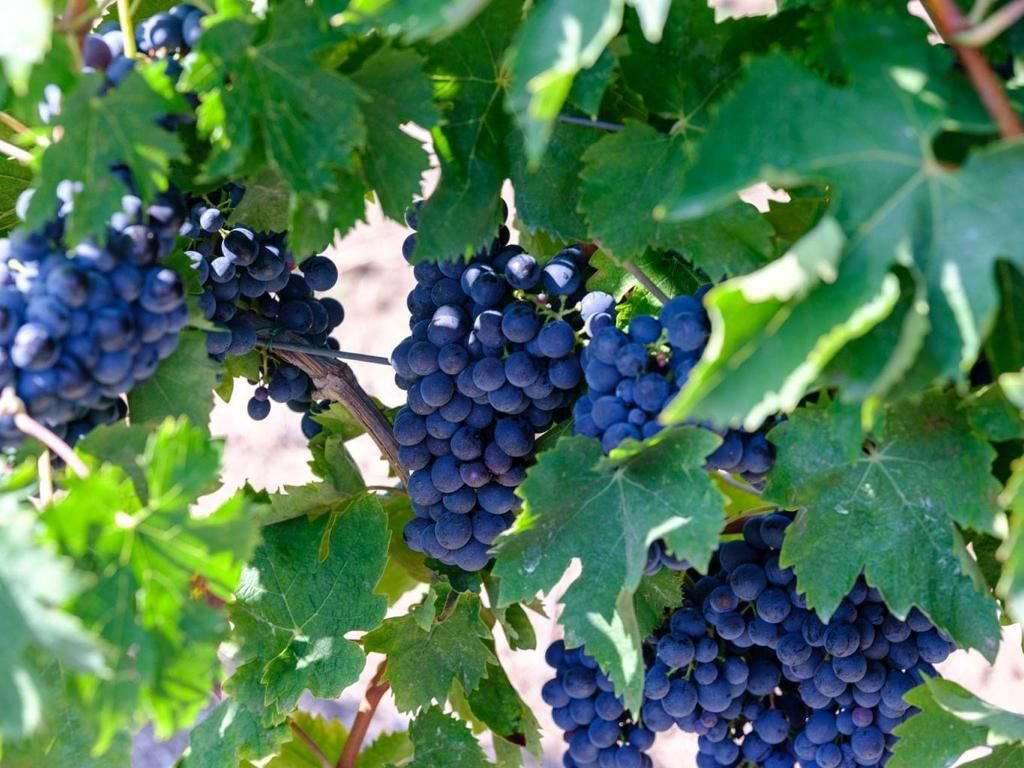
Di Majo Norante gives Molise a serious reference point: a family-run Campomarino estate working with Aglianico, Montepulciano, Tintilia, Falanghina, Greco, and Moscato Reale from organic vineyards. The interest here is the coastal-rural terroir, loose sandy soils, summer breezes, and a portfolio that has brought Gambero Rosso Tre Bicchieri attention to a region often bypassed on Italian wine itineraries.
Pearl is the En Primeur Club membership app — saves, bookings, and concierge access live there. Same editors, same standards.
- Address
- Campomarino, Provincia Campobasso, Italien
- Directions
- Get directions
 Saves & bookings on Pearl
Di Majo Norante is a historic family-run estate in Campomarino, set in the countryside and surrounded by vineyards. The appeal is rustic and agricultural rather than polished or urban: a scenic Molise setting where the character comes from land, tradition, nature, and a low-intervention organic farming philosophy. It is the kind of place best approached through its landscape and agricultural identity, not through the language of a heavily staged destination. The core impression is of a rural estate whose value lies in continuity, setting, and a clear relationship with the countryside around it.
Because the public details are limited, it is best to frame Di Majo Norante simply and accurately: a classic countryside estate in Campomarino with a hidden-gem feel. Specific claims about varieties, visit formats, awards, opening arrangements, or services should be confirmed directly before planning a visit. That restraint is important here, because particularly dependable description is also one persuasive one: a historic family-run property, in a vineyard landscape, with an organic and low-intervention outlook that fits naturally with its rural Molise context.
Molise countryside and vineyard setting
Di Majo Norante is best understood through its setting: Campomarino countryside, vineyards, and a rural Molise estate atmosphere. The information supports a picture of a place rooted in agricultural tradition and the surrounding landscape, rather than a venue defined by urban hospitality or spectacle. Its identity begins with the sense of being out in the country, where vineyards and open agricultural surroundings shape the way the estate is perceived. For travelers, that means the experience should be read less as a checklist stop and more as a chance to encounter a classic Molise countryside character.
The estate’s character is rustic, scenic, and classic. Those words are useful because they do not overstate the available information, but they do capture the tone: grounded rather than glossy, agricultural rather than theatrical, and connected to a landscape that gives the place its quiet appeal. The hidden-gem feel comes from that same combination of countryside setting and traditional estate identity.
No confirmed awards or ratings are included in available information, so they should not be used as the basis for describing the winery. The stronger, safer description is that it is a family-run Molise estate whose appeal comes from countryside setting, vineyards, and a traditional organic-farming outlook. That description is broad, but it is also precise in the ways that matter: it points to the estate’s rural context, its family-run nature, and the farming philosophy that frames it without adding unsupported detail.
Organic farming without the lifestyle gloss
The philosophy behind the winery is centered on tradition, nature, and low-intervention organic farming. That is one reliable lens for the estate: not as a luxury-staged destination, but as a rural property where the agricultural setting is central to the experience. The emphasis on nature and tradition gives the place a different kind of appeal, one based on restraint and rootedness rather than presentation. It suggests a venue where the land is not a decorative backdrop, but part of the estate’s fundamental identity.
Its rustic feel matters. The winery reads as a countryside estate with a classic, hidden-gem quality, suited to travelers who value place and farming context over highly scripted hospitality claims. Any specific information about technology, systems, personnel, founding dates, or production methods should be checked directly with the estate. Keeping the description at that level avoids turning a grounded rural property into something more polished or elaborately packaged than the available information supports.
For that reason, particularly accurate description remains broad: the winery is a historic family-run Molise estate in Campomarino, surrounded by countryside and vineyards, with a traditional and organic low-intervention philosophy. That summary is not vague so much as appropriately careful. It highlights the qualities that can be stated with confidence while leaving practical and technical specifics to be by the estate itself.
A Campomarino visit for countryside travelers, not checklist tourism
For travelers considering the winery, the draw is the setting: countryside, vineyards, rustic agricultural character, and a quieter scenic feel. It is a good fit for those looking for a classic Molise estate atmosphere rather than a venue defined by nightlife, spectacle, or a dense urban dining scene. The appeal is slower and more place-based, with the countryside doing much of the work. Visitors who respond to rural landscapes, family-run estates, and traditional farming contexts are the ones most likely to understand the tone of the place.
Campomarino has other dining and travel options, but the winery should be treated on its own terms: a countryside estate with a hidden-gem feel and a philosophy tied to nature, tradition, and low-intervention organic farming. That means avoiding assumptions about what will be offered on a given day and focusing instead on the estate’s essential profile. Its place in a trip is strongest when it is framed as part of a broader rural Molise experience, not as an urban-style venue with guaranteed layers of programmed hospitality.
For broader trip planning, compare the winery with other Campomarino options generically, and confirm current visit details directly before making plans. The safest approach is to use the available description as a starting point, then verify anything practical or specific with the estate. In editorial terms, the winery is best presented with clarity and restraint: historic, family-run, rural, vineyard-surrounded, organic in outlook, and shaped by the countryside around Campomarino.
Recognition history
Dated appearances from independent guides and award organizations, with the underlying list record or original source where available.
Falstaff Winery - 4 Stars
Falstaff
Continue exploring
More in Campomarino
Wineries in Campomarino
Browse all →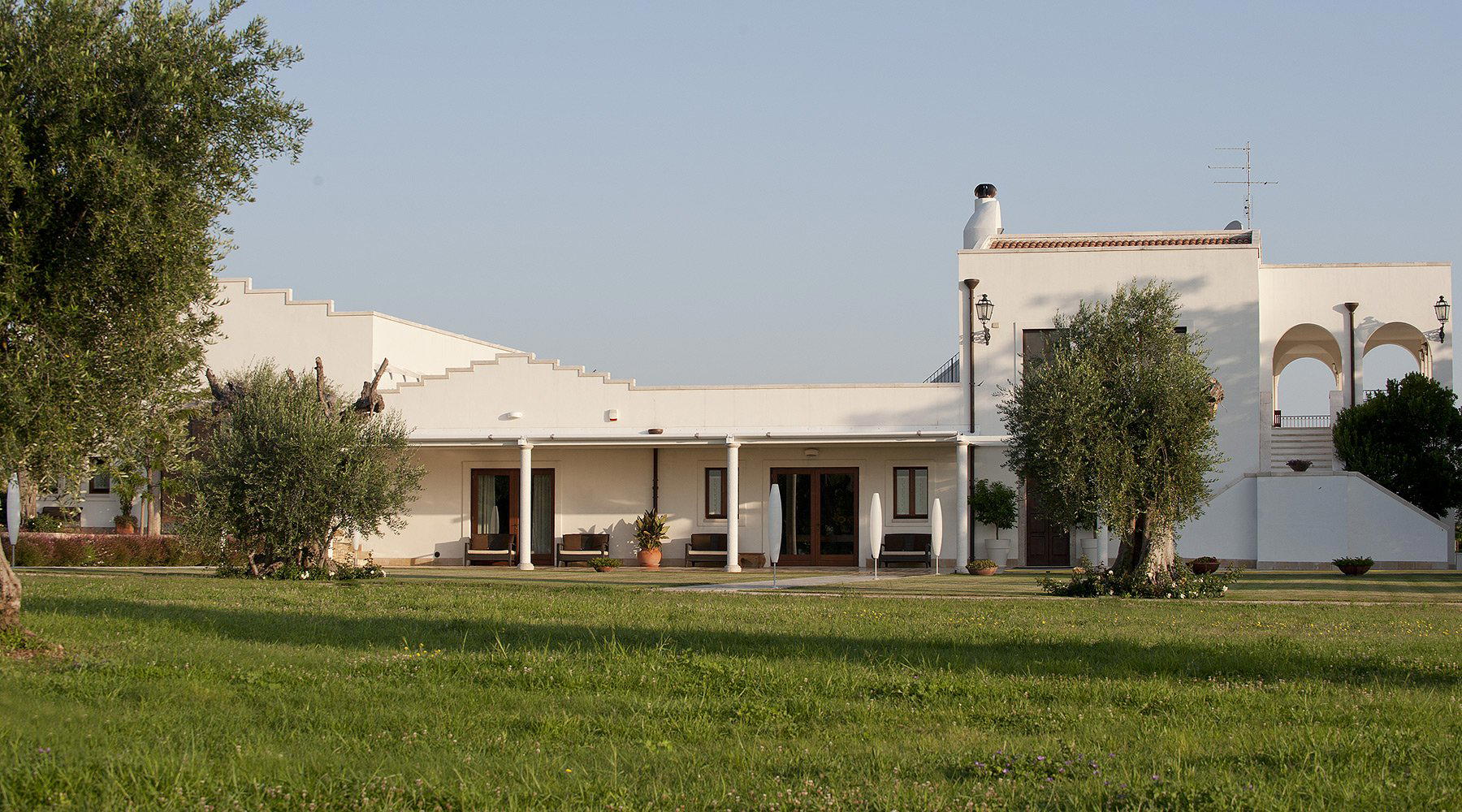
Restaurants in Campomarino
Browse all →
Hotels in Campomarino
Browse all →
At a Glance
- Rustic
- Scenic
- Classic
- Wine Education
- Group Outing
- Romantic Getaway
- Solo Exploration
- Estate Grounds
- Vineyard Tour
- Historic Building
- Organic
- Sustainable
- Vineyard
- Garden
- Molise DOC / Biferno DOC
- Aglianico
- Montepulciano
- Sangiovese
- Tintilia
- Falanghina
- Greco
- Moscato Reale
- Still Red
- Still White
- Still Rosé
- Sparkling
- Dessert
- Estate Tasting
- Vineyard Visit
Historic family-run Molise estate surrounded by countryside and vineyards, with a rustic agricultural feel and a philosophy centered on tradition, nature, and low-intervention organic farming.