
Falstaff Winery - Listed
Crosarola is a small family-run Valpolicella cellar in Fumane, built around guided tastings among barrels, vineyard context, and local cheese and sausage pairings. The interest here is not polish but proximity: Corvina-led reds, Ripasso, Recioto, and Amarone explained close to the working equipment and the hills that shape them.

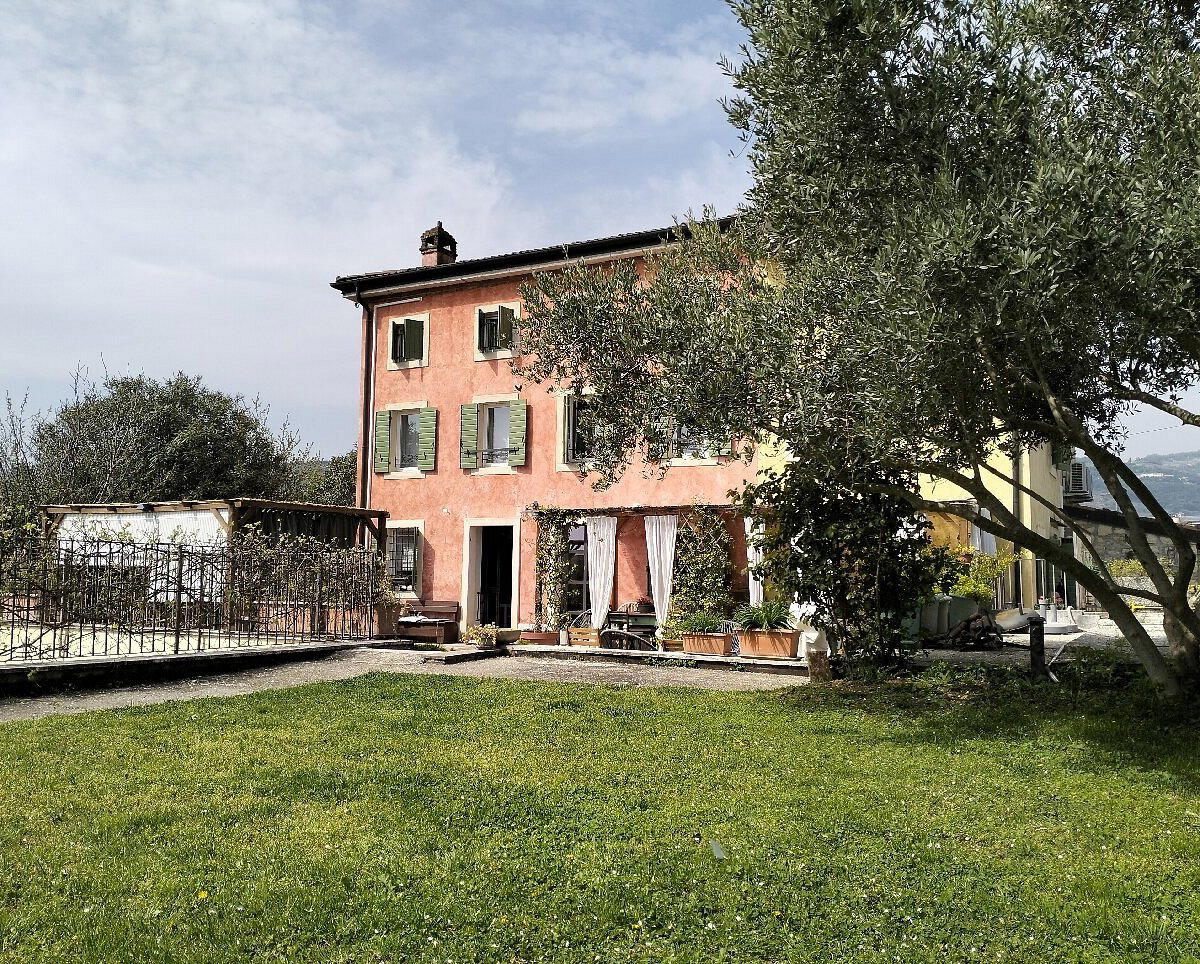
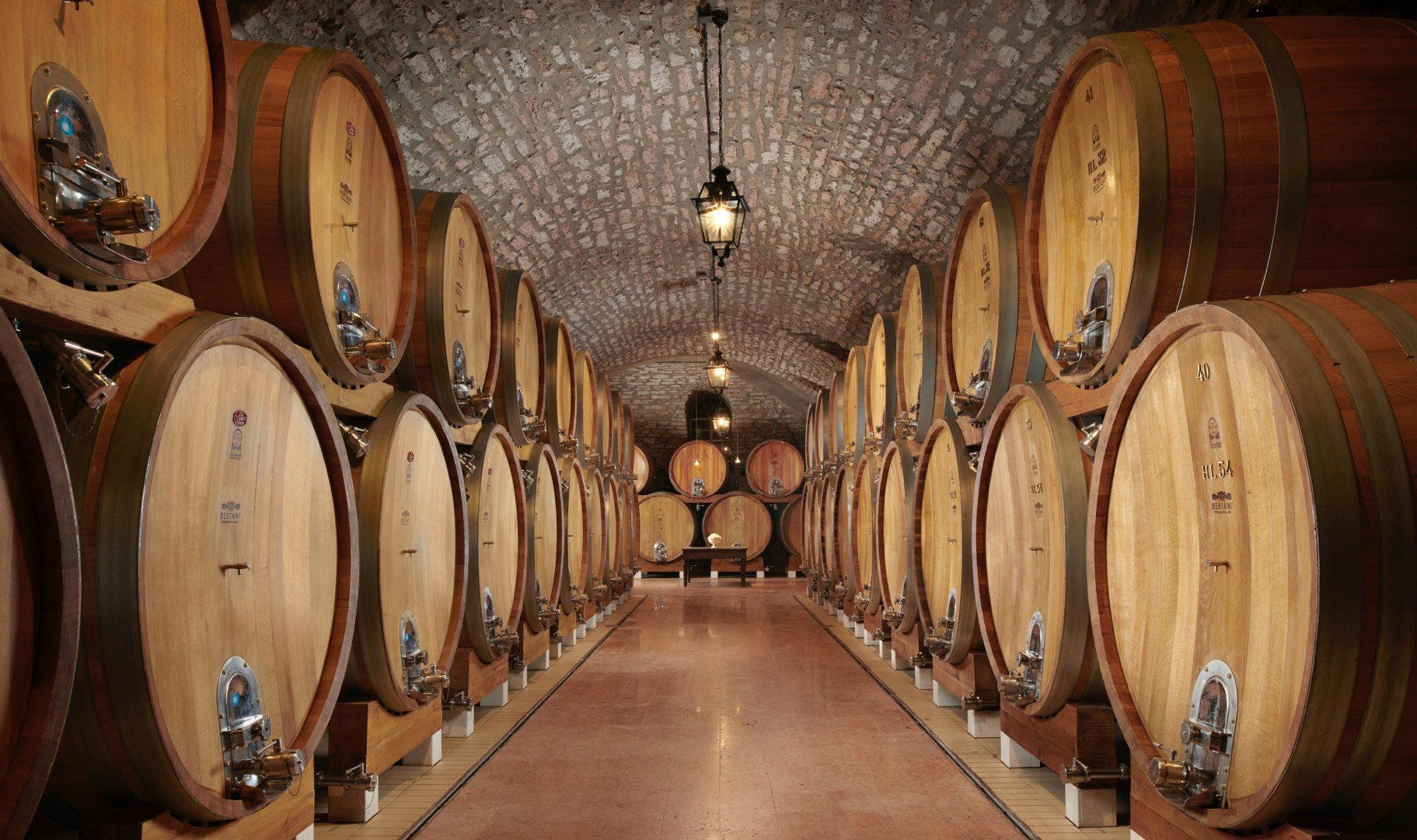
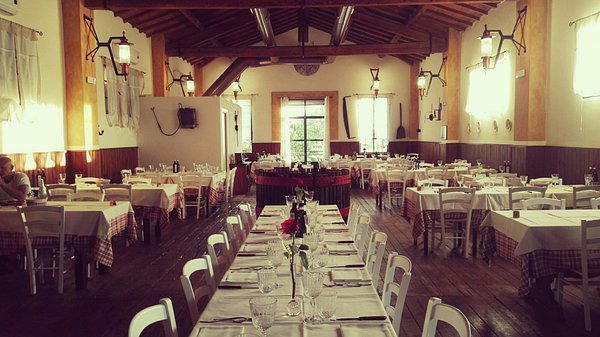
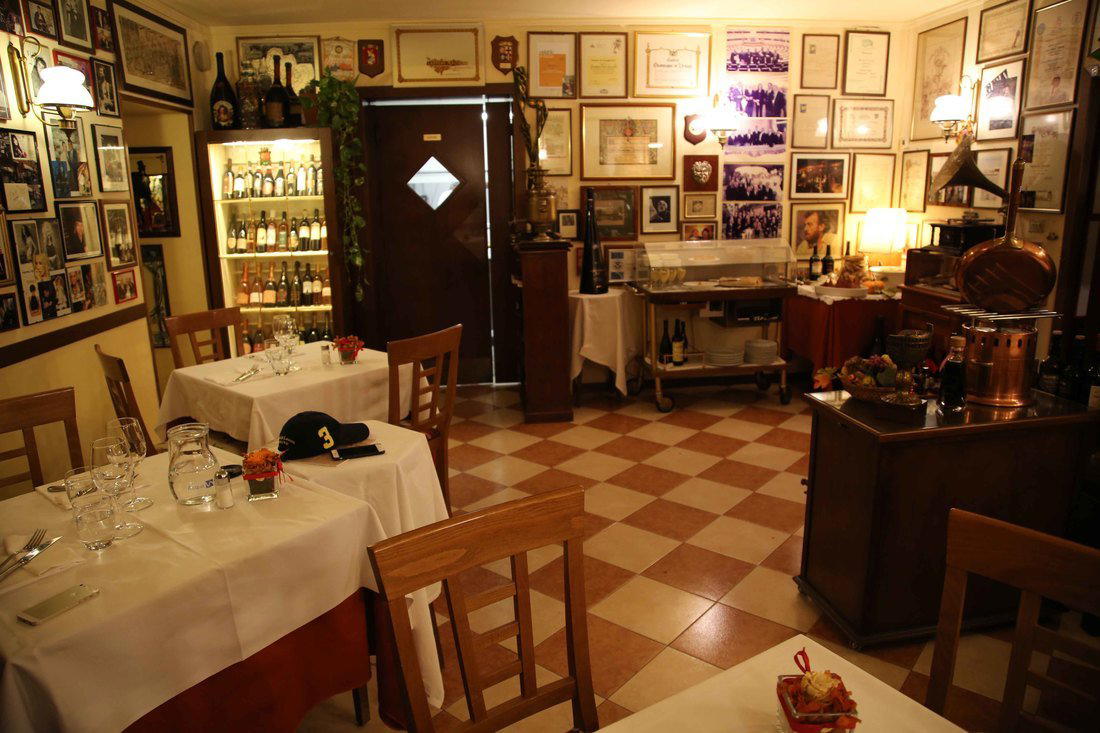
The Valpolicella hills around Fumane read first through texture: vineyard rows, clay soils, working cellars, and a style of hospitality that often feels closer to farm culture than formal wine tourism. Crosarola fits that register. Tastings take place in a traditional cellar setting, with barrels and equipment in view, conversation kept at a human scale, and the wines framed by local cheese and sausage rather than staged ceremony.
That matters in a region where the visitor economy can easily flatten Valpolicella into a single Amarone headline. Fumane has deeper range than that. Corvina, Corvinone, Rondinella, and Molinara give the area its classic grammar; appassimento and Ripasso give it structure and weight; smaller family cellars give the traveller a chance to understand how those choices are made without the distance of a polished showroom.
Valpolicella seen from a working cellar, not a tasting salon
Crosarola’s appeal sits in the small-estate model. The winery was established in 2000 by Sebastiano Righetti after a family history of grape growing, moving from supplying fruit to vinifying under its own name. That shift is a useful lens on modern Valpolicella: many compelling visits in the area are less about architectural statement and more about families who control fruit, cellar work, and guest contact in the same place.
The production scale remains compact, with fruit tied to three vineyards and a cellar experience built around guided tastings, private appointments, and vineyard context. The format is conversational rather than performative. English, Italian, and German are listed for tours, which broadens the audience without turning the visit into a generic script. For travellers comparing wine regions, the difference is clear: this is closer to a grower visit than a luxury hospitality complex.
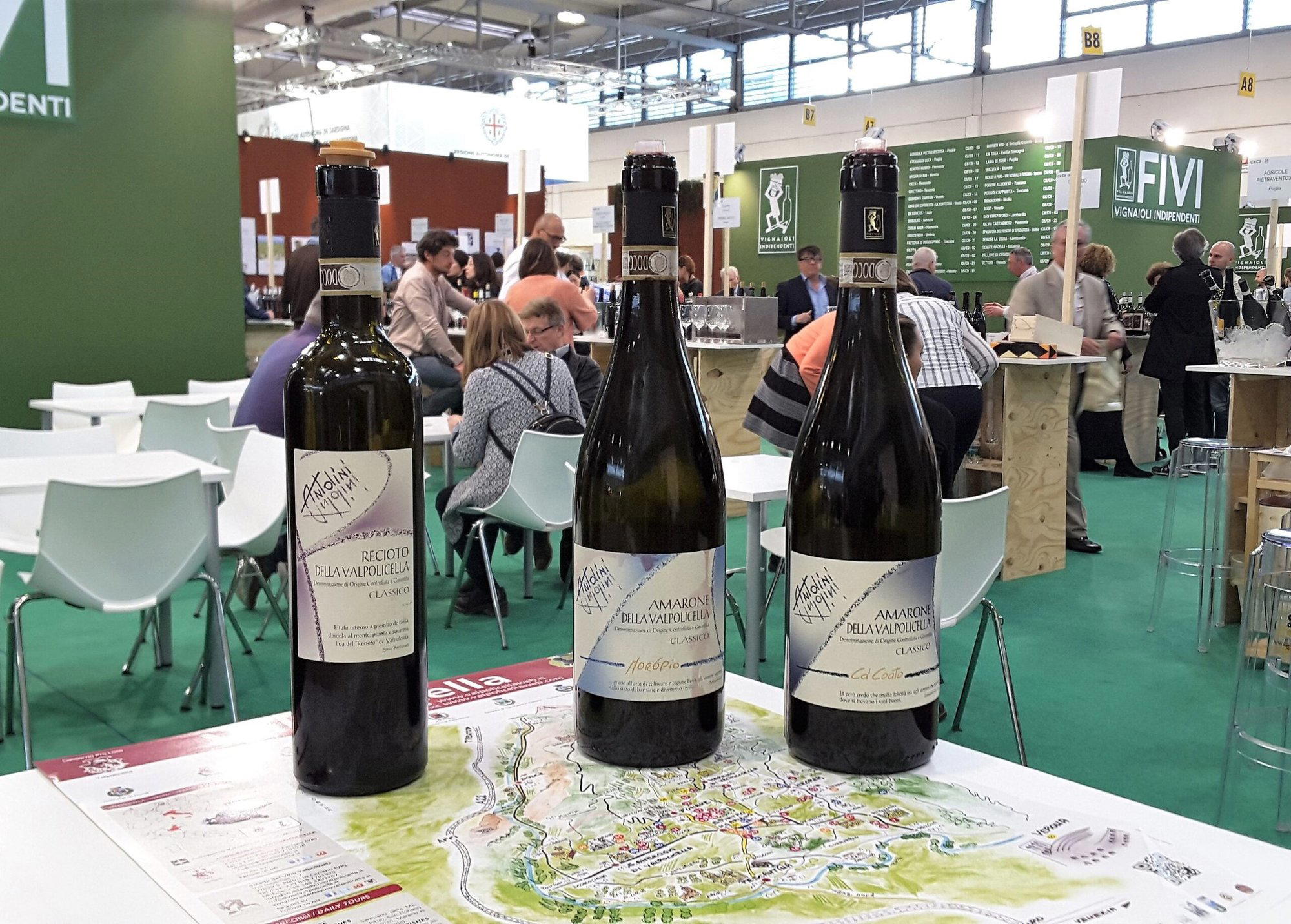
The wines track the appellation’s essential progression. Valpolicella Superiore gives the table-wine end of the spectrum, led by the local red varieties. Ripasso adds the region’s second-fermentation logic, gaining body through contact with the marc from Recioto and Amarone production. Recioto keeps the sweet, partially dried-grape tradition in view. Amarone della Valpolicella DOCG and a Riserva expression move into the darker, more powerful end of the local canon. The point is not novelty; it is the chance to taste the region’s methods in sequence, inside the kind of cellar that explains why they exist.
Clay, hillside exposure, and the weight of appassimento
Valpolicella’s identity depends on contrast. The hills moderate ripeness, the soils hold enough structure to support late-season concentration, and the traditional varieties bring acidity and perfume where heavier reds might otherwise collapse into alcohol. Crosarola works within Valpolicella DOC and Amarone della Valpolicella DOCG territory, with Corvina, Corvinone, Rondinella, and Molinara forming the local base. Cabernet Franc and Sangiovese also appear in the estate’s broader varietal mix, but the regional language remains anchored in Veneto’s red grapes.
The cellar’s Ripasso and Amarone focus puts the visitor in direct contact with Valpolicella’s defining technique: concentration through dried grapes and secondary fermentation rather than simple extraction. In editorial terms, this is where the region separates itself from many Italian red-wine areas. A tasting that moves from Valpolicella Superiore into Ripasso, Recioto, and Amarone is not just a flight; it is a practical lesson in how sweetness, drying, tannin, alcohol, and acidity are balanced across related styles.
Crosarola also offers a useful counterpoint to the misconception that Amarone alone explains the area. The more instructive visit is one that pays attention to the lighter and middle-weight wines too, because they show the same land before appassimento and cellar technique increase the volume. The estate’s cellar tasting format, with food pairings kept simple and local, supports that reading better than a luxury tasting built around spectacle.
How to place Crosarola in a Fumane wine itinerary
Fumane rewards travellers who plan around appointment-led cellars rather than expecting a walk-in circuit. Crosarola is listed as a reservation-recommended visit, with guided tastings, cellar tastings, private appointments, vineyard tours, and estate-ground experiences among the available formats. A typical tour duration is 60 to 90 minutes, enough time to treat it as a focused stop rather than a quick pour before lunch.
The mood is casual, the noise level conversational, and the setting better suited to adults interested in wine education, a group outing, or a low-key romantic detour than to a family day out. Food pairing is part of the appeal, especially because local cheese and sausage keep the wines tied to the table rather than to tasting-room abstraction. On-site parking and card or cash payment are listed, while shipping availability helps visitors who want bottles to follow them home.
Within a broader Fumane stay, the smarter approach is to make Crosarola one cellar in a measured day rather than stacking appointments too tightly. Valpolicella wines can carry weight, especially when Amarone and Recioto enter the sequence. Leave space between tastings, keep lunch grounded in local food, and use the village as a base for understanding how the appellation changes from producer to producer without reducing the day to alcohol content and oak.
For wider planning in the area, EP Club’s Fumane pages can help build the rest of the trip: Our full Fumane wineries guide, Our full Fumane restaurants guide, Our full Fumane hotels guide, Our full Fumane bars guide, and Our full Fumane experiences guide. Nearby winery pages include Allegrini, Ca' dei Maghi, Corteforte, Cottini Marco, and Dindo. Further afield, compare the Veneto and beyond through 3GP SRL in Treviso, 47 Anno Domini in Trebaseleghe, A Mano Wine in Noci, »der Steiner« Hans Steiner in Podersdorf am See, and & Handwein in Mannheim.
Frequently asked questions
How would you describe the overall feel of Crosarola?
Crosarola feels like a working cellar first and a tasting room second. The setting is family-run and informal, in Fumane in the Valpolicella hills, with tastings held among barrels and equipment rather than in a polished salon.
What's the address for Crosarola?
Crosarola is located at Fumane, Veneto, Italien, Fumane.
Is Crosarola expensive?
Pricing at Crosarola is listed as $$.
What makes Crosarola worth visiting?
Its draw is the small-estate format: Crosarola was established in 2000 and operates by reservation, which keeps the experience focused and personal. It also gives visitors access to Valpolicella DOC and Amarone della Valpolicella DOCG wines from a family winery that pairs tastings with local cheese and sausage.
Recognition history
Dated appearances from independent guides and award organizations, with the underlying list record or original source where available.
Falstaff Winery - Listed
Falstaff
Request a visit to Crosarola
Tell us when you would like to go and how many people, and we put the request to the estate and reply to you by email.
Continue exploring
More in Fumane
Wineries in Fumane
All wineries in Fumane →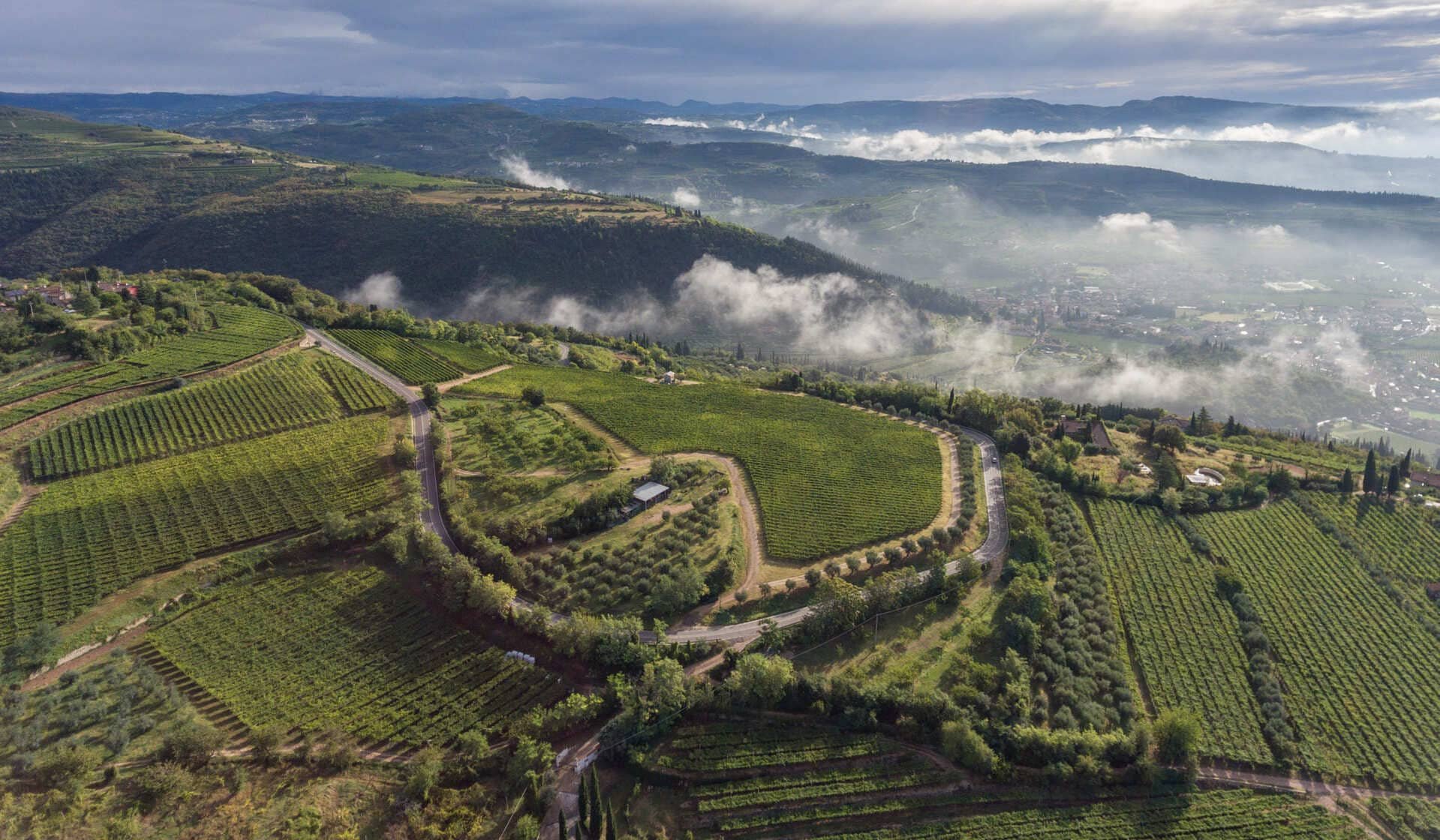
Bars in Fumane
Browse all →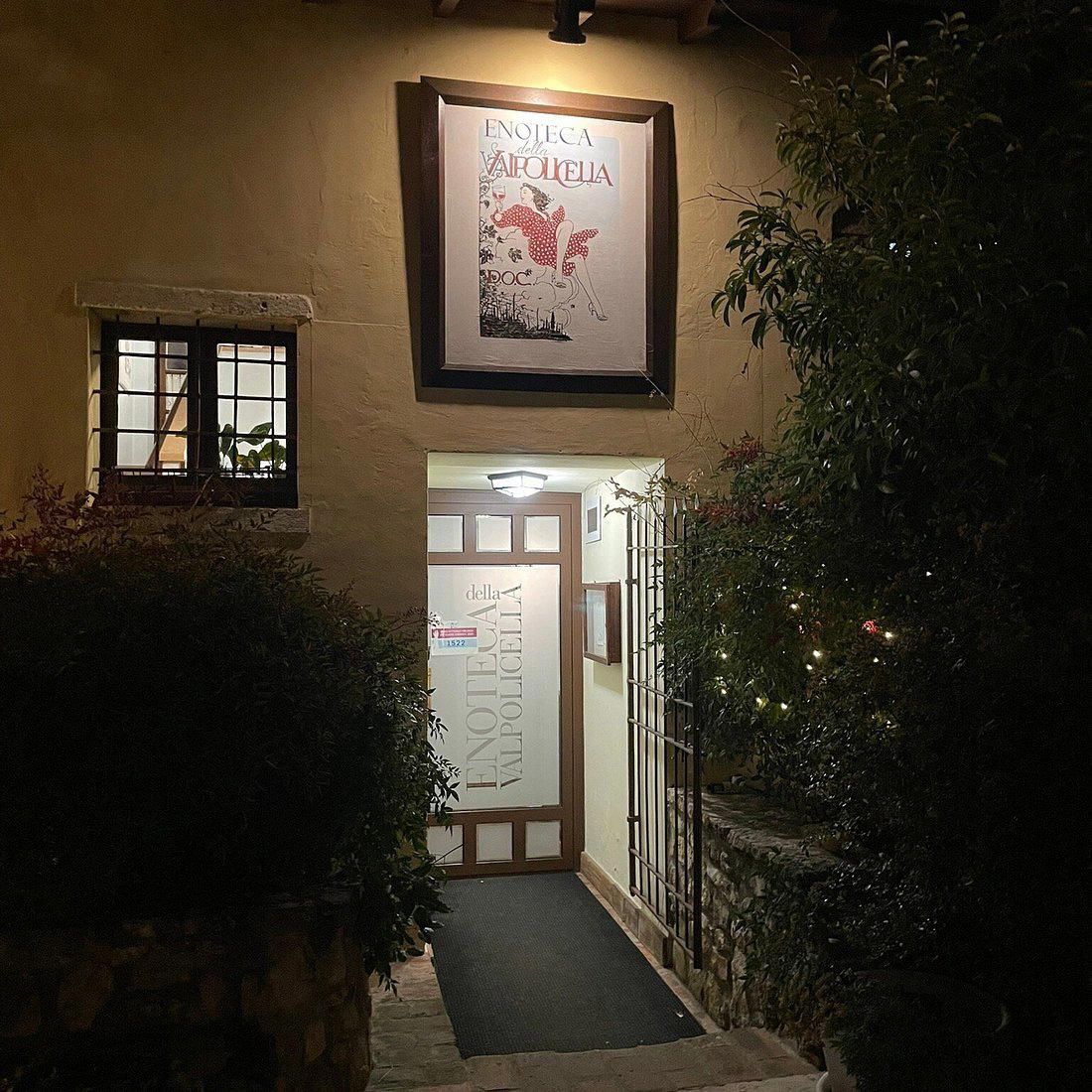
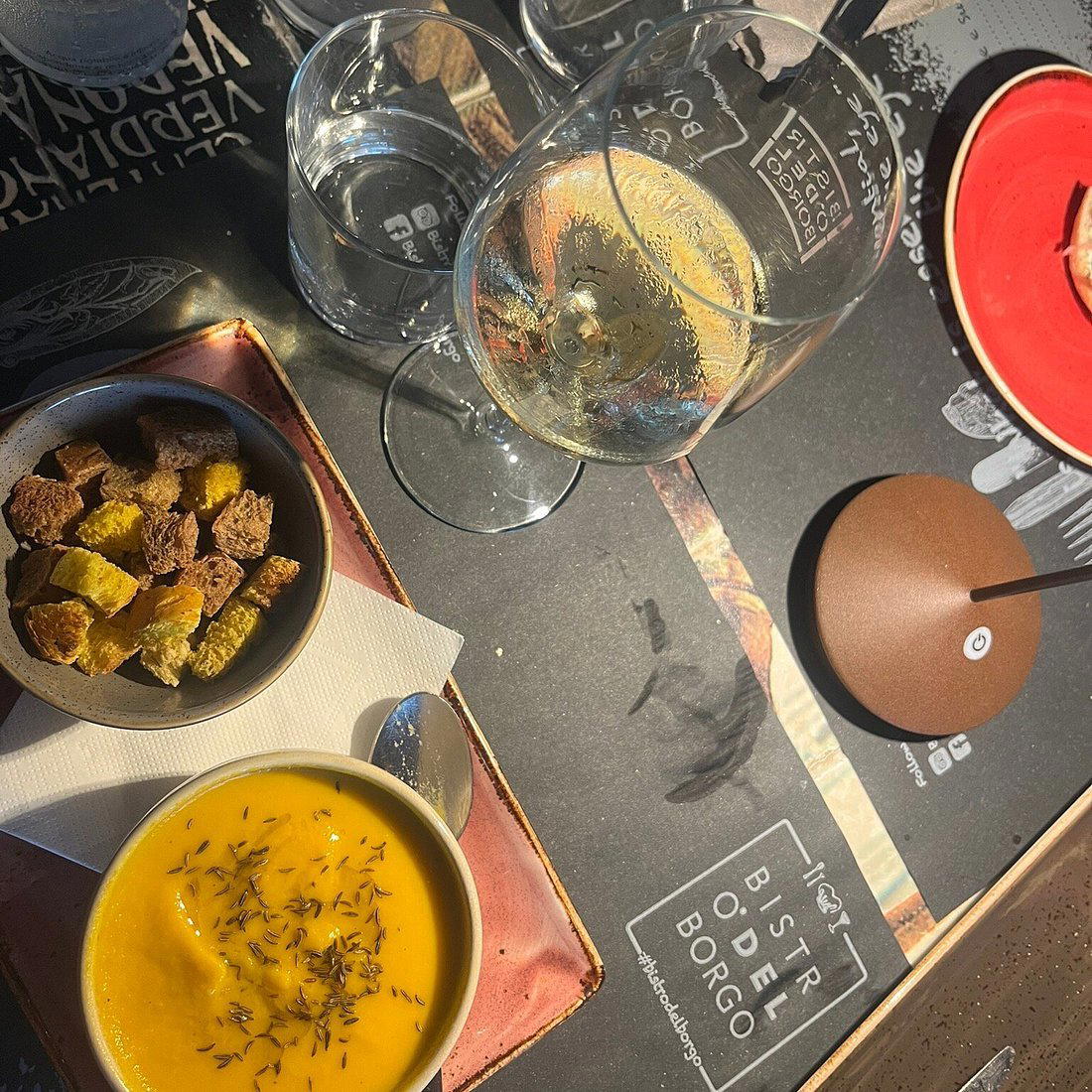
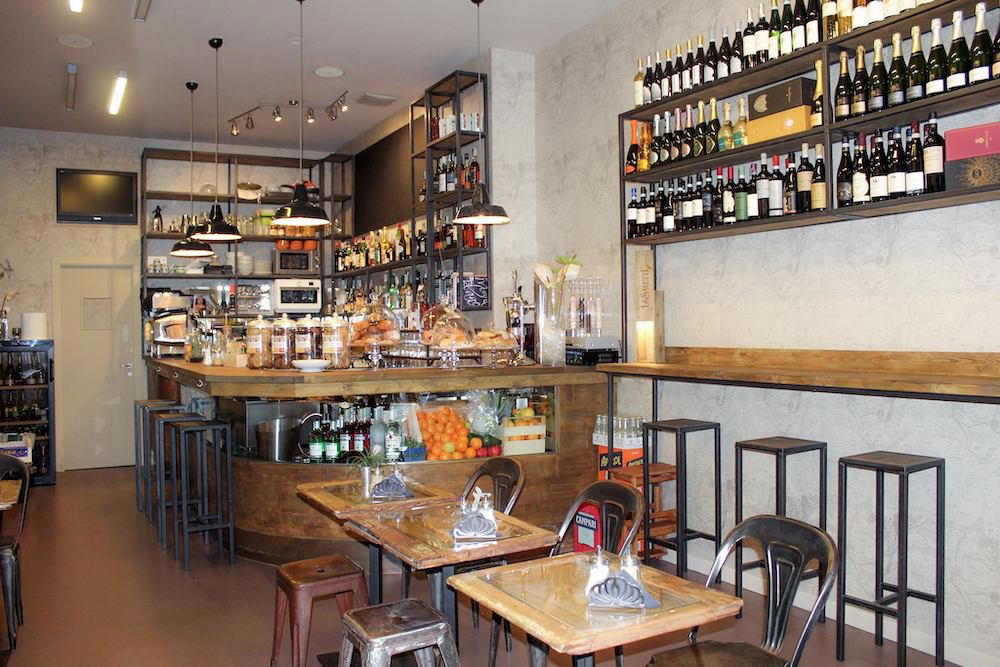
Restaurants in Fumane
All restaurants in Fumane →
Details
- Cozy
- Rustic
- Intimate
- Classic
- Scenic
- Group Outing
- Romantic Getaway
- Wine Education
- Special Occasion
- Solo Exploration
- Vineyard Tour
- Estate Grounds
- Private Tasting
- Sustainable
- Vineyard
- Corvina
- Corvinone
- Rondinella
- Molinara
- Cabernet Franc
- Sangiovese
- Still Red
- Dessert
- Guided Tasting
- Cellar Tasting
- Vertical/flight Tasting
- Private Appointment
- Italian
- English
- German
A small, family-run cellar in the Valpolicella hills with a cozy, informal atmosphere, where guests taste wines among barrels and equipment while chatting directly with the winemakers and enjoying simple local cheese and sausage pairings.