
Crama Avincis is a Dragasani wine estate where Romanian indigenous grapes meet a restored family manor and contemporary cellar architecture. The draw is terroir rather than spectacle: Crâmpoșie Selecționată, Tămâioasă Românească and Negru de Drăgășani are framed by vineyard tours, quiet grounds and a compact hospitality program built around the estate’s slopes.
Pearl is the En Primeur Club membership app — saves, bookings, and concierge access live there. Same editors, same standards.
- Address
- Strada Valea Caselor 1A, 245700 Drăgășani, Romania
- Phone
- +40 722 332 867
- Website
- avincis.ro
- Directions
- Get directions
 Saves & bookings on Pearl
Approaching the Dragasani hills, the wine country reads less like a grand European appellation and more like a working Romanian range of slopes, forest edges and river-valley light. Crama Avincis uses that setting with restraint: a restored neo-Brâncovenesc manor, contemporary winery buildings, vineyard rows and landscaped grounds set the tone before a glass is poured. The room is not the story on its own. The more interesting point is how Dragasani’s modern wine revival has made hospitality part of the argument for the wines, placing local varieties in a setting that gives visitors enough context to understand why this region matters.
Romania’s wine conversation often gets flattened into value or novelty abroad, but Dragasani asks for a more precise reading. This is an old viticultural area with grapes that do not need to imitate Bordeaux, Burgundy or the Loire to justify themselves. Crâmpoșie Selecționată, Tămâioasă Românească and Negru de Drăgășani anchor the local vocabulary, while Sauvignon Blanc, Pinot Noir and Cabernet Sauvignon show how international varieties behave on the same hillsides. Crama Avincis is useful because it puts those categories side by side rather than treating indigenous grapes as museum pieces.
Dragasani's native grapes get the main argument
The estate’s vineyard scale gives the visit its substance: 50 hectares planted, with 43 hectares bearing, and annual production around 200,000 liters. That places the property in the medium-estate tier, large enough to support a serious portfolio but not so large that the tasting becomes a brand exercise detached from place. The strongest editorial reason to pay attention is the way the range moves between Romanian grapes and familiar international markers, allowing a visitor to read the region comparatively without needing a technical seminar.
Crâmpoșie Selecționată carries particular weight in Dragasani because it signals local continuity in white wine. Tămâioasă Românească adds an aromatic Romanian reference point, while Negru de Drăgășani gives the red-wine side a regional identity of its own. The estate also works with Sauvignon Blanc, Pinot Noir and Cabernet Sauvignon, which makes the tasting format instructive: instead of asking whether Romanian wine can copy a known global style, the better question is how the same hillside handles native and imported material.
The portfolio supports that point through still white, still red, rosé, sparkling and orange wines. The named range includes Avincis Crâmpoșie Selecționată, Avincis Pinot Noir, Cuvée Petit Sauvignon Blanc, Cuvée Grandiflora, Cuvée Andrei Cabernet Sauvignon, Cuvée Alexis and traditional-method sparkling wine. Orange wine sits in the lineup as a contemporary signal, but it should be read as part of a broader regional recalibration rather than a gimmick. Dragasani’s stronger producers are not simply preserving tradition; they are deciding which traditions can carry a modern cellar.
A family estate rebuilt as a wine-tourism format
The Vila Dobrușa estate gives Crama Avincis a longer historical frame than many newer wine destinations. The property traces its family story to 1927, when Iancu and Maria Râmniceanu acquired the manor and vineyards, before the estate was later revived by descendants in the 2000s and opened to the public in 2011. That timeline matters because Romanian wine regions are still rebuilding international visibility after decades in which estate identity, private ownership and export reputation were interrupted or diluted.
Architecture helps make that history legible. The manor’s neo-Brâncovenesc character and the modern winery do not compete so much as mark two phases of Romanian wine culture: inheritance and reconstruction. This is where the estate’s hospitality becomes more than scenery. A vineyard tour here is also a lesson in how post-communist Romanian wine estates have had to rebuild not only vineyards and cellars, but the language of premium visitation itself.
Technical credibility comes through Andrea Previtali, the winemaker and production manager, whose background includes viticulture and oenology training in Alba and more than 15 years of wine-production experience across Italy, Spain, Romania and the United States. That credential is relevant because Dragasani’s challenge is not just heritage; it is translation. Indigenous grapes need careful handling if they are to be understood by visitors who arrive with reference points built around Chardonnay, Cabernet or Pinot Noir.
The estate also functions as a compact rural stay, with rooms and apartments integrated into the winery setting, plus outdoor grounds, terraces and vineyard views. For travelers building a Dragasani itinerary, the practical advantage is concentration: tasting, walking the estate and staying over can happen in one place, which reduces the friction that still affects some rural wine travel in the region.
Where Avincis fits in a Romanian wine itinerary
Dragasani is not a city wine bar scene with dense foot traffic; it is a destination that rewards planning around estates, roads and time in the vineyards. The winery fits the traveler who wants a structured encounter with Romanian terroir rather than a quick tasting counter. It is also a useful starting point for understanding why Oltenia’s wine identity deserves more attention: the indigenous grapes are not decorative, and the estate format gives them a physical setting that makes the region easier to read.
For the non-wine parts of a stay, EP Club also maintains the Dragasani restaurants guide, Dragasani hotels guide, Dragasani bars guide and Dragasani experiences guide.
For a wider Romanian wine route, the point is contrast rather than ranking. Alcovin Măcin in Macin, Alira in Comuna Aliman, Aurelia Vişinescu in Buzau, Balla Geza in Paulis, Brutler & Lieb in Satu Mare, Budureasca in Comuna Gura Vadului and Clos des Colombes in Oras Olimp show how varied the country’s wine geography becomes once a traveler leaves a single region. For cross-border context, »der Steiner« Hans Steiner in Podersdorf am See and & Handwein in Mannheim broaden the Central European frame without pulling attention away from Dragasani’s own argument.
Recognition history
Dated appearances from independent guides and award organizations, with the underlying list record or original source where available.
Falstaff Winery - Listed
Falstaff
Continue exploring
More in Dragasani
Wineries in Dragasani
Browse all →Restaurants in Dragasani
Browse all →
At a Glance
- Scenic
- Romantic
- Elegant
- Rustic
- Sophisticated
- Romantic Getaway
- Group Outing
- Wine Education
- Special Occasion
- Corporate Event
- Vineyard Tour
- Estate Grounds
- Terrace
- Panoramic View
- Historic Building
- Design Destination
- Vineyard
- Waterfront
- Garden
- Dragasani
- Crâmpoșie Selecționată
- Tămâioasă Românească
- Negru De Drăgășani
- Sauvignon Blanc
- Pinot Noir
- Cabernet Sauvignon
- Still Red
- Still White
- Still Rosé
- Sparkling
- Orange
- Standard Tasting Flight
- Estate Tour With Tasting
- Premium Tasting
- Group Tasting
Current opening hours
- Monday
- 8 AM–5 PM
- Tuesday
- 8 AM–5 PM
- Wednesday
- 8 AM–5 PM
- Thursday
- 8 AM–5 PM
- Friday
- 8 AM–5 PM
- Saturday
- Closed
- Sunday
- Closed
Hours can change for holidays and private events. Last verified .
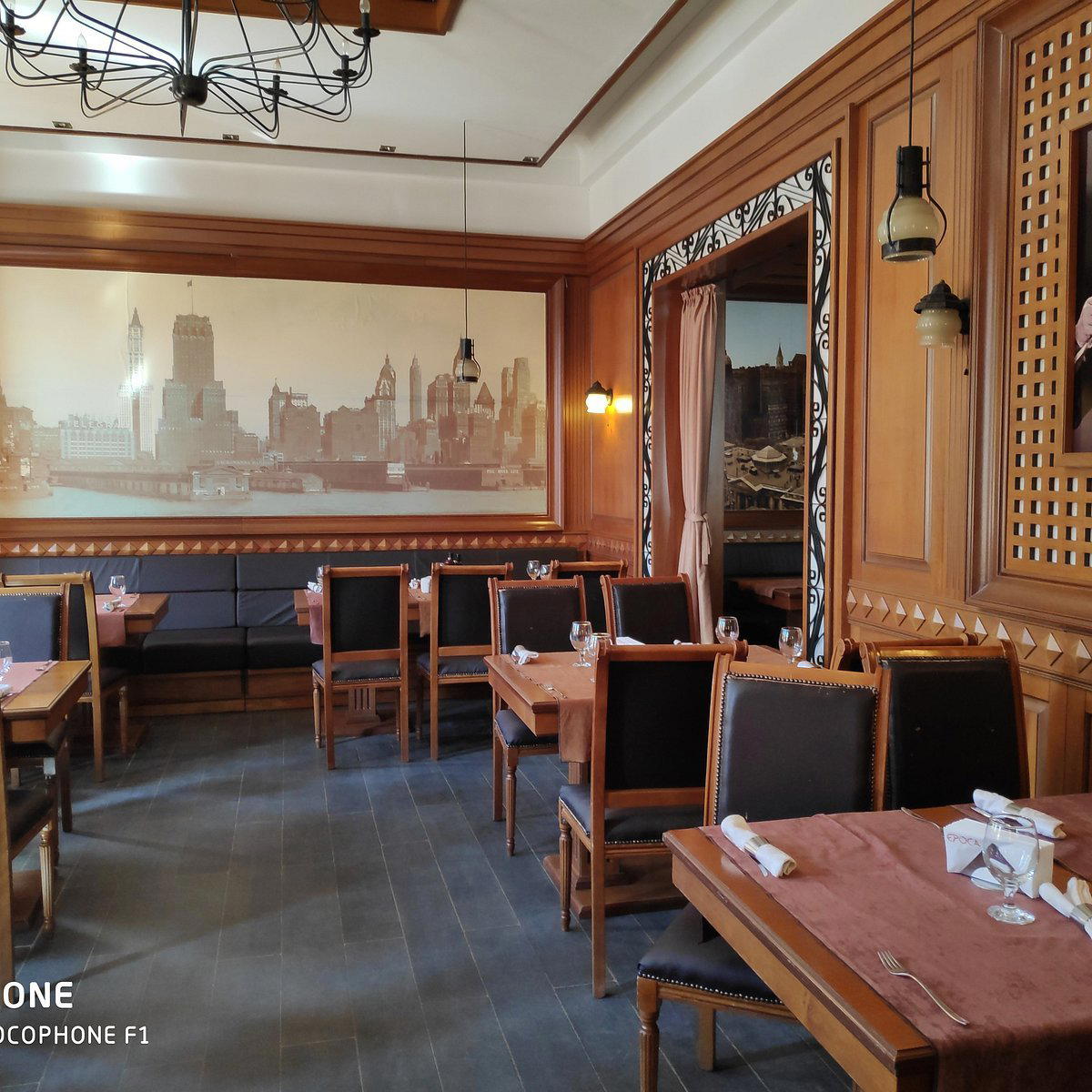
Historic family estate with a mix of neo‑Brâncovenesc manor and contemporary winery architecture, quiet and scenic, with landscaped grounds, vineyards and forest creating a refined yet relaxed atmosphere.[revino.ro