Clos des Baies

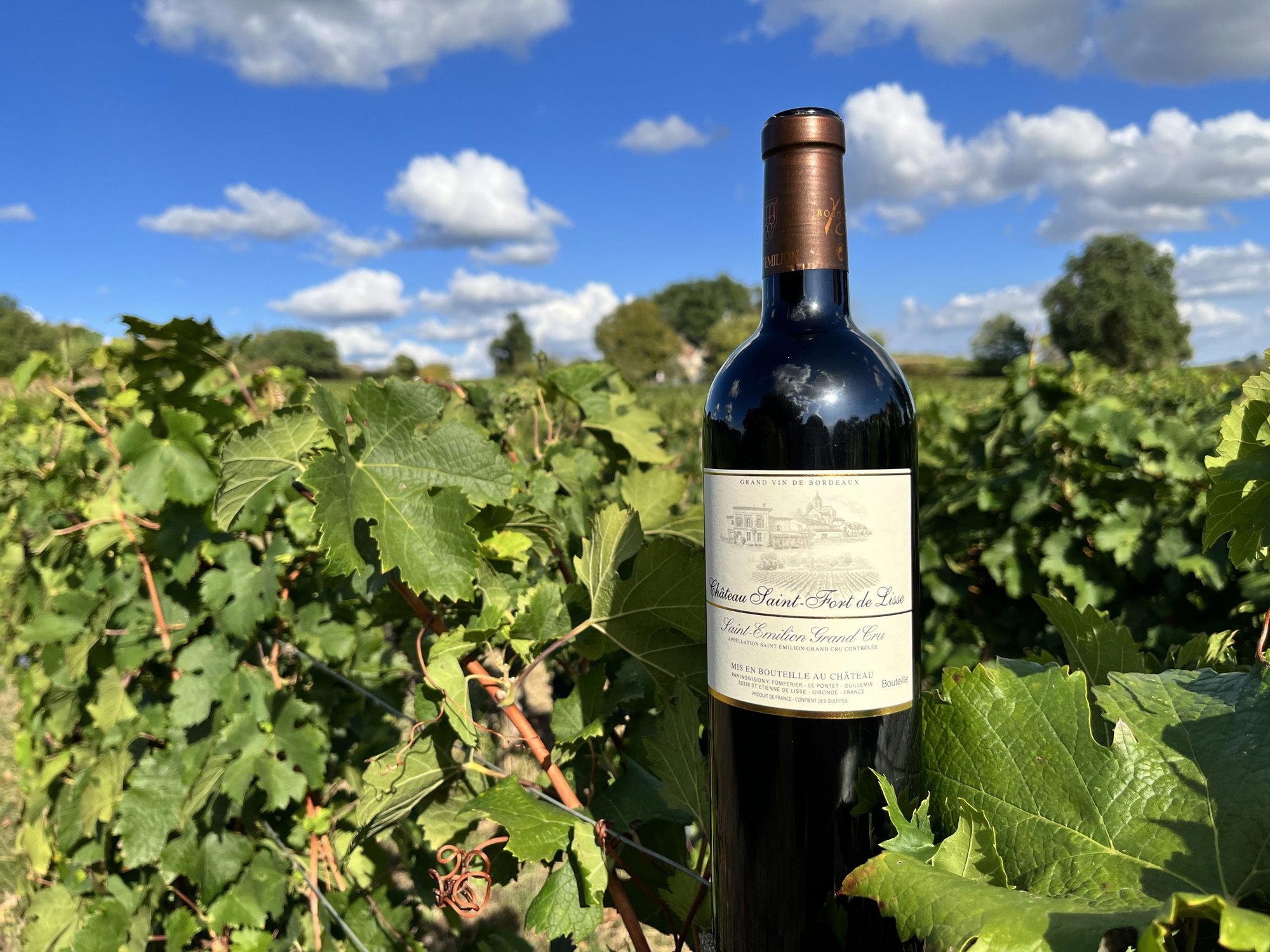
Clos des Baies is a small Saint-Émilion AOC estate in Saint Etienne De Lisse, built around Merlot, Cabernet Franc, older vines, and barrel aging rather than cellar-door theatre. Its scale is the point: about 2,000 bottles a year, manual harvest, and a single red wine shaped by clay-limestone soils.
Pearl is the En Primeur Club membership app — saves, bookings, and concierge access live there. Same editors, same standards.
- Address
- Saint-Étienne-de-Lisse, Nouvelle-Aquitaine, Frankreich
 Saves & bookings on Pearl
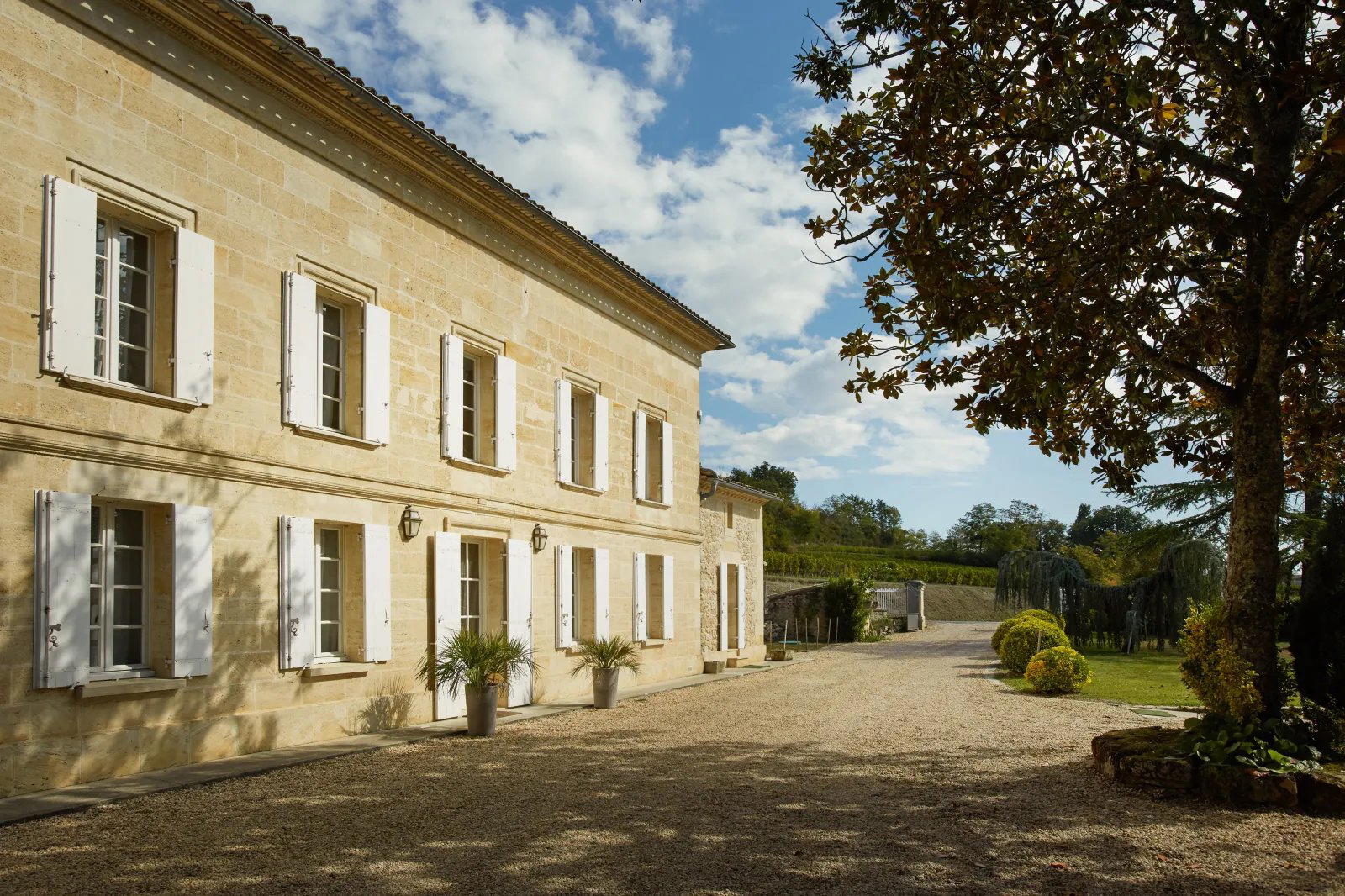
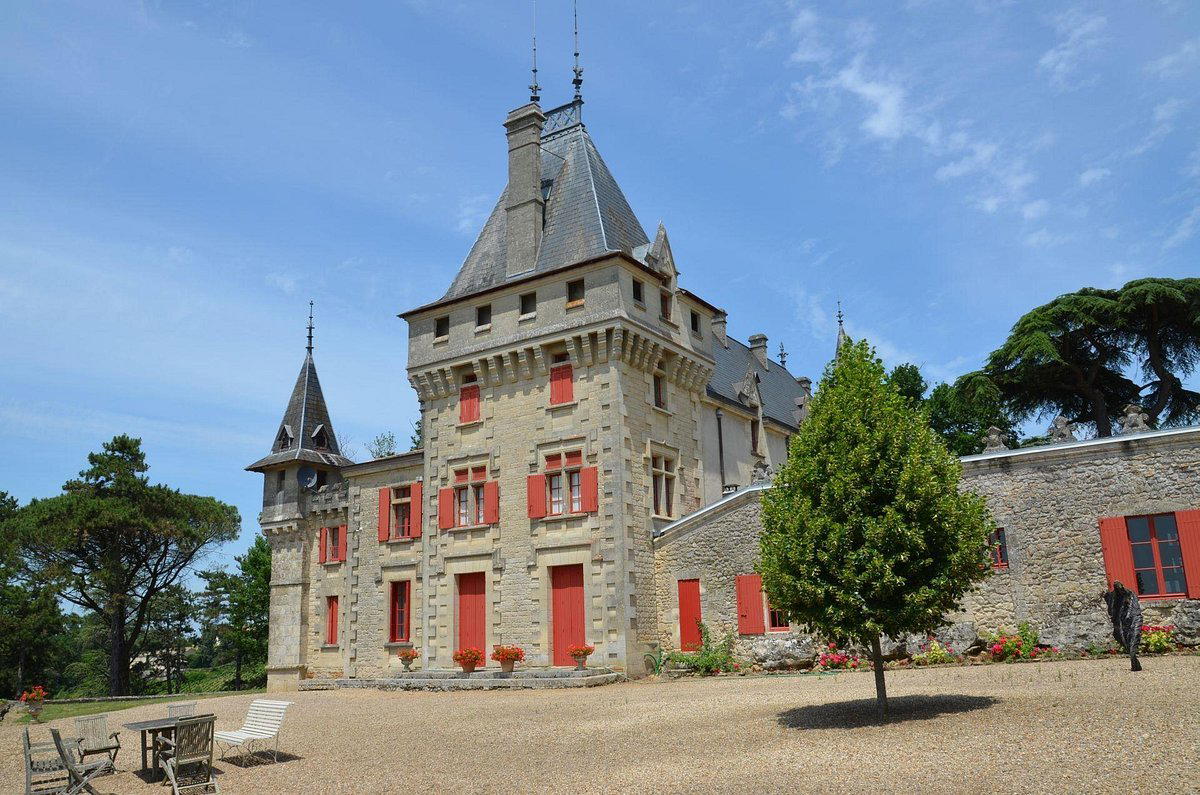
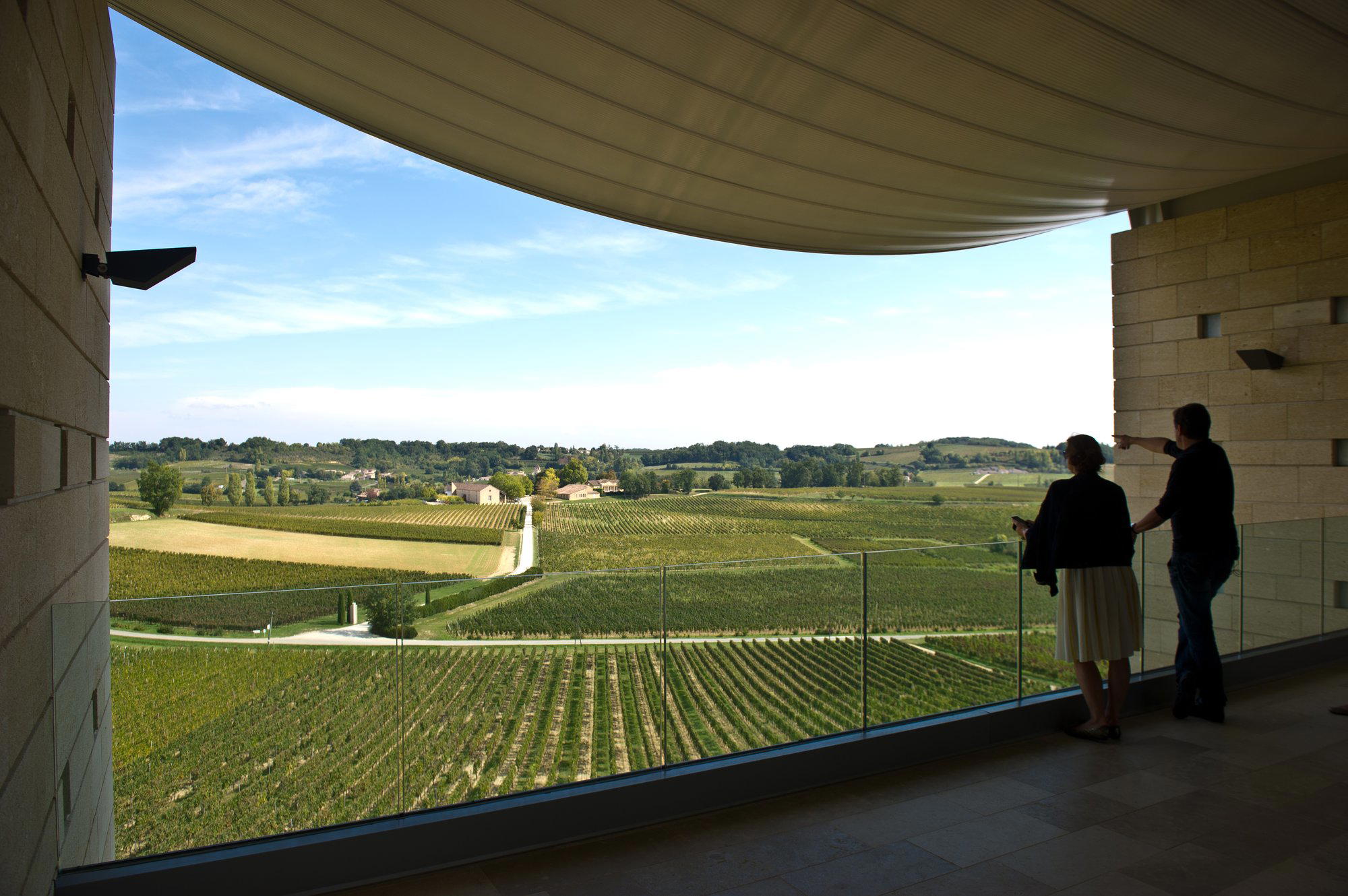
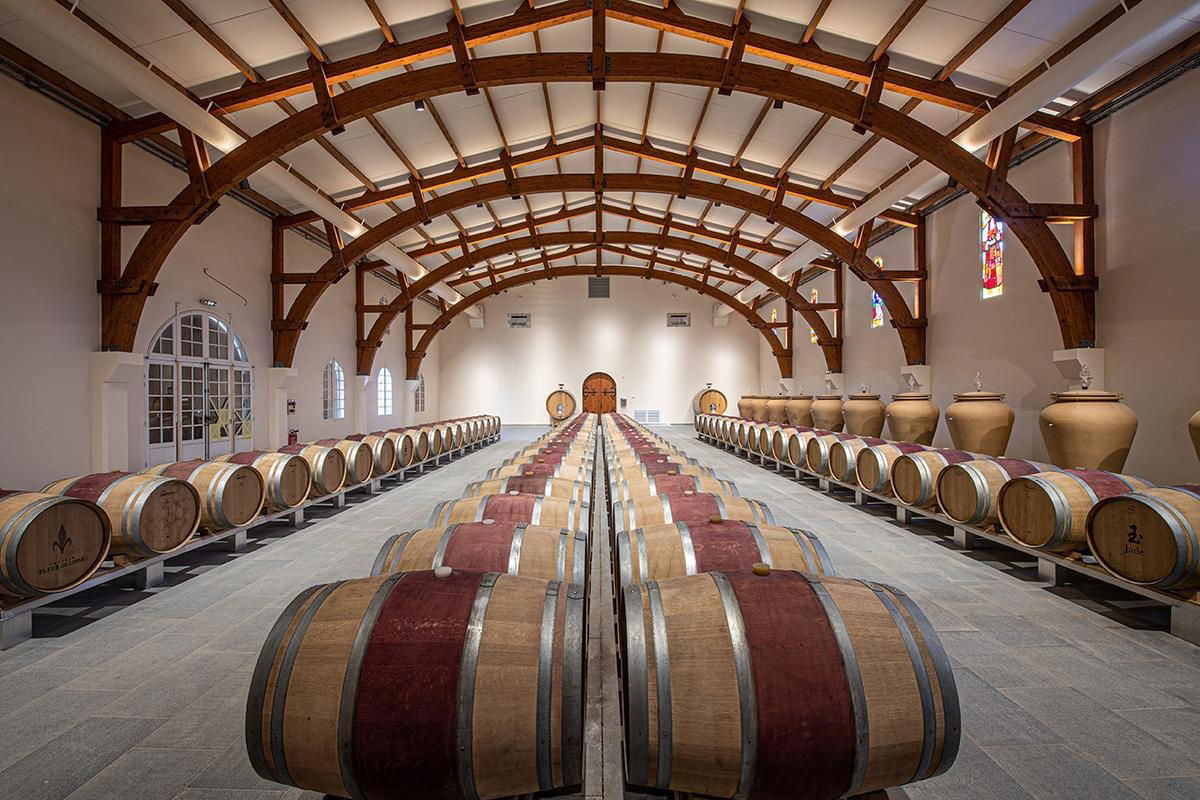
Clos des Baies is best understood as a small Saint-Émilion estate in Saint Etienne De Lisse, with a quiet, rustic, and intimate character rather than the feel of a large visitor center. The profile points to meticulous, low-yield viticulture and barrel aging, so the appeal is less about spectacle and more about a traditional vineyard atmosphere. In practical terms, that means the estate is easiest to read through its restraint: the sense of a place defined by vineyard work, cellar patience, and a more discreet local presence. It is not a venue to frame primarily around scale, showmanship, or elaborate hospitality language.
For broader planning around the commune, compare it with other Saint Etienne De Lisse dining and wine-country options generically, keeping Clos des Baies as the reference point for a quieter estate experience. Its value in an itinerary comes from contrast: it gives shape to the smaller, more intimate side of the area, especially for travelers who want the wine-country day to feel grounded rather than overly formal or heavily produced.
Saint-Émilion estate character
Clos des Baies is presented as a small estate associated with the Saint-Émilion area, focused on careful vineyard work and barrel aging. That positioning matters because it gives the venue a clear identity without needing to lean on a long list of additional claims. The emphasis falls on craft, patience, and a traditional sense of place, with the vineyard and cellar doing most of the descriptive work.
What can be said confidently is that the estate reads as quiet, rustic, intimate, classic, and somewhat hidden-gem in tone. That makes it a better fit for travelers who value a restrained vineyard setting over a high-profile hospitality complex. The word “intimate” is especially important here: it suggests a scale where the experience is likely to feel personal in atmosphere, even when no specific visit structure is being claimed. Likewise, “rustic” should be understood in a positive, wine-country sense, a character rooted in the land, the buildings, and the cadence of production rather than in polished destination branding.
The price level is listed as $$$, which places it in a premium bracket without confirming any particular bottle price, tasting fee, or visit format. For planning purposes, that notation is best treated as a general signal rather than a promise of a fixed spend. It supports the idea that winery belongs in a considered Saint-Émilion-area itinerary, where expectations should be set around quality-minded estate character rather than casual, drop-in consumption.
A small-estate profile
Rather than building the page around biography or accolades, the safer reading is simple: the winery is a small Saint-Émilion estate in Saint Etienne De Lisse with a traditional, low-key atmosphere. That simplicity is part of the point. The estate does not need to be overexplained to be useful to a traveler; its profile is strongest when presented as modest in scale, careful in emphasis, and quietly rooted in its local setting.
Its appeal comes from that narrow and focused profile. The description emphasizes low-yield viticulture and barrel aging, suggesting a producer identity centered on vineyard care and cellar work rather than broad tourism infrastructure. Low-yield viticulture, as a phrase, points to selectivity and attention in the vineyard, while barrel aging points to a slower cellar dimension. Together, they give the estate a more artisanal frame, without requiring any unsupported detail about techniques, varietals, vintages, or results. The relevant takeaway is that winery is better described through process and atmosphere than through spectacle.
For visitors comparing wine-country experiences, the winery should be framed as a quiet local option rather than a large, highly programmed destination. It is the kind of listing that helps balance an itinerary: not every stop needs to be a landmark, and not every estate experience needs to be built around a grand visitor circuit. In this case, the attraction is the smaller footprint itself, and the sense that the place belongs to the quieter fabric of Saint Etienne De Lisse.
How to place it in a Saint Etienne De Lisse trip
Plan around the winery as a calm, rustic, intimate stop in Saint Etienne De Lisse. It should sit in the itinerary as a measured wine-country reference point, not as a rushed box to check between more visible destinations. The setting and profile make more sense when allowed to breathe, because the qualities being described, quiet, traditional, small-estate, vineyard-led, are subtle rather than loud.
Saint Etienne De Lisse works well for a slower wine-country itinerary, especially if the day is not overpacked. A small estate atmosphere is best appreciated with time to focus on the setting and the producer’s vineyard-led identity. If comparing it with other nearby dining or wine-country options, keep the distinction clear: the winery is most useful as the quieter estate anchor in the plan. It gives the day a grounded Saint-Émilion-area note, with emphasis on rustic intimacy, careful vineyard work, and the understated character of a small local producer.
Recognition history
Dated appearances from independent guides and award organizations, with the underlying list record or original source where available.
Falstaff Winery - Listed
Falstaff
Continue exploring
More in Saint Etienne De Lisse
At a Glance
- Quiet
- Rustic
- Intimate
- Classic
- Solo Exploration
- Wine Education
- Romantic Getaway
- Vineyard
- Garden
- Saint Émilion AOC
- Merlot
- Cabernet Franc
- Still Red
Small Saint‑Émilion estate focused on meticulous, low‑yield viticulture and barrel aging, likely offering a quiet, traditional vineyard atmosphere rather than a large visitor center.