Citari

Citari frames Lugana through the hill country of Desenzano del Garda: glacial clay, Lake Garda’s moderating air, and Turbiana-led wines rather than cellar theatrics. Founded in 1975, the family-run estate works 35 hectares and produces Lugana, Chiaretto, Rosso and Bianco styles, with tastings built around vineyard context and cellar conversation.
Pearl is the En Primeur Club membership app — saves, bookings, and concierge access live there. Same editors, same standards.
- Address
- Desenzano del Garda, Brescia, Italien
 Saves & bookings on Pearl
The approach to Citari is part of the argument. The winery sits in Desenzano del Garda, on the San Martino della Battaglia hill, where vineyard rows pull attention away from the lakefront and toward Lugana’s quieter agricultural side. This is not the glossy resort face of Lake Garda; it is the clay-soil, cellar-door version, where the region’s serious white wines begin to make more sense before a glass is poured.
Lugana is often treated by travellers as a lake wine, an easy white to drink beside water. That undersells the appellation. The zone is defined by glacial soils, a mild lake-influenced climate and Turbiana, the grape that gives Lugana its shape. Citari belongs to the family-estate tier of that story: founded in 1975, working 35 hectares, and focused on multiple local denominations rather than a single tourist-facing label.
Glacial clay, lake air and the Turbiana question
The useful way to read Lugana is through its ground. The appellation sits around the southern shore of Lake Garda, across Lombardy and Veneto, with clay-rich soils left by ancient glaciers. Those soils retain water, crack in drought and give Turbiana a different profile from generic northern Italian whites. The point is not aromatic flamboyance; it is structure, saline suggestion, citrus and orchard-fruit lines, and the capacity for more texture when the wine is handled with patience.
Citari’s position on San Martino della Battaglia matters because hillside exposure and lake air are practical viticultural advantages, not postcard decoration. The estate’s Lugana range gives a clear view of how producers in this area separate everyday freshness from more ambitious expressions. Sorgente Lugana DOC sits at the direct, early-drinking end of the spectrum, while Terre Bianche, Conchiglia and Torre move the conversation toward soil character, depth and age-worthy intent.
That spread is useful for understanding the denomination. Lugana can be poured as a simple aperitivo, but the better examples show why Turbiana has held its ground in a region crowded by better-known Italian whites. Citari’s production also extends into Riviera del Garda Classico DOC, San Martino della Battaglia DOC and Benaco Bresciano IGT, so the tasting frame is broader than white wine alone. Chiaretto, Rosso, Bianco and sparkling styles place the estate inside Lake Garda’s mixed-drinking culture rather than a narrow monoculture.
A family estate format rather than a resort tasting room
The modern Lake Garda wine visit often splits in two directions: polished hospitality designed for high-volume leisure, or smaller estate formats where the vineyard still sets the pace. Citari sits in the latter camp. The tone is described through simplicity, sincerity and hands-on family management, with tastings connected to vineyard walks, cellar context and local food pairings. That format suits travellers who want appellation literacy more than a scenic glass without explanation.
The estate’s scale is one of its clearer signals. Annual production is limited to about 350,000 bottles, and the vineyards cover 35 hectares. In Lugana terms, that places the winery in a middle ground: large enough to show a coherent portfolio, small enough for estate identity to remain legible. The founding date, 1975, also matters. Lake Garda tourism has changed radically since then, but this part of the wine culture predates the current wave of tasting-room travel.
Recognition gives the cellar a firmer critical footing. The 2018 Lugana received 96/100 from Decanter, and Citari earned a Gold medal at the World Wine Awards 2019. Those are not decorative facts; they place the estate’s Lugana within an international tasting context, especially useful in a region where visitors can otherwise mistake accessibility for simplicity.
Francesco Gettuli is the name attached to the estate’s founding and winemaking identity, but the broader point is generational continuity rather than personality mythology. Lugana rewards producers who understand timing, soil moisture and restrained cellar work. Stainless steel is central to preserving Turbiana’s freshness, while longer aging and selective texture are used for more structured bottlings. The result is a portfolio that explains the local grammar without turning the visit into a technical lecture.
How to place Citari within a Desenzano del Garda wine day
Desenzano del Garda is often used as a base for lake travel, but the wine story rewards leaving the waterfront. Citari is better approached as part of a Lugana-focused day built around vineyard visits, regional food and slower movement between cellar doors. For broader planning, EP Club’s local coverage includes Our full Desenzano del Garda wineries guide, plus dining, drinking and stay context in Our full Desenzano del Garda restaurants guide, Our full Desenzano del Garda bars guide, Our full Desenzano del Garda hotels guide and Our full Desenzano del Garda experiences guide.
Travellers comparing wine routes around the city can also look at nearby local winery pages for Antica Casa Visconti, Armea, Ca' Maiol, Casello Bondoni and Cavaliere del Garda. For a wider European cellar-door perspective, EP Club also covers 3GP SRL in Treviso, 47 Anno Domini in Trebaseleghe, A Mano Wine in Noci, »der Steiner« Hans Steiner in Podersdorf am See and & Handwein in Mannheim.
The editorial case for Citari is strongest for travellers who want Lugana explained through land rather than branding. The vineyard setting, Turbiana-led portfolio, local food pairing format and 1975 foundation all point in the same direction: this is a Desenzano del Garda winery where the lake’s influence is best understood through clay, exposure and the glass, not through lakeside glamour.
Recognition history
Dated appearances from independent guides and award organizations, with the underlying list record or original source where available.
Falstaff Winery - Listed
Falstaff
Continue exploring
More in Desenzano del Garda
Wineries in Desenzano del Garda
Browse all →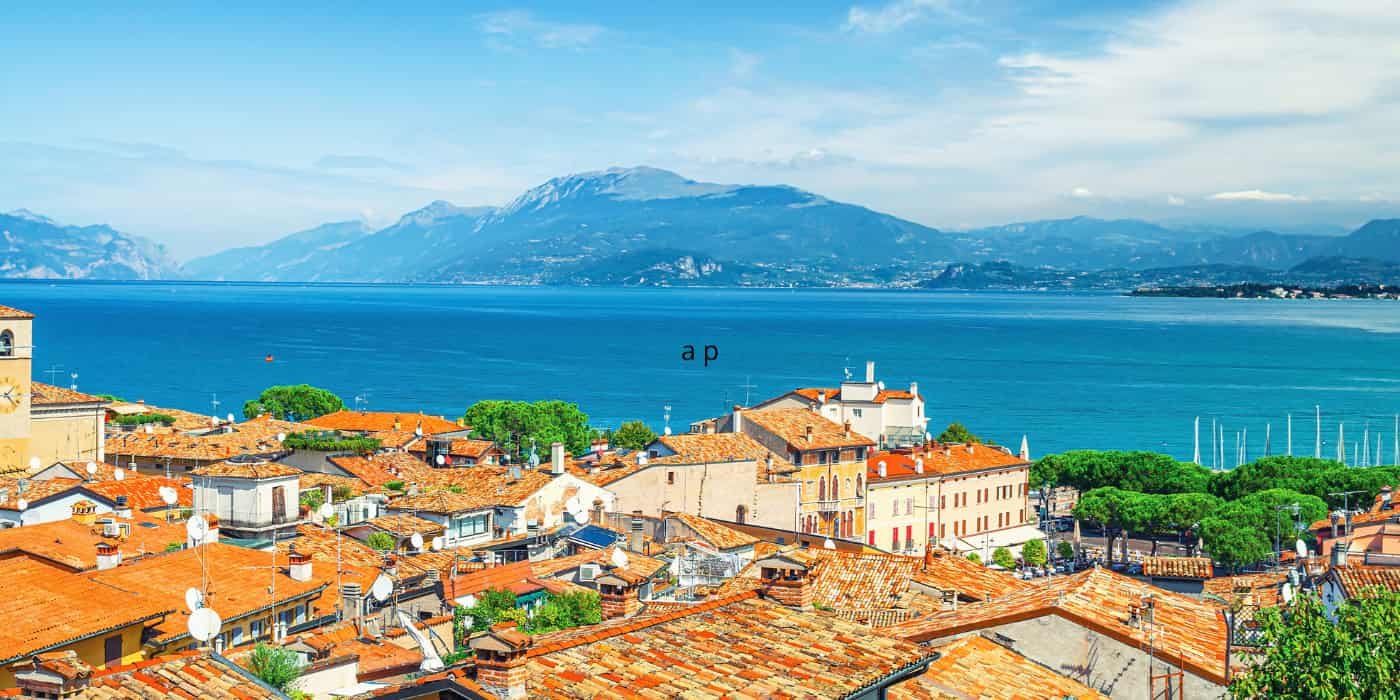
Restaurants in Desenzano del Garda
Browse all →
At a Glance
- Scenic
- Quiet
- Rustic
- Intimate
- Wine Education
- Group Outing
- Special Occasion
- Solo Exploration
- Vineyard Tour
- Estate Grounds
- Design Destination
- Private Tasting
- Vineyard
- Lugana DOC
- Lugana
- Chiaretto
- Rosso
- Bianco
- Still White
- Still Rosé
- Still Red
- Sparkling
- Guided Tasting
- Vineyard Tasting
Authentic, simple, sincere, and focused on quality; the winery emphasizes a family-run, hands-on approach with vineyard strolls and tastings in the cellar and wine shop.