Château Lestage-Simon

Falstaff Winery - Listed
Château Lestage-Simon belongs to the quieter, terroir-led side of Haut-Médoc: a traditional Left Bank estate in Saint Seurin De Cadourne shaped by Merlot, Petit Verdot, Cabernet Sauvignon, and the commune’s mix of sandy, limestone, and clay-limestone soils. Its Cru Bourgeois status, HEV 3 and ISO 14001 certifications, and 92-point scores for the 2018 and 2020 vintages give the wines more objective weight than the modest price tier suggests.

Pearl is the En Primeur Club membership app — saves, bookings, and concierge access live there. Same editors, same standards.
- Address
- Saint-Seurin-de-Cadourne, Haut-Médoc, Nouvelle-Aquitaine, Frankreich

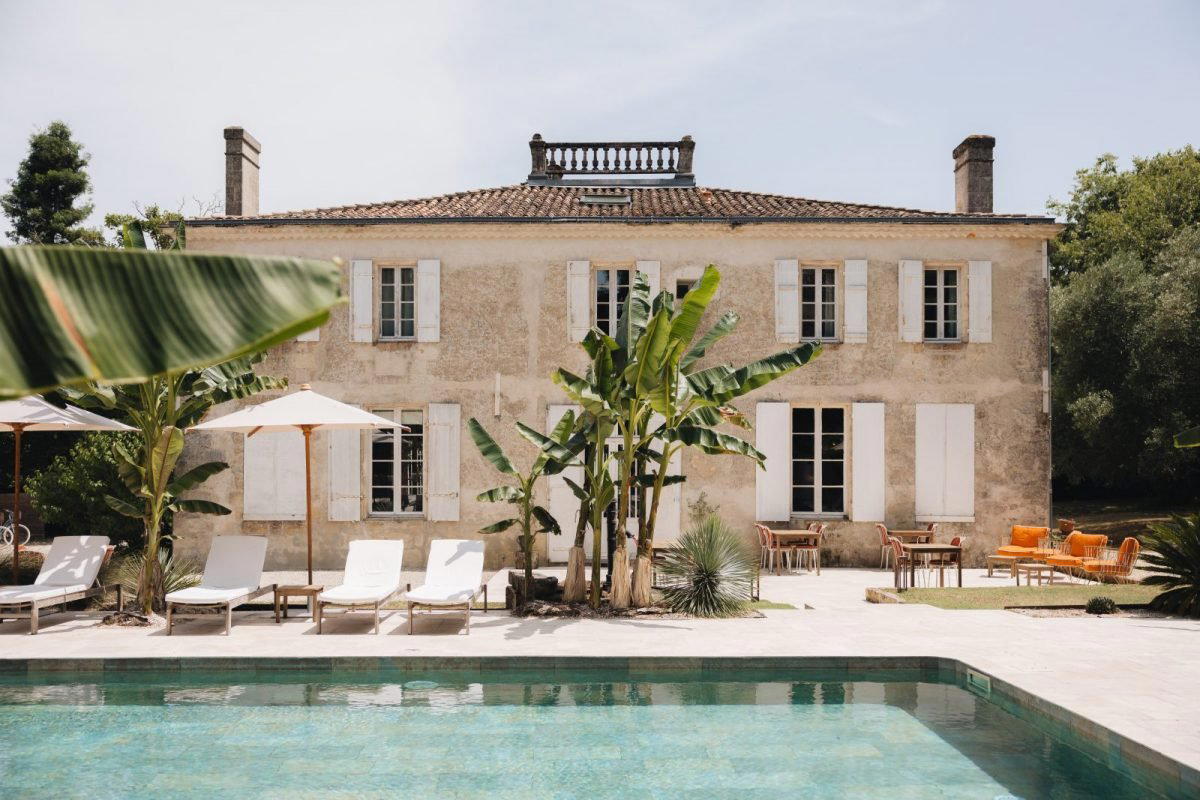
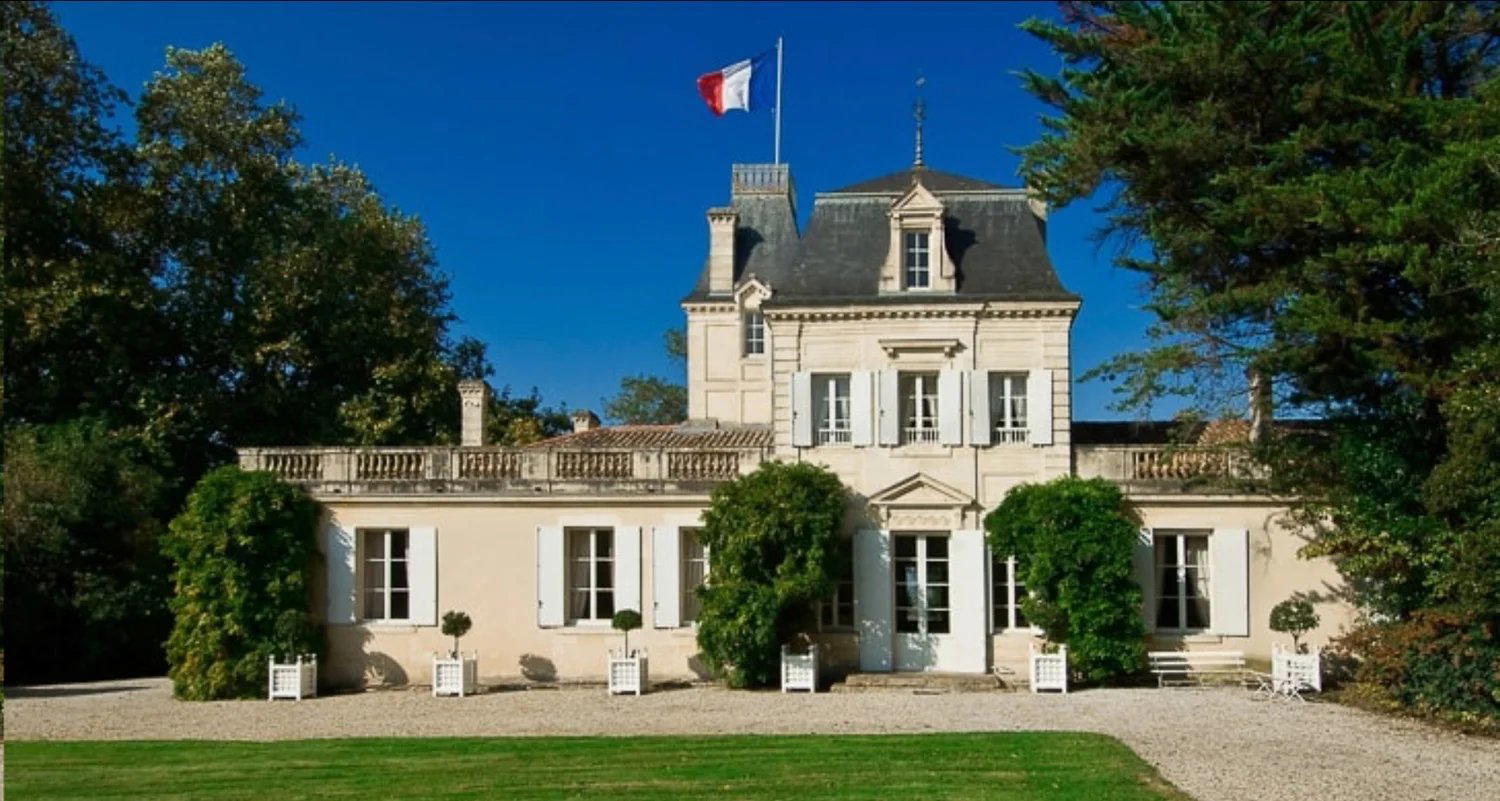
Château Lestage-Simon is a Bordeaux estate in Saint Seurin De Cadourne, presented here with only the details that can be safely supported. The confirmed picture is traditional rather than design-forward: a classic estate atmosphere centered on ageworthy Haut-Médoc reds, with descriptions emphasizing structure, richness, balance and elegant, supple textures. In practical terms, that means the estate is best understood through the familiar language of Bordeaux restraint and proportion, rather than through a more contemporary story of spectacle, reinvention or lifestyle-led hospitality.
The useful starting point is simpler: Château Lestage-Simon belongs on the radar for readers looking at classic Haut-Médoc reds in Saint Seurin De Cadourne, especially where a traditional Bordeaux mood matters more than a heavily staged visitor experience. It is the sort of listing where the value lies in a clear sense of place and style, not in an overextended set of claims. Readers should approach it as a straightforward Haut-Médoc reference in the area, with expectations shaped by classic red Bordeaux character and by the limited information currently available.
A traditional Haut-Médoc reference point
What can be said is that the estate is associated with classic, ageworthy Haut-Médoc reds whose descriptions lean toward structure, richness, balance and supple elegance. Those words are useful because they sketch a profile without overstating the record: structure suggests wines built with shape and persistence; richness points to depth and generosity; balance keeps that generosity in check; and supple elegance gives the overall impression a softer, more polished frame.
That makes the estate easier to understand as a traditional Bordeaux reference point than as a venue defined by novelty, spectacle or a design-led hospitality concept. For readers comparing options in Saint Seurin De Cadourne, the appeal is the promise of a grounded Haut-Médoc profile rather than an invented list of technical details. The emphasis should stay on the broad, classic identity already present in the description: an estate atmosphere, a red-wine focus and a tone that feels more established than experimental.
Any specific score, award year or formal accolade should therefore be checked against the estate’s own current materials before being treated as fact. This is especially important in Bordeaux, where classifications, critical notices and estate references can carry real weight for readers. In the absence of verified material, the cleanest editorial approach is to avoid implying a formal status and to let the confirmed style cues do the work.
What the record does and does not say
Those details may matter to serious Bordeaux readers, but they should not be asserted here without confirmation. A more detailed technical profile could change how some readers assess the estate, yet unsupported specifics would be less useful than a concise and accurate description.
Instead, the grounded description is more restrained: Château Lestage-Simon is presented as a traditional Saint Seurin De Cadourne estate focused on classic Haut-Médoc reds, with a style described through structure, richness, balance and elegant, supple texture. The available picture is enough to place the estate in the conversation for classic Bordeaux drinkers, while still leaving the finer points to be verified through direct, current sources.
For visitors building a wider Saint Seurin De Cadourne itinerary, compare Château Lestage-Simon with other local dining options generically rather than relying on unsupported named comparisons. The safest planning approach is to confirm current visit formats and availability directly with the venue before making a special trip.
Who this estate makes sense for
Château Lestage-Simon makes sense for readers who want a traditional Bordeaux estate atmosphere and a classic Haut-Médoc red profile. It will be most relevant to people who are comfortable with a quieter, more conventional kind of Bordeaux appeal: not necessarily minimalist or modern, and not presented here as luxurious, but grounded in the familiar virtues associated with ageworthy reds.
The appeal is not a confirmed award list, chef-driven restaurant format or luxury hospitality hook. It is instead the clearer, narrower appeal of a Saint Seurin De Cadourne estate described in terms of classic Haut-Médoc character. Readers seeking a traditional mood, balanced structure and elegant texture have enough here to understand why Château Lestage-Simon may be worth considering, while readers who need verified classifications, technical vineyard data or detailed visitor programming should confirm those points before deciding.
Recognition history
Dated appearances from independent guides and award organizations, with the underlying list record or original source where available.
Falstaff Winery - Listed
Falstaff
Continue exploring
More in Saint Seurin De Cadourne
Details
- Classic
- Rustic
- Quiet
- Wine Education
- Solo Exploration
- Group Outing
- Estate Grounds
- Historic Building
- Sustainable
- Vineyard
- Merlot
- Petit Verdot
- Cabernet Sauvignon
- Still Red
- Barrel Room
- Estate Tasting
- French
- English
Traditional Bordeaux estate atmosphere focused on classic, ageworthy Haut-Médoc reds; descriptions emphasize structure, richness, balance and elegant, supple textures rather than a tourist-oriented or design-forward environment.