
A terroir-led Champagne stop in Pierry, Champagne Vincent d'Astrée works from Premier Cru fruit, two-century cellars, and a cooperative model founded in 1956. The experience is strongest for travelers who want context on Meunier, Chardonnay, Pinot Noir, and the Coteaux Sud d’Épernay rather than a glossy tasting-room performance.
Pearl is the En Primeur Club membership app — saves, bookings, and concierge access live there. Same editors, same standards.
- Address
- Pierry, Grand Est, Frankreich
 Saves & bookings on Pearl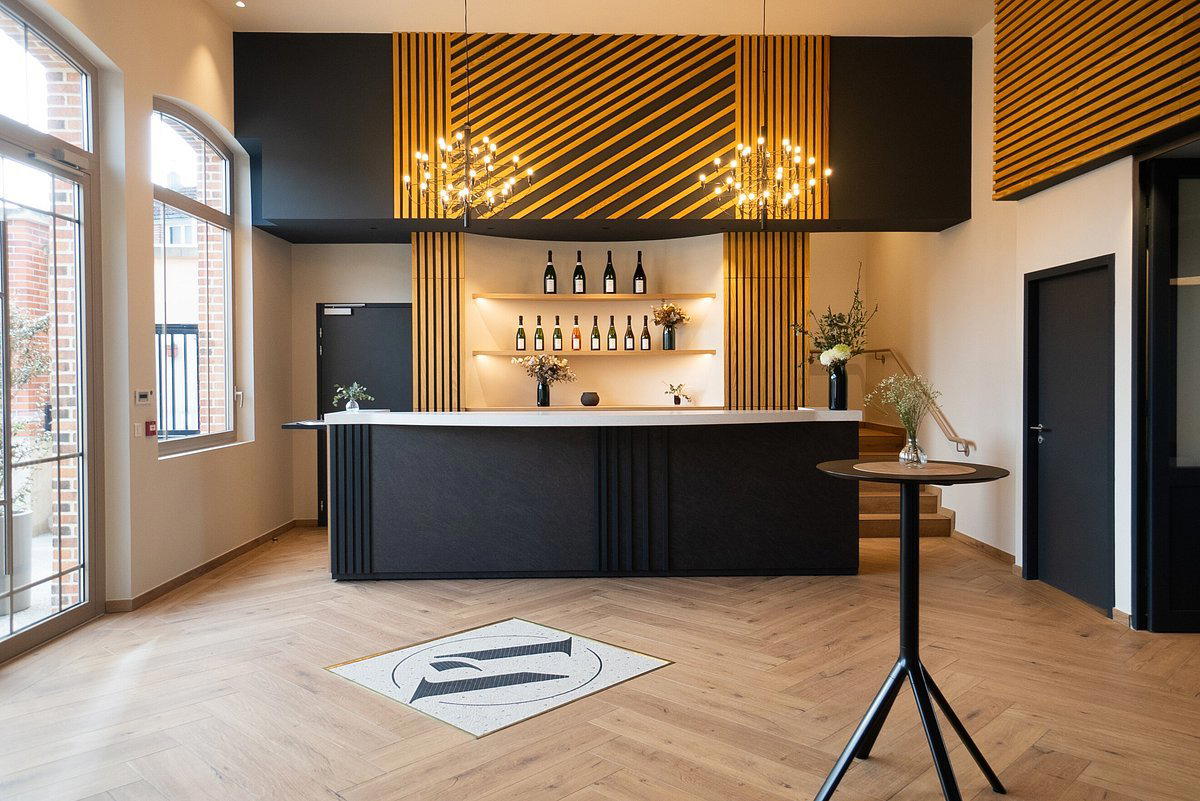
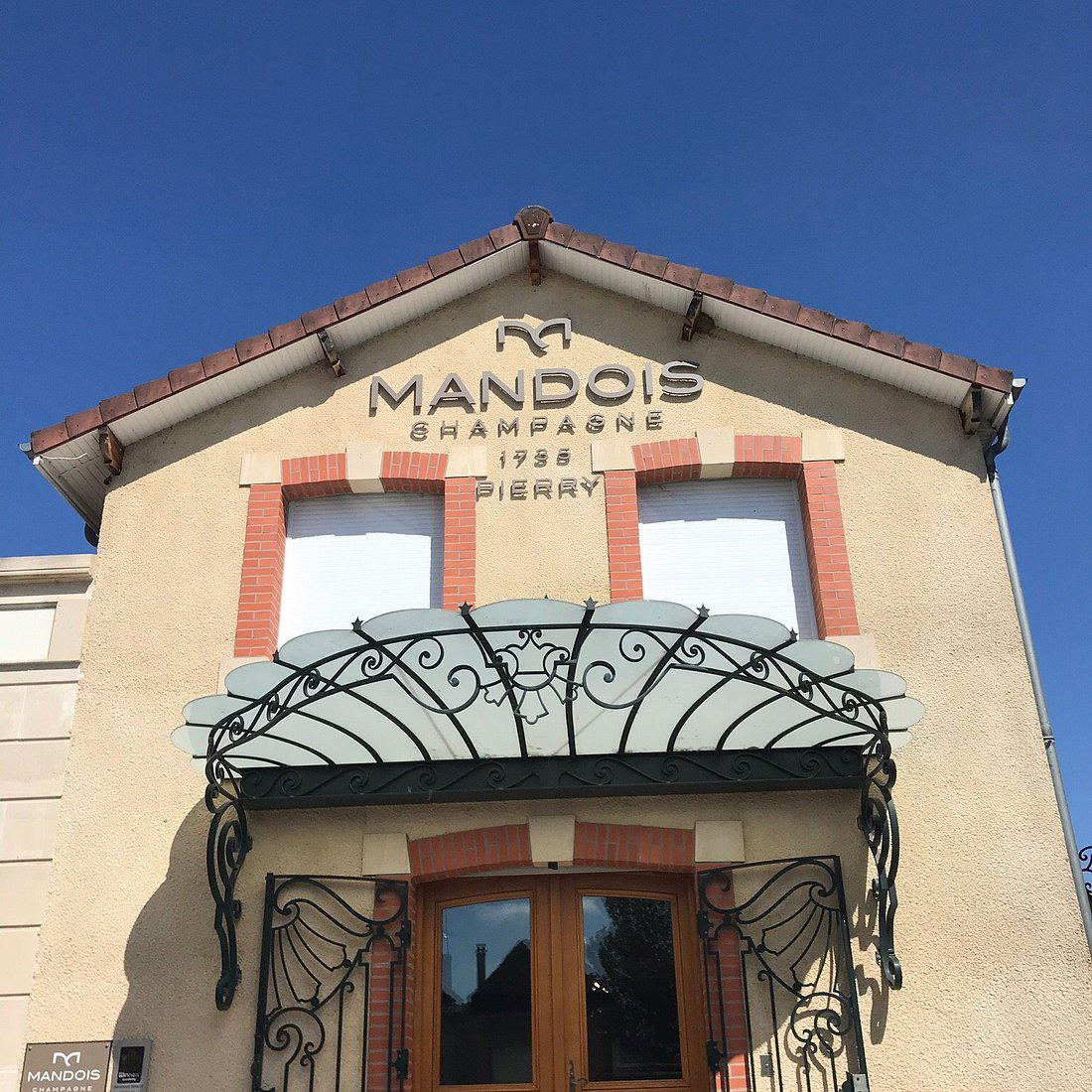
Pierry changes the register of a Champagne trip. The energy of nearby Épernay gives way to a quieter village rhythm, where the point of a visit can be less about spectacle and more about understanding place. In that setting, Champagne Vincent d'Astrée is best read as an educational Champagne stop: a historic yet polished house in Pierry, with bicentennial underground cellars, guided tastings, and a house identity focused on minerality and Premier Cru terroir.
The useful way to approach this address is through what is rather than through borrowed assumptions about the wider region. Champagne Vincent d'Astrée is presented as an authentic village experience near Épernay, and the central appeal is the connection between cellar, tasting, and terroir. It is not necessary to add claims about production scale, grape percentages, individual cuvées, or technical cellar choices to understand the draw. The grounded story is already clear: this is a polished, historic Champagne house where the visit is framed around education, minerality, and Pierry’s Premier Cru identity.
Premier Cru Pierry, read through minerality and place
For travelers planning a Champagne itinerary, Pierry offers a different kind of context from the region’s larger, more famous destinations. Champagne Vincent d'Astrée gives that context a practical shape through guided, educational tastings in a village setting. The emphasis on Premier Cru terroir matters because it shifts attention from label-chasing toward the question of why a wine tastes the way it does, and how place can guide a tasting.
Minerality is one of the house’s defining ideas in the description, and it is a useful lens for visitors who want more than a simple pour. In a tasting room, words like mineral, fresh, structured, or chalky can become vague if they are not tied to place. Here, the value of the visit is that those terms can be discussed in relation to Pierry and to the cellar environment, rather than treated as decorative tasting vocabulary.
That makes the winery especially suitable for guests who want a guided introduction to Champagne without needing a highly technical background. The experience can work for travelers who are new to the region as well as for those who have already visited larger houses and want a more village-based point of comparison. The appeal is not a claimed award list, a named cellar master, or a detailed production story; it is the combination of historic setting, Premier Cru focus, and educational tasting.
Cellar visits over spectacle
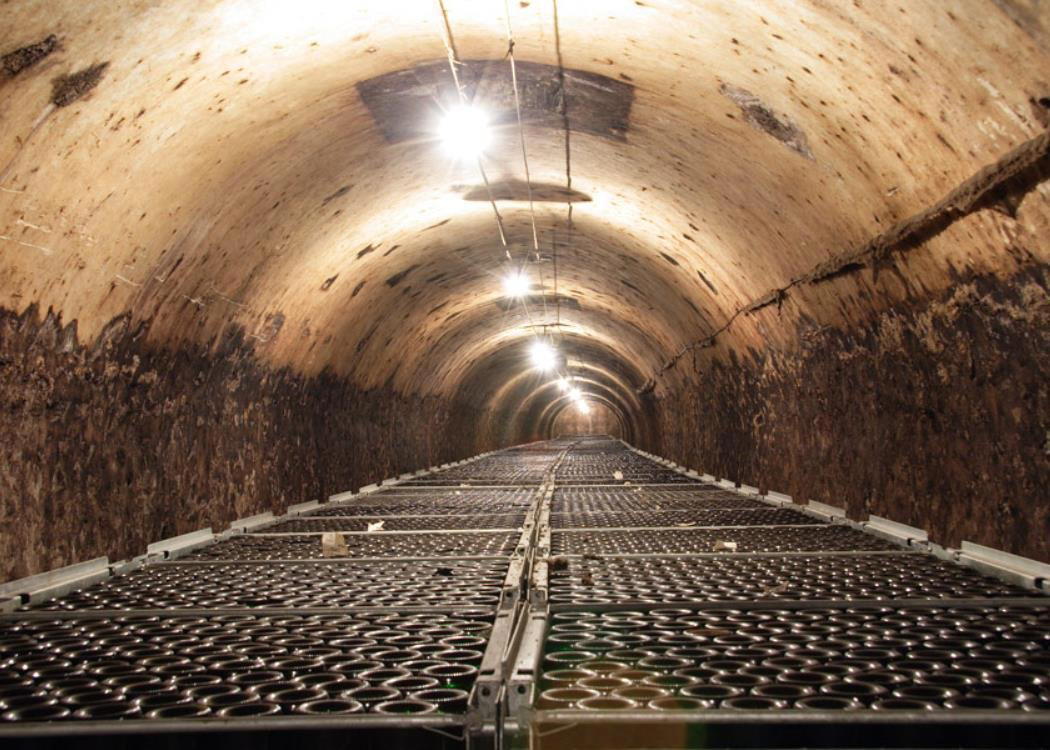
The bicentennial underground cellars are one of the strongest grounded details here. They give the visit a sense of history without needing embellishment. In Champagne, underground cellars are not just atmospheric backdrops; they are part of how many visitors understand the region’s relationship between time, cool storage, and bottle aging. The winery’s cellars therefore support the educational nature of the tasting rather than simply providing a photo opportunity.
The tone to expect should be classic, elegant, and historic rather than casual or theatrical. That does not require claims about exact group sizes, languages offered, booking rules, payment methods, parking, shipping, or special services, none of which are part of the facts here. A careful plan should therefore treat the visit as a guided tasting experience and confirm practical details directly before going.
Listed price is $40 per person. That gives travelers a useful budgeting anchor, especially when comparing the stop with other Champagne activities in the area. Beyond that amount, the page should not infer included extras, pairing formats, specific pours, or tasting-menu structures. The safest expectation is an educational tasting at a historic Champagne house in Pierry, centered on minerality and Premier Cru terroir.
For visitors who care about atmosphere, the historic character is important. The winery is not being described here as a restaurant, a bar, or a luxury hotel experience. It is a Champagne house visit, and the reasons to choose it are tied to wine education, cellar context, and the appeal of a polished village setting near Épernay.
How it fits a Pierry wine day
Pierry rewards travelers who slow down. Rather than treating the village as a quick detour, it can be approached as a focused Champagne stop where the landscape, the cellar, and the tasting all point back to terroir. The winery fits that kind of day because its strengths are specific enough to be useful: guided educational tastings, bicentennial underground cellars, minerality, and Premier Cru identity.
When planning around the visit, keep the rest of the day flexible. Other dining and hospitality options in Pierry can round out the itinerary, but they should be chosen on their own confirmed details rather than assumed from this venue. The winery itself is the wine anchor: a place to learn, taste, and connect the village setting with the language of Champagne.
The reason to include the winery is not that it tries to outshine the region’s most famous names. Its appeal is quieter and more specific. It offers a historic, polished Champagne-house setting in Pierry, with an educational tasting focus and an emphasis on minerality and Premier Cru terroir. For travelers who want their Champagne stop to feel connected to place rather than staged around status, that is enough of a reason to make it part of the route.
Recognition history
Dated appearances from independent guides and award organizations, with the underlying list record or original source where available.
Falstaff Winery - Listed
Falstaff
Continue exploring
More in Pierry
At a Glance
- Classic
- Elegant
- Sophisticated
- Romantic
- Group Outing
- Celebration
- Wine Education
- Romantic Getaway
- Special Occasion
- Corporate Event
- Cave Tasting
- Barrel Room
- Historic Building
- Private Tasting
- Sustainable
- Vineyard
- Champagne AOC
- Meunier
- Chardonnay
- Pinot Noir
- Sparkling
- Guided Tasting
- Workshop
- Cellar Tour Plus Tasting
- Food Pairing Tasting
Historic yet polished Champagne house with bicentennial underground cellars and a focus on minerality and Premier Cru terroir, offering guided, educational tastings in an authentic village setting near Épernay.