Chai du Baron

Chai du Baron gives Bramois a wine stop rooted in Valais terrain rather than tasting-room theatre. The 17th-century setting, estate-ground focus, Valais AOC range and quiet guided format make it a useful lens on Central Valais varieties, especially Petite Arvine, Heida, Cornalin and Dôle.

Pearl is the En Primeur Club membership app — saves, bookings, and concierge access live there. Same editors, same standards.
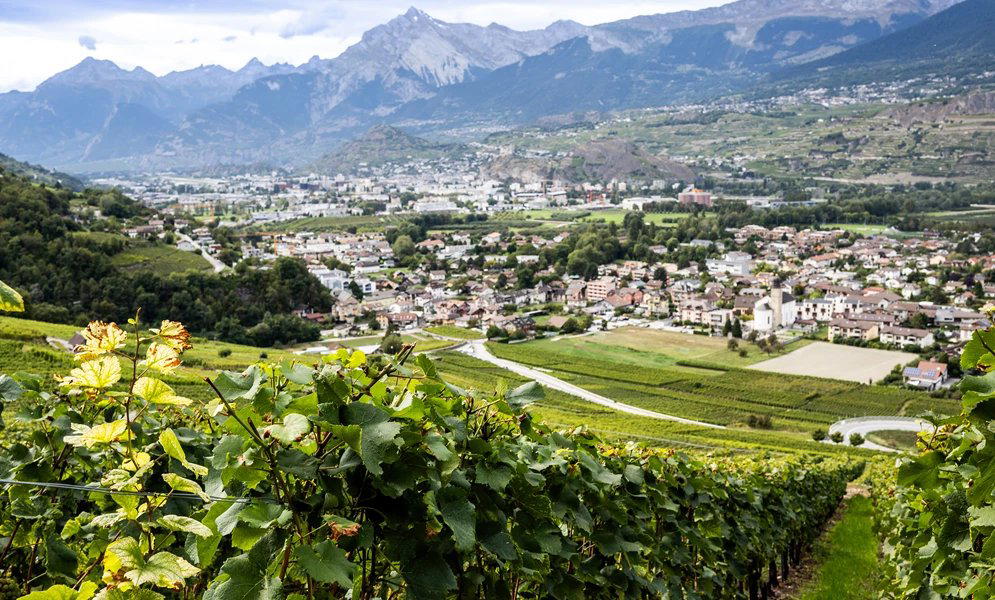
Chai du Baron is best framed by its setting: a historic, tradition-rich venue in a 17th-century building beside the old stone bridge in Bramois. The atmosphere is more rustic cellar than glossy showroom, with a quiet, classic feel that suits visitors interested in terroir and tasting. Rather than presenting itself as a highly polished destination built around spectacle, it reads more as a place where the building, the village context, and the winery mood do much of the work. That sense of restraint is part of the appeal, especially for travellers who prefer a visit anchored in place rather than a generic tasting-room experience.
Because the public details are limited, the safest way to read Chai du Baron is through what is clearly established: it is a Bramois venue with a winery atmosphere, a sense of local history, and a setting that gives the visit a scenic, old-village character. The old stone bridge and 17th-century building are not just background details; they shape the way the venue is understood, giving it an identity tied to heritage and locality. Specific claims about grape varieties, awards, tour formats, service languages, accessibility, opening hours, or named personnel should be checked directly before planning around them. In other words, the reliable portrait is atmospheric and contextual rather than encyclopedic.
Historic Bramois character and a terroir-focused setting
The strongest hook is the place itself. Chai du Baron sits in a 17th-century building beside the old stone bridge in Bramois, giving it a tradition-rich backdrop rather than a generic tasting-room identity. Its appeal is grounded in atmosphere: historic, rustic, scenic, classic and quiet. Those qualities suggest a venue where the surroundings matter as much as any formal structure of the visit. The historic fabric of the building, paired with the old-village setting, gives the experience a slower and more grounded character than a modern showroom might.
That makes it a good fit for travellers who value context and setting. The winery atmosphere is centered on terroir and tasting, so the experience is best understood as a focused Bramois wine stop rather than a broad dining or nightlife venue. The word “terroir” is important here because it points to a way of appreciating wine through place, landscape, tradition, and local identity. Within the limits of the available information, the winery’s main strength is not a long checklist of public amenities, but the way its setting naturally supports that kind of attention.
Those details may exist elsewhere, but they are not treated here as established facts. This matters for visitors who like to plan tightly around specific experiences: the venue’s public profile gives enough to understand its character, but not enough to assume exactly how a visit will unfold. Strong reading is therefore deliberately cautious. The winery can be described with confidence as historic, quiet, rustic, and wine-focused, but not as a place with extras beyond the information already stated.
A quiet cellar mood rather than a restaurant-led outing
The winery’s profile points toward a calm, classic visit in a historic Bramois setting. The price category is listed as $$, and the tone is quiet and tradition-rich. That combination positions it away from a restaurant-led outing and closer to a cellar-minded stop, where the point is the atmosphere of tasting and terroir rather than a full meal or late-evening scene. Visitors looking for a polished hospitality script may find the available description too spare, but those drawn to old buildings, local character, and a quieter pace will understand the appeal more immediately.
Visitors should avoid assuming details that are not confirmed here, such as lunch service, take-out, delivery, dietary accommodations, specific bottle selections, appointment requirements, accessibility features, or fixed tour formats. This is especially important because the established description leaves several practical questions open. A venue can have a strong sense of place without having all visitor logistics visible in advance, and the winery is best approached with that distinction in mind. Confirming practical details directly helps preserve the visit as a relaxed experience rather than one shaped by mismatched expectations.
For a fuller Bramois frame, compare the winery with other dining and wine-related options in Bramois generically, while keeping the winery’s main distinction in view: a 17th-century setting beside the old stone bridge and a winery atmosphere centered on terroir and tasting. Its identity rests on that narrow but evocative profile. It is not being presented here as a comprehensive dining venue, an entertainment address, or a place defined by publicly listed accolades. It is better understood as a quiet, historic Bramois wine setting whose charm comes from the meeting of cellar mood, old-stone surroundings, and a clear sense of local context.
Recognition history
Dated appearances from independent guides and award organizations, with the underlying list record or original source where available.
Falstaff Winery - 3 Stars
Falstaff
Continue exploring
More in Bramois
Wineries in Bramois
Browse all →
At a Glance
- Historic
- Rustic
- Scenic
- Classic
- Quiet
- Solo Exploration
- Group Outing
- Special Occasion
- Wine Education
- Historic Building
- Estate Grounds
- Cave Tasting
- Sustainable
- Vineyard
- Mountain
- Valais AOC
- Chardonnay
- Fendant
- Heida
- Johannisberg
- Petite Arvine
- Cornalin
- Dôle
- Gamay
- Humagne Rouge
- Merlot
- Pinot Noir
- Syrah
- Still White
- Still Red
- Still Rosé
- Sparkling
- Guided Tasting
- Wine Tourism Tasting Package
Historic and tradition-rich, set in a 17th-century building beside the old stone bridge in Bramois, with a winery atmosphere centered on terroir and tasting.