Château Vieux Lartigue

Château Vieux Lartigue belongs to the small-estate side of Saint-Sulpice-de-Faleyrens, where clay-limestone soils, Merlot dominance, and cellar pragmatism matter more than elaborate visitor infrastructure. Its 6.54 hectares, 80% Merlot and 20% Cabernet Franc planting, and 320-hectolitre annual production place it in the intimate, traditional lane of Saint-Émilion Grand Cru.
Pearl is the En Primeur Club membership app — saves, bookings, and concierge access live there. Same editors, same standards.
- Address
- St Sulpice de Faleyrens, Libournais, Nouvelle-Aquitaine, Frankreich
 Saves & bookings on Pearl
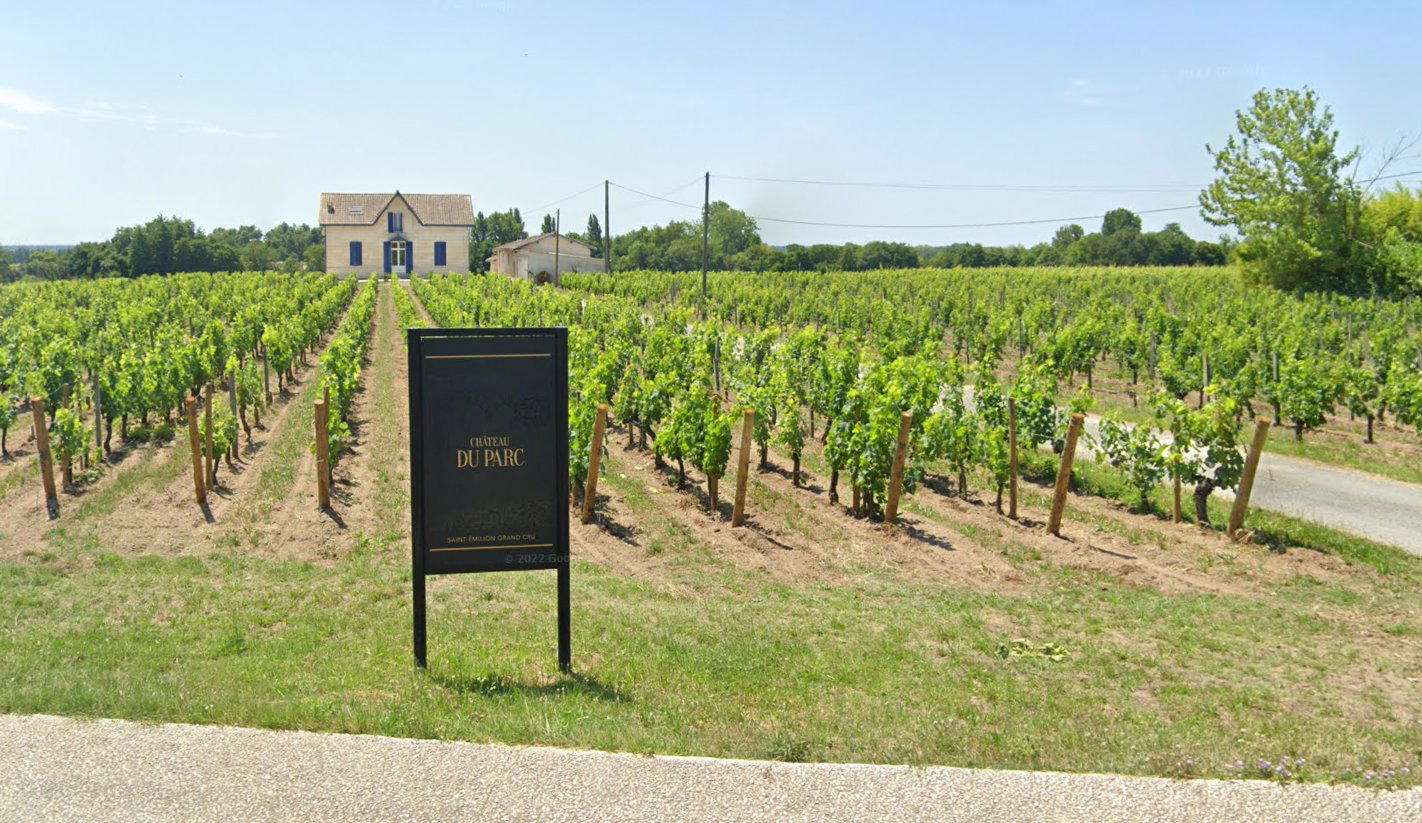
Château Vieux Lartigue is a small estate-vineyard setting in Saint-Sulpice-de-Faleyrens, best understood through the quiet rhythm of a working wine property rather than through the language of a large visitor complex. The picture is deliberately simple: a rural Saint-Émilion-area estate environment, focused on traditional viticulture and winemaking, with a rustic, quiet, classic feel around the vines and cellar.
For travellers, that means expectations should be set around place and atmosphere rather than a long list of confirmed amenities. What can be said with confidence is that Château Vieux Lartigue belongs to the quieter, working-farm side of Saint-Sulpice-de-Faleyrens wine country.
A quiet estate-vineyard setting in Saint-Sulpice-de-Faleyrens
The strongest grounded reason to consider Château Vieux Lartigue is its setting. Saint-Sulpice-de-Faleyrens sits in a wine-growing landscape where small estates can feel more practical than theatrical, and this venue is described as a small Saint-Émilion estate vineyard focused on traditional viticulture and winemaking rather than visitor facilities. That distinction matters: the appeal is not an elaborately staged hospitality campus, but a rural wine-property atmosphere.
Visitors looking for polished service details should be cautious about assuming them. It is better to approach the winery as a place whose identity is tied to vines, cellar work, and the understated character of a working estate in Saint-Sulpice-de-Faleyrens.
The atmosphere is likely quiet and rural around the vines and cellar, with a working-farm feel. That makes the venue more suitable for travellers who appreciate restrained, site-led wine experiences than for those seeking a broad set of leisure facilities. The dress and mood cues point toward rustic, quiet, classic surroundings rather than formality or spectacle.
What, and what is not
The confirmed price level for the winery is $$. There is no confirmed public detail here for specific bottle prices, tasting fees, opening hours, reservation policy, accepted group sizes, language options, accessibility, transport arrangements, or dietary accommodations. Those details should not be treated as established unless confirmed directly before visiting.
Same caution applies to wine-production specifics. The winery can be described as a traditional viticulture and winemaking estate in Saint-Sulpice-de-Faleyrens, but more technical claims would go beyond the confirmed record available here.
That does not make the venue less useful for planning; it simply changes the way to read it. The winery is best framed as a grounded, low-key estate reference point. If your ideal wine-country stop is quiet, rural, and connected to the vineyard rather than centered on visible visitor infrastructure, the description points in that direction.
How to place it within a Saint-Sulpice-de-Faleyrens wine day
The winery suits a Saint-Sulpice-de-Faleyrens itinerary built around small-scale wine-country atmosphere. Because confirmed practical details are limited, the sensible approach is to verify current visiting arrangements directly before making plans. Do not assume walk-in access, a formal tasting, a food pairing, a shop, or a fixed tour unless the estate confirms it.
The venue’s price indicator is $$, so it can be considered a moderate-cost entry in broad planning terms. That indicator should not be read as a promise of any specific tasting fee, bottle price, or package structure. It is simply the cost level attached to the venue.
For comparison, keep the lens close to the winery itself and to other unnamed wine and dining options in Saint-Sulpice-de-Faleyrens. One reliable planning frame is geographic and atmospheric: a quiet rural estate setting, a traditional winemaking focus, and a classic working-vineyard feel. Travellers who want more detailed service guarantees should confirm them in advance, while travellers happy with a modest, countryside wine-estate context may find the profile appealing.
Recognition history
Dated appearances from independent guides and award organizations, with the underlying list record or original source where available.
Falstaff Winery - Listed
Falstaff
Continue exploring
More in Saint-Sulpice-de-Faleyrens
At a Glance
- Rustic
- Quiet
- Classic
- Scenic
- Solo Exploration
- Wine Education
- Vineyard Tour
- Estate Grounds
- Vineyard
- Saint Émilion AOC
- Merlot
- Cabernet Franc
- Still Red
- Standard Tasting
Small Saint-Émilion estate vineyard setting focused on traditional viticulture and winemaking rather than visitor facilities; atmosphere is likely quiet and rural around the vines and cellar, with a working-farm feel.